When to Call a 24-Hour Electrician — and What to Do First
A 24-hour electrician can help with burning smells, sparks, shocks, or other signs of immediate electrical danger. Move away from the hazard and call emergency services for fire or immediate danger. Electrician Pittsburgh can help troubleshoot electrical problems.
Get a Free EstimateWhen Should You Call a 24-Hour Electrician?
Call an emergency electrician when a problem presents an immediate fire or shock risk. Move away from the danger, and call emergency services if there's fire or immediate danger.
Can an Electrical Problem Wait?
Yes, an electrical problem may wait for a scheduled visit if there's no sign of immediate danger. Smoke, heat, sparks, or shocks call for urgent action.
A recurring tripped breaker, flickering lights, or an isolated outlet failure still needs attention. We can discuss the symptoms and help you decide on the next step. Don't keep resetting a circuit breaker that trips.
Who Should You Call for a Power Outage or Electrical Emergency?
Call emergency services for fire or immediate danger, and contact your utility about an outage or downed power line. For a problem confined to your home, call Electrician Pittsburgh to discuss electrical troubleshooting.
Stay away from a downed power line and anything touching it. For a home electrical problem, our Emergency Electrician Service can help you discuss the symptoms and next steps.
What Should You Do Before the Electrician Arrives?
Move away from the electrical hazard and call emergency services if there's fire or immediate danger. Keep others at a safe distance, too.
What Happens During Electrical Troubleshooting?
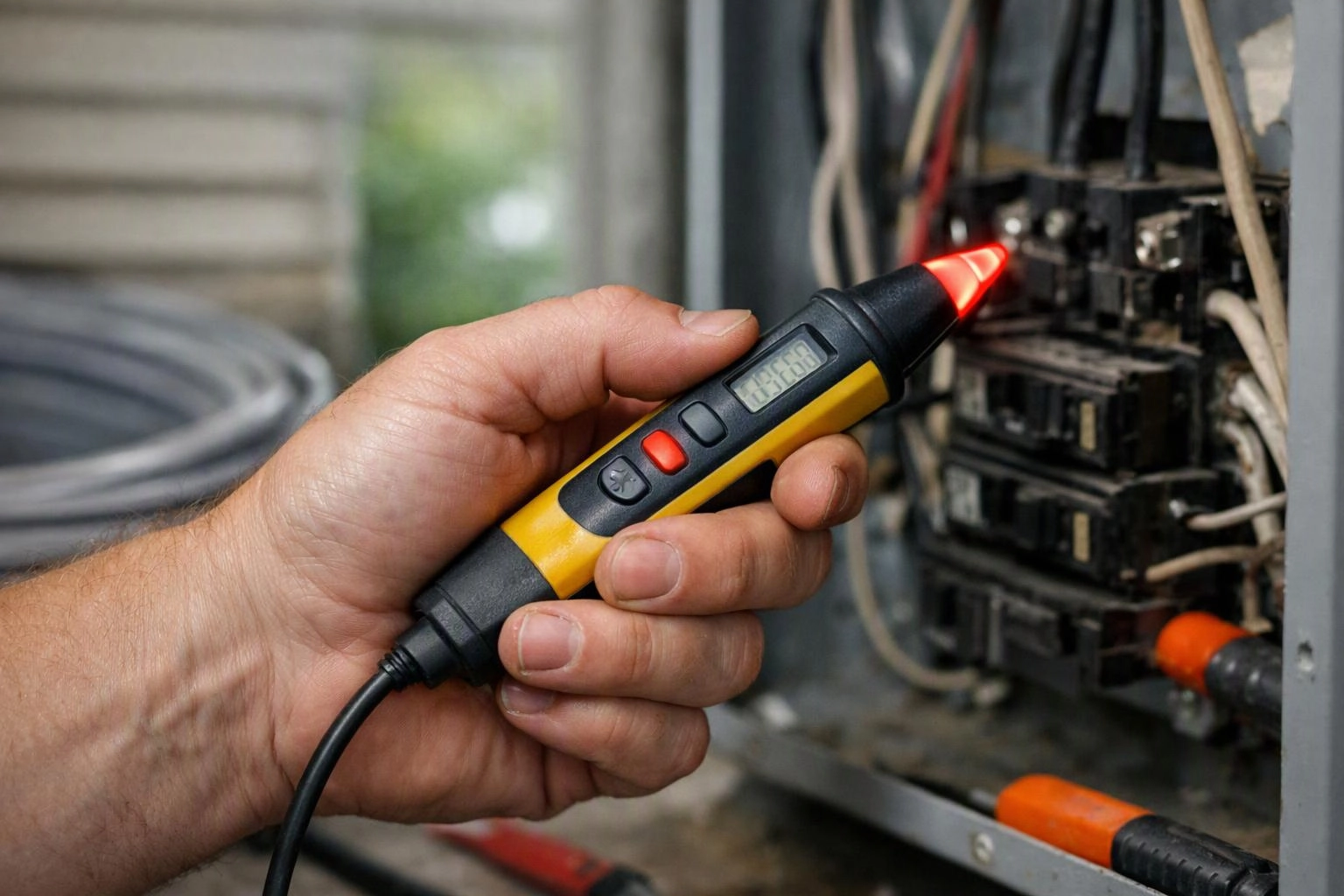
During electrical troubleshooting, we investigate the symptoms to identify the fault and explain the next steps. We use what you tell us to guide our checks.
Electrical Safety Inspections can help us identify hazards in wiring, outlets, and the panel. If we find work that needs an electrical code correction, we'll explain the applicable requirements and a repair plan. Addressing these issues can reduce fire and shock risks.
What Changes the Price of an Urgent Electrical Repair?
The fault location, repair scope, and parts needed can change the price of an urgent electrical repair. Diagnosis can also affect the work needed to identify the problem.
Ask us for a repair quote that explains the proposed work and what's included. Free Estimates Available.
Contact Electrician Pittsburgh to discuss the problem and request an estimate.
Get a Free EstimateWhat Are the Key Specifications to Know?
- Topic Focus
- When to Call a 24-Hour Electrician — and What to Do First
- Related Core Service
- Electrical Troubleshooting
- Evaluation Method
- On-Site Inspection & Written Scope
- Compliance Standard
- Local Building Code & Manufacturer Specs
How Does the Evaluation & Execution Process Compare?
| Evaluation Stage | Technical & Quality Criteria | Timeline Checkpoint |
|---|---|---|
| Initial Diagnostic & Assessment | Identify root cause, site constraints & code requirements | Before any work begins |
| Written Scope & Option Comparison | Compare repair vs. replacement tiers & material grades | Prior to project approval |
| Code-Compliant Execution | Follow manufacturer specs & local permitting standards | During active service |
| Final Verification & Walkthrough | Verify installation alignment, performance & clean site handoff | Upon project completion |
Related Resources
What Happens During an Emergency Electrician Callout?
How Long It TakesHow Long Emergency Electrical Repairs Take in Pittsburgh, PA
What It CostsEmergency Electrician Cost Factors: After-Hours Calls and Troubleshooting
How to HireHow to Choose an Emergency Electrician: Credentials, Availability and Estimates