24 Hour Electrician in Pittsburgh, Pennsylvania: Emergency Questions
When should I call a 24 Hour Electrician in Pittsburgh?
A 24 Hour Electrician in Pittsburgh handles urgent hazards, outages, burning smells, sparking, and sudden electrical failures. Electrician Pittsburgh provides 24/7 emergency electrical dispatch for homes and businesses in Pittsburgh and nearby Allegheny County communities. Turn off power when you can do so safely, keep away from damaged equipment, and describe the symptoms when you call. Our team explains the next step before work begins.
What information should I give a Pittsburgh 24 Hour Electrician before arrival?
Information for a Pittsburgh 24 Hour Electrician should include the property location, affected rooms, visible damage, unusual sounds or smells, and whether power is partially or fully out. Tell our team whether breakers have tripped and whether anyone is at risk. Photos can help when taken from a safe distance. We use those details to prepare for the immediate problem and explain available service.
Frequently Asked Questions About Emergency Electrician Service
What emergency electrical problems does Emergency Electrician Service handle in Pittsburgh?
Emergency Electrician Service handles urgent power loss, sparking equipment, burning odors, exposed wiring, faulty breakers, and electrical hazards. Our team first focuses on making the area safer and identifying the immediate fault. We then explain whether the repair can address the problem now or whether further system work is needed. Electrician Pittsburgh provides 24/7 emergency electrical dispatch for Pittsburgh properties.
Can Emergency Electrician Service replace a breaker or repair wiring after hours?
Emergency Electrician Service can address a failed breaker or damaged wiring after hours when the condition is safe to repair. The work depends on the fault, access, equipment condition, and whether utility-side damage is involved. We test the affected circuit, explain the repair, and identify related hazards. Free estimates are available before planned work begins.
More about Emergency Electrician Service
Frequently Asked Questions About Electrical Troubleshooting
How does Electrical Troubleshooting find a problem that keeps tripping a breaker?
Electrical Troubleshooting finds repeated breaker trips by tracing the affected circuit, connected loads, wiring, and protective devices. Our team asks what changed, checks for visible damage, and tests the circuit in a controlled sequence. A trip may involve an appliance, overload, short, or wiring fault. We explain the finding before recommending repair or replacement.
Can Electrical Troubleshooting identify why only part of my Pittsburgh home has lost power?
Electrical Troubleshooting can identify why part of a Pittsburgh home has lost power by checking circuit protection, connections, devices, and the panel. Our team separates a local circuit problem from a broader service or utility issue. Do not repeatedly reset a breaker that trips again. We document the fault and explain the practical repair path.
More about Electrical Troubleshooting
Frequently Asked Questions About Electrical Panel Upgrade
When does an Electrical Panel Upgrade make sense for a Pittsburgh home?
An
Electrical Panel Upgrade makes sense when the existing panel lacks capacity, shows damage, or cannot support planned electrical loads. Our team reviews the property’s present circuits, future equipment, service capacity, and panel condition. We explain the work before starting and identify whether utility coordination or local approval may be needed. Free estimates are available.
What should I prepare before an Electrical Panel Upgrade in Pittsburgh?
Preparation for an Electrical Panel Upgrade in Pittsburgh includes listing planned equipment, noting recurring breaker trips, and providing access to the panel and meter area. Photos of the equipment can help during the initial discussion. Our team reviews the existing installation, explains the proposed work, and identifies questions about permits, utility records, and circuit labeling.
More about Electrical Panel Upgrade
Frequently Asked Questions About Electrical Panel Repair
What signs mean my Electrical Panel Repair should not wait?
Electrical Panel Repair should not wait when a panel smells burned, feels hot, sparks, makes unusual sounds, or shows visible damage. Our team advises you to keep clear and turn off power only when safe. We inspect the panel and connected conductors, then explain whether repair or broader replacement is appropriate.
What changes the price of Electrical Panel Repair in Pittsburgh?
Electrical Panel Repair pricing in Pittsburgh depends on the damaged component, access, wiring condition, panel design, and whether additional safety corrections are required. Our team identifies those job-specific factors before work begins. Free estimates are available, and upfront explanations help you understand the repair scope without relying on a guess.
More about Electrical Panel Repair
Frequently Asked Questions About Circuit Breaker Replacement
How do I know a Circuit Breaker Replacement is needed?
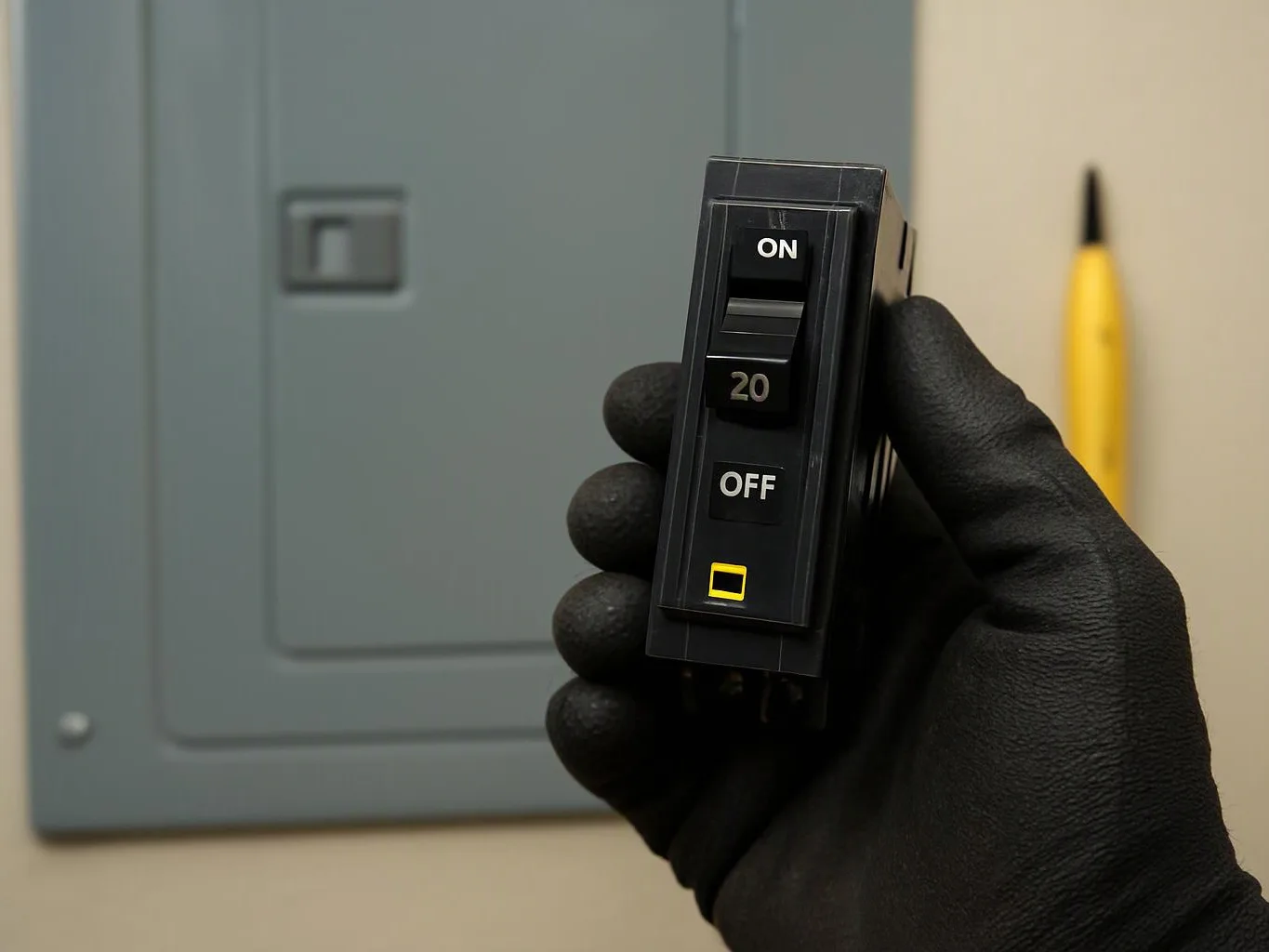
Circuit Breaker Replacement may be needed when a breaker will not reset, trips repeatedly, feels hot, or shows visible damage. Our team tests the breaker and circuit before changing anything because the underlying fault may remain. We explain whether the issue is the breaker, wiring, connected load, or panel condition.
Can Circuit Breaker Replacement solve a breaker that trips after I reset it?
Circuit Breaker Replacement can solve a failed breaker, but repeated trips may indicate an overloaded circuit, short, damaged wiring, or faulty equipment. Our team tests the circuit instead of treating every trip as a simple switch problem. We replace the breaker when appropriate and explain any remaining correction needed.
More about Circuit Breaker Replacement
Frequently Asked Questions About Fuse Box Replacement
When should a Pittsburgh property consider Fuse Box Replacement?
Fuse Box Replacement is worth considering when an older fuse box lacks capacity, has damaged components, or does not suit the property’s current electrical needs. Our team reviews the service entrance, circuits, grounding, and planned loads. We explain the replacement scope and identify utility or approval questions before work begins.
What does Fuse Box Replacement involve in an older Pittsburgh home?
Fuse Box Replacement involves reviewing the existing box, service capacity, branch circuits, grounding, and available equipment space. Our team plans the new protective equipment around the property’s actual loads and documents needed corrections. Free estimates are available after we assess access, condition, and the work required to make the system reliable.
More about Fuse Box Replacement
Frequently Asked Questions About Whole-House Rewiring
When does Whole-House Rewiring make sense for an older Pittsburgh home?
Whole-House Rewiring makes sense when an older home has widespread damaged wiring, unsafe materials, inadequate circuits, or repeated electrical faults. Our team evaluates accessible wiring, the panel, grounding, and renovation needs before recommending a scope. We explain which areas require attention and provide a free estimate for the planned work.
What affects the cost of Whole-House Rewiring in Pittsburgh?
Whole-House Rewiring cost in Pittsburgh depends on property access, existing wiring condition, wall and ceiling access, circuit needs, panel work, and finish repairs. Our team assesses those conditions on site before preparing an estimate. The discussion covers staging, affected rooms, expected interruptions, and practical options for the property.
More about Whole-House Rewiring
Frequently Asked Questions About Electrical Wiring Repair
What problems can Electrical Wiring Repair address in a Pittsburgh home?
Electrical Wiring Repair can address damaged conductors, loose connections, failed splices, exposed wiring, and faults affecting outlets or lights. Our team traces the affected section, makes the area safe, and checks related connections. We explain whether a local repair is suitable or whether wider wiring replacement is needed.
Is Electrical Wiring Repair urgent when I smell burning near a wall?
Electrical Wiring Repair is urgent when a burning smell suggests overheated wiring or a connection fault. Stop using the affected circuit and keep clear if there is smoke, heat, or sparking. Our team investigates the source, isolates the hazard when safe, and explains the repair required.
More about Electrical Wiring Repair
Frequently Asked Questions About Knob-and-Tube Wiring Replacement
Why do Pittsburgh homeowners request Knob-and-Tube Wiring Replacement?
Knob-and-Tube Wiring Replacement addresses older wiring that may not meet the needs of modern circuits, insulation, grounding, or renovation plans. Our team inspects accessible wiring and connected devices before defining the work. We explain which areas need replacement and how the project can fit the property’s current use.
What does Knob-and-Tube Wiring Replacement require before work begins?
Knob-and-Tube Wiring Replacement requires an assessment of accessible wiring, energized circuits, insulation, panel capacity, and areas affected by the project. Our team identifies access points and related corrections before preparing the estimate. We explain the planned sequence so you know which rooms and circuits may be affected.
More about Knob-and-Tube Wiring Replacement
Frequently Asked Questions About Aluminum Wiring Replacement
When should Aluminum Wiring Replacement be discussed for a Pittsburgh home?
Aluminum Wiring Replacement should be discussed when older aluminum branch-circuit wiring shows damaged connections, heat marks, or compatibility concerns. Our team inspects accessible wiring and terminations before choosing a repair or replacement approach. We explain the condition found and the work needed to improve circuit safety.
Can Aluminum Wiring Replacement include outlets and switches?
Aluminum Wiring Replacement can include affected outlets, switches, splices, and circuit sections when those components are part of the wiring problem. Our team identifies compatible equipment and checks connected terminations. The final scope depends on access and condition, so we explain the work before preparing a free estimate.
More about Aluminum Wiring Replacement
Frequently Asked Questions About Service Entrance Repair
What signs point to Service Entrance Repair at a Pittsburgh property?
Service Entrance Repair may be needed for damaged service conductors, loose connections, water intrusion, physical impact, or visible deterioration near the main connection. Our team evaluates the equipment and separates customer-side concerns from utility-side work. We explain any coordination needed before repairs proceed.
Does Service Entrance Repair address the utility connection too?
Service Entrance Repair may address customer-owned service equipment, while utility-owned components require coordination with the utility. Our team identifies the boundary, makes the customer-side condition safe, and explains the next step. Do not touch damaged service conductors or equipment. Call our team for an assessment.
More about Service Entrance Repair
Frequently Asked Questions About Meter Socket Replacement
When is Meter Socket Replacement needed in Pittsburgh?
Meter Socket Replacement is needed when the socket is damaged, overheated, corroded, loose, or unsuitable for the existing service equipment. Our team inspects the enclosure and connection points, then explains utility coordination and access requirements. We address customer-side work and clarify what must be handled by the utility.
More about Meter Socket Replacement
Frequently Asked Questions About Underground Electrical Service Installation
What does Underground Electrical Service Installation require for a Pittsburgh property?
Underground Electrical Service Installation requires planning for the service route, property access, equipment, utility coordination, and applicable approvals. Our team reviews the site and existing electrical service before defining the installation. We explain excavation-related access and the connection points involved.
Is Underground Electrical Service Installation suitable for a new Pittsburgh addition?
Underground Electrical Service Installation can suit a new addition when the property layout, service capacity, and utility requirements support a buried route. Our team evaluates the proposed location, load needs, and connection details. We provide a free estimate after reviewing the site conditions and installation scope.
More about Underground Electrical Service Installation
Frequently Asked Questions About Light Switch Repair
Why does my light switch feel hot or make a buzzing sound?
A hot or buzzing light switch may indicate a loose connection, damaged switch, overloaded circuit, or wiring fault.
Light Switch Repair begins with stopping use of the switch and arranging an inspection. Our team tests the control and circuit, then explains the repair or replacement needed.
Can Light Switch Repair fix a switch that works intermittently?
Light Switch Repair can fix an intermittent switch when the fault involves the switch, connection, box, or related wiring. Our team checks the control and circuit rather than assuming the switch alone is defective. We secure the connection or replace the affected component after explaining the scope.
More about Light Switch Repair
Frequently Asked Questions About Dedicated Circuit Installation
When does a Pittsburgh home need Dedicated Circuit Installation?
Dedicated Circuit Installation is useful when equipment needs its own circuit because of its load, manufacturer instructions, or reliable operation requirements. Our team reviews the equipment, route, panel capacity, and outlet location. We explain the proposed circuit before preparing a free estimate.
More about Dedicated Circuit Installation
Frequently Asked Questions About Whole-House Surge Protection
How does Whole-House Surge Protection help a Pittsburgh home?
Whole-House Surge Protection helps limit damaging voltage surges reaching connected electrical equipment through the service panel. Our team checks panel compatibility, grounding, service conditions, and installation access before recommending equipment. We explain what the protection addresses and what it cannot prevent.
Can Whole-House Surge Protection replace individual equipment protection?
Whole-House Surge Protection does not replace every equipment-level protection measure because devices may face different surge paths and risks. Our team reviews the panel and your sensitive equipment before explaining a layered approach. We install compatible protection and clarify its intended role in the electrical system.
More about Whole-House Surge Protection
Frequently Asked Questions About Generator Installation
What should I consider before Generator Installation at my Pittsburgh home?
Generator Installation requires reviewing the generator type, supported loads, placement, fuel arrangement, transfer equipment, and electrical service. Our team assesses the property and explains the installation scope before work begins. We also identify access and approval questions connected with the proposed setup.
Can Generator Installation power my whole Pittsburgh house?
Generator Installation can support selected circuits or a broader portion of a home depending on generator capacity, service equipment, and load planning. Our team completes the electrical review needed to define supported loads. We explain the options and provide a free estimate for the chosen installation scope.
More about Generator Installation
Frequently Asked Questions About Generator Repair
What does Generator Repair check when a backup generator will not start?
Generator Repair checks the electrical connections, transfer equipment, controls, fuel-related conditions, and fault indications when a backup generator will not start. Our team identifies whether the issue is within the electrical installation or requires another service provider. We explain the finding before completing repair work.
Can Generator Repair address a generator that runs but does not power the house?
Generator Repair can address a generator that runs without powering the house when the fault involves transfer equipment, wiring, controls, or connected protection. Our team tests the system safely and checks the path to supported circuits. We explain any equipment limitation or repair needed.
More about Generator Repair
Frequently Asked Questions About Electrical Safety Inspection
What does an Electrical Safety Inspection look for in a Pittsburgh home?
Electrical Safety Inspection checks visible wiring, panels, protective devices, grounding, connections, outlets, switches, and other accessible electrical conditions. Our team documents concerns and explains which findings need prompt attention. The inspection focuses on observable system safety and does not replace repairs or utility evaluation.
More about Electrical Safety Inspection
Frequently Asked Questions About Electrical Code Corrections
What are Electrical Code Corrections for a Pittsburgh property?
Electrical Code Corrections address identified installation conditions that need improvement for applicable electrical requirements and safer operation. Our team reviews the reported issue, confirms the affected work, and explains the correction before starting. The scope may involve wiring, protection, grounding, equipment, or installation details.
Can Electrical Code Corrections help before selling or renovating a Pittsburgh home?
Electrical Code Corrections can help address documented concerns before selling or renovating a Pittsburgh home. Our team reviews inspection findings and separates required repairs from optional improvements. We explain the work, access needs, and estimate so you can plan the property project clearly.
More about Electrical Code Corrections
Frequently Asked Questions About Ceiling Fan Repair
Why is my ceiling fan wobbling, buzzing, or stopping unexpectedly?
A wobbling, buzzing, or intermittently stopping ceiling fan may have a loose mounting point, damaged control, wiring fault, or mechanical problem.
Ceiling Fan Repair starts with turning the fan off and arranging an inspection. Our team checks the electrical connection and explains whether repair or replacement is appropriate.
Can Ceiling Fan Repair fix a fan and its wall control together?
Ceiling Fan Repair can address a fan and wall control together when the fault involves the switch, receiver, wiring, or mounting connection. Our team tests the complete control path instead of replacing one part without checking the others. We explain the repair scope before work begins.
More about Ceiling Fan Repair
Frequently Asked Questions About Recessed Lighting Installation
What should I plan before Recessed Lighting Installation in a Pittsburgh room?
Recessed Lighting Installation planning should cover fixture locations, ceiling access, circuit capacity, controls, insulation conditions, and the room’s lighting purpose. Our team reviews the ceiling and electrical route before proposing the layout. We explain the installation scope and provide a free estimate.
Can Recessed Lighting Installation work in an older Pittsburgh home?
Recessed Lighting Installation can work in an older Pittsburgh home when ceiling access, wiring, box space, and circuit capacity support the fixtures. Our team checks those conditions and identifies any required wiring or panel corrections. We explain practical placement options before installation.
More about Recessed Lighting Installation
Frequently Asked Questions About Security Lighting Installation
Where should Security Lighting Installation place lights around a Pittsburgh property?
Security Lighting Installation Our team reviews sightlines, power access, controls, mounting surfaces, and nearby property conditions. We explain the proposed locations before preparing the estimate.
Can Security Lighting Installation include motion controls?
Security Lighting Installation can include motion controls when the selected fixtures, wiring, and control locations support them. Our team explains detection coverage, switching, placement, and circuit requirements. We install the planned system and test its operation after the electrical work is complete.
More about Security Lighting Installation
Frequently Asked Questions About Landscape Lighting Installation
What does Landscape Lighting Installation include for a Pittsburgh yard?
Landscape Lighting Installation includes planning fixture locations, outdoor wiring routes, controls, connections, and lighting goals for the property. Our team reviews paths, planting areas, steps, and outdoor structures before defining the work. We explain access and equipment choices before preparing a free estimate.
How can Landscape Lighting Installation improve outdoor walkways?
Landscape Lighting Installation can improve walkway visibility by placing suitable fixtures along paths, steps, entrances, and changes in grade. Our team considers glare, coverage, wiring access, weather exposure, and control options. We create a practical layout that fits the property and explain the planned installation.
More about Landscape Lighting Installation
Frequently Asked Questions About LED Lighting Retrofit
Who installs LED lighting retrofits in Pittsburgh?
Electrician Pittsburgh installs LED lighting retrofits for homes and businesses in Pittsburgh. We inspect existing fixtures, wiring, switches, and controls before work begins. Our team can replace lamps, change fixtures, correct connections, and test the finished lighting. We also provide upfront explanations and free estimates for planned retrofit projects.
Can existing fixtures support an LED retrofit?
Existing fixtures can support an LED retrofit when their sockets, wiring, heat control, and dimensions suit the selected parts. We inspect the fixture before recommending a lamp or replacement. A full fixture change may fit better when the housing is damaged, the socket is worn, or the light pattern remains poor.
What causes flickering after an LED upgrade?
Flickering often comes from an incompatible dimmer, loose connection, unsuitable lamp, or circuit fault. We test the fixture and control together, then trace the circuit if the cause is not visible. The correction may involve a compatible dimmer, a new connection, or a different LED fixture.
Should we replace fixtures or only LED lamps?
Fixture condition and lighting goals decide whether lamps or full fixtures are the better fit. We inspect sockets, housings, connections, and light spread before making that recommendation. Lamp replacement may suit sound fixtures, while damaged housings or poor output can call for a new LED fixture.
More about LED Lighting Retrofit
Frequently Asked Questions About Hot Tub Wiring
Who installs hot tub wiring in Pittsburgh?
Electrician Pittsburgh installs
hot tub wiring for homes and businesses in Pittsburgh. We inspect the panel, plan the circuit, connect the equipment, and test the finished work. Our team also diagnoses existing faults, including repeated breaker trips, warm disconnects, and power loss. We provide a free estimate and explain the proposed work before installation or repair starts.
Where does power connect to a hot tub?
Power connects from the electrical panel through the planned circuit and disconnect to the hot tub equipment. The route depends on the panel location, tub placement, access, and wiring condition. We inspect those points before work begins. The disconnect must remain accessible so the circuit can be isolated for service or an electrical fault.
What wire does a hot tub need?
The required wire depends on the tub's electrical load, circuit design, route, and installation conditions. The equipment information helps us choose the correct wiring method. We check the panel and planned path before recommending materials. We do not select wire by tub size alone because the full circuit and property layout matter.
Why does my hot tub breaker keep tripping?
A hot tub breaker can trip because of overload, moisture, damaged wiring, loose connections, or an equipment fault. We isolate the circuit and test each likely cause before recommending repairs. Repeatedly resetting the breaker can leave a dangerous condition in service, so stop using the tub if the trip keeps returning.
More about Hot Tub Wiring
Frequently Asked Questions About Pool Wiring
Who installs pool wiring in Pittsburgh?
Electrician Pittsburgh installs
pool wiring for homes and businesses in Pittsburgh. We connect and inspect pumps, controls, lighting, grounding, bonding, and related circuits. The job starts with the equipment and the reported symptom. We then trace the circuit, test the suspected fault, and explain the estimate before work begins.
What electrical parts does a pool system need?
A pool system needs correctly sized circuits, disconnects, equipment connections, grounding, bonding, and suitable protective devices. The exact parts depend on the pump, heater, lights, controls, and property layout. We review the equipment load and wiring path before choosing an installation or repair.
Can pool equipment share an existing circuit?
Pool equipment can share a circuit only when the circuit suits the combined load and equipment requirements. A nearby outlet does not prove that the circuit is suitable. We identify every connected load, inspect the wiring, and explain whether the circuit needs changes or separate wiring.
How do you tell if a pool is grounded properly?
Grounding is checked through the grounding path, connections, protective devices, and electrical tests. Visual inspection alone cannot confirm safe operation. We trace the pool circuit, inspect bonding points, test the relevant connections, and explain any fault before recommending corrective work.
What causes pool lights to flicker or fail?
Flickering pool lights can result from a loose connection, damaged wiring, control fault, protective-device issue, or failing light. We isolate the affected circuit and test the supply, controls, and light connection. That diagnosis helps separate a repairable wiring fault from equipment replacement.
More about Pool Wiring
Frequently Asked Questions About Commercial Electrical Repair
Who provides commercial electrical repair in Pittsburgh?
Electrician Pittsburgh provides
commercial electrical repair in Pittsburgh for businesses and property managers. We diagnose faults in panels, breakers, wiring, outlets, switches, and lighting. Our team explains the repair before work begins, and we provide free estimates for planned service.
What changes the cost of a commercial circuit repair?
The fault location, circuit access, damaged parts, connected load, and repair scope affect the cost. A panel fault may need different work from a damaged outlet or branch circuit. We diagnose the problem, explain the needed work, and provide a free estimate before repairs begin.
Does commercial repair inspect the whole electrical system?
Commercial repair starts with the reported fault and the affected circuit. We inspect related parts when testing shows a wider issue, such as an overloaded circuit or damaged panel connection. We explain any further repair separately, so the property owner can decide how to proceed.
Should I reset a tripped commercial breaker myself?
A single reset may not solve a breaker that trips again or shows signs of damage. Stop resetting the breaker if you notice heat, buzzing, smoke, or a burning smell. We isolate the circuit, trace the fault, and test the equipment before recommending a repair.
More about Commercial Electrical Repair