What safety checks follow breaker replacement?
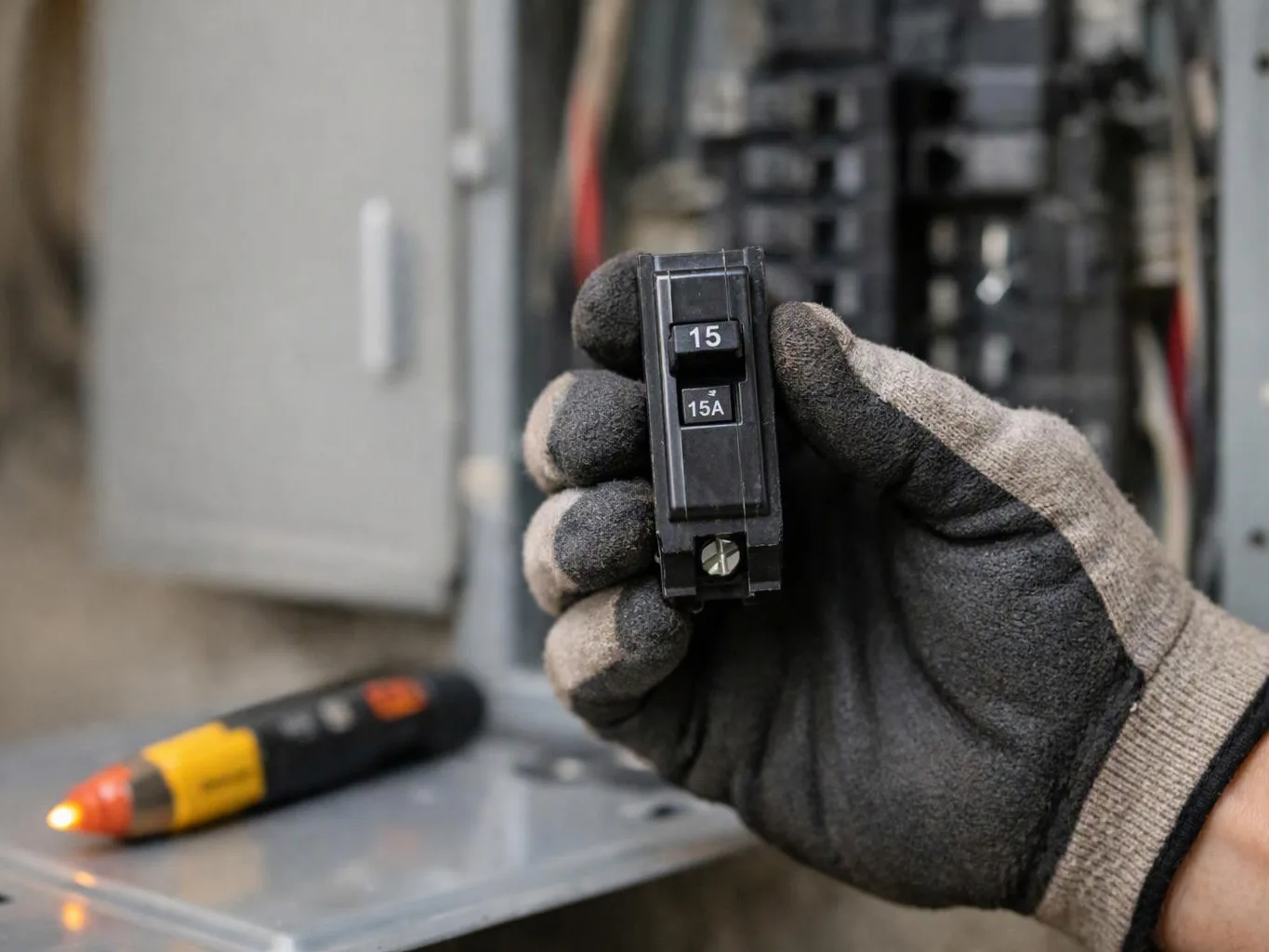
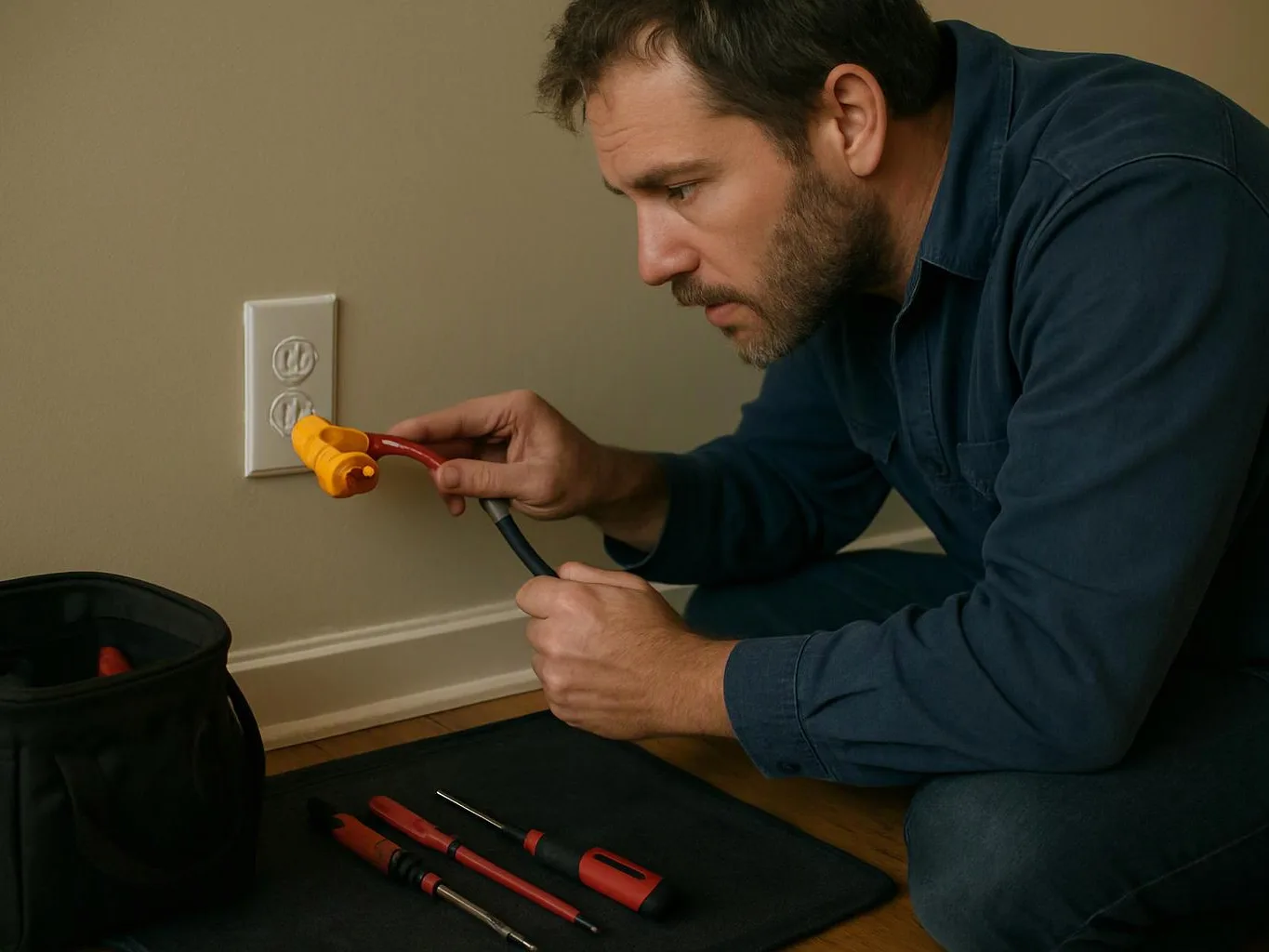
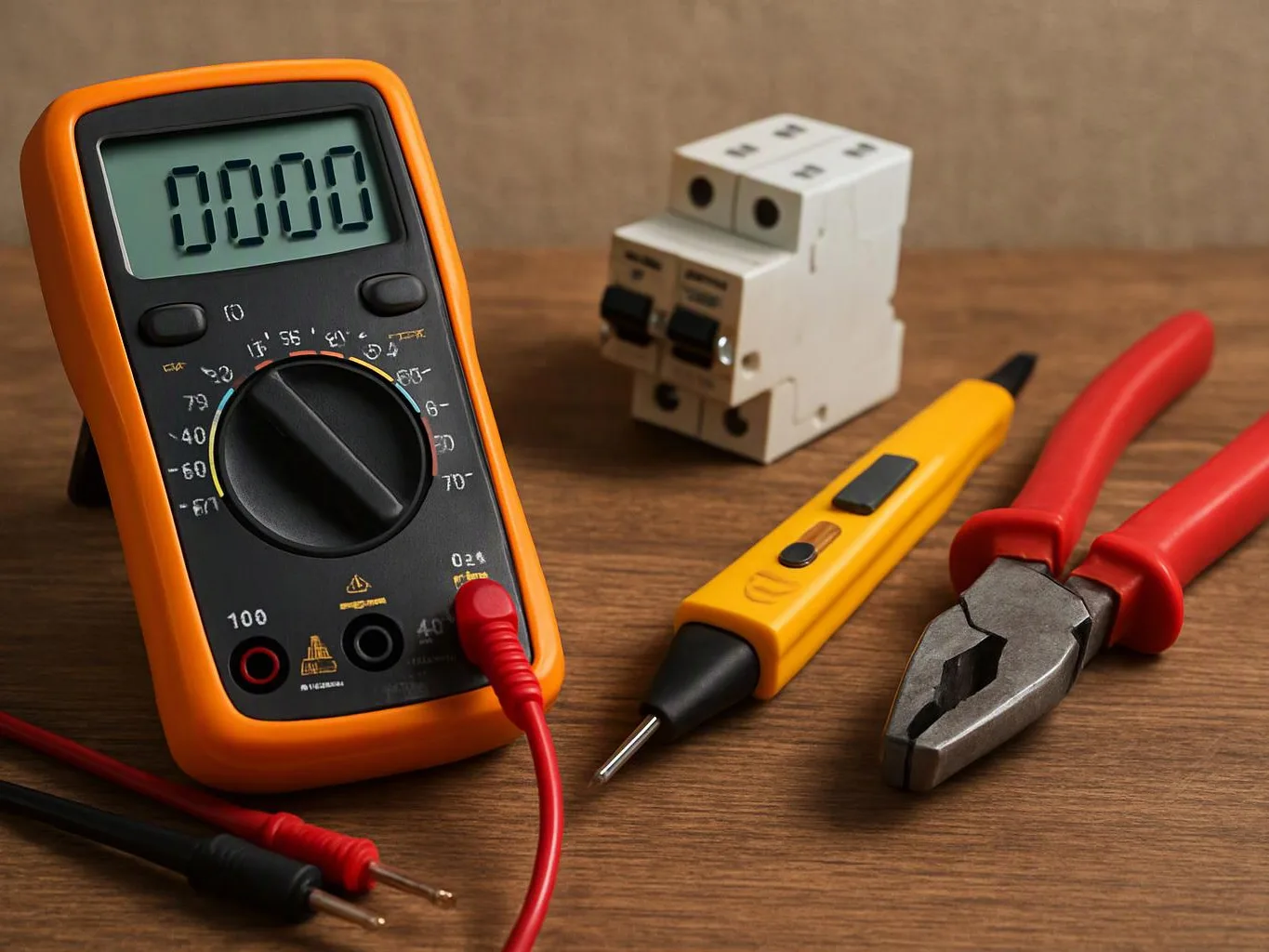
Trip testing follows breaker replacement and helps confirm that the new breaker operates correctly. We also check connection torque, measure voltage, inspect the panel, and test the circuit under load. These checks help identify loose connections, circuit faults, or panel problems before we explain the completed scope.
How can I tell whether breaker replacement fits my property?
Breaker replacement fits a property when the breaker itself is faulty and the panel and circuit remain suitable. We inspect the panel, trace the circuit, and check connected loads before choosing that repair. Damaged wiring, an overloaded circuit, or a failing panel can require broader electrical work.
Which part of the property decides the work scope?
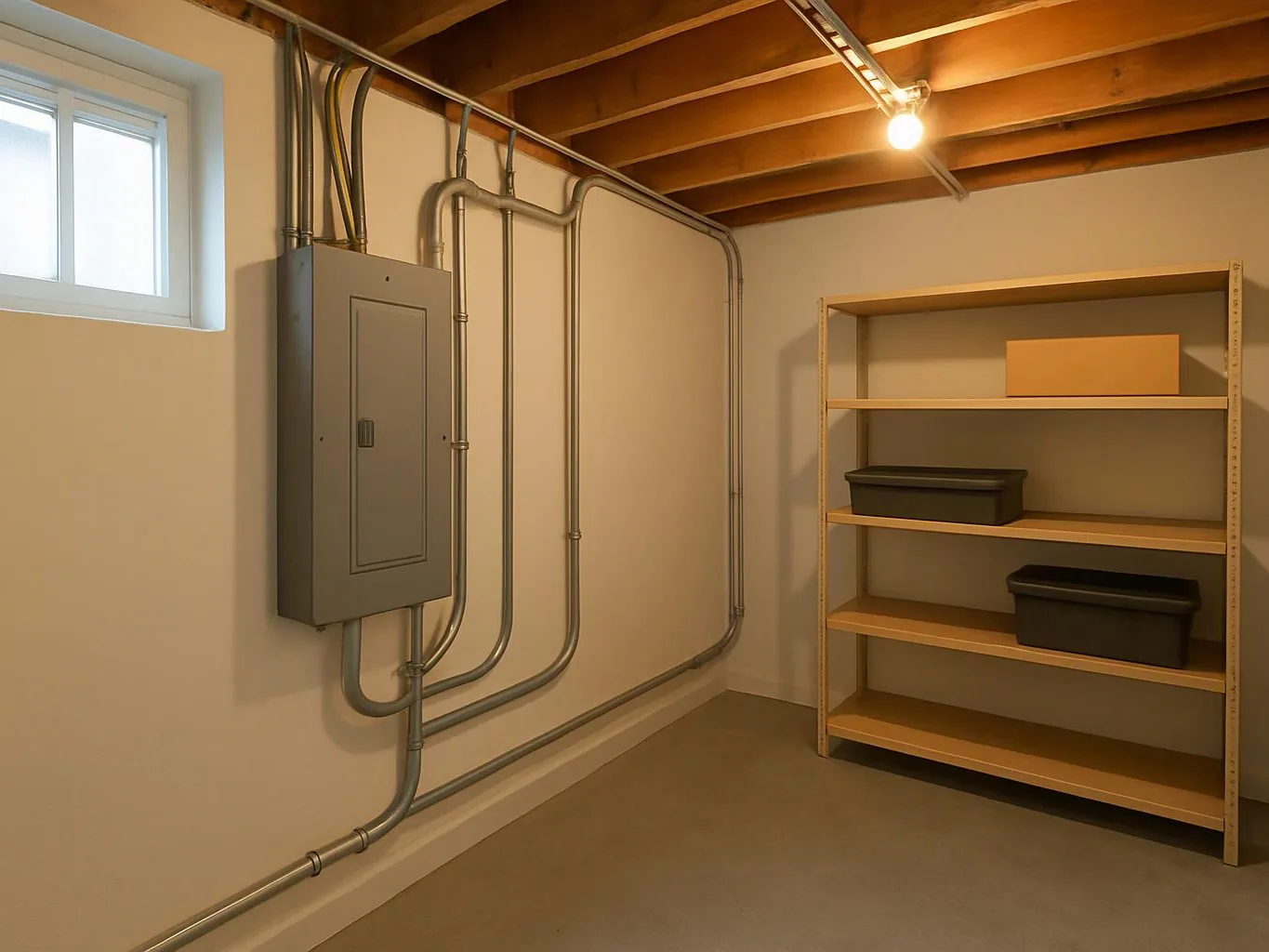
The electrical panel and connected circuit decide the work scope. Panel condition, breaker type, conductor connections, circuit load, and access all affect the assessment. We inspect those points first, then explain whether the job needs only a breaker or includes circuit or panel repairs.
Which material changes the work time for breaker replacement?
The conductor material can change the work required for breaker replacement. Copper and aluminum connections need different checks, and damaged conductors can expand the scope. We inspect the wire and terminal connection before fitting the breaker, then explain any added repair need.
Why does a new breaker trip during load testing?
A new breaker that trips during load testing usually points to a circuit fault, excess load, or a connection problem. We isolate the circuit, inspect connected equipment, measure voltage, and check the panel. We do not treat repeated trips as proof that another breaker is needed.
What information should I share before requesting an assessment?
The affected circuit, recent symptoms, panel location, and property type help us prepare for the assessment. Note whether the breaker trips at once or after equipment runs, and report any burning smell or buzzing sound. Photos can help, but they do not replace an on-site electrical inspection.
Should I reset a tripped breaker before requesting service?
A single reset may be reasonable only when there is no smoke, burning smell, buzzing, heat, or visible damage. Stop resetting the breaker when it trips again or shows a warning sign. We can inspect the circuit and panel to find the reason for the repeated trip.