What safety checks follow breaker replacement?
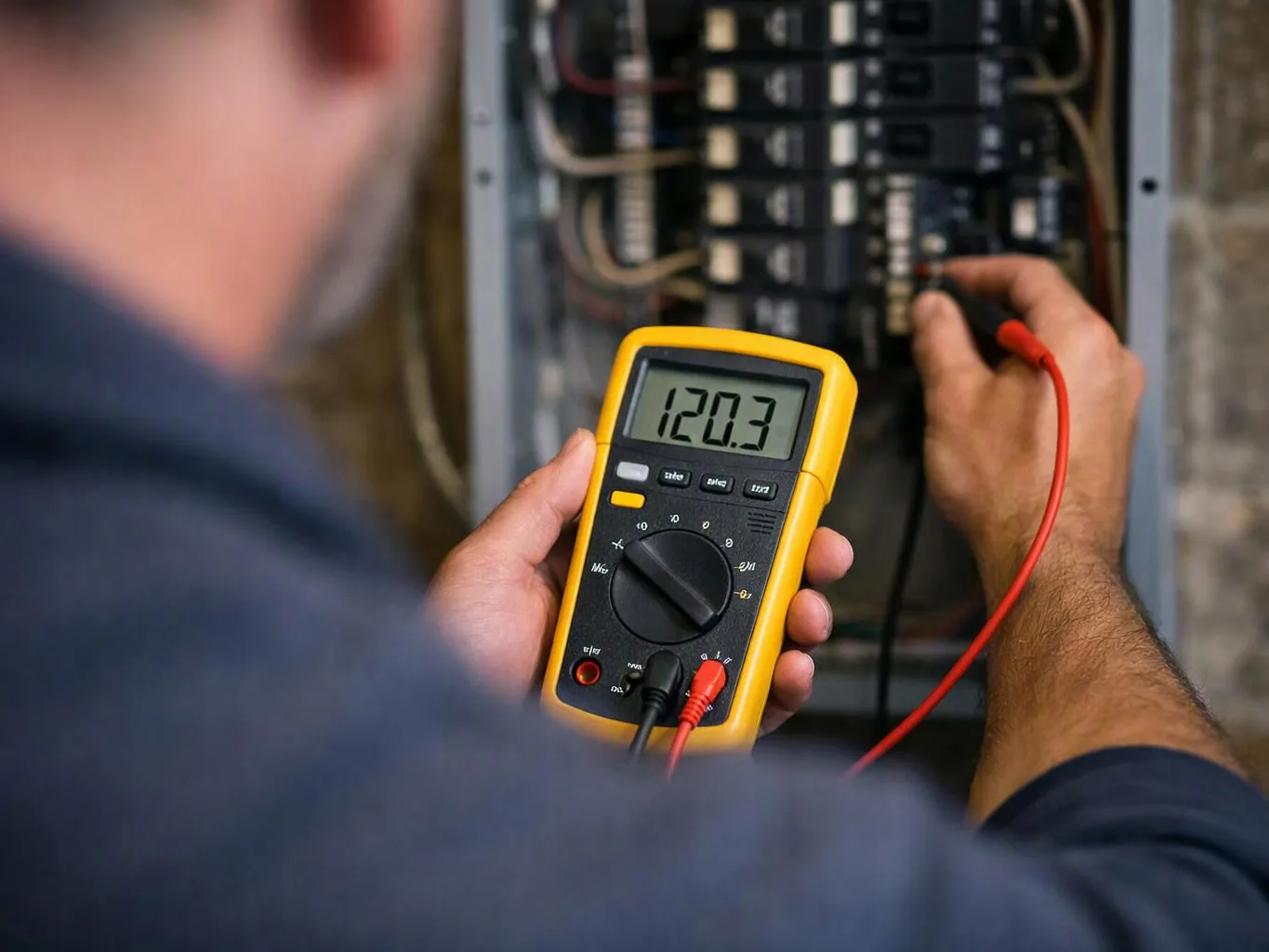
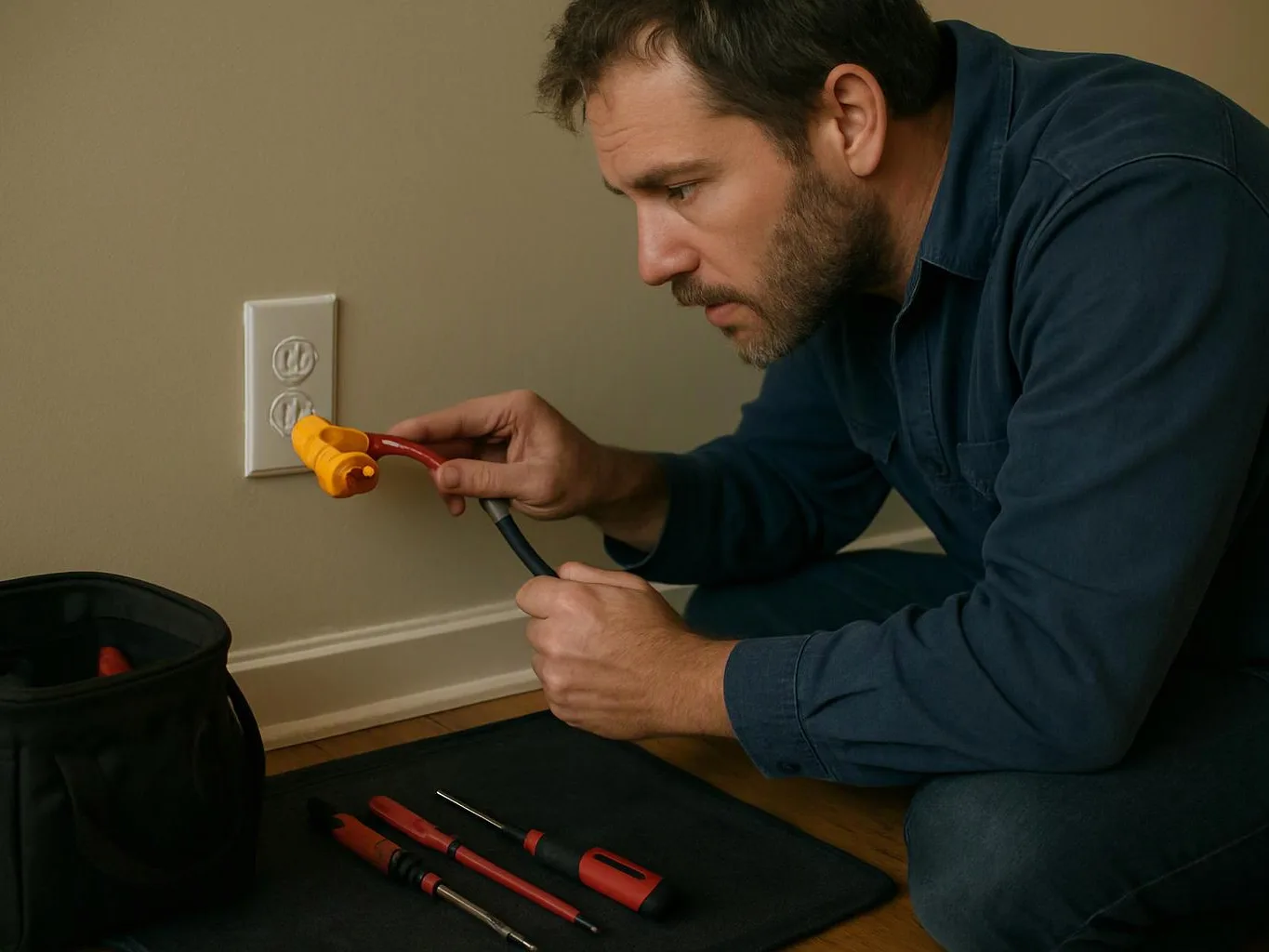
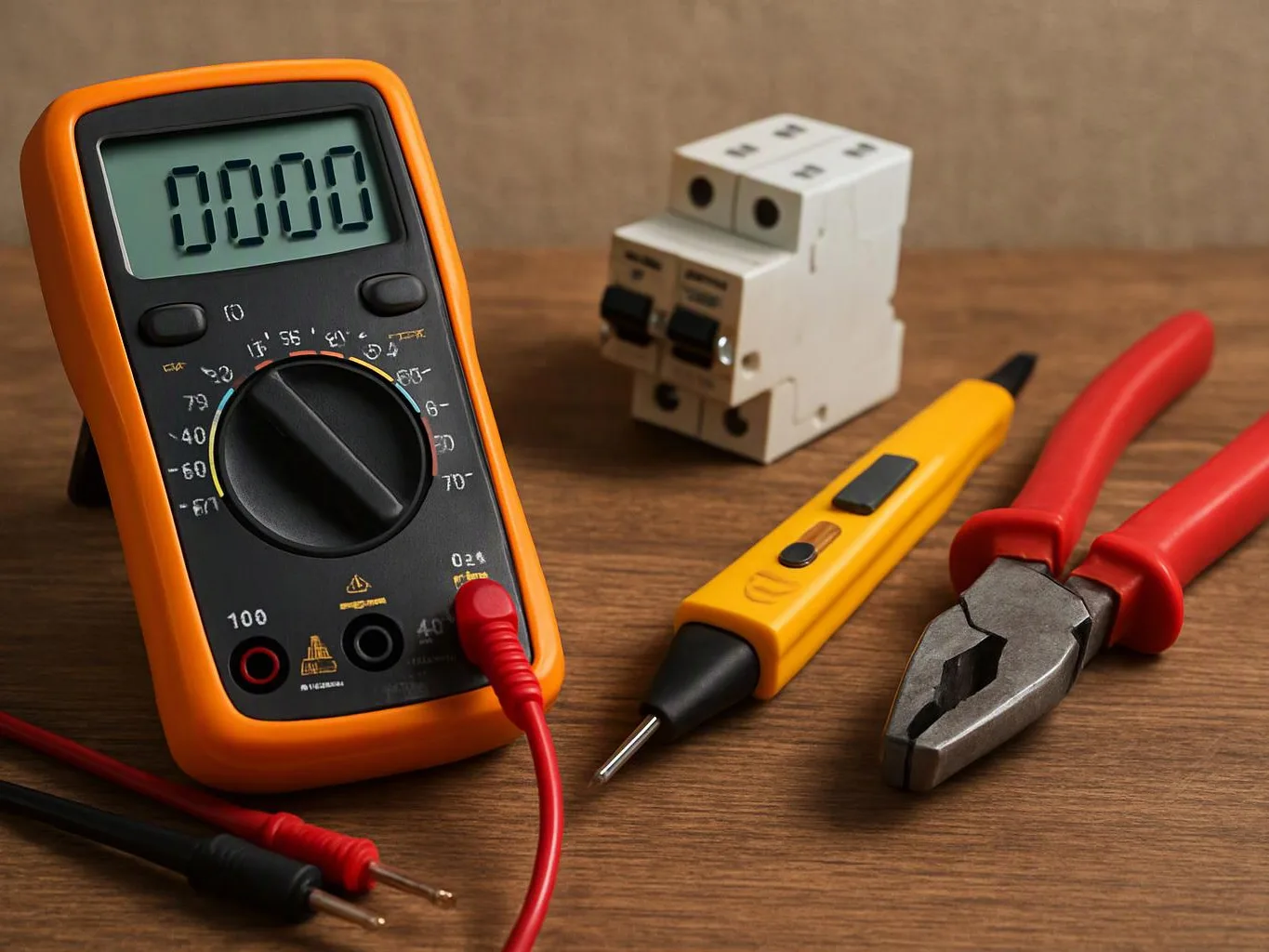
Trip testing follows breaker replacement and checks whether the protective device responds as intended. We also inspect the panel, verify connection torque, measure voltage, and test the circuit under load. These checks help separate a successful breaker change from a larger wiring or overload problem. We explain any concern before the circuit returns to normal use.
How can I tell whether breaker replacement fits my property?
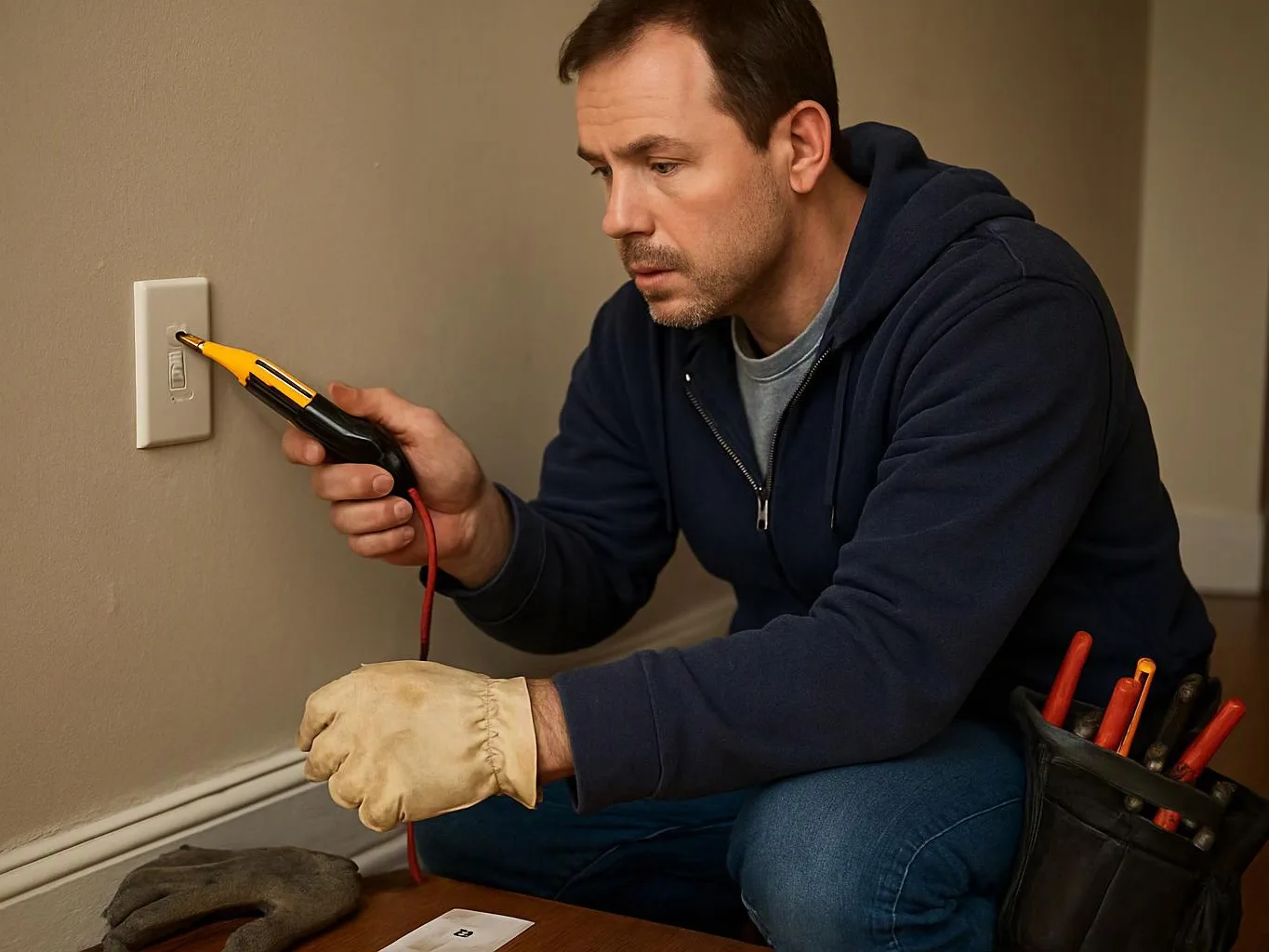
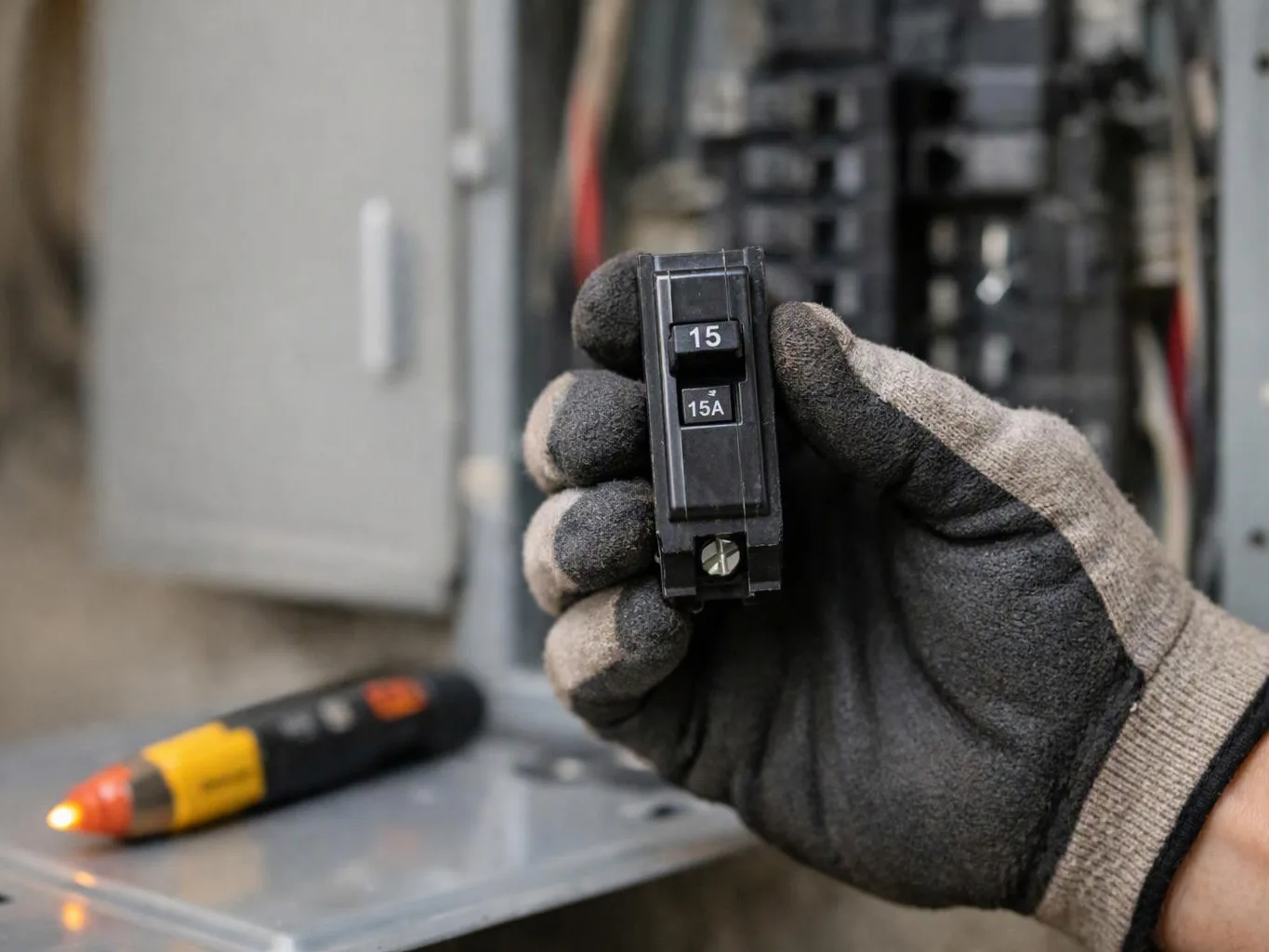
Breaker replacement fits when the breaker is damaged or faulty and the circuit itself remains suitable. Repeated trips, a breaker that will not reset, or heat marks support a closer inspection. We trace the circuit and check its load before replacing the part. Damaged wiring or an overloaded circuit needs a different repair scope.
Which part of the property decides the work scope?
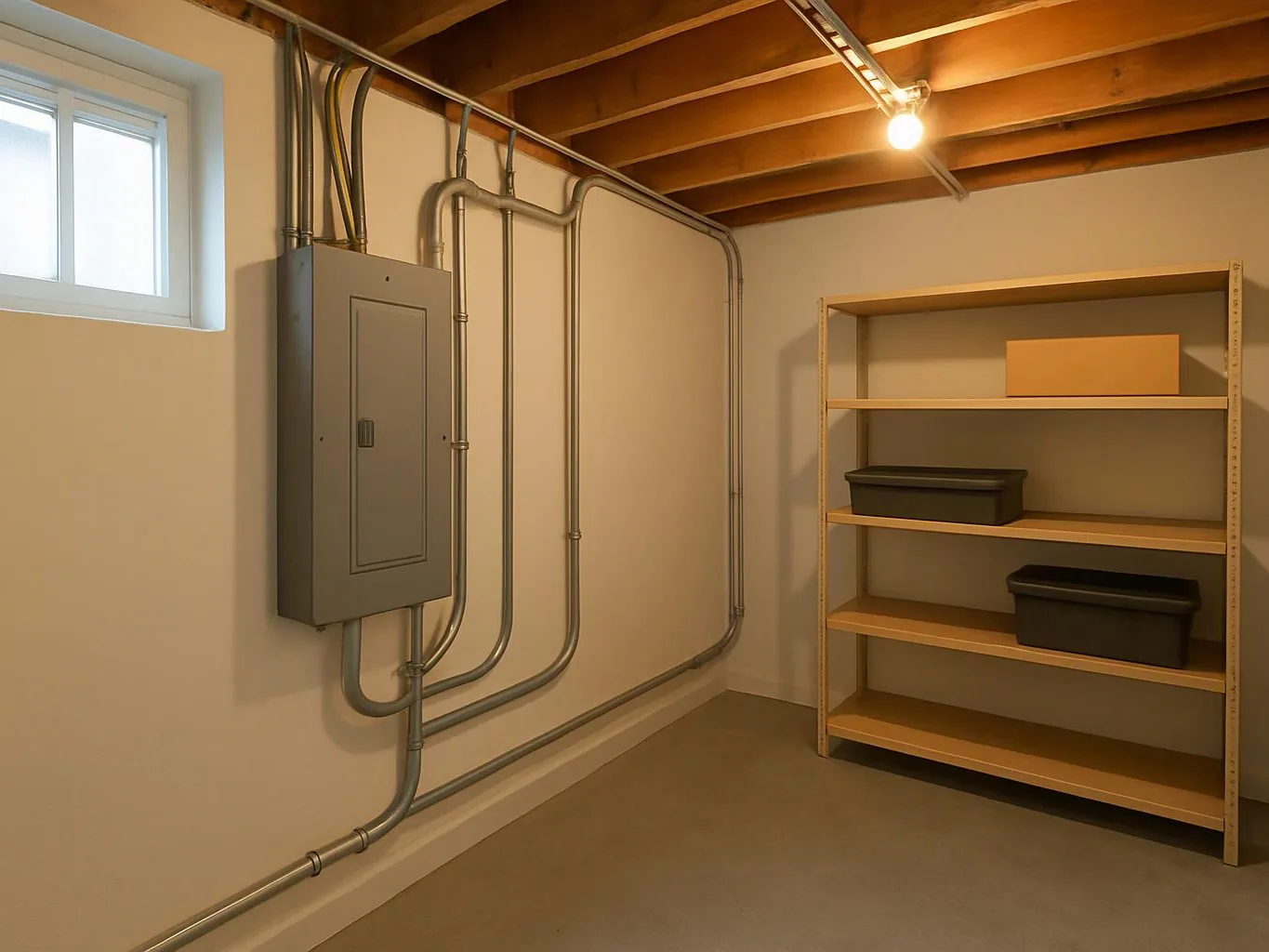
The electrical panel and the circuit it protects decide the work scope. Panel space, conductor condition, connected equipment, and access all affect the assessment. We inspect those points before quoting the job. A panel upgrade or circuit repair may fit better when the existing setup cannot safely support the demand.
Which material changes the replacement work?
The conductor material changes the replacement work when its condition or connection differs from standard copper wiring. We inspect the conductor, terminal, and insulation before securing the new breaker. Aluminum wiring, damaged insulation, or loose strands can require added repair. We explain any material concern before completing the circuit test.
When should I stop resetting a tripped breaker?
Stop resetting a breaker when it trips again, smells hot, buzzes, or shows heat damage. Repeated resets can leave an overload or wiring fault unresolved. Turn off connected equipment and keep clear of a damaged panel. We can isolate the circuit, inspect the cause, and determine whether replacement or repair fits.
Why does a new breaker still need a panel inspection?
A new breaker still needs a panel inspection because the surrounding connections and wiring can cause the same symptom. We check for heat marks, loose conductors, damaged insulation, and crowded connections. The inspection also confirms that the breaker sits correctly in the panel. That evidence guides any needed circuit or panel work.
What should I tell the electrician before an urgent call?
The affected circuit, warning signs, panel location, and recent equipment changes help us prepare for an urgent call. Mention smoke, burning smells, buzzing, sparks, or a warm panel first. Keep the panel accessible and avoid touching damaged parts. Photos can help explain the condition, but they do not replace an electrical inspection.