What areas are inspected during commercial electrical repair?
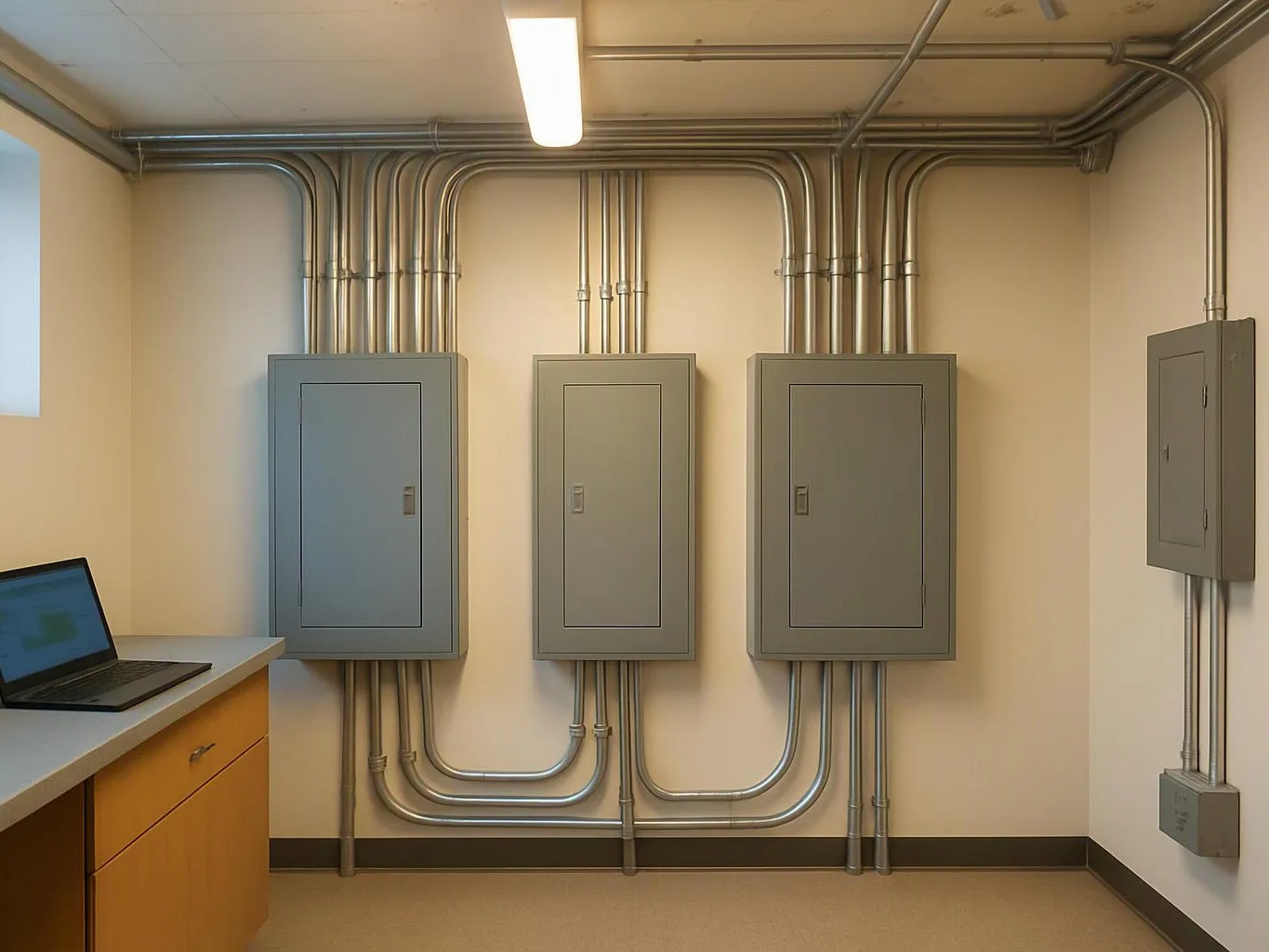
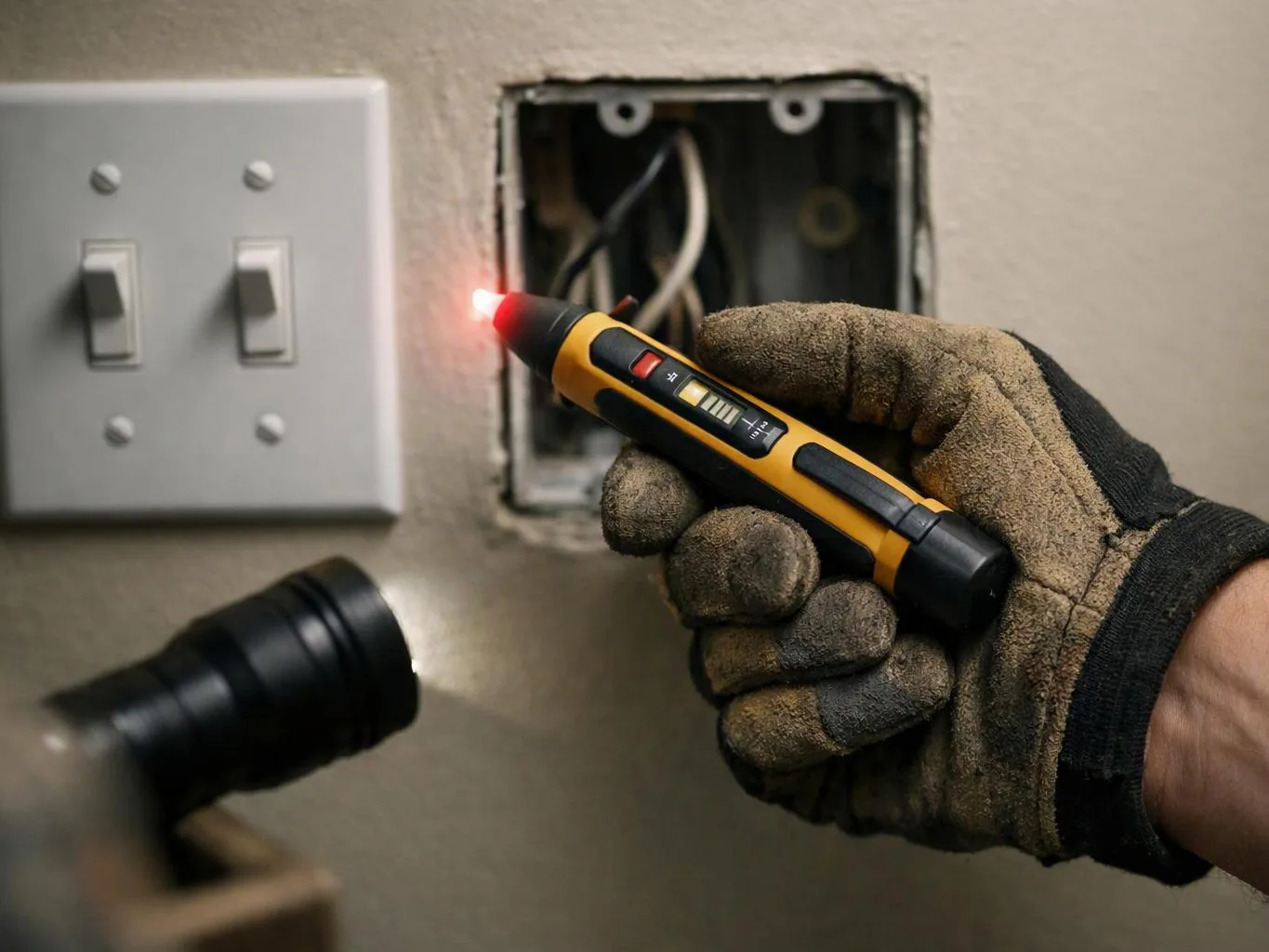
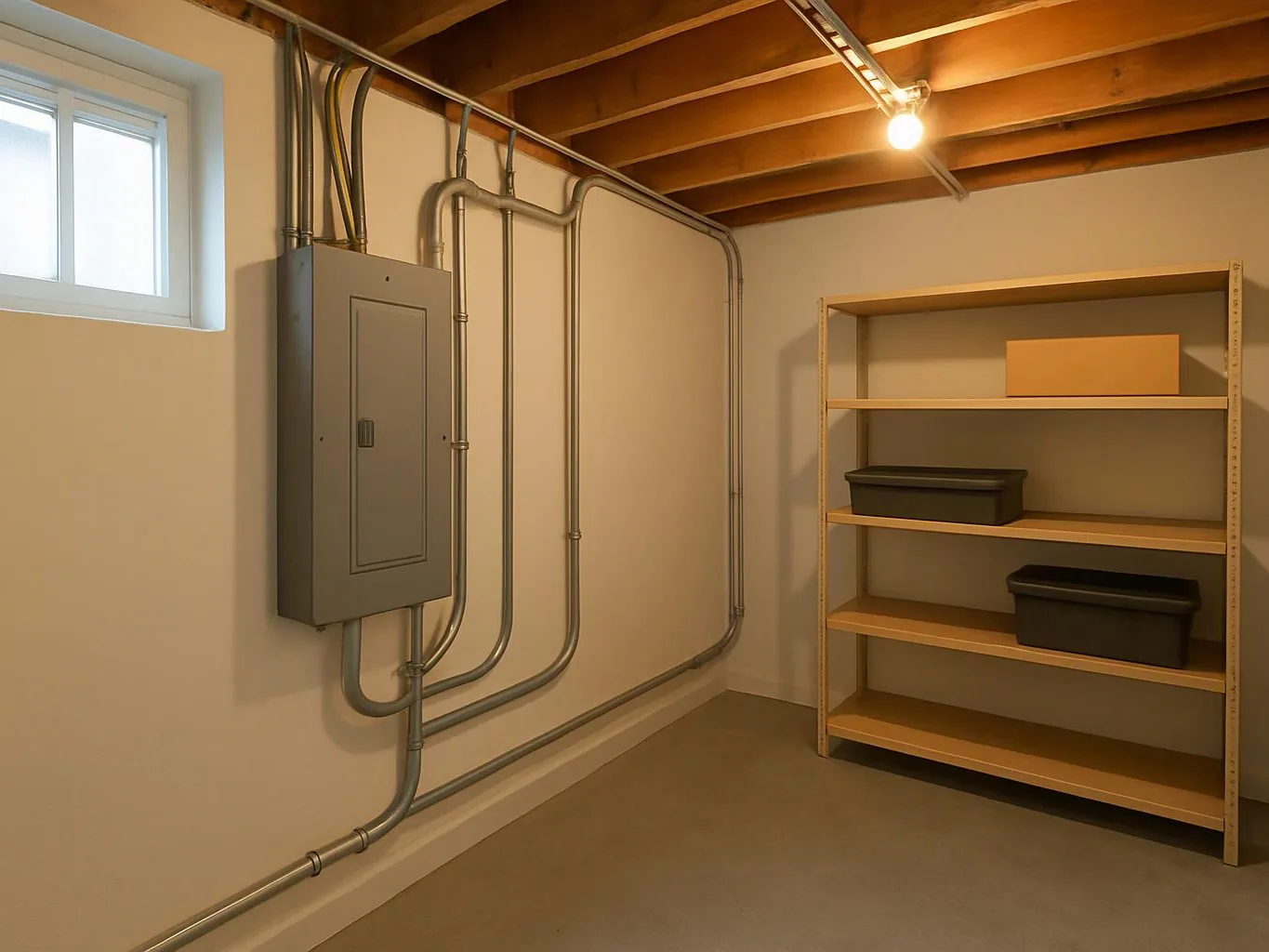
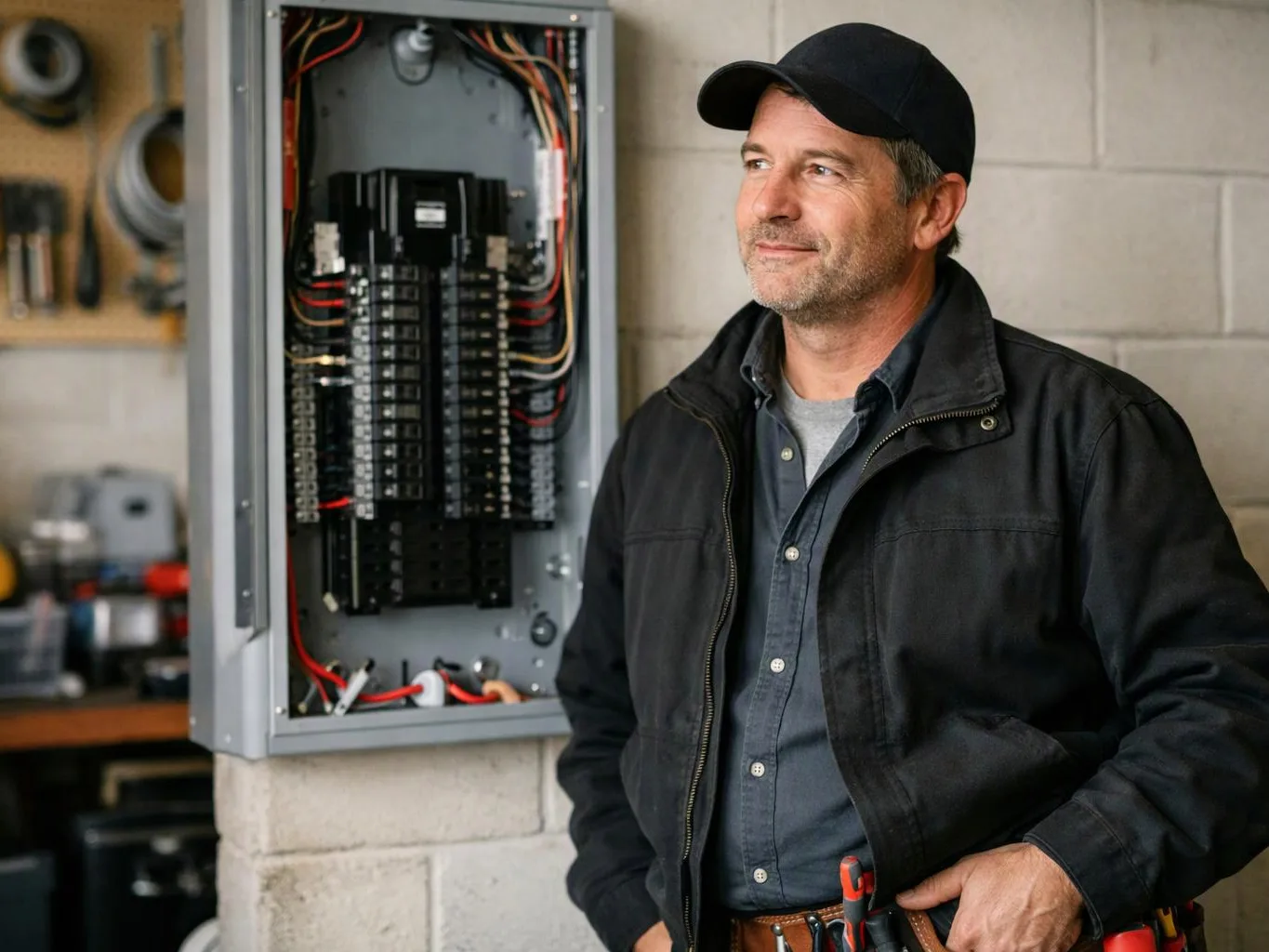
Control wiring is inspected along with the distribution panel, branch circuits, conduit systems, connections, outlets, and equipment tied to the fault. Electrician Pittsburgh traces the affected path, checks accessible parts, and tests the system after repair. The inspection focuses on the reported problem first, then expands when testing shows a related fault.
Which part of the property decides the repair scope?
The affected panel, circuit, equipment, and access path decide the repair scope. We check where power enters the site, which branch circuit feeds the problem, and whether connected equipment shares the fault. A locked electrical room or tenant space can also affect the inspection plan because we need safe access to test the system.
Which material changes how long the repair work takes?
The wiring material, conduit type, panel parts, and access conditions can change the work time. Copper conductors, older wiring, rigid conduit, and crowded panels each require different handling. We identify the material during inspection and explain whether the fault needs a local repair, part replacement, or wider circuit work.
How does a repair visit move from the first call to the last step?
A commercial repair visit moves from symptom review to inspection, fault tracing, scope approval, repair, and testing. We start with the affected equipment or circuit, then inspect the panel and accessible wiring. After the repair, we test the affected system and explain what was completed.
What should a business do before requesting an electrical assessment?
A business should identify the affected equipment, panel, outlet, breaker, and recent symptoms before requesting an assessment. Keep people away from sparking outlets, burning odors, damaged wiring, or hot panels. Share the site access details and any safe shutdown information so we can begin with the right area.
When should a business stop using the affected electrical area?
A business should stop using an area with smoke, burning odors, sparks, exposed conductors, or a hot panel. We treat those signs as urgent electrical hazards and inspect the affected system before use resumes. Staff should avoid damaged parts and follow the site’s emergency safety plan while waiting for electrical service.
Why does a commercial breaker keep tripping after a reset?
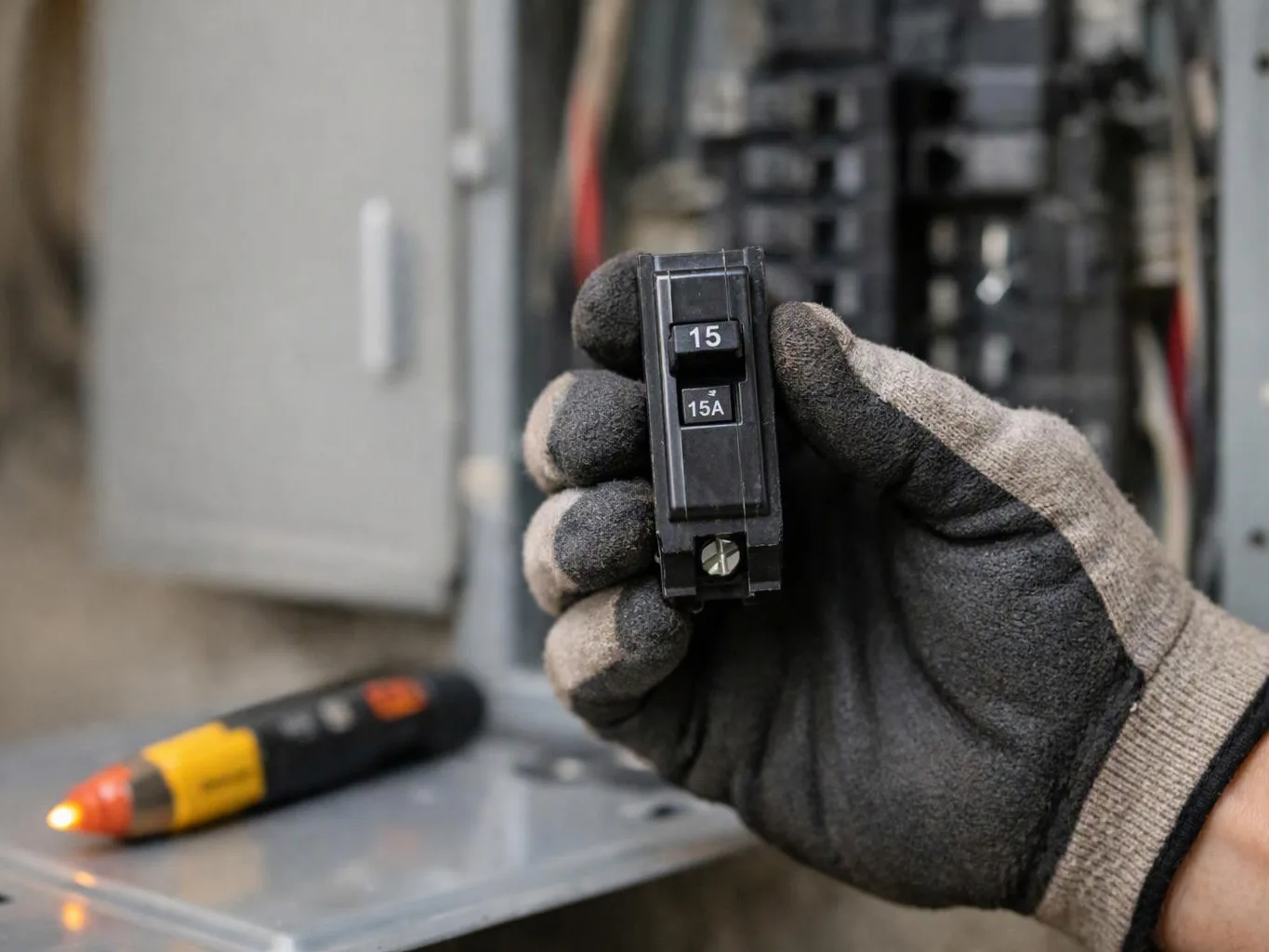
A breaker that keeps tripping can point to overload, a short, damaged wiring, or a faulty connected device. We inspect the breaker, trace the branch circuit, and check the connected load before resetting it again. Repeated resets can leave the underlying fault in place, so the circuit needs diagnosis.