What areas are inspected during commercial electrical repair?
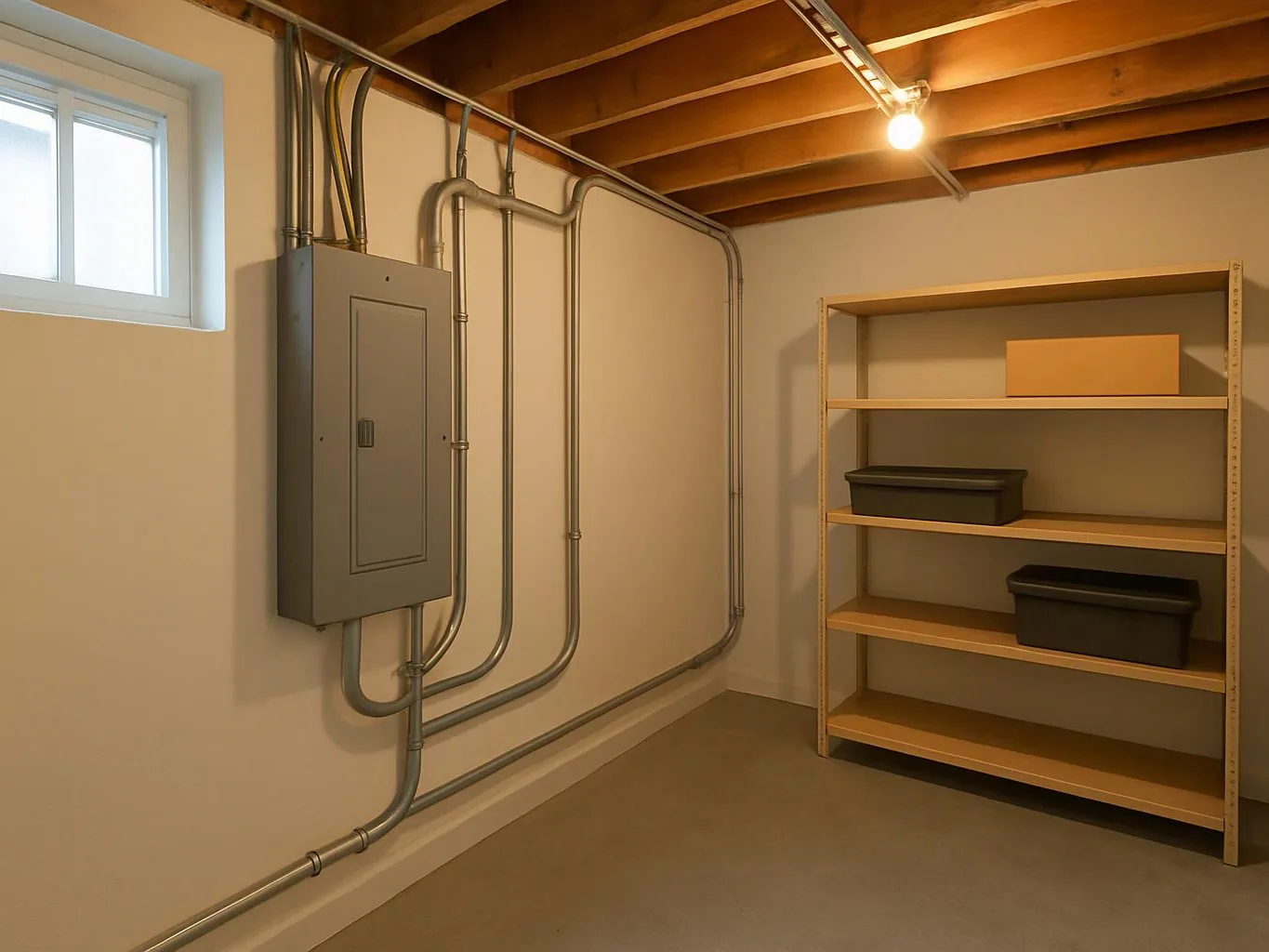
Conduit systems, distribution panels, branch circuits, and control wiring are inspected when they connect to the reported fault. We begin with the affected equipment or outlet, then trace power back through the circuit. The inspection also checks breakers, terminals, grounding, and visible wiring. That process helps define the repair without assuming the whole building needs work.
Which checks should happen before commercial electrical repair is scheduled?
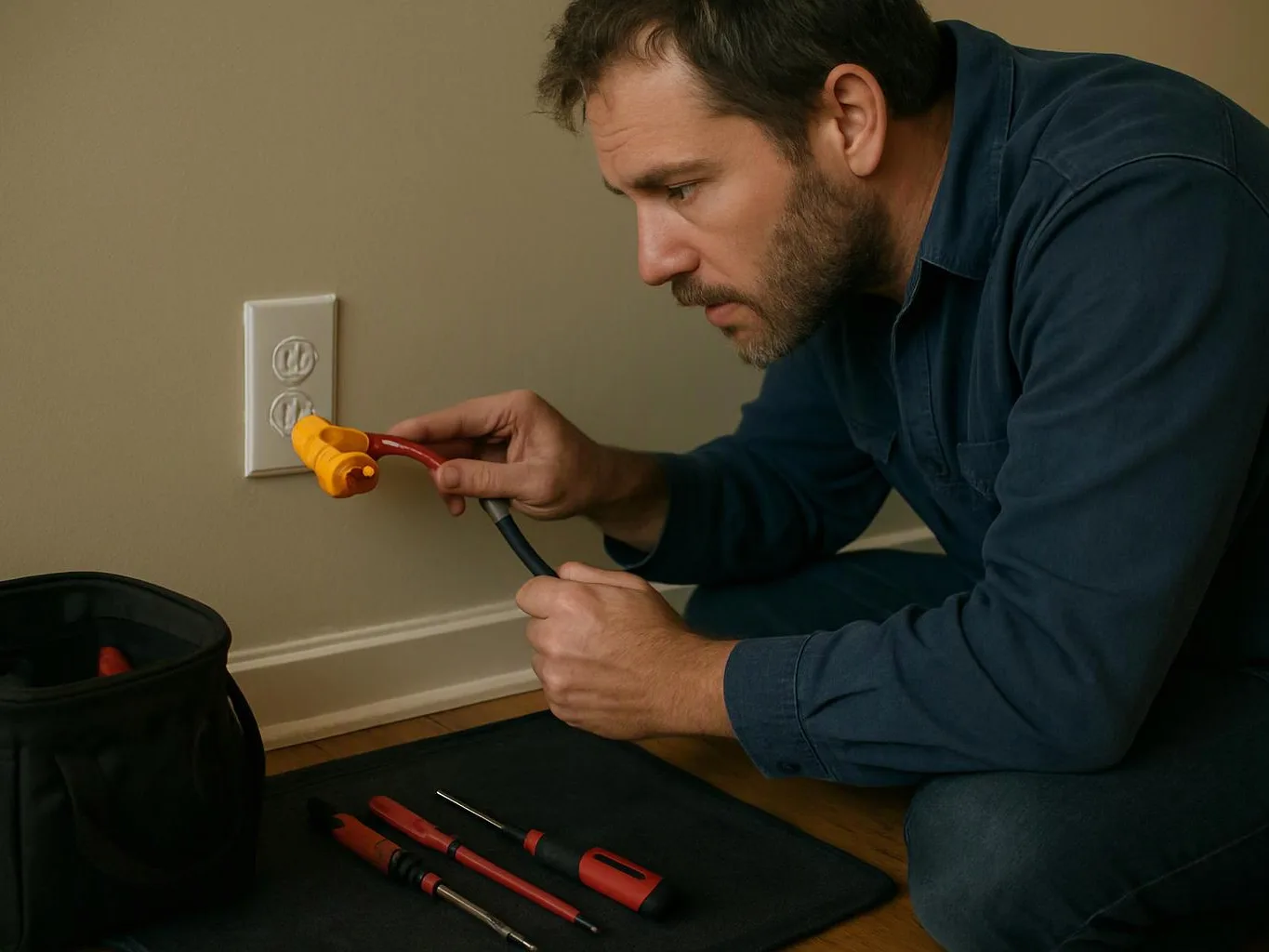
The affected equipment, warning signs, circuit location, and site access should be identified before scheduling. Photos can help show a panel label, damaged outlet, or visible wiring issue. We still inspect the system in person because a visible symptom may come from a hidden connection or upstream breaker.
Who is a good fit for commercial electrical repair, and who needs a different service?
Electrician Pittsburgh repairs existing electrical faults for businesses, property operators, and commercial tenants. A panel upgrade, new service entrance, EV charging installation, or full rewiring needs a separate project scope. We can explain when the reported fault points to one of those services.
Why does a breaker keep tripping after a commercial repair?
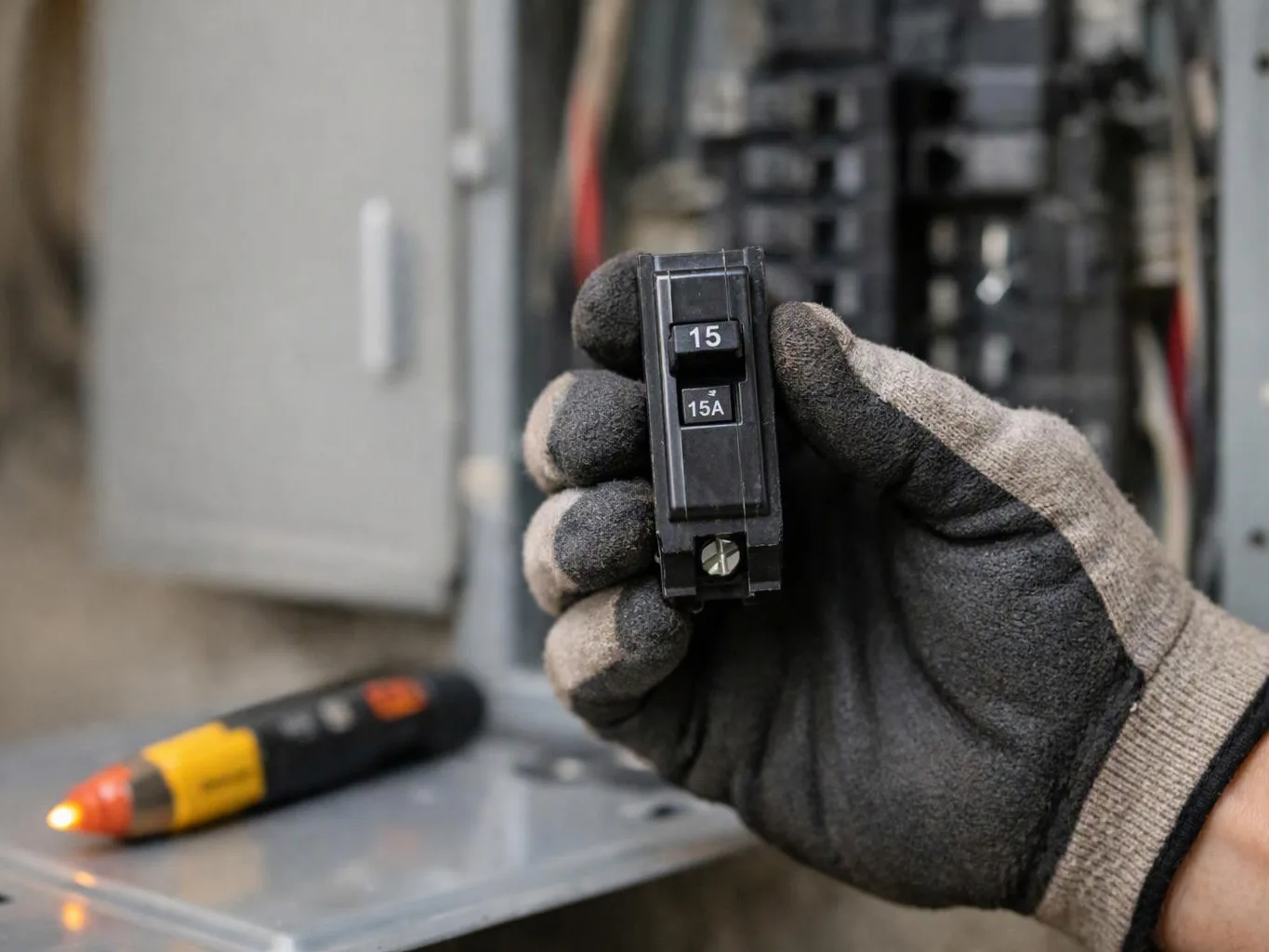
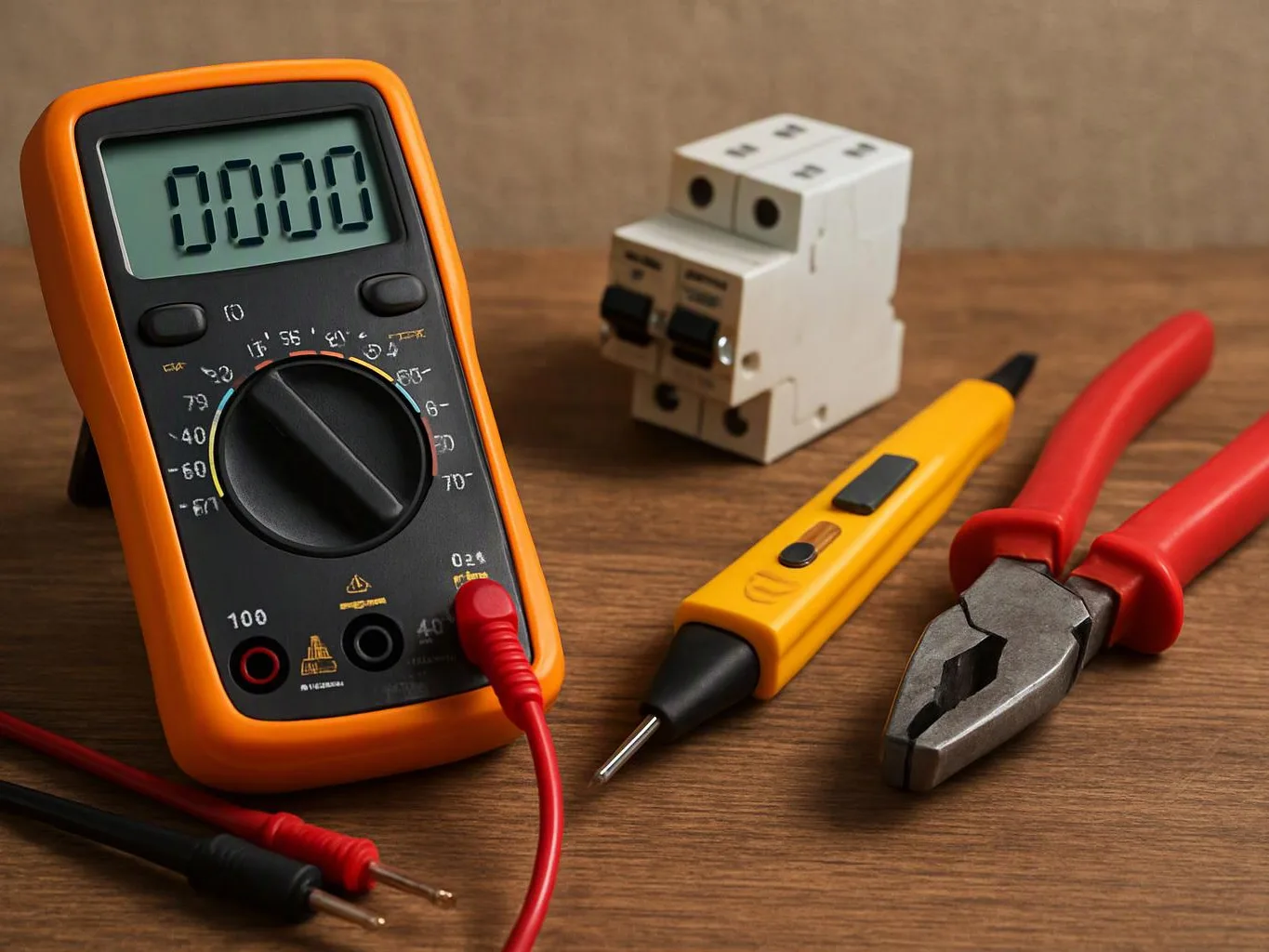
A breaker can keep tripping when the circuit remains overloaded, the breaker is damaged, or connected wiring has a fault. We test the breaker and trace the branch circuit before replacing parts. Equipment problems can also cause trips, so the connected load needs review when the circuit tests correctly.
How does circuit access change the repair work?
Circuit access changes the work because concealed wiring may require different inspection points and repair methods. We review panel access, device locations, equipment connections, and safe isolation needs. Commercial schedules may also affect how the work area is reached, especially when equipment must stay out of service during testing.
What changes the scope when a commercial panel needs repair?
Panel condition, breaker type, terminal damage, circuit loading, and wiring access change the repair scope. We inspect the panel and connected circuits before deciding between a part replacement and a larger upgrade. The estimate explains the work needed for the reported fault and any separate capacity concern.
When should a business stop using an affected circuit?
A business should stop using a circuit that smells hot, sparks, buzzes, or shows heat at an outlet or panel. We treat those signs as urgent because damaged connections can create a fire risk. Shut off the affected equipment if safe, keep people away from the area, and request emergency electrical service.