What appliances commonly require dedicated circuits?
Clothes dryers, electric ranges, water heaters, and air conditioners commonly require dedicated circuits. The appliance load, panel capacity, and equipment instructions guide the final decision. We check the existing circuit before recommending new wiring. A shared outlet circuit may not provide the capacity or separation that high-demand equipment needs.
How can I tell whether a dedicated circuit fits my property?
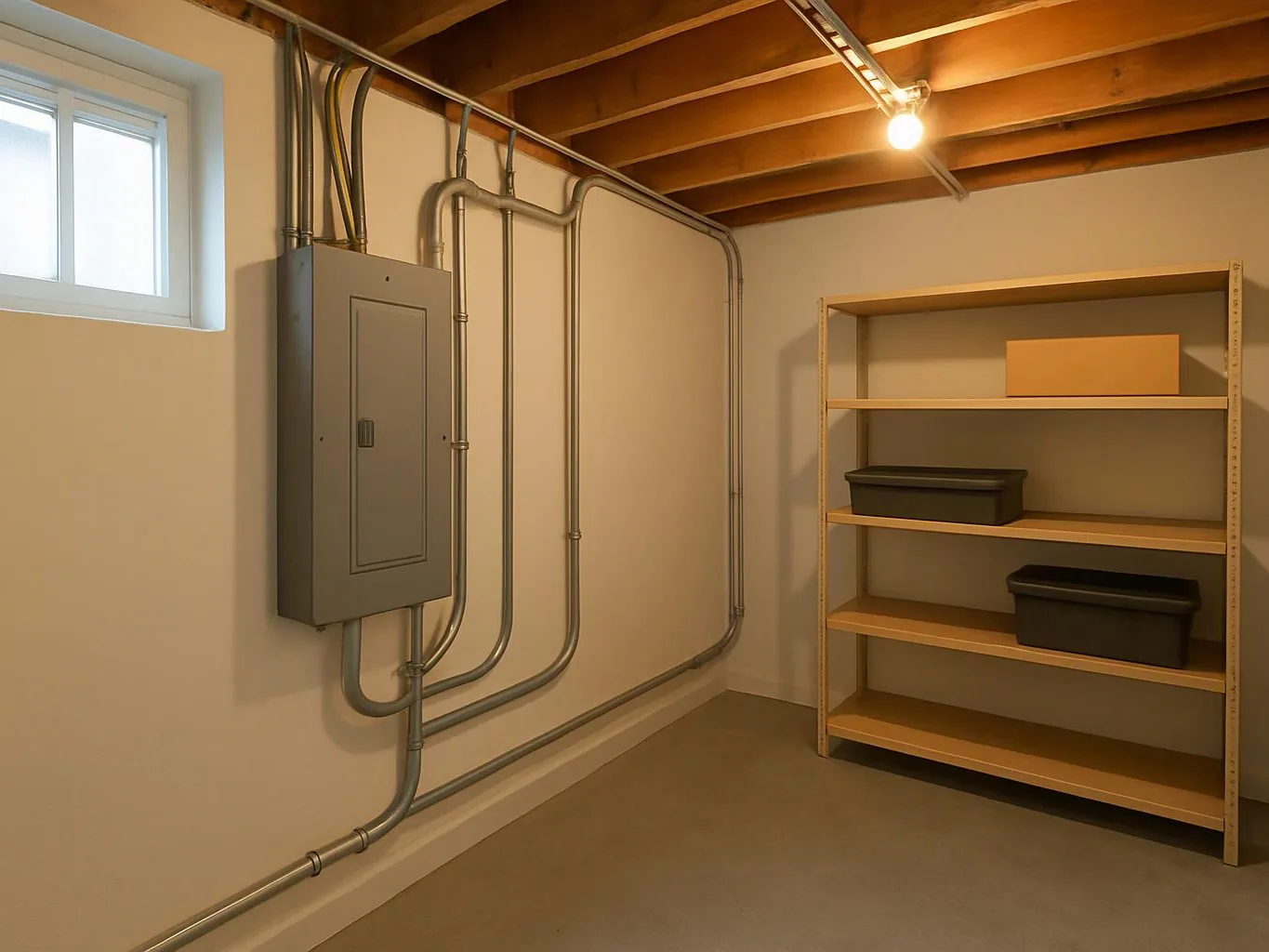
A dedicated circuit fits when one appliance needs a separate branch circuit and the panel can support its load. The panel, service equipment, breaker spaces, wiring route, and appliance connection decide the fit. We inspect those points and explain whether circuit installation, a panel upgrade, or another repair best matches the property.
Which part of the property decides the installation scope?
The panel location and the wiring route usually decide the installation scope. Finished walls, ceilings, crawl spaces, equipment rooms, and the appliance position affect access and cable routing. We inspect the path before preparing an estimate. That review also identifies circuit tracing or panel work that may be needed.
Which material changes how long the work takes?
The wiring path material can change the work time because finished drywall, masonry, and open framing offer different access. We inspect the route before setting the scope. Existing cable condition, panel access, and the need for a new breaker also affect the work. We explain those factors before installation begins.
Why does an appliance keep tripping its breaker?
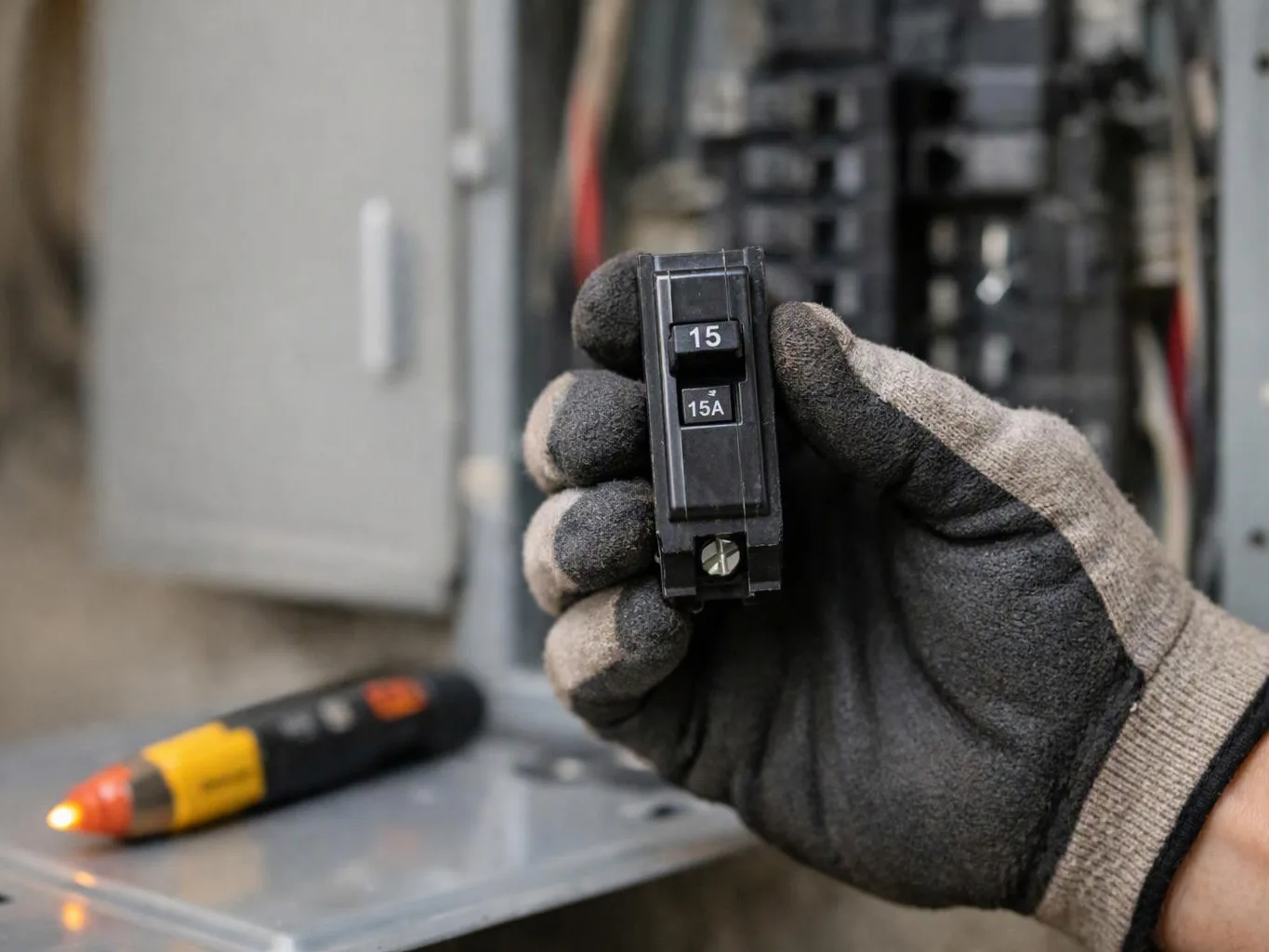
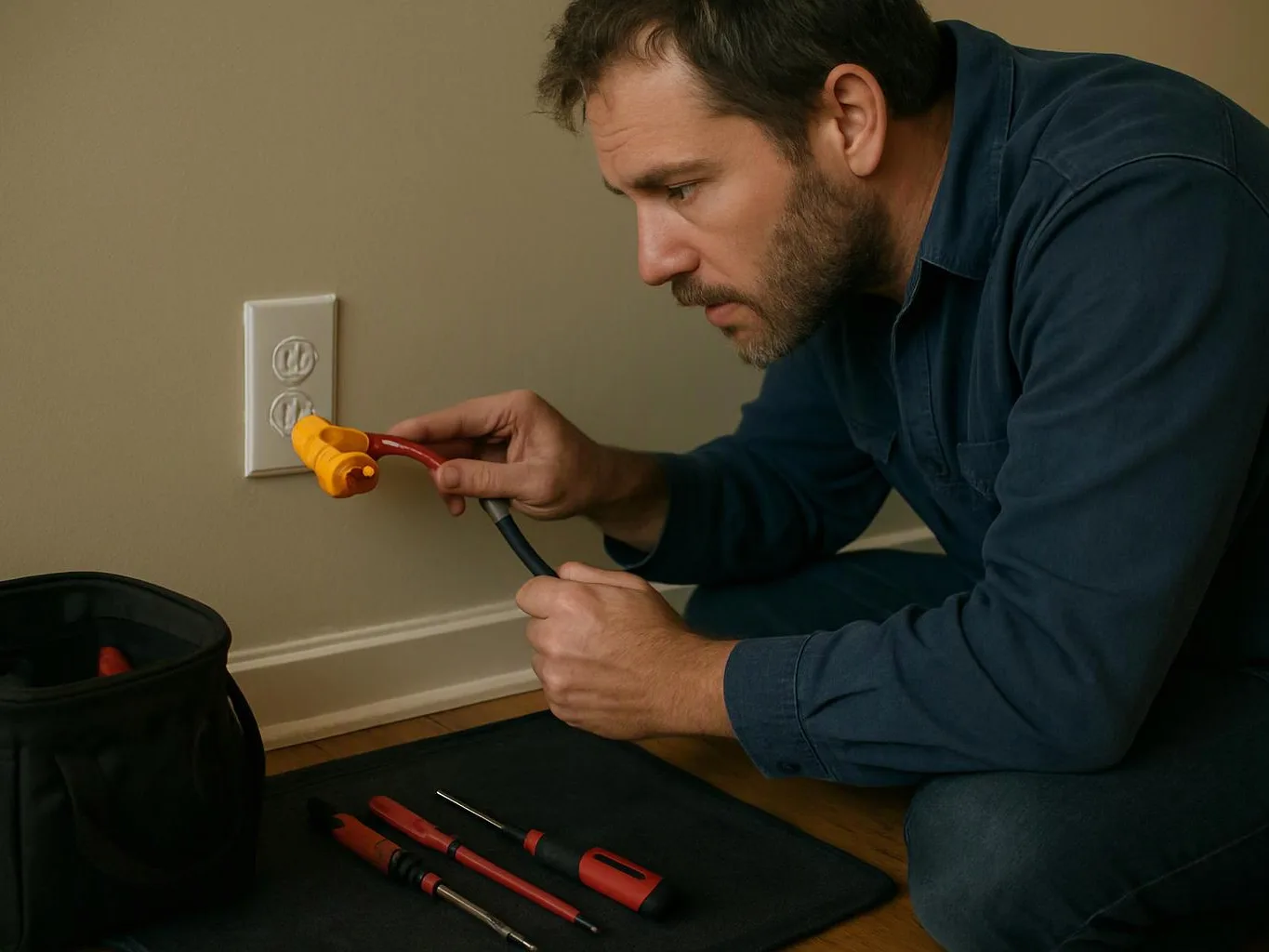
An appliance may trip its breaker because of excess circuit load, damaged wiring, a weak breaker, or an equipment fault. We isolate the circuit and inspect the panel, cable, outlet, and appliance connection. Stop using the circuit if you notice heat, sparking, or a burning smell, then request an electrical assessment.
What does the first assessment check?
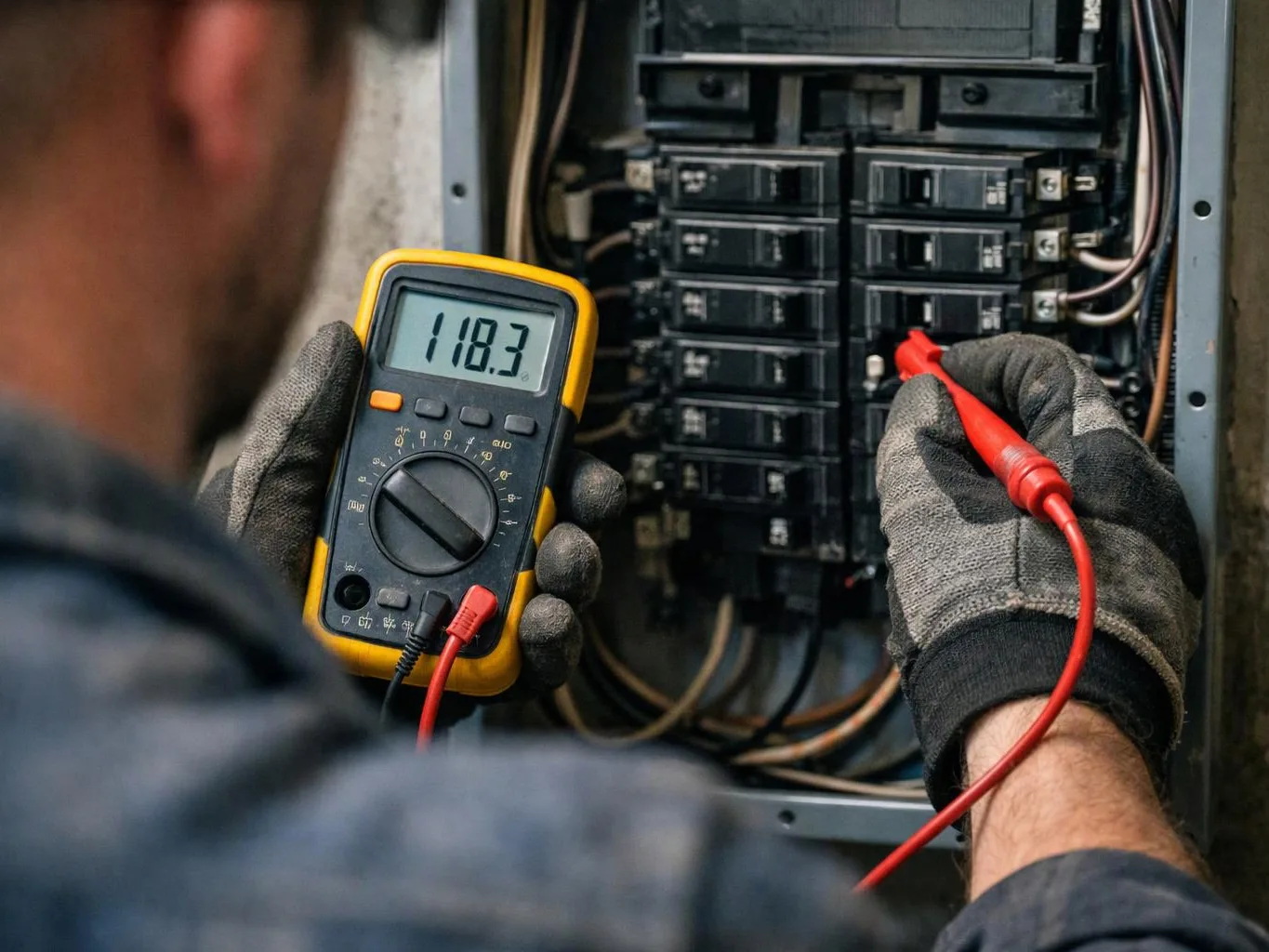
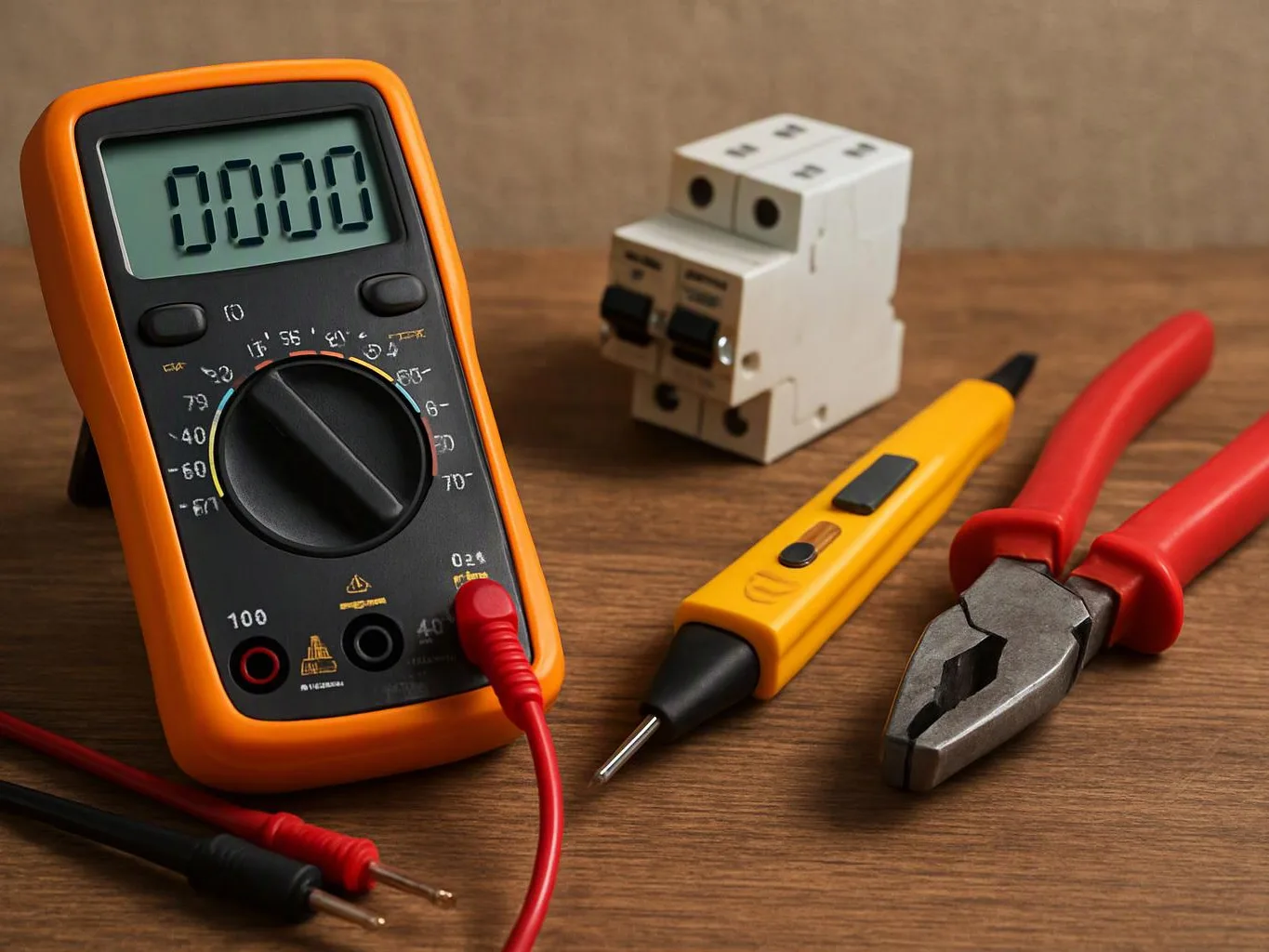
The first assessment checks the appliance load, panel capacity, breaker space, wiring route, grounding, and connection point. We use those findings to define the installation scope. Photos can help explain access, but our team still needs to inspect the electrical system before giving a final estimate.