How is an electrical panel repaired safely?
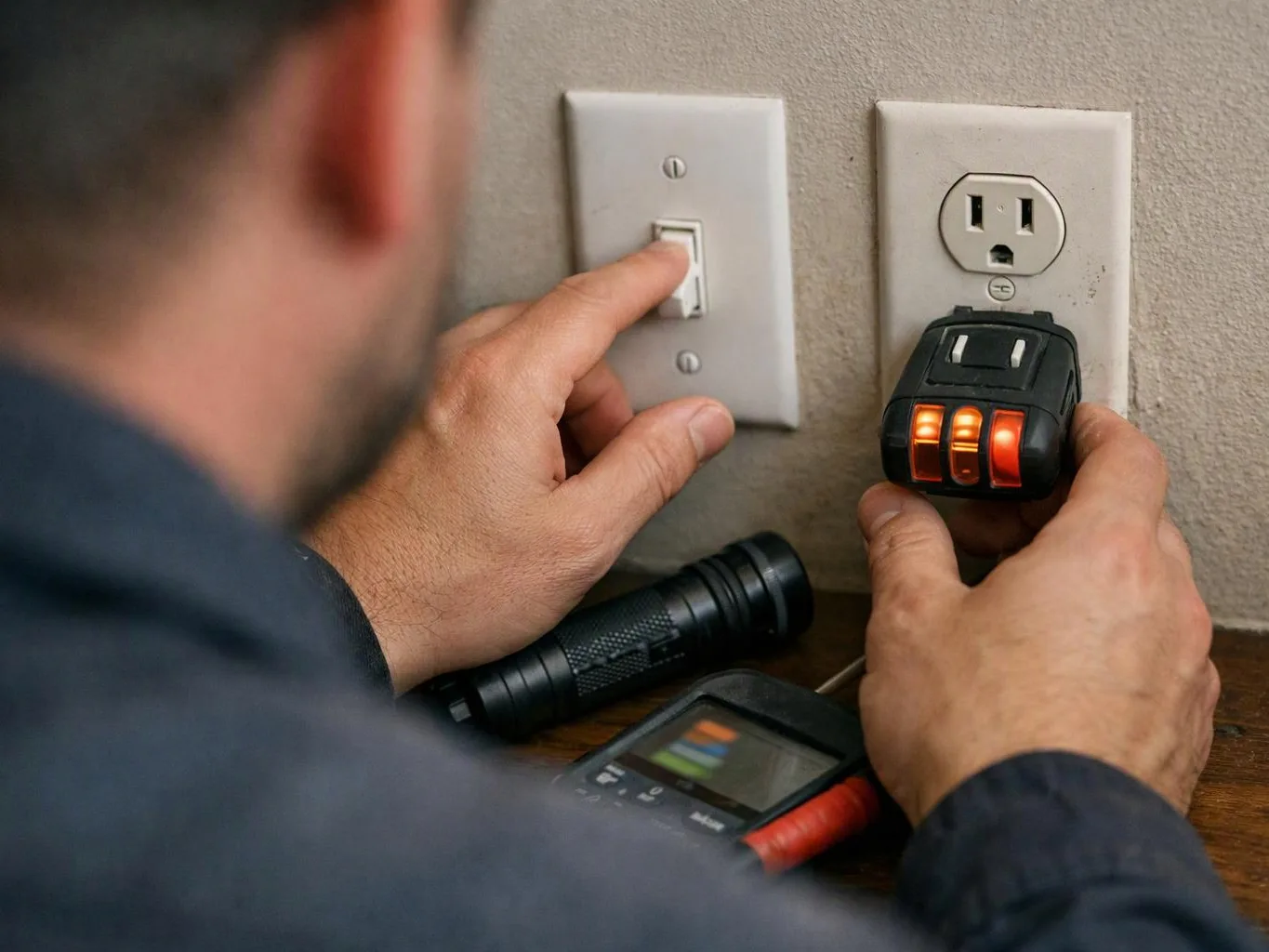
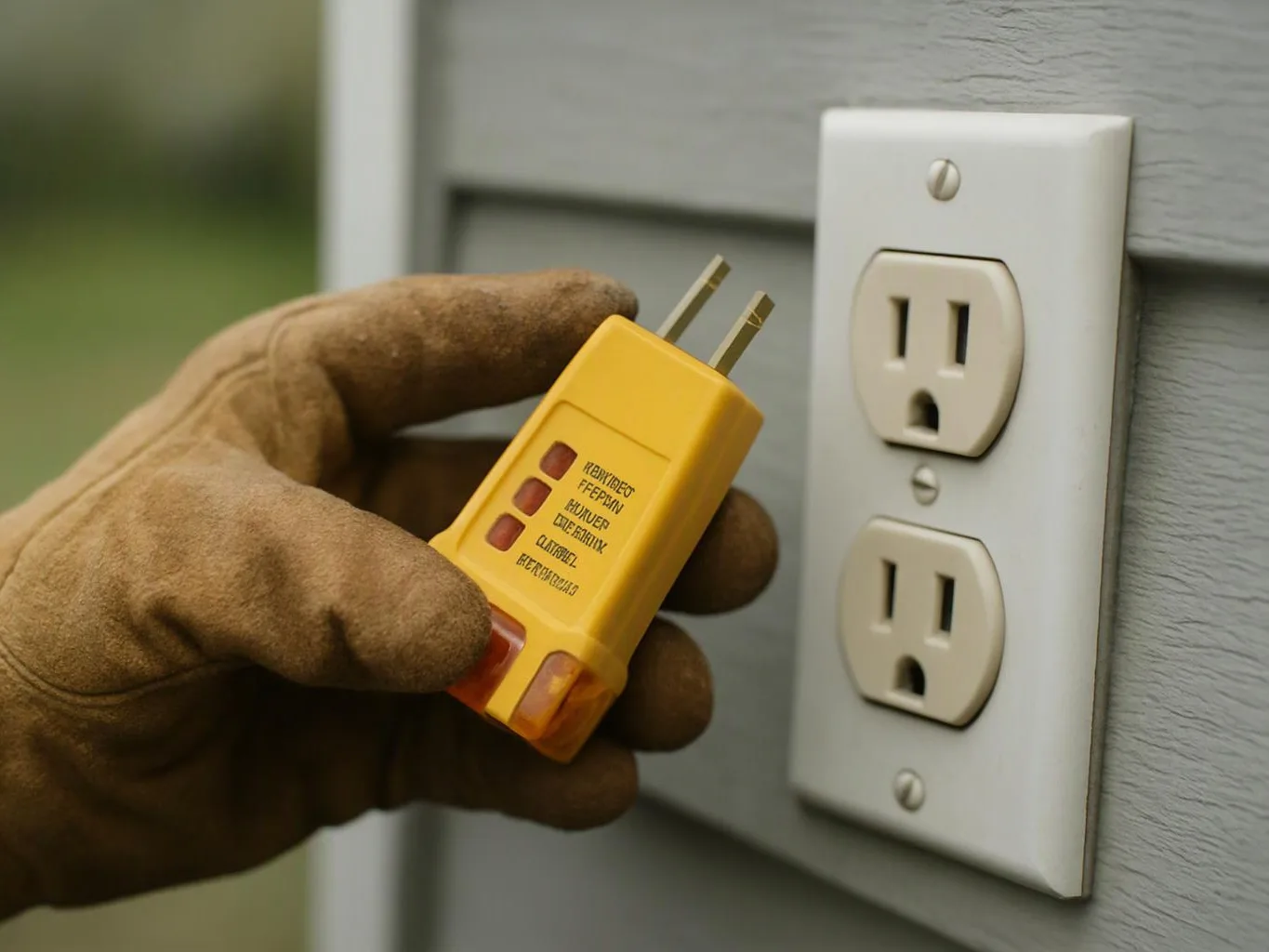
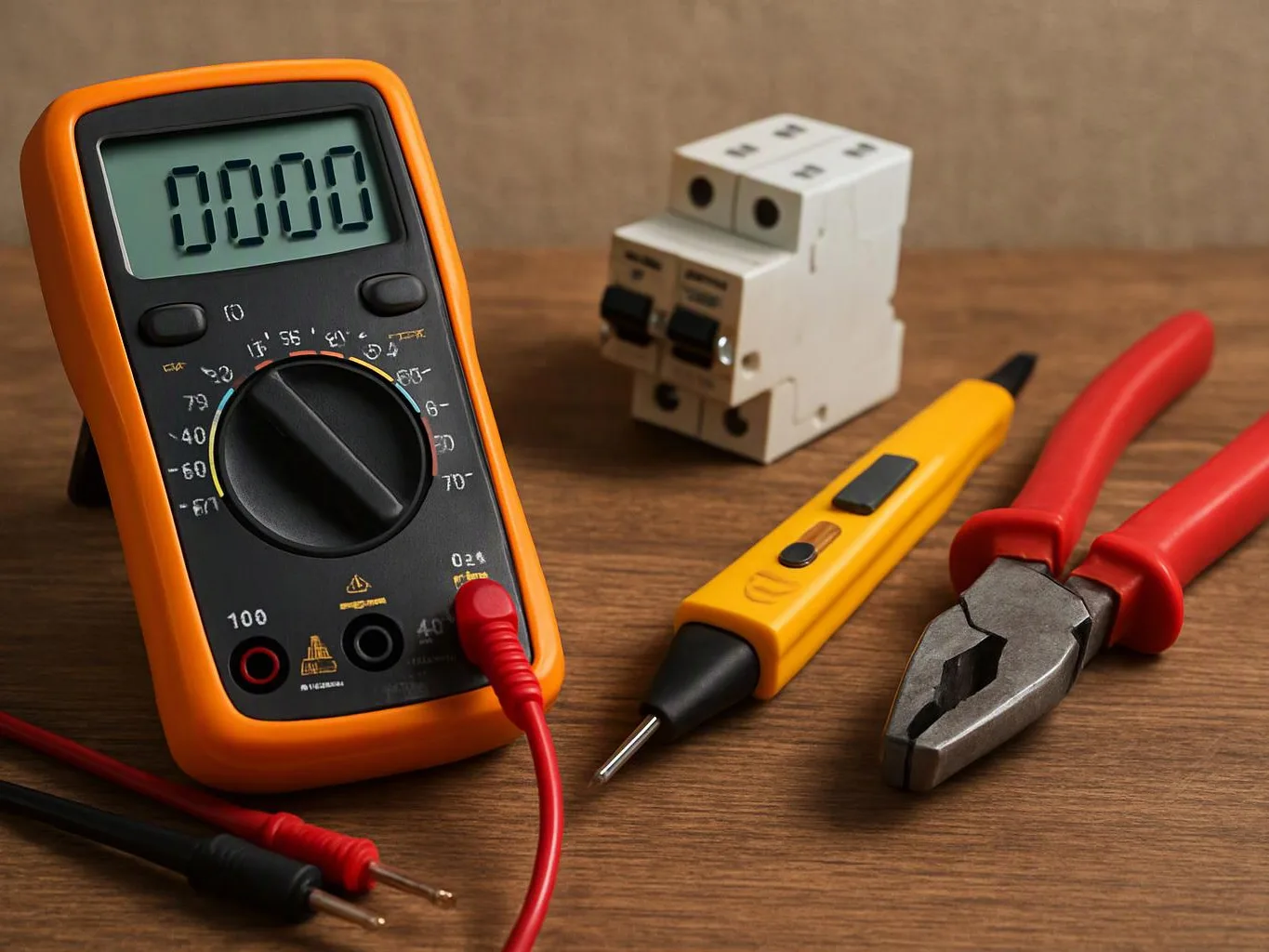
Breaker testing comes first, followed by power isolation and a controlled panel inspection. We check terminals, breaker contact, busbar condition, and circuit wiring before making a repair. Torque verification confirms accessible connections are tight, and testing follows the repair. Electrician Pittsburgh explains the findings before work begins.
What should be checked before panel repair is scheduled?
The reported symptom, affected breaker, panel condition, and circuit access should be checked first. Note any buzzing, heat, burning smell, flickering, or dead outlets. We use those details to plan the inspection and decide whether the job involves a breaker, connection, circuit, or panel upgrade.
Who is a good fit for electrical panel repair?
Homeowners and businesses with a repairable panel fault are good fits for this service. A property needing more capacity, broad rewiring, or full panel replacement needs a different scope. We inspect the equipment and explain that choice before setting the work.
What happens at each stage of panel repair?
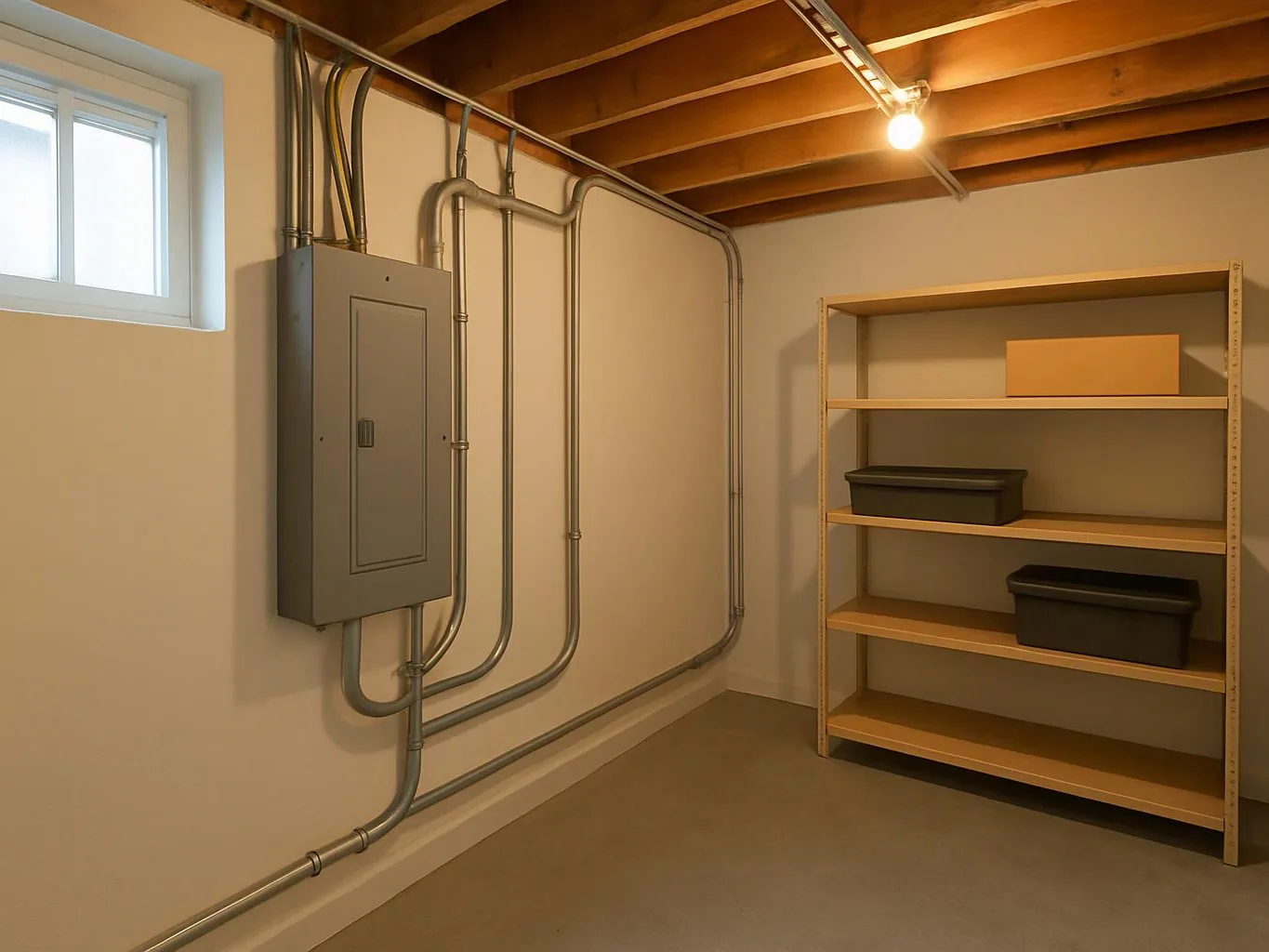
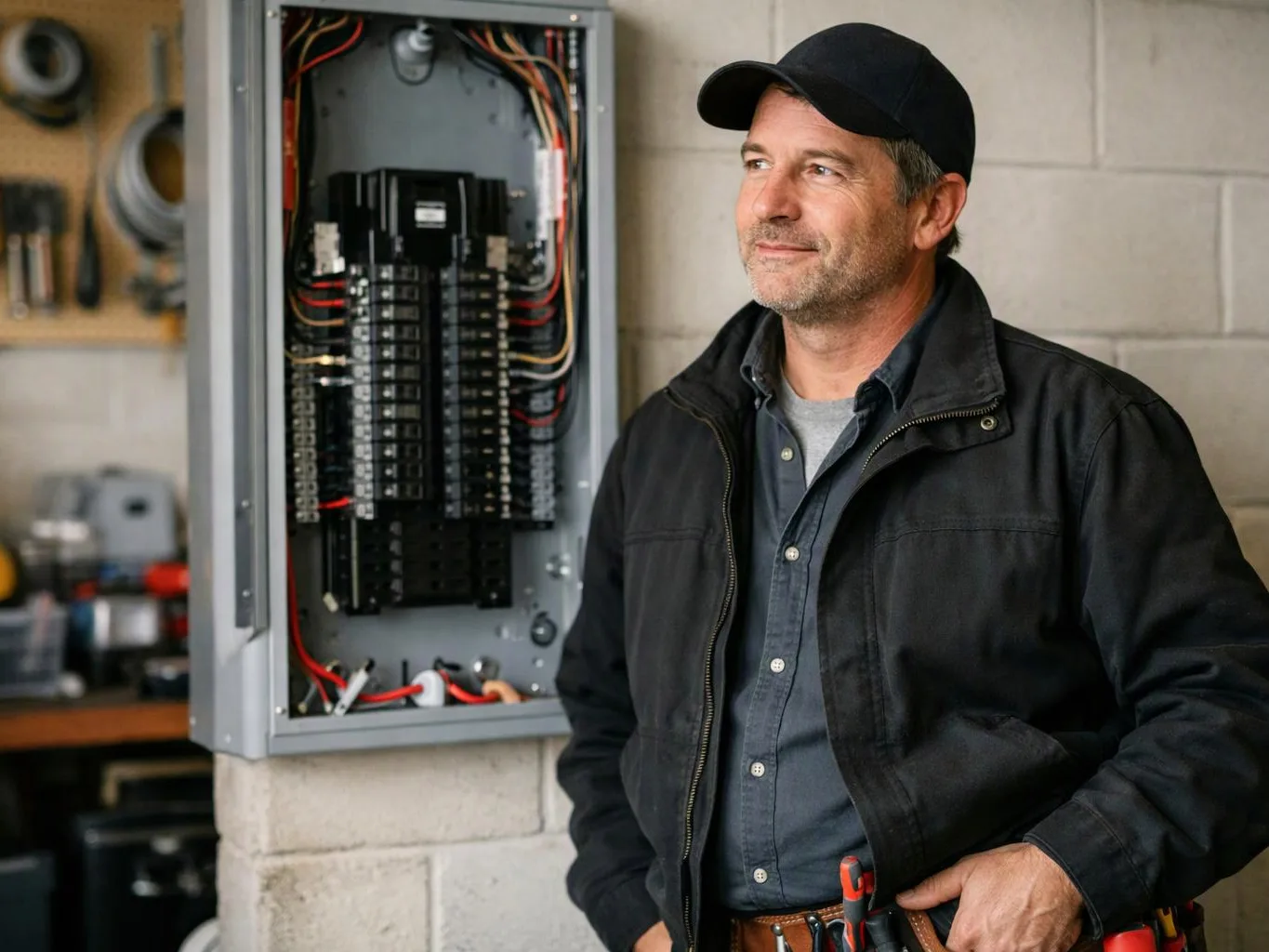
The work follows inspection, power isolation, component checks, repair planning, and testing. We first identify the affected circuit, then inspect terminals, breakers, and the busbar. After the repair, we verify operation and explain any remaining concern.
Which panel parts can cause repeated breaker trips?
A worn breaker, loose terminal, damaged busbar, overloaded circuit, or wiring fault can cause repeated trips. We test the affected circuit and inspect the panel before choosing a repair. Repeated resets can hide the cause, so leave the breaker off when the problem continues.
When should I stop resetting a tripped breaker?
Stop resetting a breaker when it trips again, the panel buzzes, or you notice heat or a burning smell. We can inspect the breaker, circuit, and panel connections to find the fault. Keep people away from damaged parts and request urgent electrical service when a fire risk may exist.
Why might a breaker need replacement instead of tightening?
A breaker needs replacement when its contacts fail, its casing is damaged, or heat has affected its operation. Tightening cannot correct a failed breaker or damaged busbar. We check the panel parts and explain whether replacement, circuit repair, or a larger upgrade fits the condition.