How is an electrical panel repaired safely?
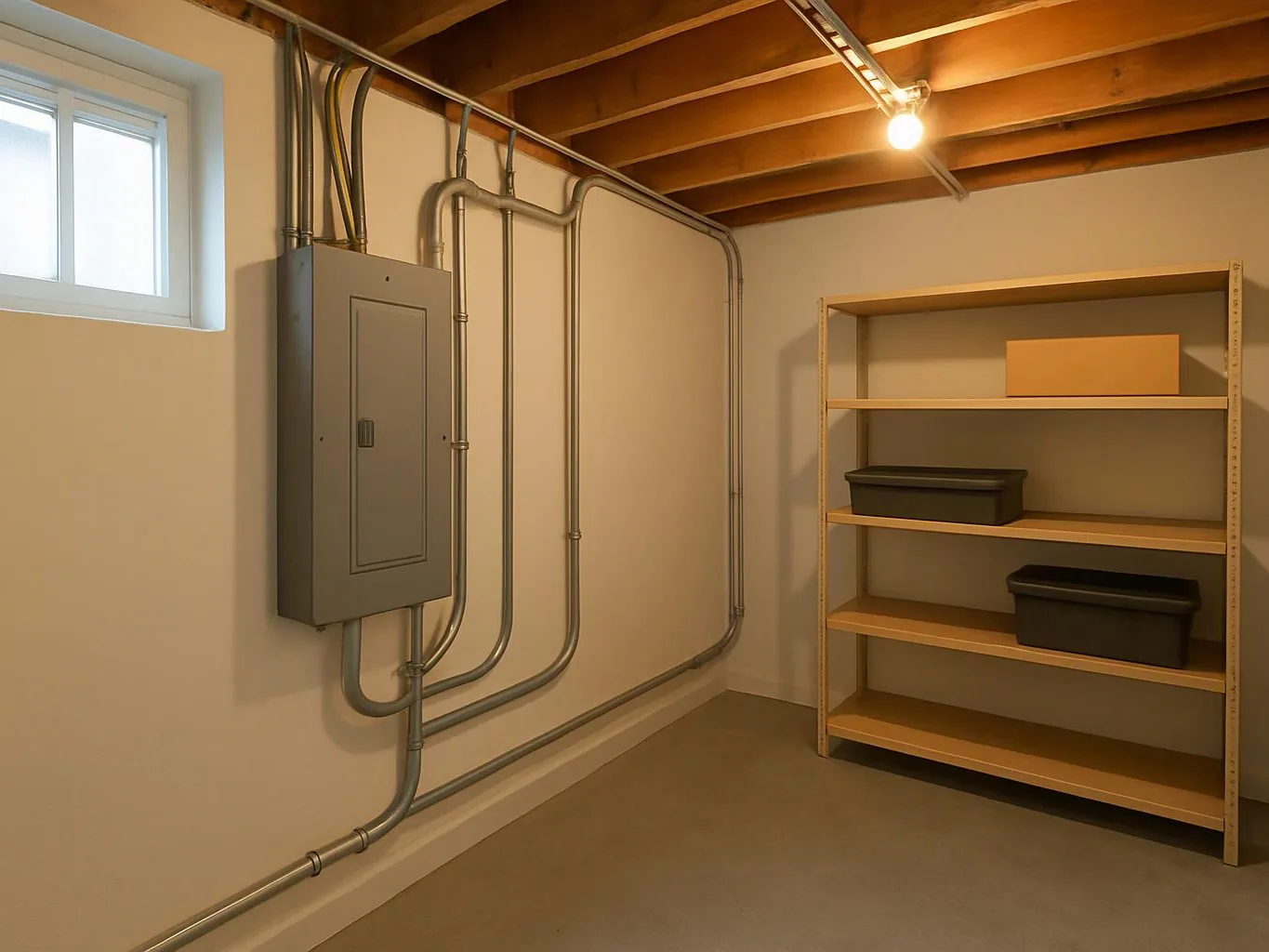
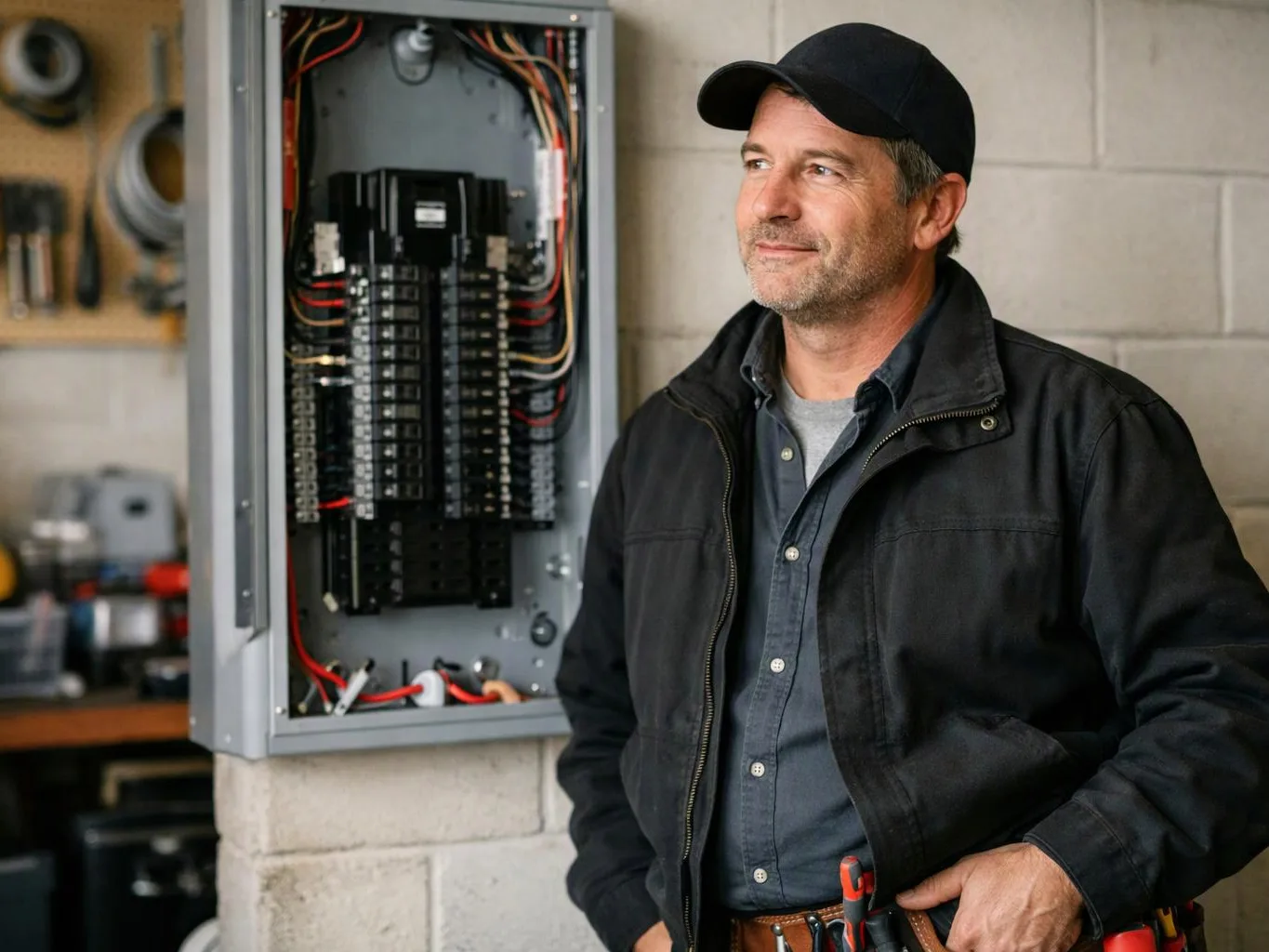
Breaker testing starts only after power isolation and a panel safety check. We inspect the breaker, terminals, busbar, and connected wiring before tightening or replacing suitable parts. Torque verification and circuit testing follow the repair. Electrician Pittsburgh explains the result and any added work the panel may need.
What does the crew look at first during panel repair?
The first check covers the reported symptom, affected breaker, panel condition, and signs of heat or arcing. We also check whether the fault reaches connected wiring. That first inspection helps us separate a contained panel repair from a circuit, grounding, or service entrance issue.
Who is a good fit for electrical panel repair?
Electrical panel repair suits a property with a contained breaker, terminal, busbar, or connection fault. Electrician Pittsburgh repairs those issues after testing the affected circuit. A panel upgrade, rewiring project, or service entrance upgrade is a better fit when the system needs more capacity or broader correction.
What happens at each stage of panel repair?
Panel repair moves from diagnosis to isolation, inspection, correction, and testing. We identify the circuit, control power, inspect the panel parts, tighten or replace suitable components, and verify the circuit. You receive an explanation of the completed scope and any related concern we found.
Which panel problem changes the repair scope most?
A damaged busbar, failed breaker, or fault that extends into wiring can change the repair scope most. We check each point before quoting the work. A contained connection issue may need panel repair, while wider damage can call for rewiring, grounding correction, or a service entrance review.
When should I stop resetting a tripped breaker?
Stop resetting a breaker when it trips again, feels hot, buzzes, or connects to a burning smell. Repeated resets don't diagnose the fault and can leave a damaged circuit in use. Turn off affected equipment and arrange an electrical assessment before using that circuit again.
Why does terminal tightening matter in a panel?
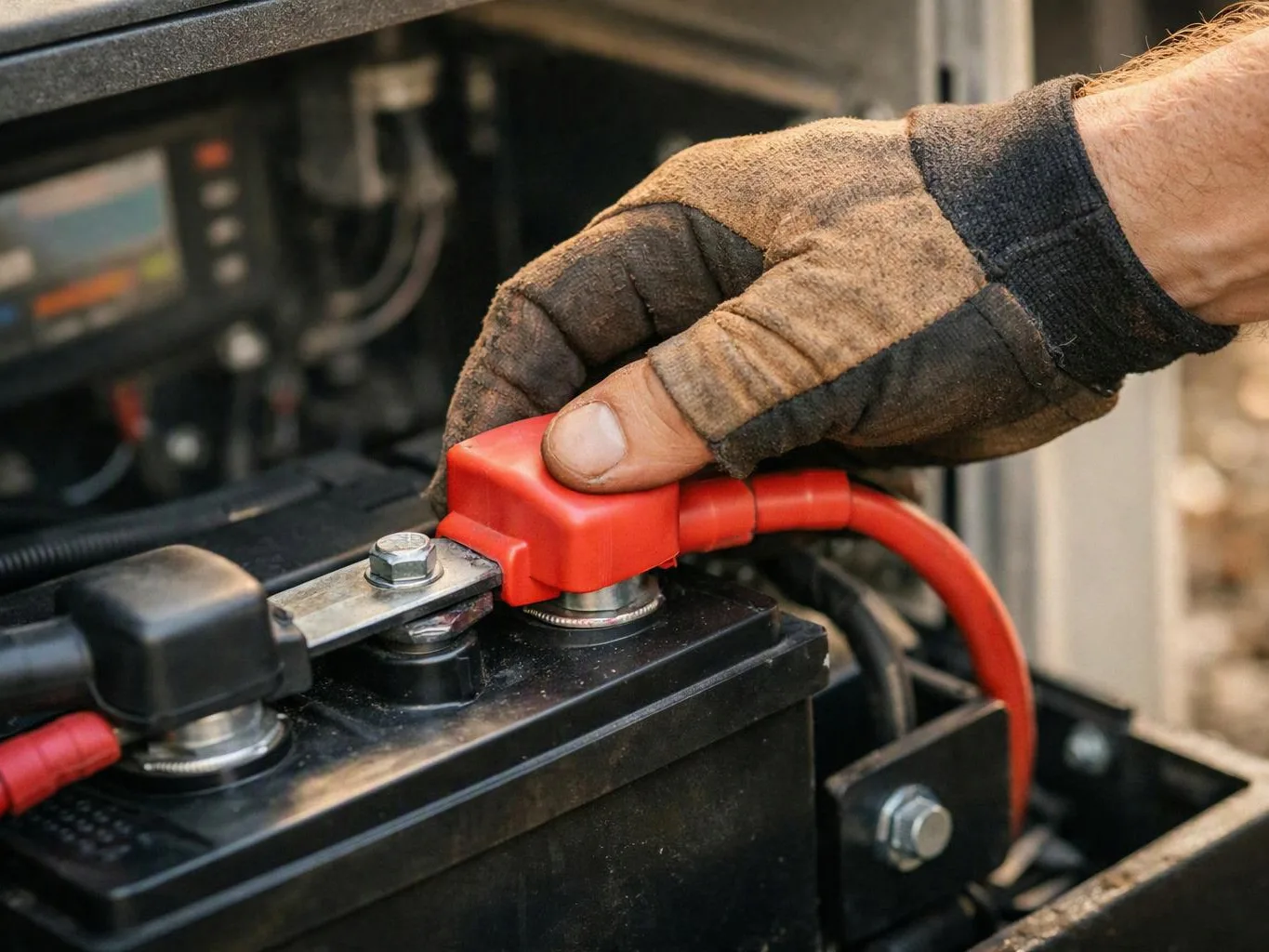
Terminal tightening matters because a loose connection can create heat, arcing, or an unstable circuit. We inspect the conductor and terminal before tightening it. Torque verification confirms the connection is set correctly for the panel component, and testing checks the circuit after the repair.