How do electricians find an electrical fault?
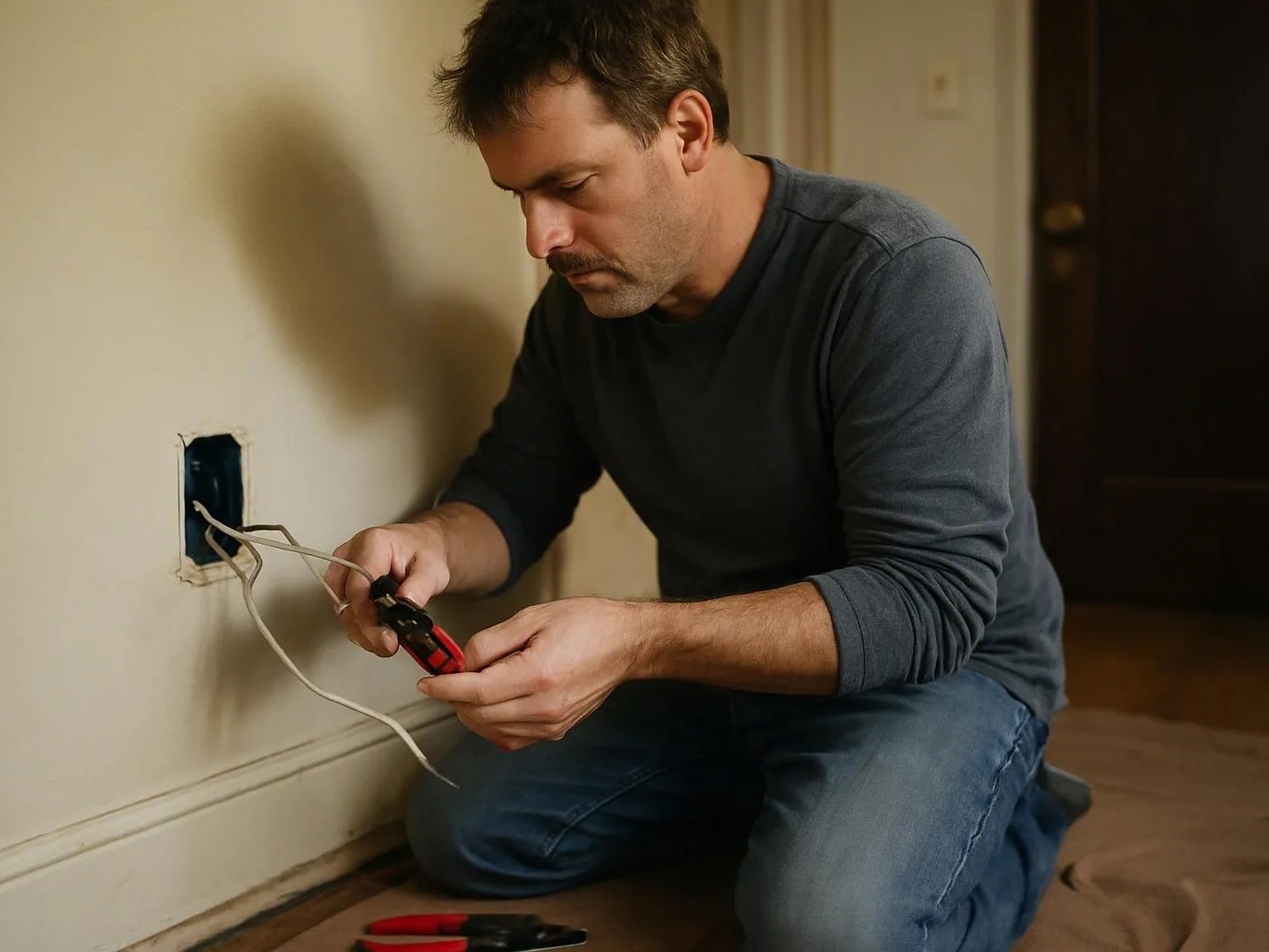
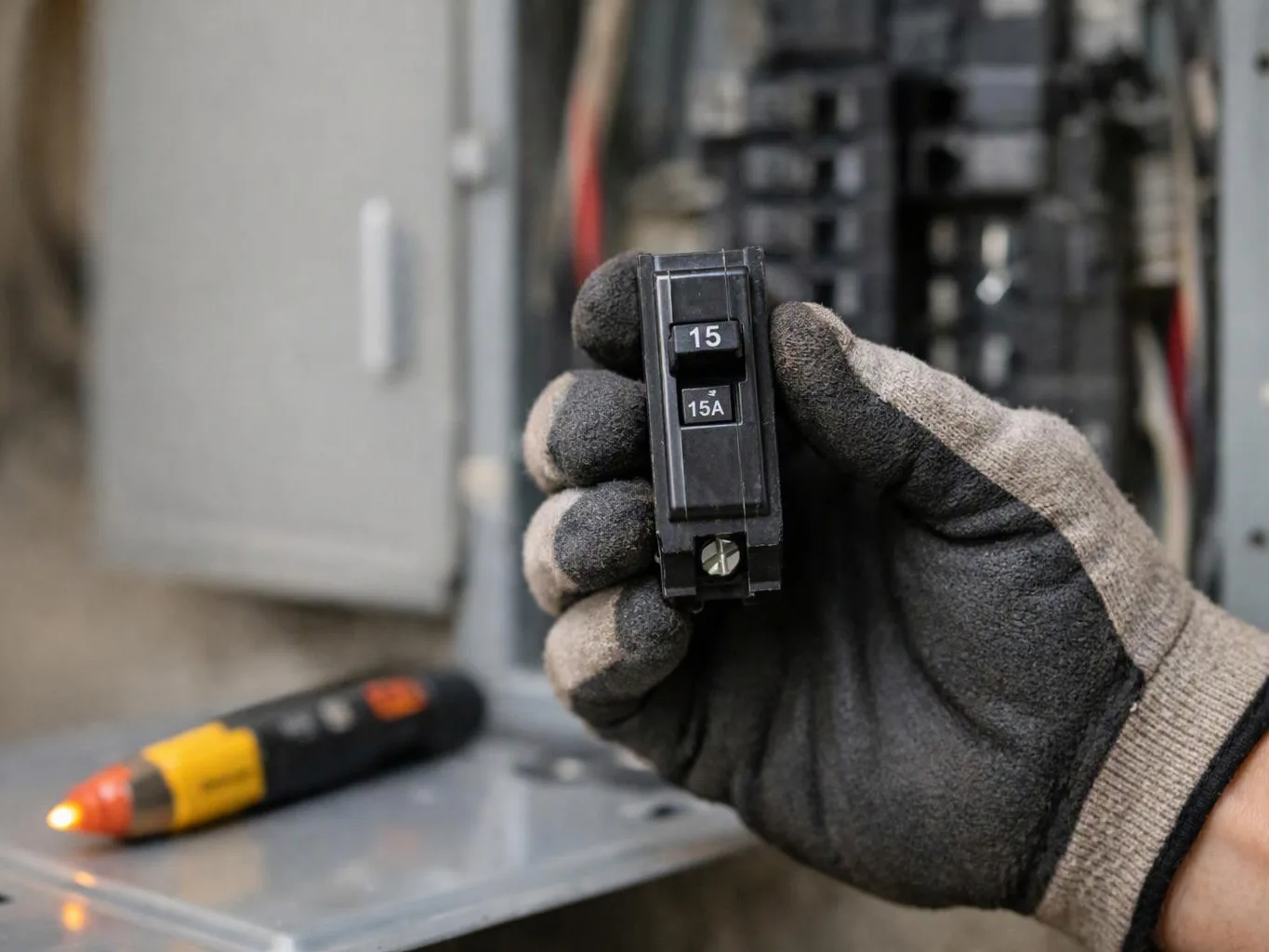
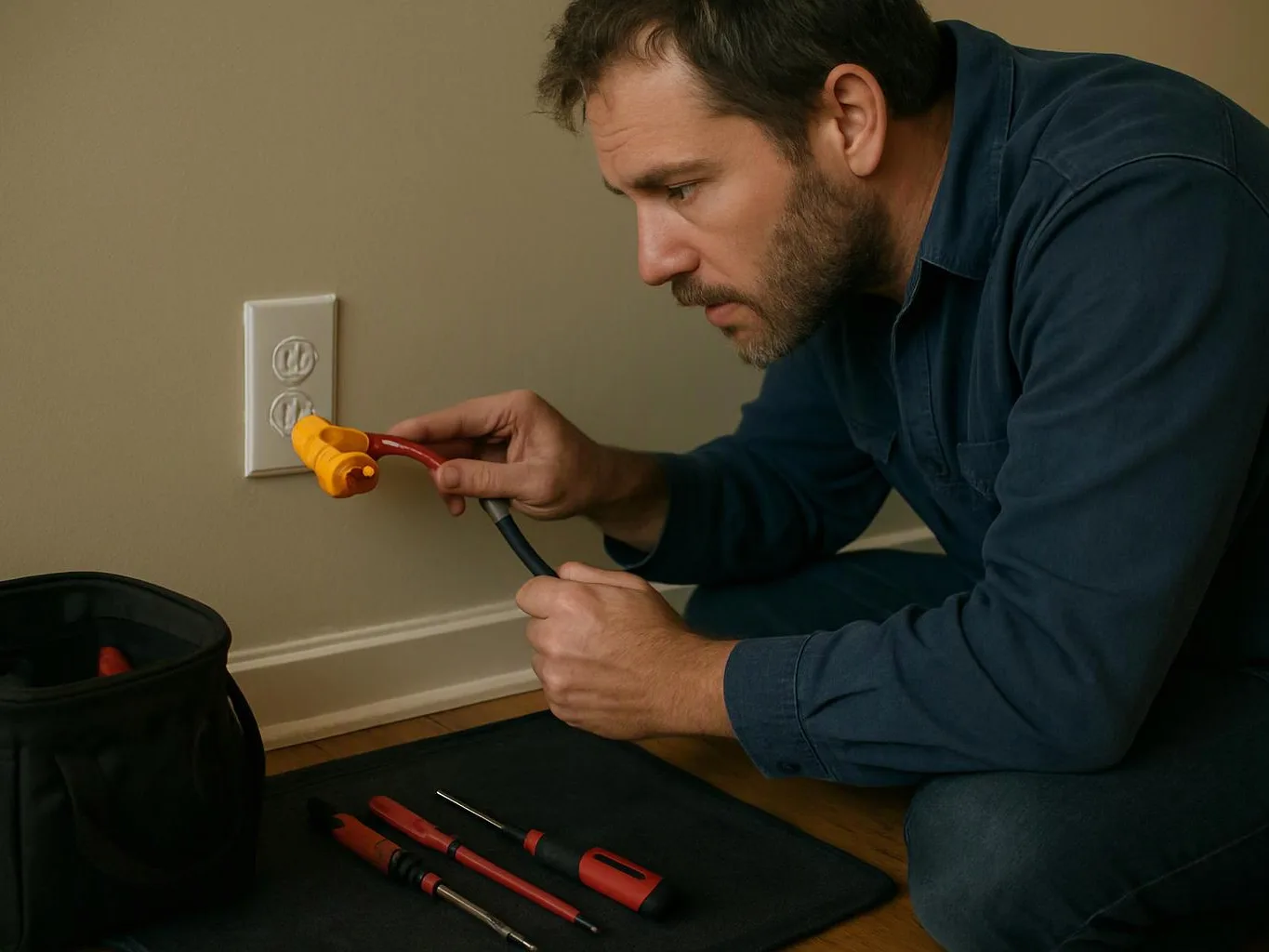
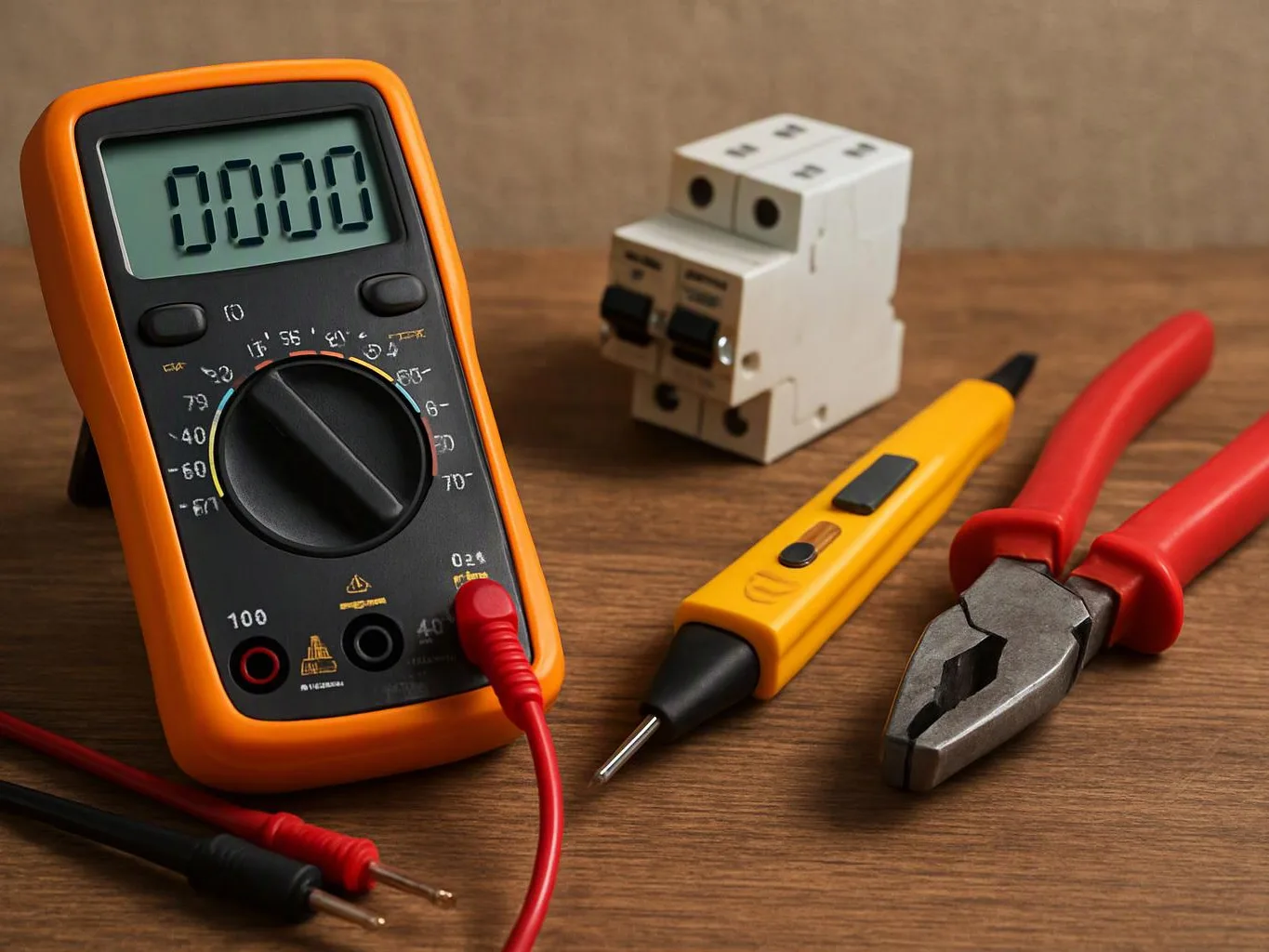
Electrician Pittsburgh finds an electrical fault through voltage testing, circuit tracing, continuity checks, and load testing. We start with the reported symptom and identify the affected circuit. Testing then shows whether the cause is a failed device, open conductor, loose connection, overloaded circuit, or panel issue.
Which property condition changes the time needed for fault finding?
Circuit access changes the time needed for fault finding. Finished walls, unclear circuit labels, hidden junctions, and limited panel access can add testing steps. We map the available circuit path first, then explain what further access or repair work the condition requires.
How is the testing matched to the property before work starts?
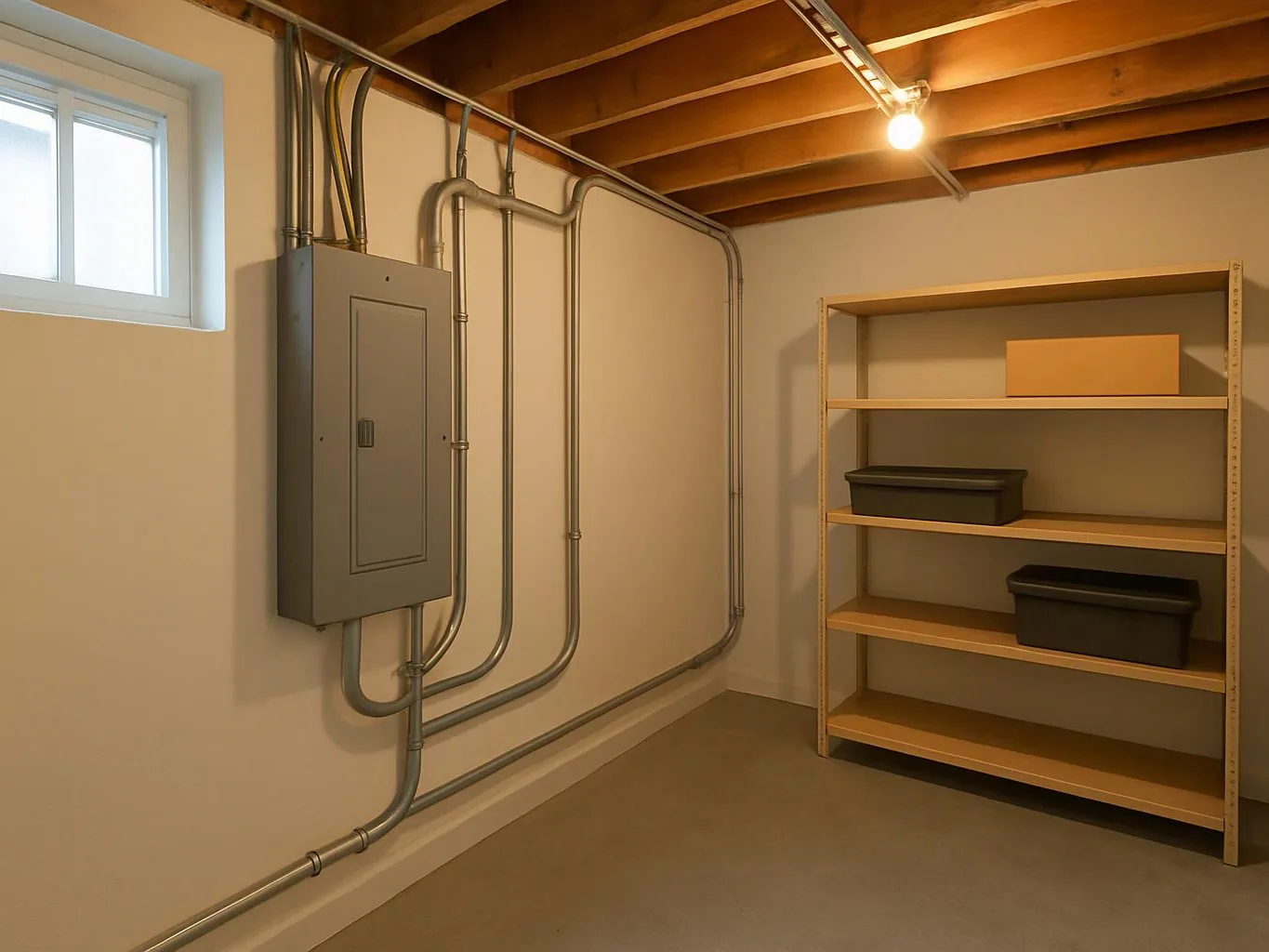
The reported symptom, panel layout, circuit type, and accessible wiring guide the testing plan. A dead outlet calls for checks along its circuit path, while a buzzing panel needs panel inspection and safe isolation. We match the test to the fault instead of applying one check to every property.
What should be ready before electrical troubleshooting starts?
Access to the panel, affected rooms, outlets, switches, and equipment should be ready before testing starts. Note which fixtures failed and whether a breaker tripped. Unplug sensitive equipment from the affected circuit, and keep clear of any outlet or panel that smells hot, sparks, or feels warm.
When should I stop resetting a tripped breaker?
Stop resetting a breaker when it trips again, smells hot, buzzes, or shows visible damage. Repeated trips point to a fault, overload, or damaged device that needs testing. Keep the area clear and tell us what was running when the breaker opened.
What does a thermal scan add to electrical fault finding?
Thermal imaging can reveal unusual heat that a visual check cannot show. We use it to examine panels, connections, and loaded electrical parts when heat may explain a symptom. A thermal image supports the diagnosis, but we still verify the circuit with electrical tests.
Which repair decision follows a failed continuity test?
A failed continuity test points to a break or poor path that needs further circuit tracing. We check the conductor, device connections, and accessible junctions before setting the repair scope. The final choice may involve a connection repair, device replacement, or wider wiring work.