Skip to content

Electrical Troubleshooting In West View, Pennsylvania

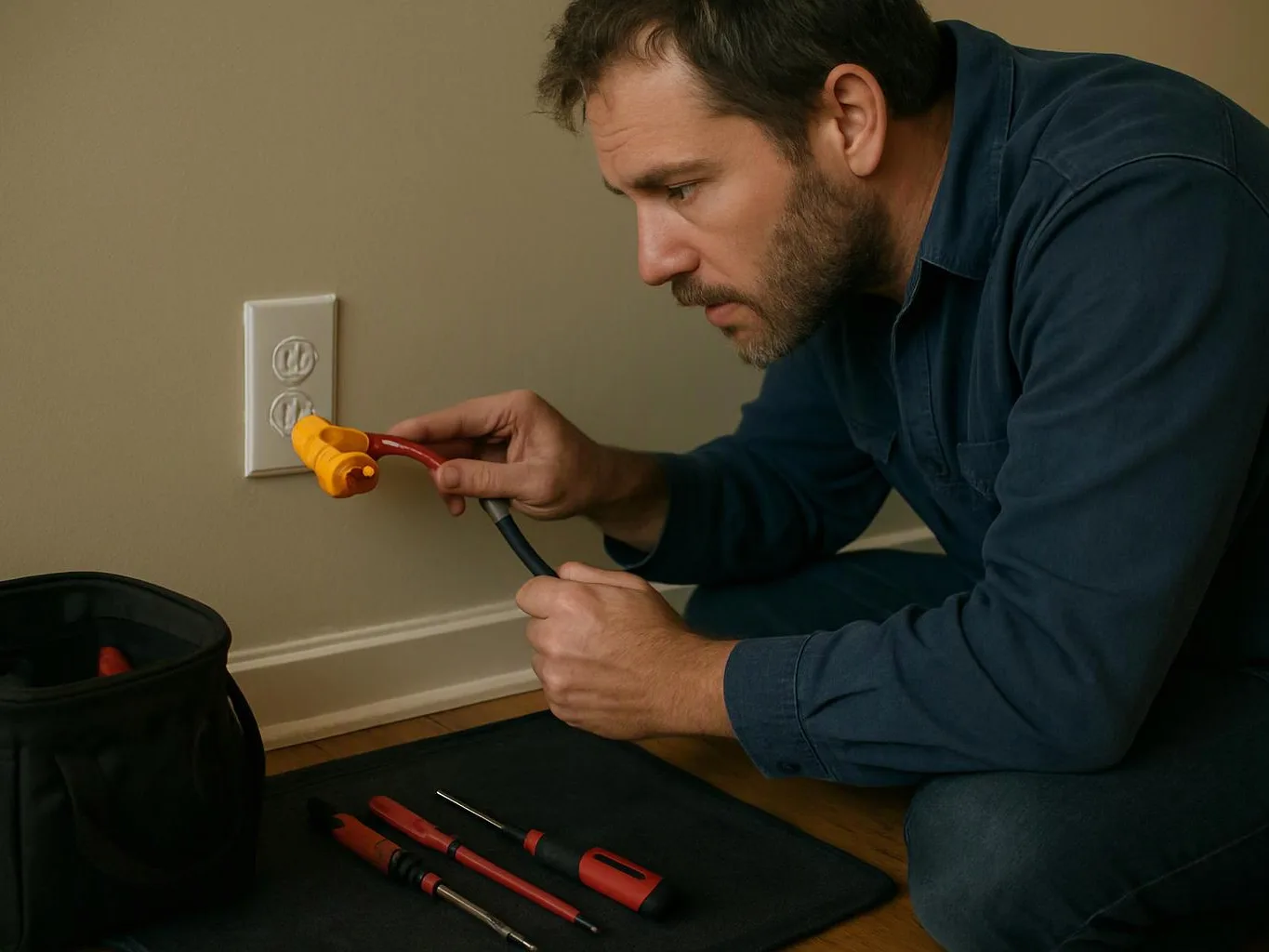
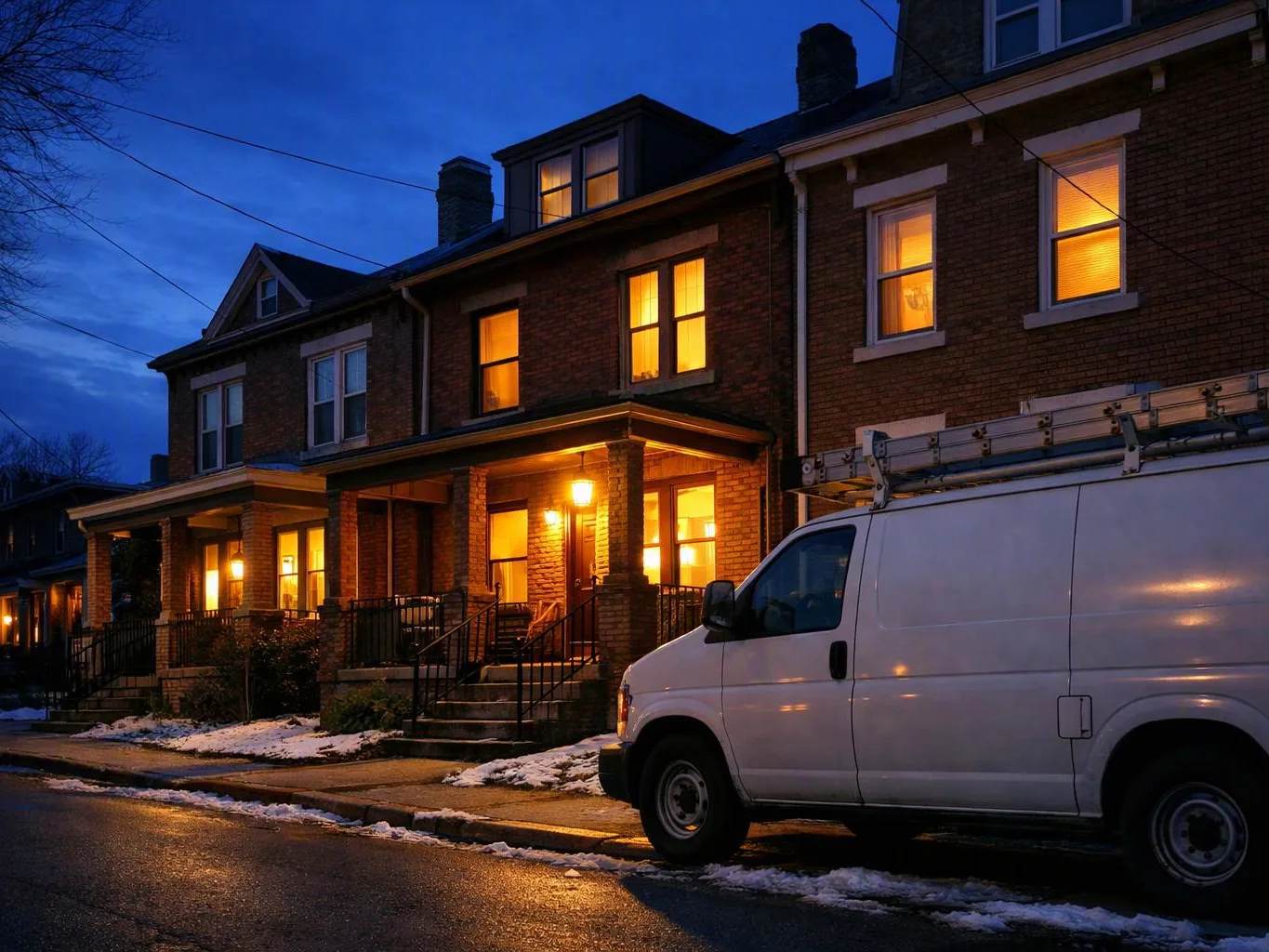
Voltage testing checks the circuit in West View before we trace the fault. Our 24-hour electrical dispatch supports urgent electrical problems for homes and businesses.

Licensed & InsuredFree EstimatesWarranty AvailableUpfront, Transparent Pricing

Quick Summary: Electrical Fault Finding in West View, Pennsylvania

Electrical Troubleshooting in West View is provided by Electrician Pittsburgh for homes and businesses. The service covers fault finding, circuit tracing, wiring checks, and urgent electrical problems, with 24-hour electrician support available across Pittsburgh and nearby communities.

  • What we do: Electrician Pittsburgh provides Electrical Troubleshooting for homes and businesses in West View, Pennsylvania.
  • What is included: Fault diagnosis includes circuit tracing, continuity testing, thermal checks, breaker review, and wiring inspection.
  • What you get: The customer receives a clear diagnosis and a practical decision about repair, replacement, or further testing.

Why does an electrical fault keep returning after a breaker reset?

A returning fault often points to an overloaded circuit, damaged wiring, a failing connection, or a faulty device. Electrical Troubleshooting checks the circuit and isolates the cause before we recommend repair.

Electrical Troubleshooting in West View for Fault Diagnosis

Electrical Troubleshooting focuses on the buyer's main question, which is where an electrical fault starts and what needs attention. We check symptoms such as flickering lights, dead outlets, buzzing panels, warm switch plates, and repeated breaker trips.

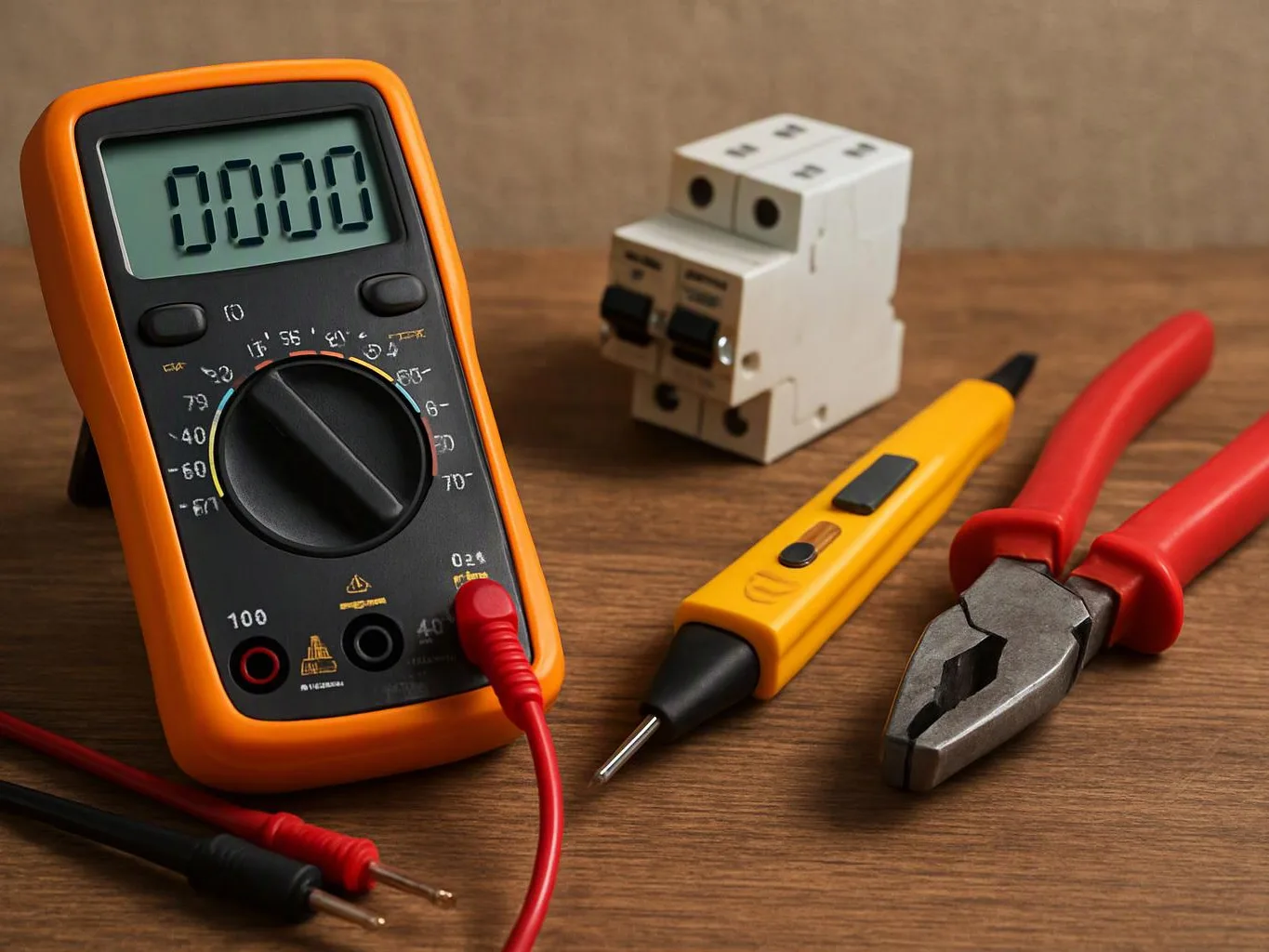
The work may involve voltage testing, continuity testing, circuit tracing, thermal imaging, or load testing. Each check answers a different question, so the final scope depends on the fault and the part of the system involved.

This service suits a homeowner, property manager, or business that needs a clear diagnosis before choosing repair or replacement. It isn't the right first step for a planned lighting design with no fault symptoms, although troubleshooting can still identify an unsafe existing circuit before that work begins.

  • Note which lights, outlets, or appliances show the fault.
  • Record whether a breaker trips or stays.
  • Keep access open to the electrical panel and affected rooms.
  • Tell us about burning smells, buzzing sounds, heat, or visible damage.
  • Avoid using a circuit that shows sparking, smoke, or strong burning odor.
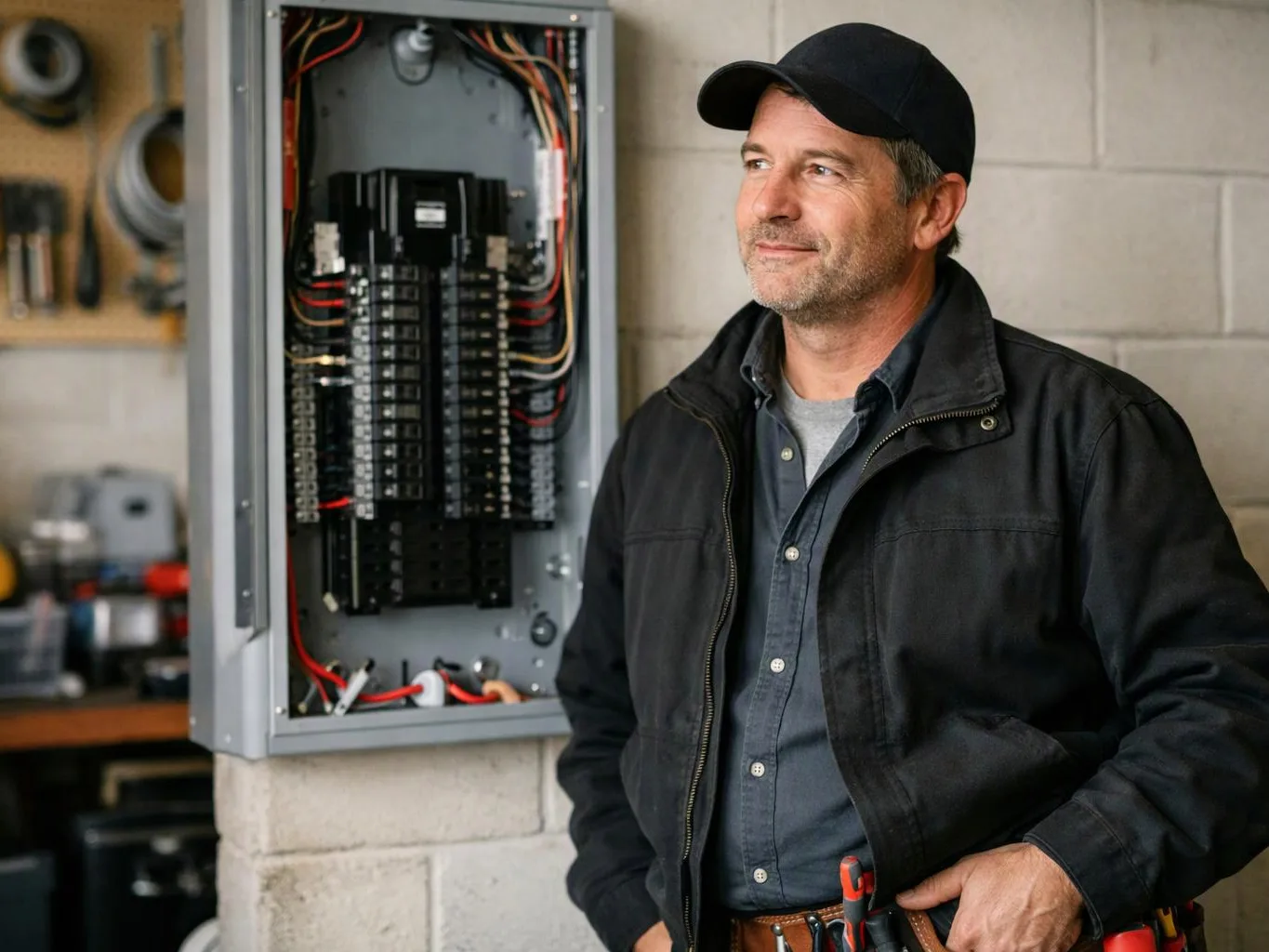
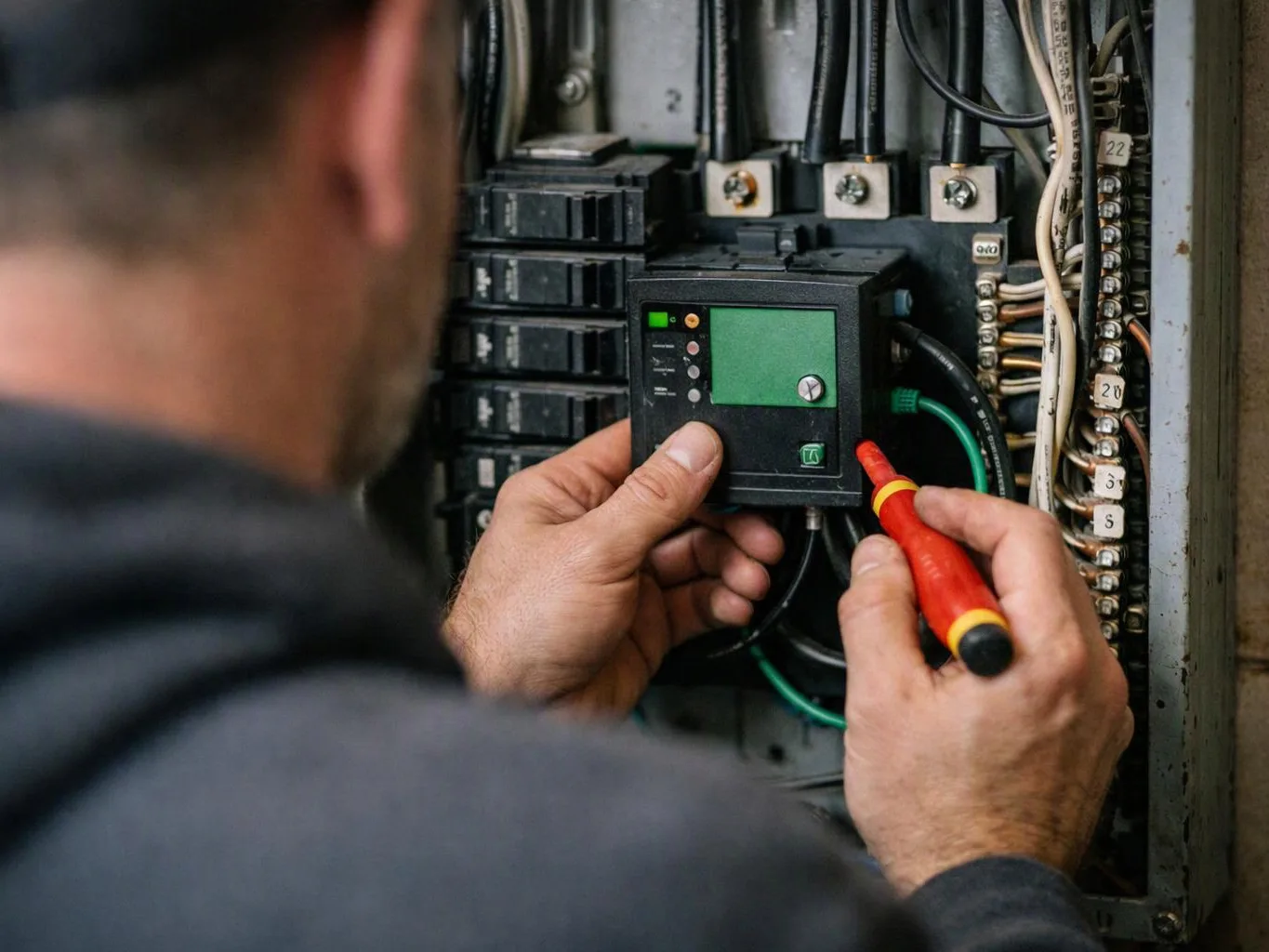
A technician adjusts a small control box inside an electrical panel with wires and circuit breakers

Service Overview

Electrical Troubleshooting is a diagnostic service that finds faults in circuits, wiring, outlets, panels, and connected equipment.

  • Electrical repair replaces or fixes the failed part, while troubleshooting first identifies where the fault starts.
  • We provide this service for homes and businesses in West View and nearby Pittsburgh communities.

How We Approach Electrical Fault Finding

Testing before repair

We test the affected circuit before choosing a repair, so the work follows the measured fault instead of a guess.

Clear scope before work

We explain the issue and the proposed work before it begins. Free estimates are available when the job needs a defined repair scope.

Urgent electrical dispatch

Our 24/7 emergency electrical dispatch supports urgent electrical problems. A full system upgrade is a different job when no fault needs diagnosis.

When this service is not the right fit

Troubleshooting is not the main service for a new installation with no fault symptoms. Planned installation work needs its own design, material, and inspection scope.

When this service is the right fit

A typical older home may show a dead outlet while nearby lights still work. We trace the circuit, test for voltage and continuity, and inspect the outlet and upstream connections before deciding whether the fault is local or wider. Any repair that changes the system can require code or permit review based on the work and jurisdiction.

Process

How We Find an Electrical Fault

1

Record the reported symptom

We note what stopped working, when the problem appears, and which outlets, lights, appliances, or circuits are involved.

2

Inspect the panel and circuit

We review breaker positions, visible wiring, labels, connections, and signs of heat or damage before testing the affected circuit.

3

Measure voltage at key points

Voltage testing compares readings at the panel, devices, outlets, and other accessible points to narrow the fault location.

4

Trace and test the wiring

We use circuit tracing and continuity testing when the fault may involve an open conductor, loose connection, or incorrect circuit path.

5

Check the load and heat

Load testing or thermal imaging helps assess equipment demand and unusual heat when the fault appears during use.

6

Explain the repair scope

We describe the finding, the safe repair path, and any related work that needs a separate estimate or code review.

What Electrical Troubleshooting Includes

Electrician Pittsburgh provides comprehensive Electrical Troubleshooting in West View. Here's what you get:

  • We inspect the reported symptom and identify the affected circuit or electrical area.
  • We measure voltage at relevant points and compare the readings across the circuit.
  • We trace circuit paths to connect outlets, switches, loads, and breaker positions.
  • We check continuity where an open wire or poor connection could explain the fault.
  • We review the panel, wiring, grounding, and visible connection points for unsafe conditions.
  • We explain whether the next step involves repair, replacement, or a wider electrical assessment.

What Fault Finding Changes for the Customer

A measured diagnosis helps separate a failed device from a circuit problem.

Circuit tracing can reduce unnecessary replacement when the fault sits at one connection.

Thermal checks can identify heat at a panel, terminal, or connection before repair planning.

A clear finding helps you decide whether to repair one point or address a wider wiring issue.

Written explanations make it easier to plan related work such as a panel upgrade or rewiring.

Choosing the Right Electrical Diagnostic Test

Each test answers a different fault-finding question, so the symptom and circuit condition guide the choice.

Diagnostic testWhat it checksWhen we use it
Voltage testingPower present at selected pointsA circuit has an unexpected loss or change in voltage
Continuity testingAn unbroken path through a conductor or connectionAn open wire or failed connection is suspected
Circuit tracingWhich devices and outlets connect to a circuitThe circuit path or breaker label is unclear
Thermal imagingUnusual heat at accessible electrical pointsA panel, terminal, or connection shows heat concerns
Load testingCircuit behavior under equipment demandAn overload or weak connection appears during use

The Electrician Pittsburgh Standard

  • Urgent Assistance
  • Problem Diagnosis
  • Safe Operation
  • Practical Emergencies

Questions About Electrical Fault Finding

How do electricians find an electrical fault?

Voltage testing finds an electrical fault by comparing readings across the affected circuit. Electrician Pittsburgh then uses circuit tracing, continuity testing, thermal imaging, or load testing when the readings point to a wiring or connection issue. The goal is to locate the fault before we define the repair.

What should be ready before electrical troubleshooting starts?

Panel access, affected rooms, and a list of failed devices should be ready before testing starts.

  • Keep the electrical panel accessible.
  • Note which outlets, lights, or appliances fail.
  • Share any breaker, heat, buzzing, or burning smell concerns.

We use these details to set the first testing point.

Which condition on a property changes troubleshooting time?

Limited access to wiring changes troubleshooting time because hidden or blocked conductors need more careful testing. Crowded panels, unlabeled breakers, finished walls, and multiple connected loads can also expand the test area. We explain the added scope before work proceeds.

How is electrical troubleshooting matched to the property before work starts?

The property layout, circuit type, reported symptom, and available access guide the testing plan. A home with one dead outlet needs a different circuit trace from a business with several high-load devices. We review those conditions first, then select the tests that fit the system.

Why does a breaker trip again after I reset it?

A breaker that trips again signals a continuing fault, overload, short circuit, or connected device problem. Leave the breaker off if it trips repeatedly, especially when heat, sparks, or odor are present. We inspect the circuit and connected loads before recommending a reset or replacement.

What electrical problems need urgent attention?

Burning smells, sparking outlets, buzzing panels, and hot switch plates need urgent attention because they can signal unsafe heat or connections. Stop using the affected point and keep clear of exposed wiring. Our 24/7 emergency electrical dispatch handles urgent electrical calls, while testing identifies the repair scope.

Which repair details change the estimate after a fault is found?

The estimate changes with the failed part, wiring access, circuit condition, and repair method. A loose outlet connection may need a narrower repair than damaged cable behind a finished wall. We explain the finding and provide a free estimate when the work scope is clear.
Contact

Request a Free Electrical Troubleshooting Estimate

Tell us what the circuit is doing and request a quote for work in West View; urgent requests get priority scheduling.

A neatly made bed sits between two lit bedside lamps in a calm beige bedroom
(412) 530-6737