How can power shutoff make my home safer?
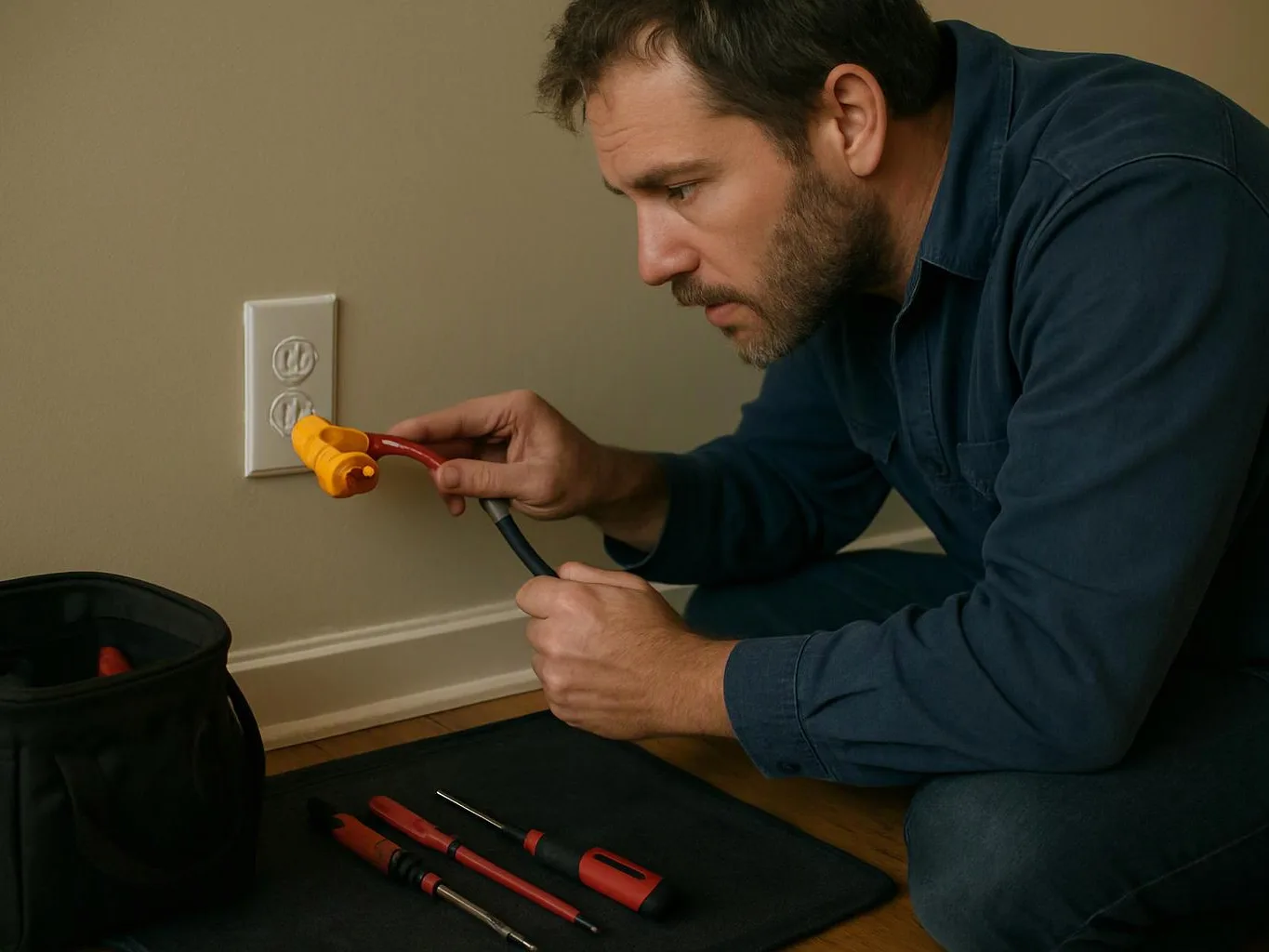
Power shutoff makes a home safer by removing energy from a suspected fault before testing or repair begins. Electrician Pittsburgh identifies the affected circuit and checks for damaged wiring, heat, sparks, or loose connections. Do not touch exposed conductors or damaged outlets. The safest repair plan depends on what testing finds.
What should be ready before emergency electrical work starts?
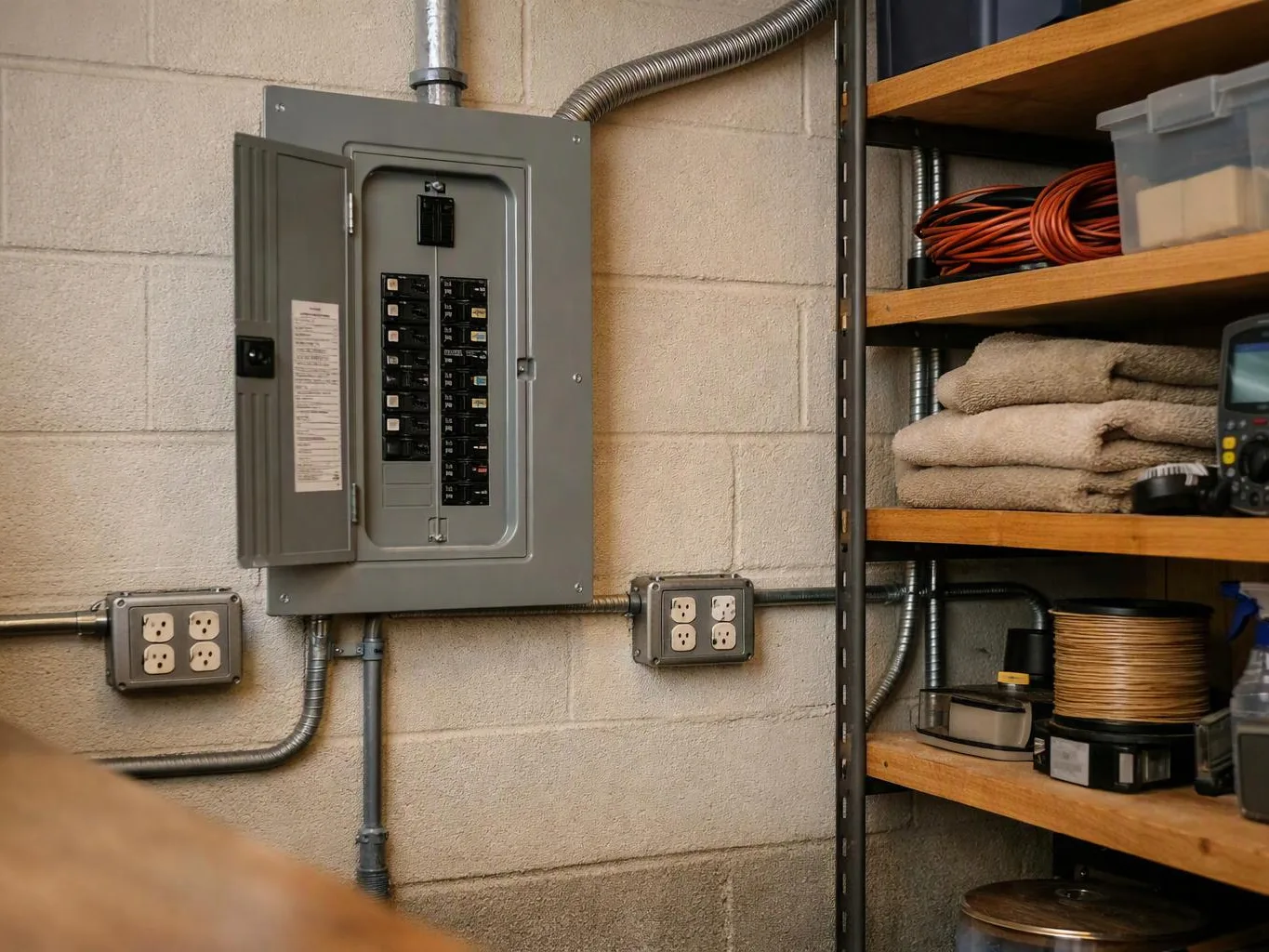
Property access, symptom details, and information about affected equipment should be ready before electrical work starts. Keep the panel and affected rooms accessible, and note which breakers tripped. Photos can help explain visible damage, but they do not replace testing. We use these details to set the first inspection scope.
Which warning signs need an urgent electrical call?
Burning smells, sparking outlets, buzzing panels, warm switch plates, and repeated breaker trips need urgent attention. These signs can point to heat, loose connections, damaged wiring, or a failing protective device. Stop using the affected outlet or circuit, keep people away, and arrange an electrical assessment.
When is a temporary electrical repair appropriate?
A temporary electrical repair is appropriate when it controls an immediate hazard but does not complete the wider correction. The final choice depends on access, damaged parts, wiring condition, and the fault location. We explain the limit of temporary work and identify any permanent repair or upgrade that should follow.
Why does a breaker keep tripping after a reset?
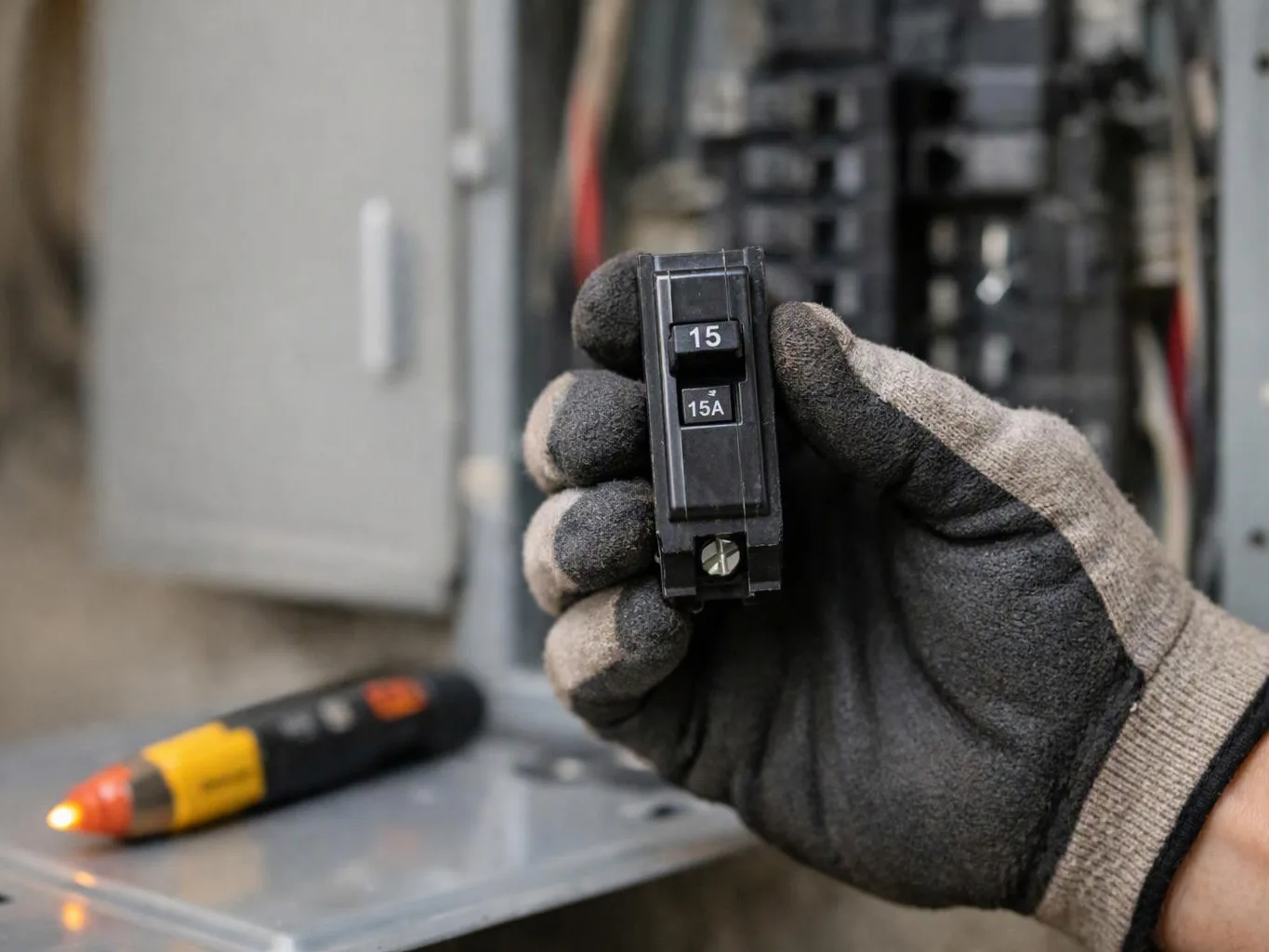
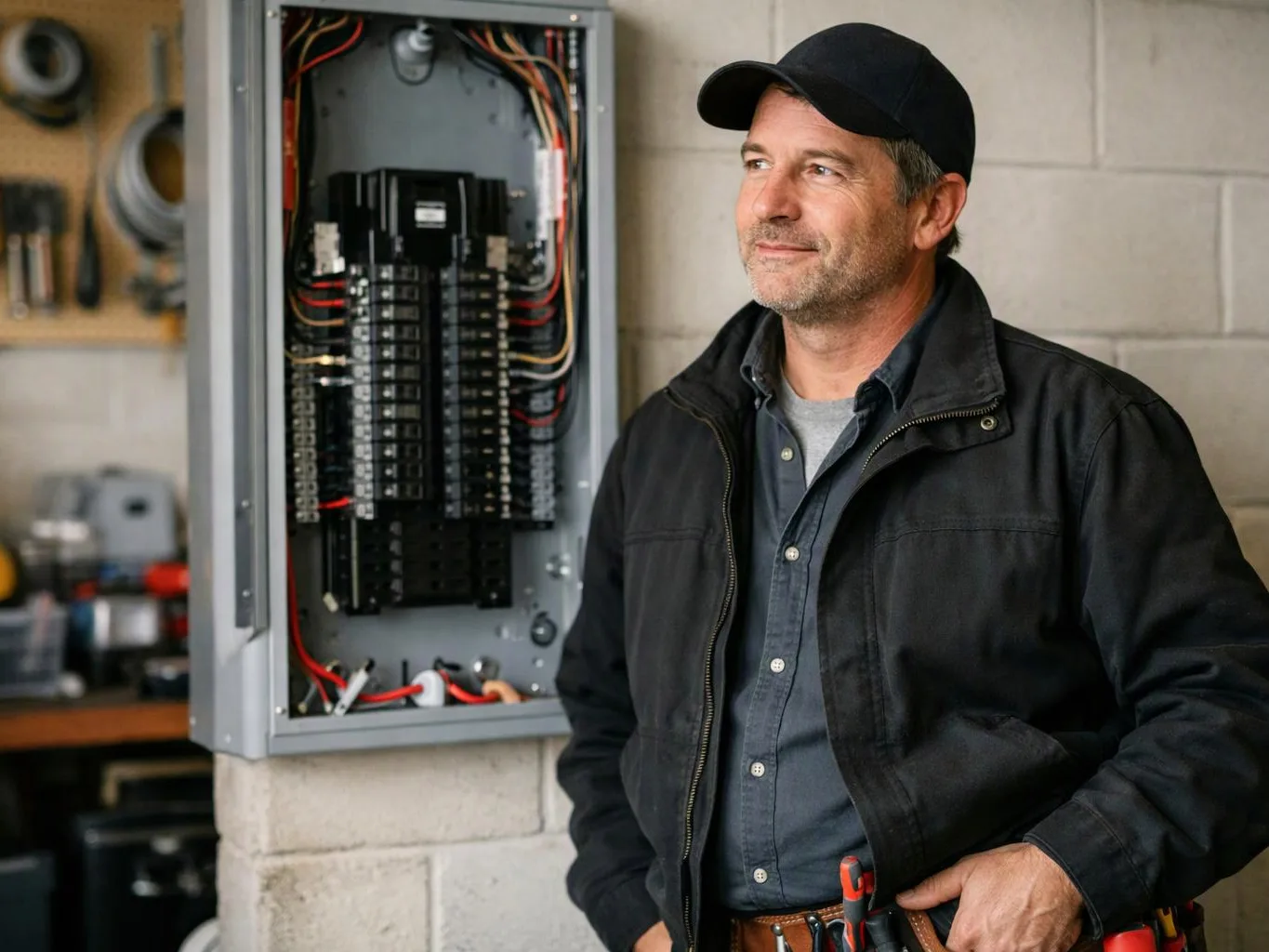
A breaker that keeps tripping may indicate overload, a short, damaged wiring, or a failing breaker. Repeated resets do not identify the cause and can leave a fault active. We trace the circuit, test connected components, and check the panel before recommending repair or replacement.
How is emergency electrical work matched to the property?
Emergency electrical work is matched to the property through its panel, circuit layout, access, connected loads, and reported symptoms. Residential and commercial systems can need different checks because equipment and circuit demands differ. We use circuit tracing and testing to set a scope that fits the affected property.
What should I ask before agreeing to urgent electrical work?
Ask which fault was found, which circuit is affected, what repair is proposed, and whether follow-up work remains. A clear explanation should also identify any temporary measure and the parts involved. We provide upfront explanations before work begins so you can make an informed decision.