When should knob-and-tube wiring be replaced?
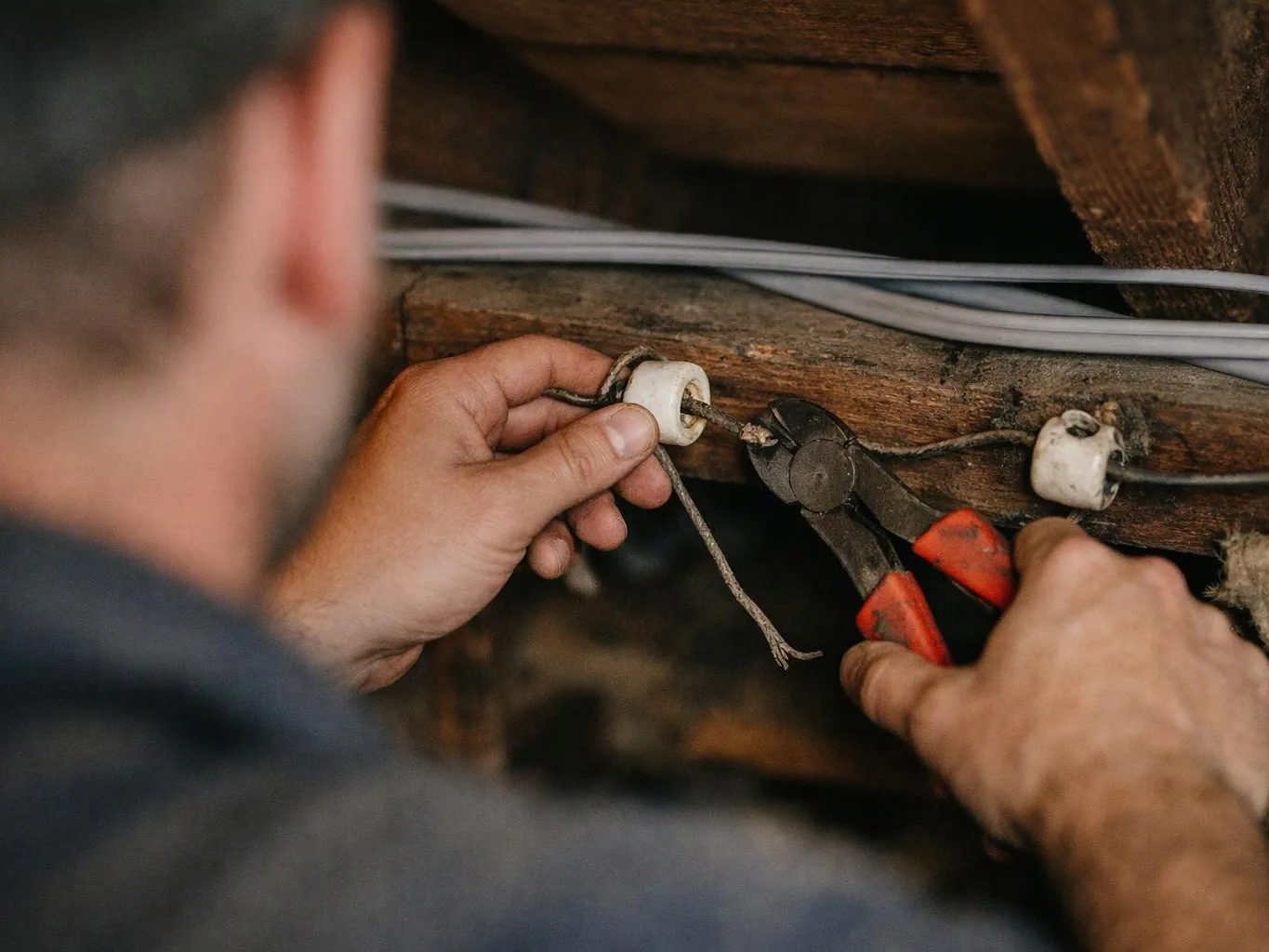
Brittle insulation is a strong reason to request a replacement assessment. Electrician Pittsburgh checks exposed conductors, open splices, cloth wiring, and circuit paths before setting the scope. Replacement becomes the focus when the older wiring cannot be safely retained or when repairs would not address the wider circuit condition. We explain the finding before work begins.
How can I tell whether this wiring service fits my property?
Older branch wiring with damaged insulation, exposed conductors, or open splices fits a replacement assessment. The property’s visible wiring does not tell the whole story, because circuits may pass through walls or attic spaces. We trace accessible paths and separate wiring concerns from panel, breaker, outlet, or fixture problems.
Which part of the property decides the replacement scope?
The branch-circuit path decides the replacement scope. Attic circuits, wall access, junction points, connected fixtures, and the location of open splices all shape the work. We map the affected path, identify access limits, and explain which areas need replacement before preparing the estimate.
Which material changes the replacement work?
Cloth wiring changes the replacement review because its condition and connection points need inspection. We check the cloth covering, nearby insulation, splices, and devices on the same circuit. The material alone does not set the full scope, so we trace the circuit and assess its complete accessible path.
What makes the estimate change on this wiring job?
The amount of affected wiring, circuit access, attic routing, open splices, and wall or ceiling access change the estimate. We review those conditions before pricing the work. A free estimate explains the included wiring scope and separates related panel, outlet, or lighting repairs.
Does a panel upgrade replace knob-and-tube branch wiring?
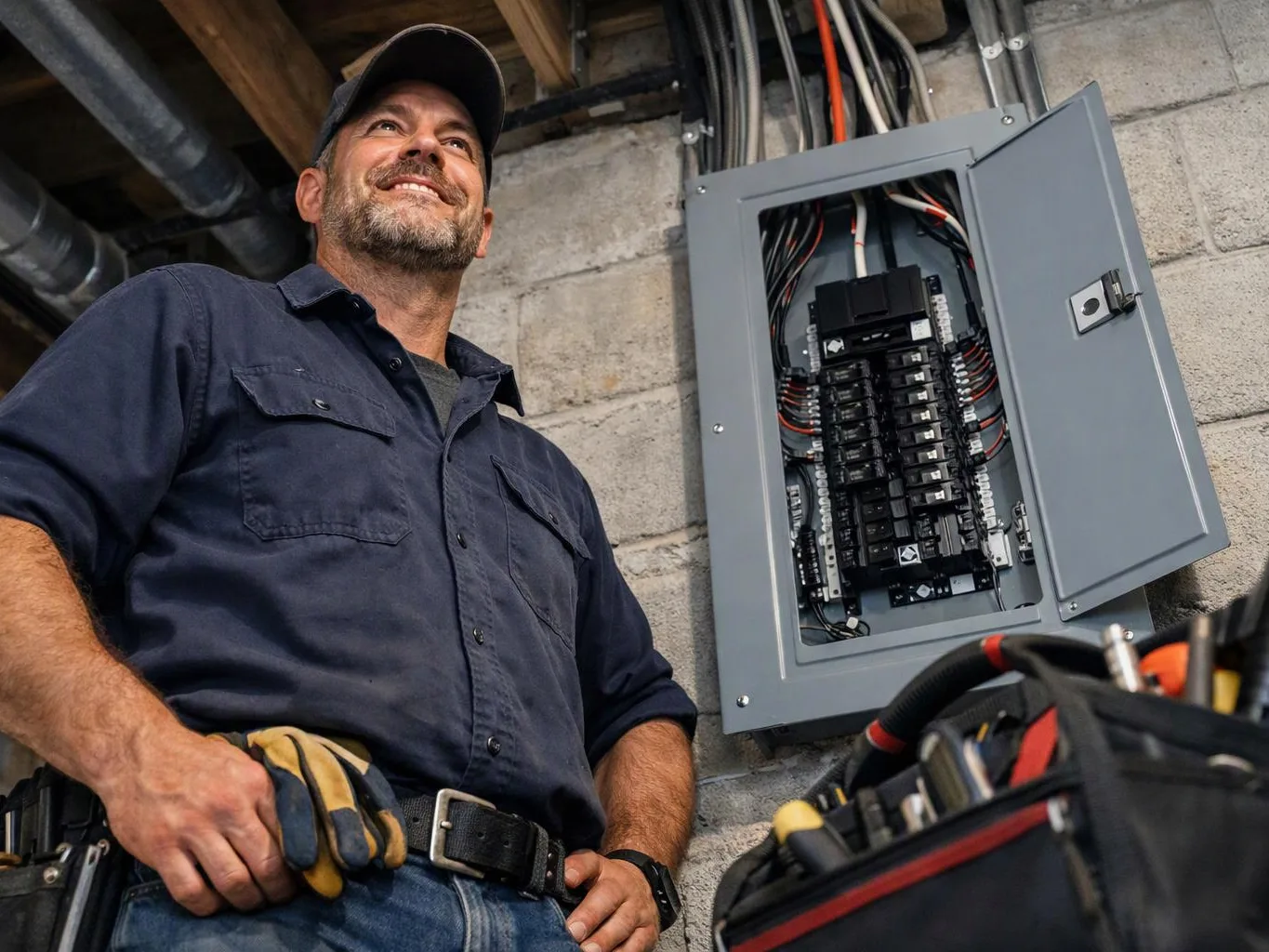
A panel upgrade does not replace older branch wiring by itself. Panel work addresses service equipment, while wiring replacement addresses circuit paths, insulation, splices, and connected devices. We check both areas when needed, then explain whether the property needs one service or separate scopes.
What should I do about an open splice before inspection?
Leave an open splice untouched and keep people away from the area. We inspect the connection, trace the circuit, and check nearby insulation for related damage. If you notice sparking, smoke, or a burning smell, shut off power only if it is safe and request urgent electrical help.