Which pool wiring fault can create a shock hazard?
Broken bonding can create a shock hazard when metal pool parts lose a safe fault-current path. We check bonding conductors, grounding connections, ground-fault protection, and nearby equipment wiring. Stop using the pool if anyone feels a shock, and keep the affected circuit off until the cause is assessed.
Which part of the property decides the wiring scope?
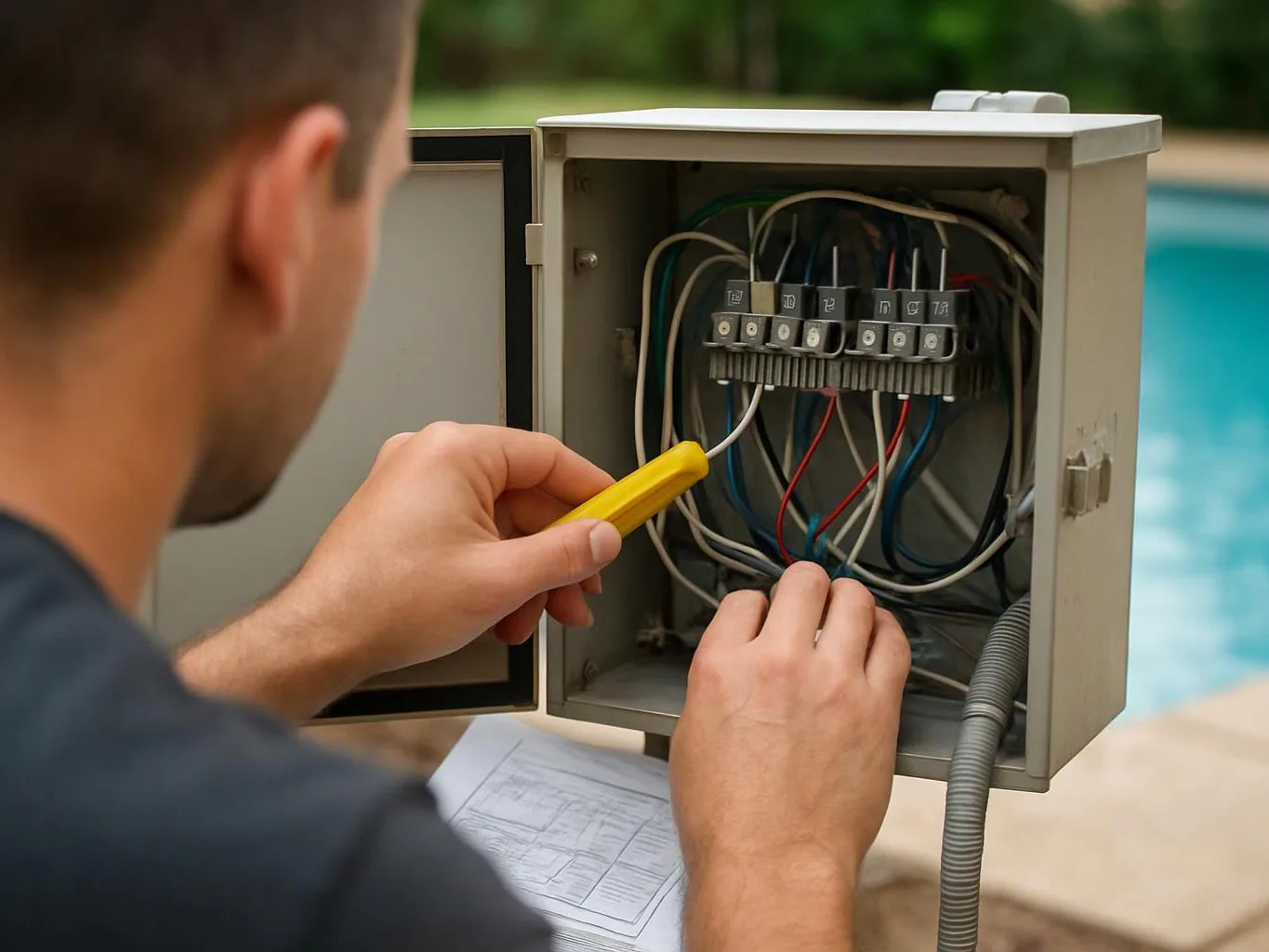
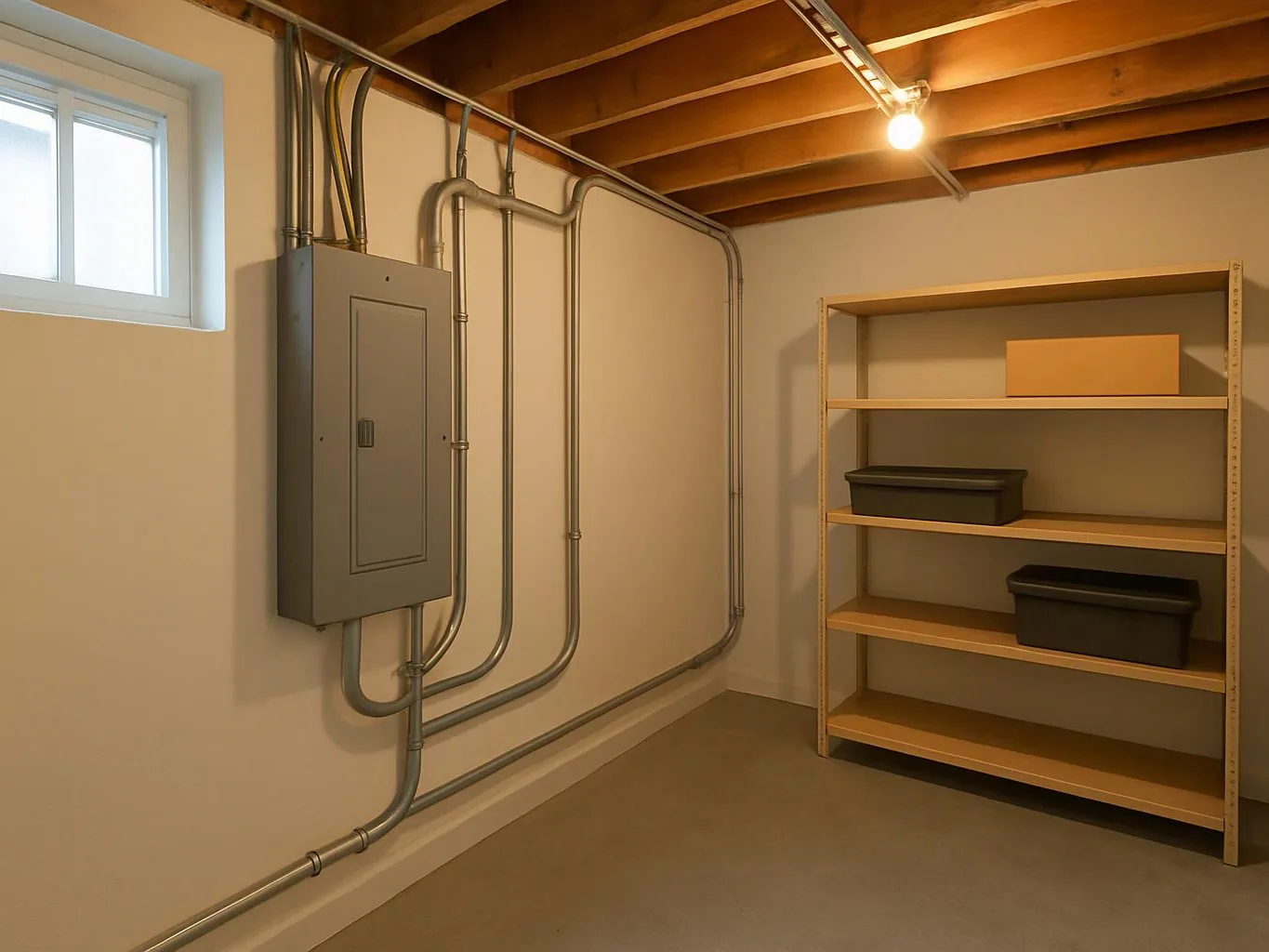
The pool equipment area usually decides the wiring scope because the panel, disconnect, pump, lights, and bonding points must work together. Access to buried or enclosed wiring also affects the work. We trace the circuit and inspect each accessible connection before recommending a repair.
Which material changes how long pool wiring takes?
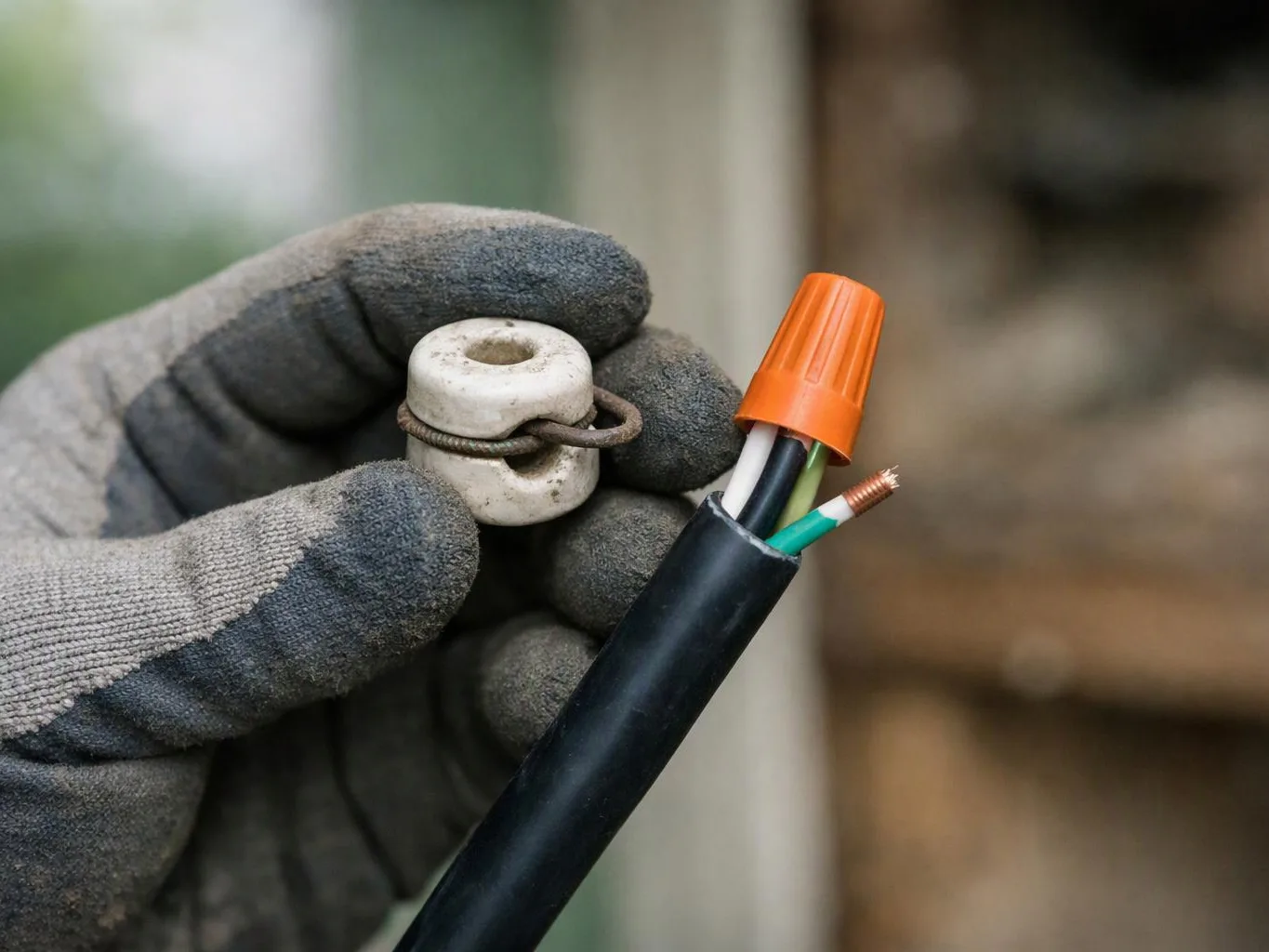
Damaged or corroded copper conductors can add work because we must check the connection and the cable condition. The wiring route also matters when conductors run through conduit, walls, or buried sections. We assess the material and access during the visit before describing the work involved.
How does a pool wiring visit move from the first call to the last step?
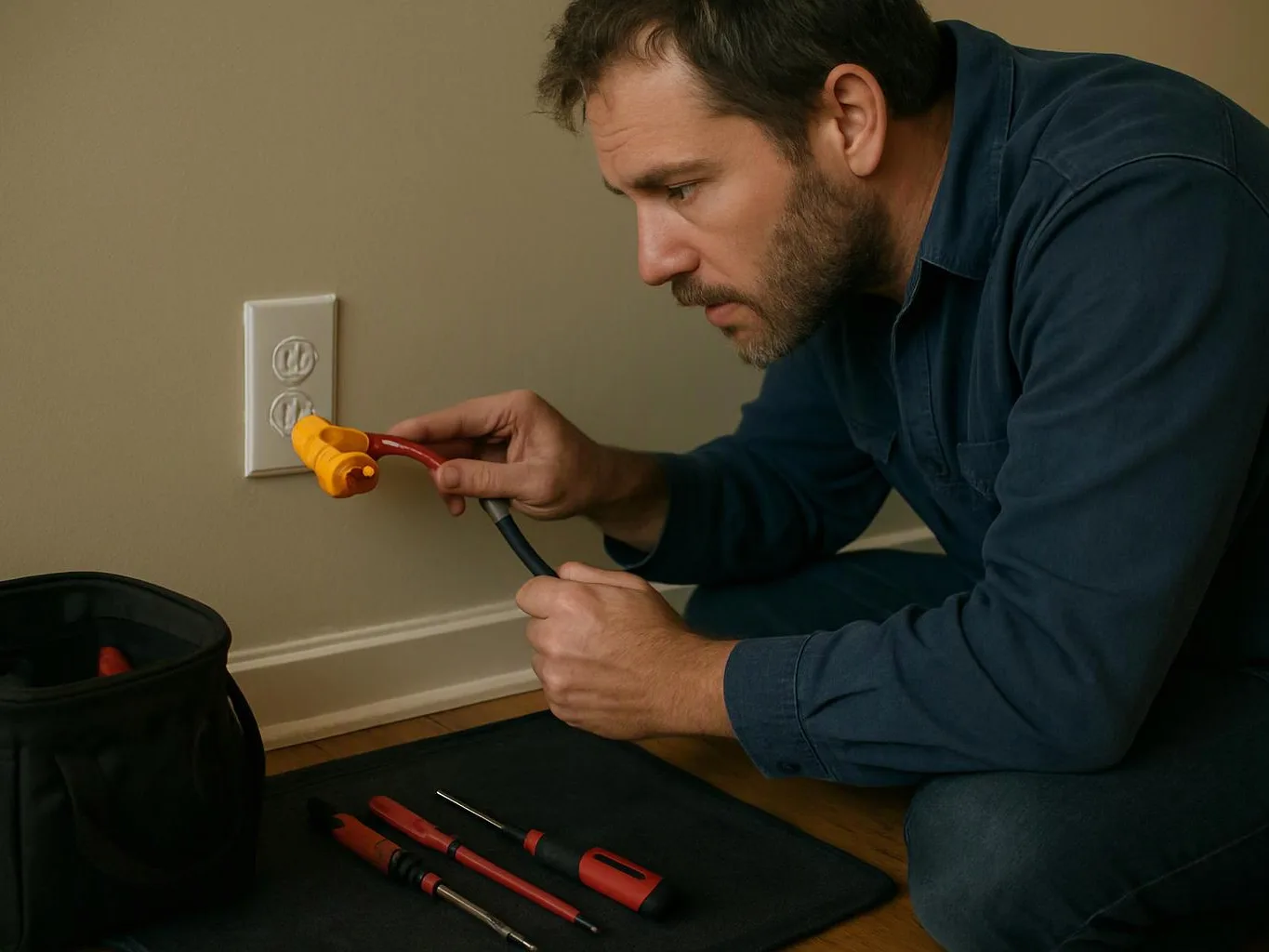
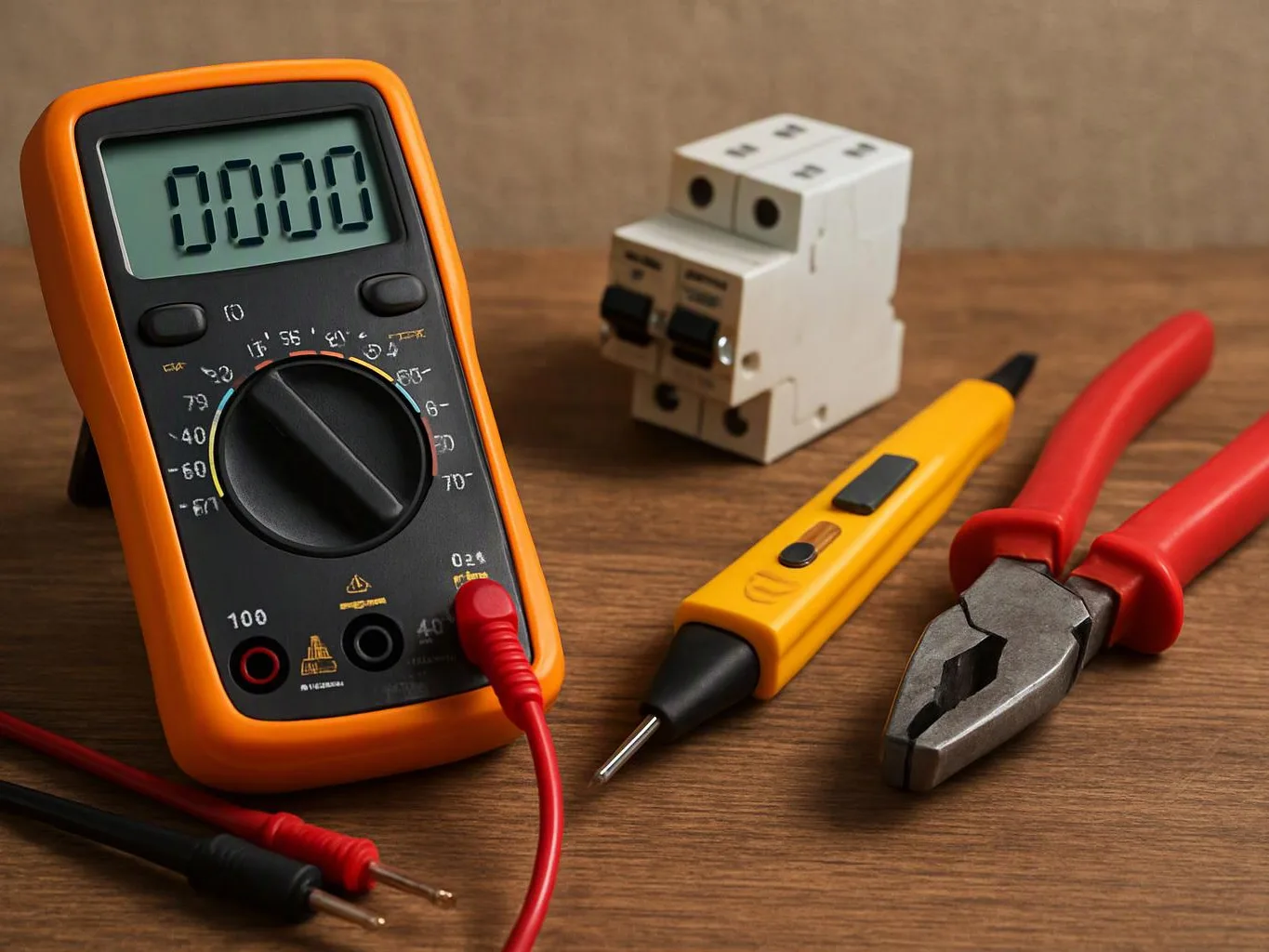
A pool wiring visit starts with the reported symptom, moves through circuit isolation and testing, and ends with an explained repair scope. We check the panel, disconnect, equipment, bonding path, and visible conductors. After approved work, we test the repaired circuit and explain what was checked.
What should I do if a pool breaker keeps tripping?
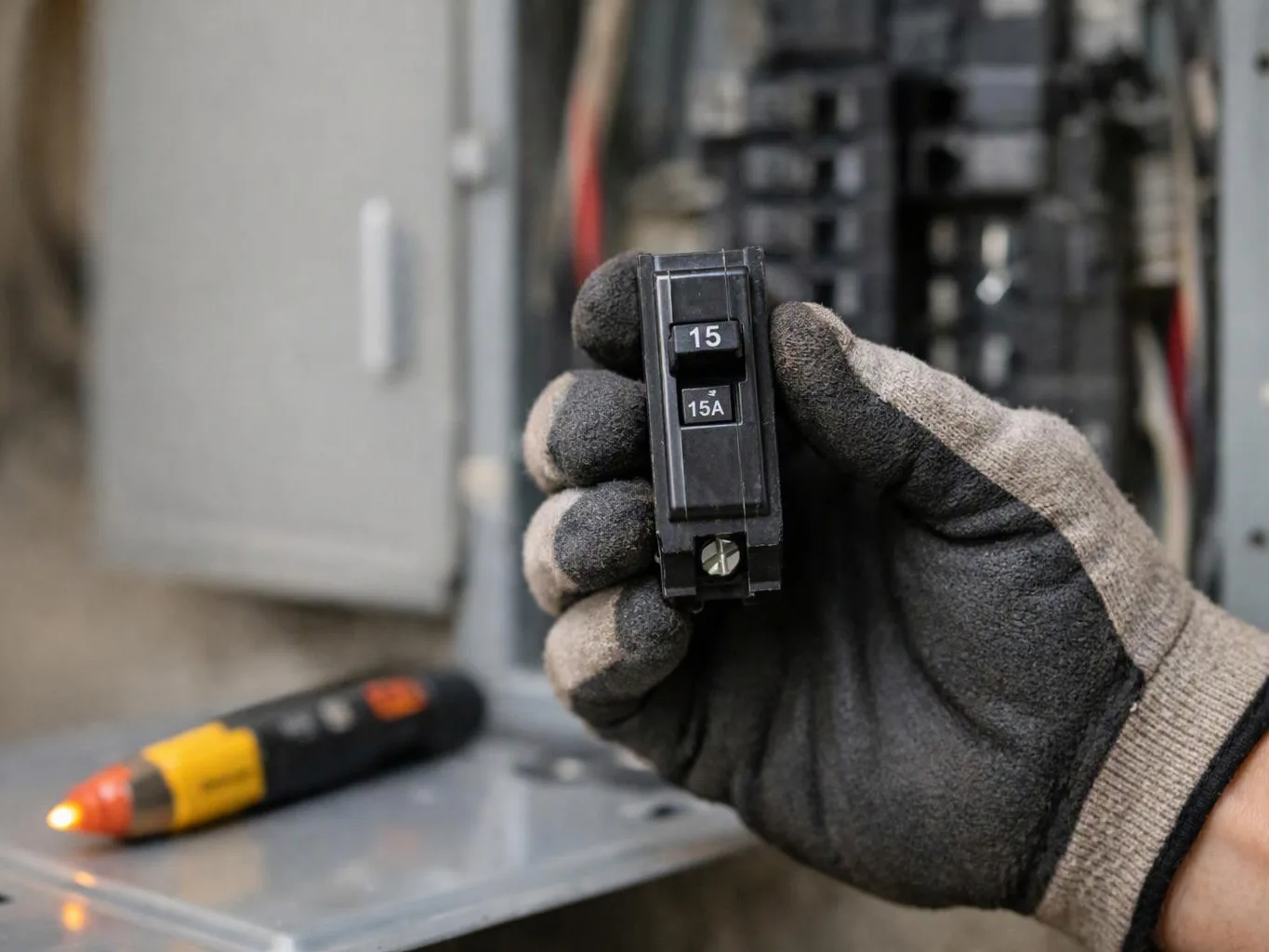
A repeatedly tripping pool breaker needs diagnosis, not repeated resets. Leave the breaker off and keep the equipment out of use until the circuit is checked. We test for ground faults, damaged conductors, wet connections, overloaded circuits, and equipment faults before setting a repair scope.
When does pool wiring need more than a device repair?
Pool wiring needs broader work when the fault involves bonding, grounding, damaged conductors, or the circuit feeding several devices. Replacing one light won't correct a damaged supply or unsafe connection elsewhere. We trace the circuit and explain whether the issue is local or reaches the panel and equipment feed.
Why can a pool connection corrode and become unsafe?
Corroded connections become unsafe when damaged metal or loose terminals increase resistance and weaken the circuit. We inspect the terminal, conductor, enclosure, and nearby equipment for heat or moisture damage. The repair may involve the connection, the conductor, or another part found during testing.