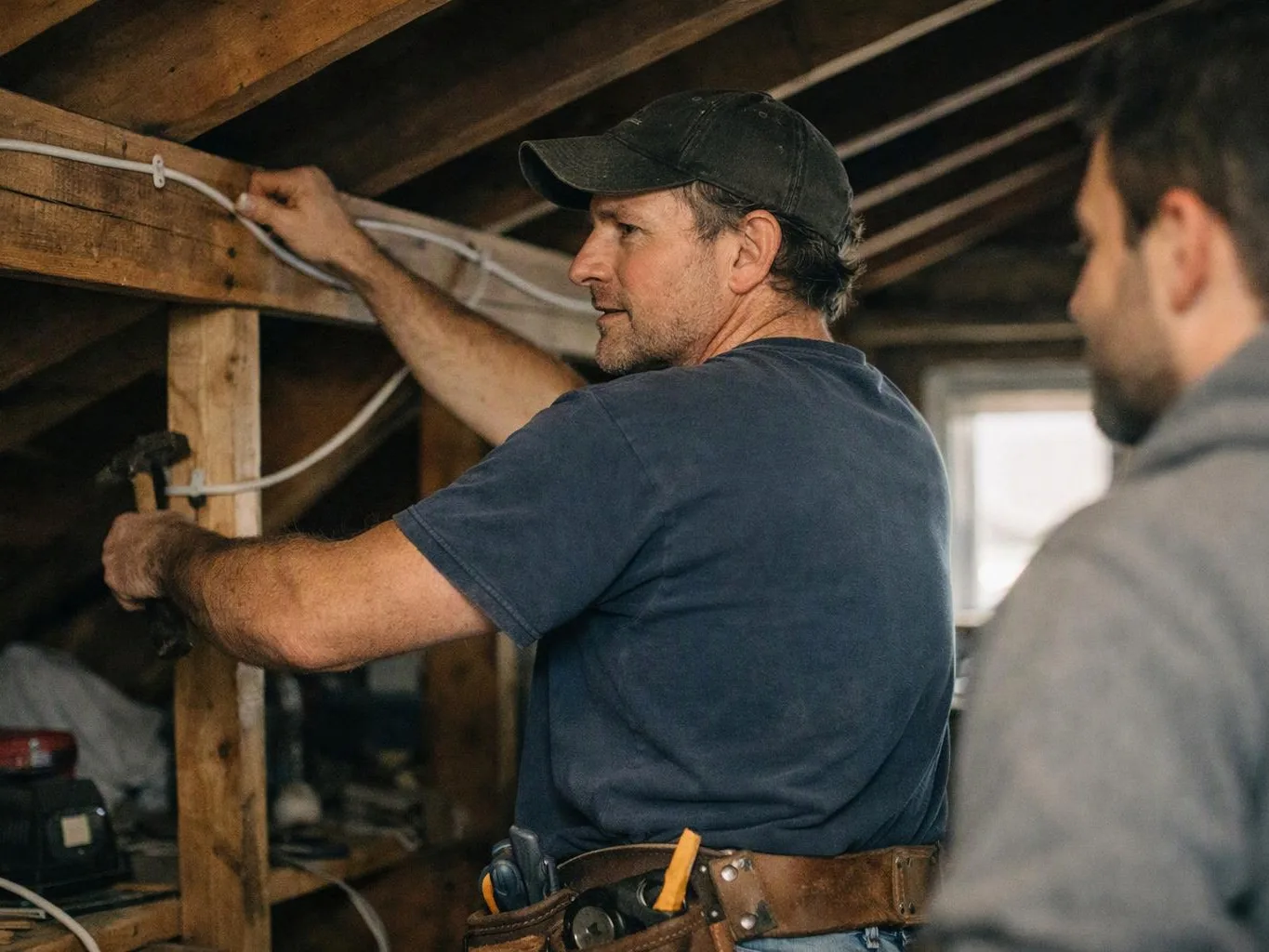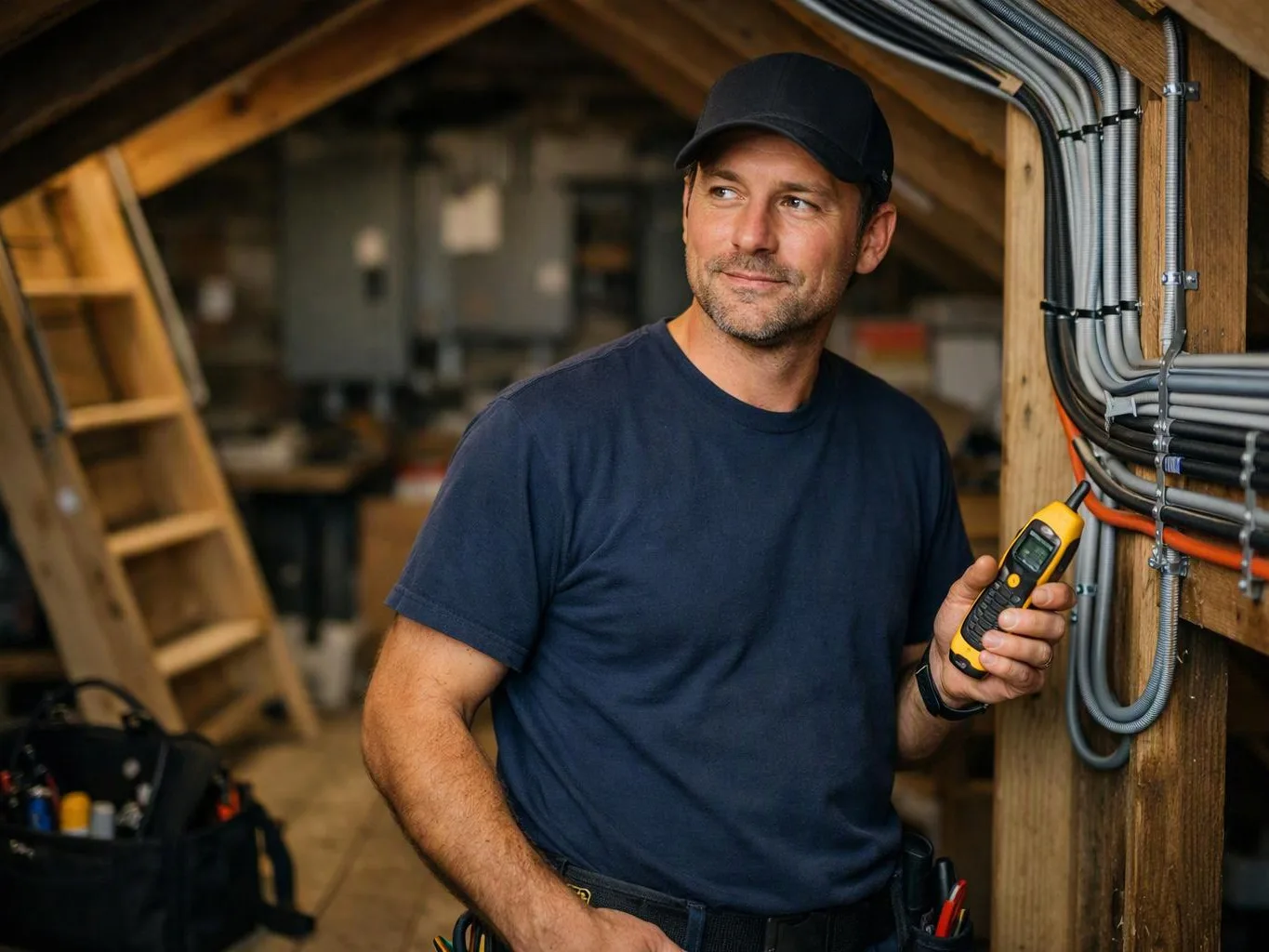
Electrical Safety Inspections: What Gets Checked and How Thermal Imaging Helps
Electrical safety inspections review the condition, operation, and safety of an electrical system, while thermal imaging helps identify abnormal heat at panels, connections, and other energized components. Electrician Pittsburgh uses both visual and thermal findings to explain risks, recommend electrical code corrections, and outline the next steps.
Get a Free Estimate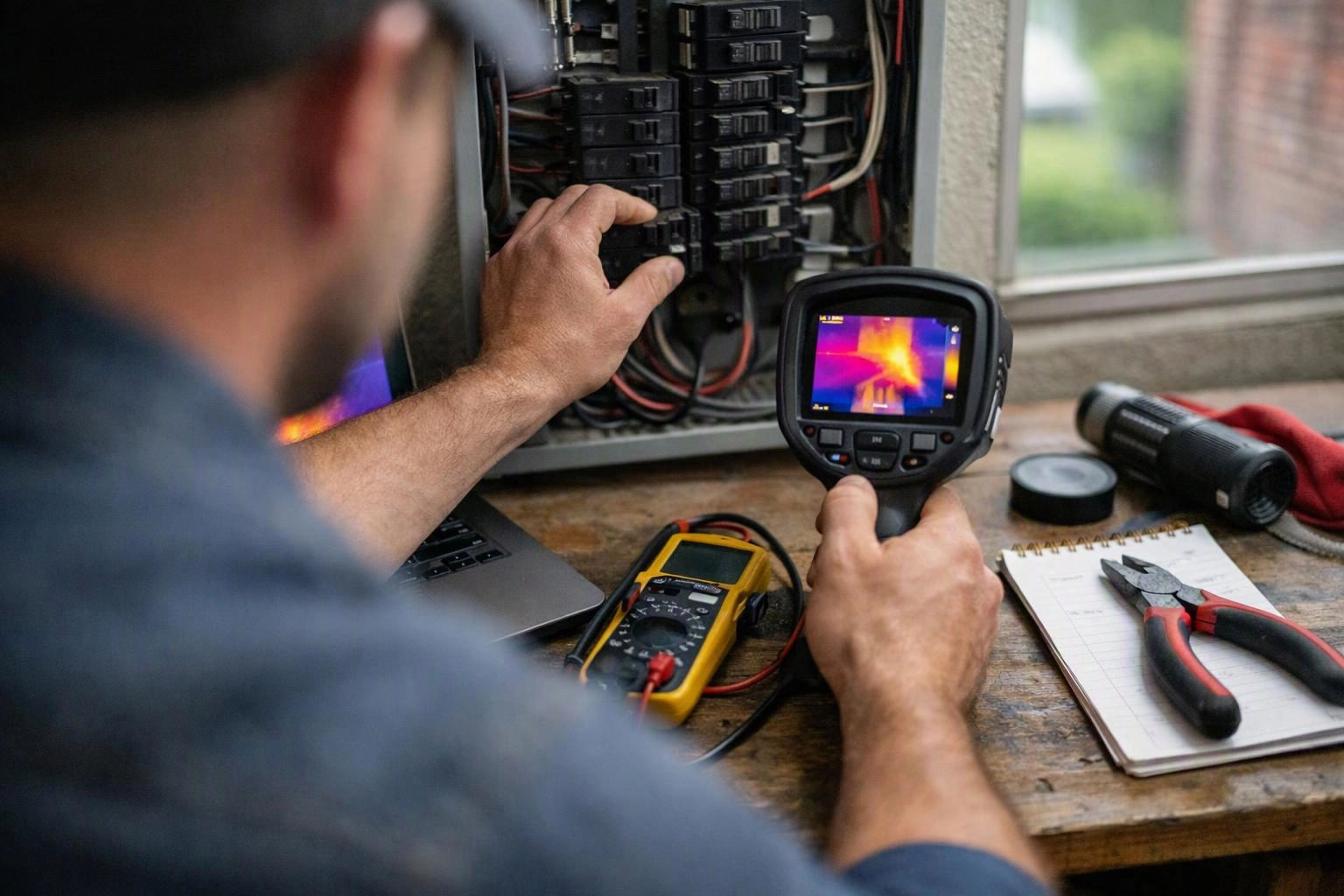
What Does an Electrical Safety Inspection Include?
Electrical safety inspections evaluate accessible electrical equipment, wiring, connections, protection, grounding, and visible conditions that may create a shock, fire, or equipment risk.
We examine the electrical panel, branch circuits, electrical wiring, outlets, switches, and protective devices. Our inspection also considers grounding and bonding because these systems help control fault current and support safe operation.
We note damaged parts, loose components, exposed conductors, signs of overheating, and installation conditions that may need electrical code corrections. The inspection is a practical electrical system assessment, not just a visual tour.
What Is on an Electrical Inspection Checklist?
An electrical inspection checklist covers the service equipment, circuit protection, wiring condition, grounding, outlets, switches, and signs of unsafe installation or damage.
We use the checklist to connect each checkpoint with a possible shock hazard, fire hazard, equipment concern, or reliability issue.
We document relevant inspection findings so the next step is based on the condition we observed. Testing may be recommended when a visual inspection cannot answer a safety question.
How Thermal Imaging Helps Reveal Electrical Problems
Thermal imaging detects abnormal heat patterns on energized electrical components, helping us investigate loose connections, excessive resistance, uneven loading, and other concealed conditions.
Our team uses an infrared camera to review accessible areas of an electrical panel, circuit breaker, busbar, and terminal connection while the system is operating under its existing load condition. A loose connection or high-resistance connection may produce more heat than nearby components.
An overloaded circuit can also show an abnormal heat pattern. We treat the thermal image as a diagnostic clue that must be compared with the visual inspection, electrical testing, circuit loading, and equipment condition.
Can an Electrical Inspection Find Hidden Problems?
Yes, an electrical inspection can reveal some hidden problems when visual findings, testing, and thermal patterns point to a condition that is not visible during a basic walkthrough.
A hidden electrical fault may involve intermittent operation, overheating, a concealed wiring concern, or an electrical connection that changes under load. We compare symptoms with test results and thermal scan observations to narrow the possible cause.
A visual inspection cannot expose every concealed condition, and thermal imaging cannot diagnose every fault. We explain these diagnostic limits and recommend targeted testing when access, system operation, or the fault location prevents a clear conclusion.
How We Combine Inspection Findings With Thermal Imaging
Thermal imaging electrical testing works best when thermal observations are connected to the rest of the inspection.
Electrician Pittsburgh combines visual inspection, electrical testing, and thermal imaging findings to identify the condition that needs attention and explain the appropriate electrical code corrections.
We review the load condition, compare related components, and note whether the thermal pattern matches a loose terminal, an overheated connection, circuit loading, or another concern. Our inspection documentation records the location, observed condition, and recommended next step.
We then explain whether the recommended work involves a focused repair, broader repair scope, additional testing, or a follow-up inspection. This approach keeps an infrared image from being treated as a standalone diagnosis.
How Often Should an Electrical System Be Inspected?
An electrical system should be inspected when its condition, use, history, or symptoms create a reason to verify safety, including after modifications or when warning signs appear.
Electrical inspection frequency depends on property age, renovation work, electrical modification, equipment changes, and how the system behaves. We also recommend an assessment when repeated breaker trips, flickering lights, a burning odor, or a warm outlet suggests a developing concern.
A home purchase is another reason to arrange an electrical inspection. We can review accessible equipment and explain which conditions deserve attention before you plan repairs or future improvements.
What Happens After an Inspection Finds a Problem?
After an inspection identifies a problem, we explain the condition, prioritize the risk, describe the needed correction, and provide the information required to plan the work.
Our process connects the inspection findings to a clear repair decision. Thermal image documentation may support the explanation when abnormal heat helped locate the concern.
Free Estimates Available helps customers plan the next step after we explain the inspection findings and repair scope. We keep the recommendation tied to the condition found on the system.
What Should You Prepare Before an Electrical Safety Inspection?
Preparing the electrical service history and access information helps our team focus the inspection on known symptoms and accessible equipment.
Share the following details before we begin:
Do not remove covers or handle energized equipment to prepare for the visit. We can identify the safe inspection points and explain what requires further testing.
Questions About Electrical Inspections and Thermal Imaging
Does thermal imaging replace an electrical safety inspection?
No, thermal imaging does not replace an electrical safety inspection. Electrician Pittsburgh uses thermal findings with visual inspection and electrical testing to assess the system.
What does a thermal camera show in an electrical panel?
A thermal camera shows heat patterns across accessible energized components in an electrical panel. We use differences in heat to guide further checks of breakers, busbars, terminals, and connections.
Can thermal imaging detect a loose electrical connection?
Yes, thermal imaging can reveal heat associated with some loose electrical connections. We verify the thermal pattern with other inspection findings and testing before recommending a correction.
What warning signs mean an electrical system should be checked?
Repeated breaker trips, flickering lights, a burning odor, warm outlets, unusual sounds, and visible damage mean the electrical system should be checked. We inspect the related equipment and explain the safest next step.
What information should an electrical inspection report contain?
An electrical inspection report should identify the inspected areas, relevant conditions, testing observations, safety concerns, recommended corrections, and any follow-up inspection needs. Thermal image documentation can support the report when heat patterns guided the evaluation.
Schedule an Electrical Safety Inspection
Electrician Pittsburgh reviews electrical safety concerns, documents inspection findings, and explains the next step for thermal imaging electrical testing or electrical code corrections.
Contact our team to discuss the property, symptoms, accessible equipment, and inspection scope. We will explain what the inspection includes and how to obtain an exact quote.