Skip to content

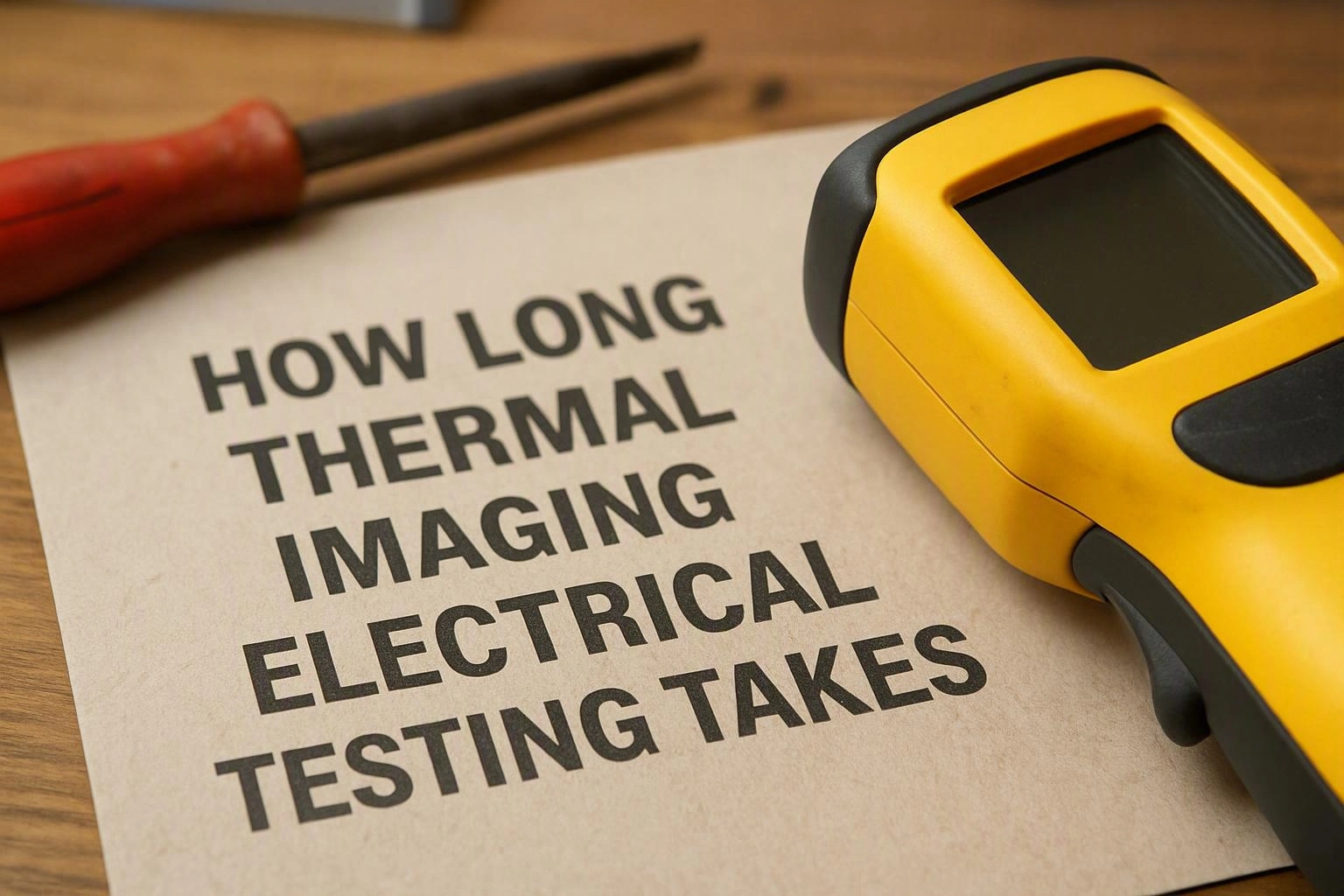
How Long Does Thermal Imaging Electrical Testing Take?

Thermal imaging electrical testing takes 30 minutes to 6 hours. The time depends on the panels, circuits, loads, and access. A simple home scan may take 30–60 minutes. An average property often takes 1–3 hours. A complex commercial or industrial inspection may take 3–6 hours or more. The electrician may need normal equipment loads during testing. They must also record heat patterns and prepare a report. Ask if the quote includes setup, testing, review, and reporting. At Electrician Pittsburgh, we provide Thermal Imaging Electrical Testing in Pittsburgh. We explain the work scope and safety needs before work starts.

Get a Free Estimate

How Long Does a Thermal Electrical Inspection Usually Take?

Thermal imaging electrical testing usually takes 30 minutes to 6 hours. A simple inspection takes about 30–60 minutes. An average property takes 1–3 hours. A complex commercial or industrial inspection takes 3–6 hours or more. Report work and repair tips may add time after the scan.

A licensed electrician first checks the work area. They confirm which equipment needs review. The visit may include an infrared inspection of an electrical panel, disconnects, breakers, and wires. The camera records surface heat without touching live parts.

Home systems often take less time. They may have one main panel and fewer circuits. A commercial site can have many panels and switchboards. It may also have rooftop equipment and several buildings.

Industrial systems may need added planning. Workers may need controlled access to the area. Plant staff may also need to coordinate the visit.

Time on site isn't always the full job time. Setup, safe positioning, image capture, and image review may take extra time. The report may also be billed or planned separately. Ask if the estimate includes each step.

A heat pattern may need more testing. The electrician may suggest a power shutdown or another visit. Even an emergency call involving a 24 Hour Electrician may need a planned scan later. The equipment must reach a normal load for a useful scan.

Typical Thermal Imaging Testing Times by Project Scope

Thermal imaging testing time depends on the project scope. A simple inspection takes 30–60 minutes. An average inspection takes 1–3 hours. A complex inspection takes 3–6 hours or more. These times cover scanning on site. They may not include full review, reports, repairs, or another visit.

Project scope Typical on-site time Common work included
Simple inspection 30–60 minutes One electrical panel, visible parts, and a basic thermal scan
Average inspection 1–3 hours Several panels, circuits, equipment groups, and image records
Complex inspection 3–6 hours or longer Large commercial or industrial systems, closed areas, and follow-up checks

These ranges help with planning. They aren't fixed promises. A small home may take longer when panels are blocked. Lightly loaded circuits can also slow the work.

A large property may take less time than expected. Clear labels and easy access can help. Normal equipment use also makes the scan more direct.

The work scope should list any repairs. Finding a thermal anomaly doesn't mean the repair can happen during the scan. Repair work may need a shutdown plan. A second inspection may also take extra time.

What Can Make the Inspection Take Longer or Shorter?

Inspection duration changes for several reasons. These include panel numbers, access, load, property size, and needed records. Heat problems may also require more time.

A system with clear access can be scanned faster. Limited access or several buildings can extend the visit. Follow-up readings may also add time.

1
Number of electrical panels: More panels create more points to check. A home with one panel is usually quicker. A business may have several distribution panels.
2
Circuit accessibility: Locked rooms can slow the setup. Stored items and tight spaces can cause delays. Clear access helps the electrician work safely.
3
Electrical load: A thermal scan works best with a normal load. This must be safe and suitable for the equipment. Lightly loaded circuits may hide a problem. The scan may need to happen during normal building use.
4
Equipment operating conditions: Motors and heaters may need to run. Production lines may also need to stay active. Staff planning can add waiting time at industrial sites.
5
Requested records and follow-up: Detailed photos and readings take longer. Asset labels and part comparisons also add time. An unusual result may need a shutdown or another visit.

Property size affects more than walking time. Commercial and industrial systems may have many rooms. They may also include outdoor equipment and closed areas.

Home testing is often more direct. Access to an attic, garage, or detached building can still change the schedule.

Never create a normal load in an unsafe way. The electrician must decide if equipment can stay on. They must also decide if more testing is needed.

A suspected overloaded circuit needs careful review. A loose connection also needs safe handling. The work shouldn't be rushed to meet a time estimate.

What Happens During a Thermal Imaging Electrical Test?

Thermal imaging electrical testing combines a visual check with infrared scanning. The electrician scans live electrical equipment. They check panels, breakers, disconnects, wires, and connections.

How Long Thermal Imaging Electrical Testing Takes

They look for unusual heat differences. They record images and compare similar parts. Some findings may need power-off testing or repair.

The visit starts with an equipment review. The electrician checks how the equipment is being used. They may look for damaged covers, color changes, rust, or poor labels.

The infrared camera then records heat patterns. The electrician uses safe viewing positions. They don't need to touch live parts during the scan.

Infrared thermography doesn't see power inside a wire. It shows the temperature on the surface. A large heat difference may point to a problem.

The electrician compares similar phases, terminals, or breakers. They don't judge one image by itself. A warm connection may be normal for that equipment.

An isolated hot spot may need attention. An overloaded circuit can create extra heat. The cause must be confirmed before any repair.

The electrician records images, labels, and load details. They also note the conditions during the scan. If a finding creates a safety risk, they explain the next step.

This makes the scan part of an electrical safety inspection. It can also support preventive electrical maintenance. It doesn't replace every other electrical test.

Does the Report Add Time After the On-Site Scan?

An inspection report can take extra time after the scan. The time depends on the number of images and the level of review.

A customer may need marked infrared images. They may also need repair priorities or a maintenance record.

A basic report may list the equipment checked. It may note normal or unusual findings.

A detailed report compares similar parts. It explains heat differences and includes two types of images. It may also explain each repair step.

Ask if the report is part of the quoted time. A scan may take one hour on site. The review and written advice may happen later.

The report should state what the electrician found. It should also list the load and site conditions. It should say if more testing is needed.

How to Prepare for a Faster, More Useful Inspection?

Property owners can help shorten thermal imaging testing. Clear access to panels and equipment helps. It also helps to share key circuits and known concerns.

Keep systems at a normal load when it's safe. This helps the electrician read heat patterns. It can also support a better electrical safety inspection report.

Clear equipment access: Move items away from panels and disconnects. Clear the space around electrical rooms. Arrange keys for locked commercial areas.
Share a load schedule: Explain when major motors and heaters run. Include servers and production equipment. This helps plan the scan.
Provide maintenance history: Report repeated breaker trips or flickering lights. Mention warm smells and past repairs. Tell the electrician about known loose connections.
Identify important circuits: Point out life-safety systems and refrigeration. Include data equipment and other key loads.
Keep people safe: Don't remove covers for the test. Don't operate equipment for the scan. Let the electrician manage the safety check.

Commercial sites may have strict access rules. Production schedules may also control the visit. Good planning can prevent delays.

Homeowners should mention hard-to-reach panels. They should also mention detached buildings.

Before booking, confirm the work scope and expected load. Ask about the report format and follow-up steps.

Also ask if setup, scanning, review, reporting, and repairs are separate. A clear quote helps prevent surprises.

Questions About 24 Hour Electrician

How Long Does a Thermal Imaging Electrical Inspection Take?

Most inspections take 30 minutes to 6 hours on site. A simple home inspection may take 30–60 minutes. An average property may take 1–3 hours. A complex commercial or industrial system may take 3–6 hours or more. Reports and repairs may take extra time.

How Often Should Electrical Thermal Imaging Be Done?

The right schedule depends on the equipment and its age. It also depends on the load, risk, and repair history. A licensed electrician can suggest the right interval. Testing may be part of planned preventive maintenance. It may happen sooner after repairs, load changes, repeated trips, or overheating signs.

What Does Thermal Imaging Detect in an Electrical Panel?

It can show unusual heat linked to high resistance or uneven loads. It may also show a weak breaker, poor contact, or an overloaded circuit. The image shows surface heat. A professional should review unusual findings. More testing may be needed.

Can Thermal Imaging Find a Loose Electrical Connection?

It can show heat linked to a loose connection. Resistance at the connection may create extra heat. The electrician must compare similar parts. They must confirm the cause before making repairs.

Does Thermal Imaging Electrical Testing Require the Power to Be Turned Off?

The scan usually checks live equipment. Heat patterns are most useful under a normal load. Power should stay on only when it's safe. Covers, repairs, and added tests may need a controlled shutdown. A qualified professional should manage that work.

+1 (412) 530-6737