Warning Signs at an Electrical Outlet
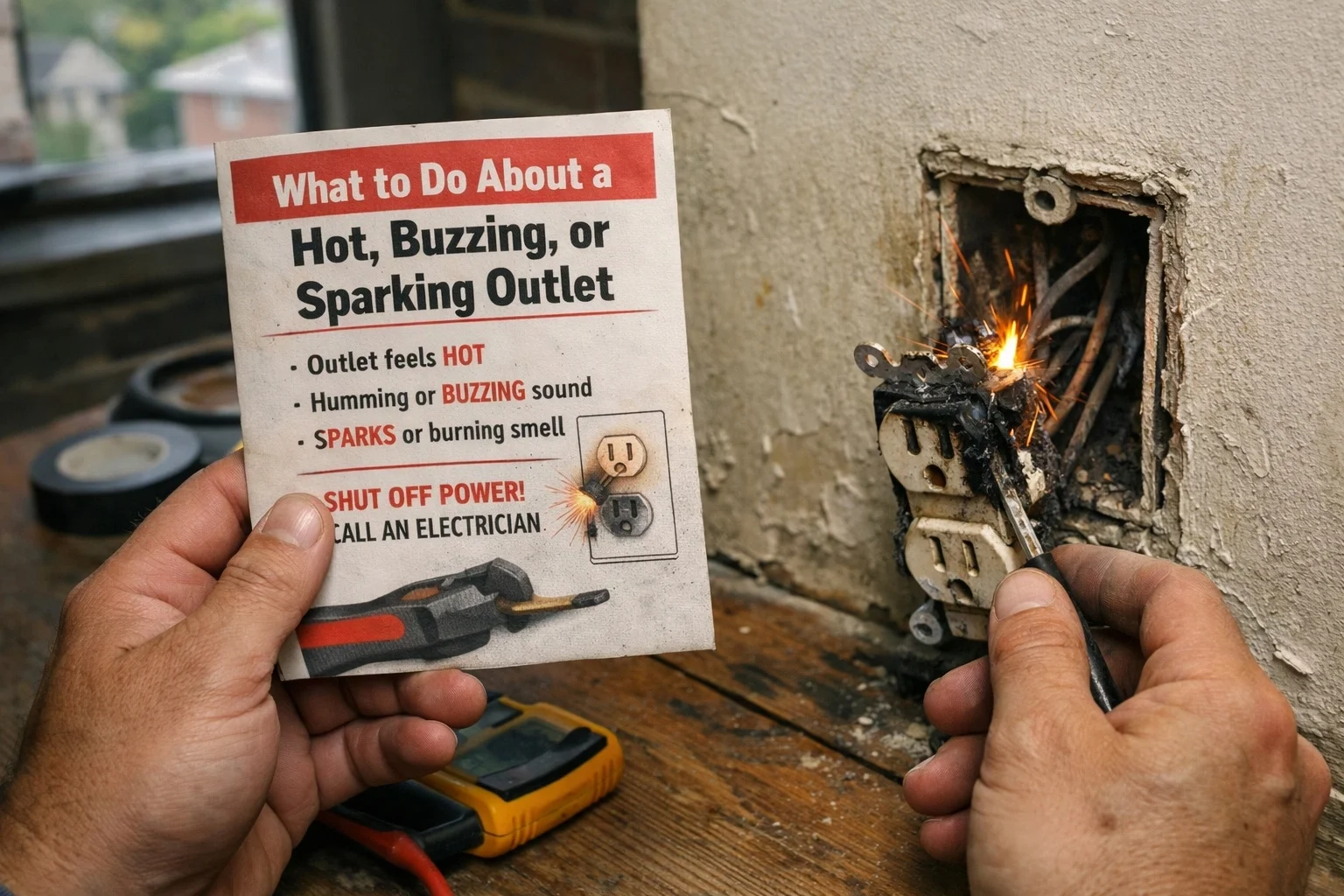
An electrical outlet can show signs of damage through heat, sound, or visible changes. Don't touch or use the outlet if you notice a warning sign.
- Heat: The outlet or faceplate feels hot.
- Noise: You hear buzzing or a crackling sound.
- Sparks: You see unusual or ongoing sparks.
- Scorch marks or discoloration appear on the outlet or nearby wall.
- A burning smell comes from the outlet.
- Plugs fit loosely or won't stay in place.
What to Do When an Outlet Seems Unsafe
An unsafe outlet needs to be left alone until we can check it. Don't touch the outlet, its faceplate, or anything plugged into it.
- Stop using the outlet without touching it or unplugging anything.
- Keep people away from the outlet.
- Turn off the circuit breaker only if you can reach it safely. If you aren't sure which breaker controls the outlet, leave it alone.
- If there's smoke or fire, leave the area and call emergency services from a safe place.
- Call Electrician Pittsburgh for electrical help.
Why an Outlet Can Spark When You Plug Something In
A spark can appear as electrical current begins flowing when a plug makes contact. Unusual or ongoing sparking can signal a problem that needs attention.
Electrical arcing occurs when current jumps across a gap. If sparks come with heat, noise, or discoloration, stop using the outlet and have us check it.
Common Causes of Outlet Heat and Noise
Outlet heat and noise can come from damaged parts or too much demand on a circuit. We check the outlet and circuit to identify the cause before recommending work.
- Loose or damaged connections: A loose connection can create heat or arcing.
- Worn outlet contacts: Contacts that no longer grip a plug firmly can make poor contact.
- Damaged wiring: Outlet wiring can develop damage that causes heat or noise.
- Circuit overload: Too much demand on a circuit can cause overheating.
Can Emergency Electrician Service Identify a Buzzing Outlet Problem in Your Home?
Yes, Emergency Electrician Service can identify the cause of a buzzing outlet. We'll check the outlet and circuit before explaining the needed work.
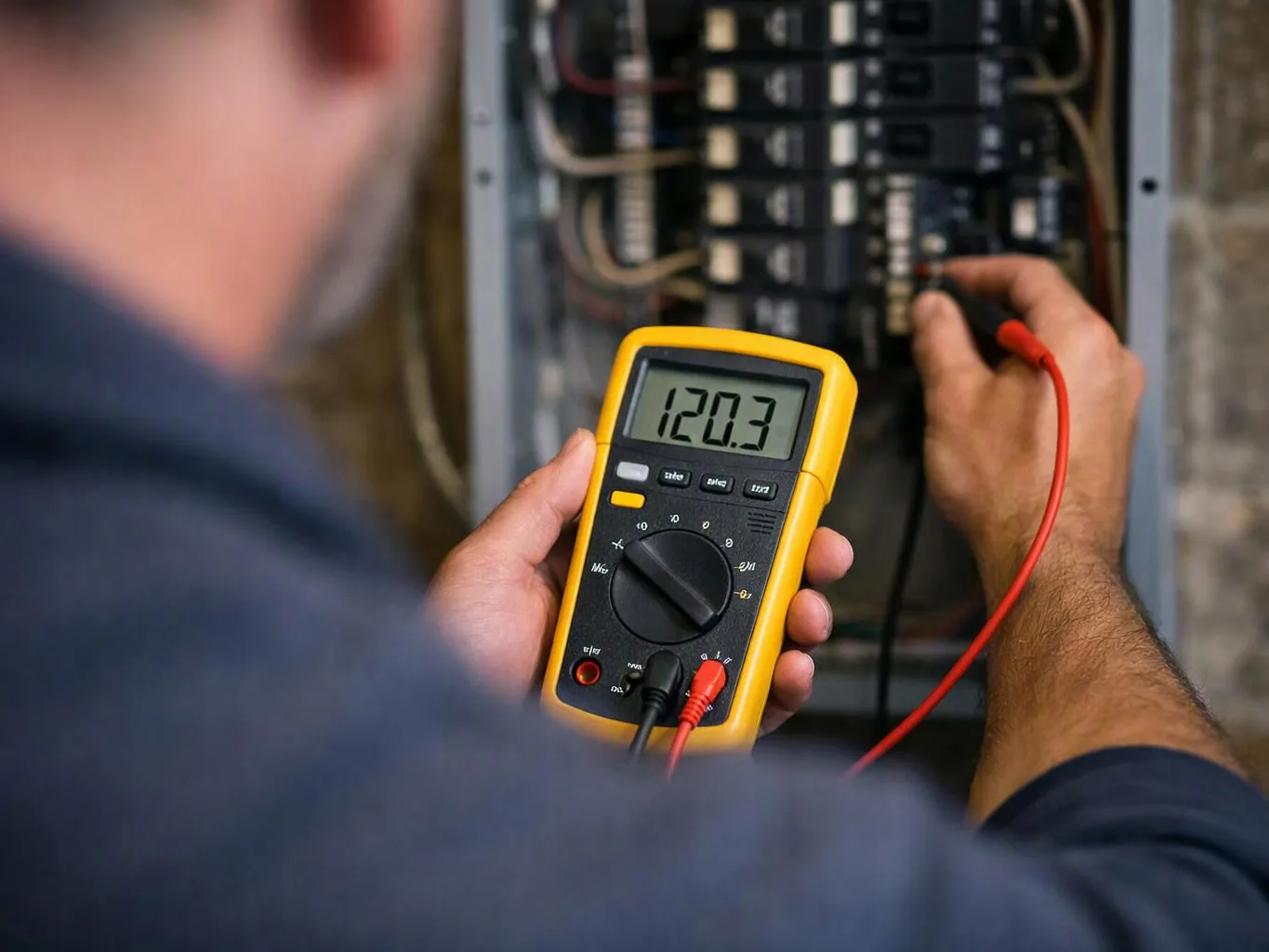
We inspect the receptacle and check its wiring for damage or loose connections. Based on what we find, we'll explain whether repair or replacement is needed.
Preventing Outlet Problems
Good outlet habits can help you spot problems before they get worse. If a warning sign returns, stop using the outlet and let us check it.
- Avoid overloading outlets and circuits with too many devices.
- Keep moisture away from outlets.
- Stop using damaged plugs and cords.
- Report loose outlets or recurring warning signs so we can inspect them.
Can Emergency Electrician Service Check a Discolored Outlet in Your Home?
Yes, Emergency Electrician Service can check a discolored outlet for damage and overheating. We'll explain what we find and the work needed.
Outlet discoloration can be a sign of overheating. Don't use the outlet until we've checked it and the surrounding wiring.
Contact Electrician Pittsburgh to discuss the warning signs and request an inspection.
Get a Free EstimateFrequently Asked Questions
Is a warm outlet always dangerous?
No, a warm outlet isn't always dangerous, but unusual heat deserves attention. Stop using the outlet if it's hot or shows other warning signs. Electrician Pittsburgh can check the outlet to identify the cause.
Can I replace a sparking outlet myself?
No, don't replace a sparking outlet yourself. Electrical work can cause a shock, and the wiring may also be damaged. We'll check the outlet and wiring before recommending a repair.
What changes the price of repairing a sparking outlet?
The price of repairing a sparking outlet depends on the damage and the work needed. The wiring's condition can also change the scope of repair. We'll explain what our estimate covers. Free estimates are available.
What Are the Key Specifications to Know?
- Topic Focus
- What to Do About a Hot, Buzzing, or Sparking Outlet
- Related Core Service
- Emergency Electrician Service
- Evaluation Method
- On-Site Inspection & Written Scope
- Compliance Standard
- Local Building Code & Manufacturer Specs
How Does the Evaluation & Execution Process Compare?
| Evaluation Stage | Technical & Quality Criteria | Timeline Checkpoint |
|---|---|---|
| Initial Diagnostic & Assessment | Identify root cause, site constraints & code requirements | Before any work begins |
| Written Scope & Option Comparison | Compare repair vs. replacement tiers & material grades | Prior to project approval |
| Code-Compliant Execution | Follow manufacturer specs & local permitting standards | During active service |
| Final Verification & Walkthrough | Verify installation alignment, performance & clean site handoff | Upon project completion |
Related Resources
Emergency Electrician vs. Standard Appointment: Which Should You Book?
Compared ToEmergency Electrician Fees: Callout, Diagnosis, and Repair Charges
How It WorksEmergency Electrician Cost Factors: What Shapes Your Quote
How It WorksHow Emergency Electrician Estimates Work Before Repairs Begin