Discuss symptoms and property use
We ask what you’ve noticed, which areas are affected, and how the property uses power. This helps us set the inspection scope.
We check electrical systems in Pittsburgh homes and businesses for unsafe wiring, faulty breakers, and grounding concerns. You’ll receive clear findings before repair choices are made.
You get a clearer view of which electrical hazards need attention first.
A panel and circuit review can separate an isolated outlet problem from a wider system concern.
Inspection findings help you compare repair, replacement, and upgrade choices before work starts.
The review supports safer planning for renovations, new equipment, and commercial space use.
Electrical Safety Inspection is a structured check that identifies unsafe conditions in wiring, panels, outlets, grounding, and circuit protection.
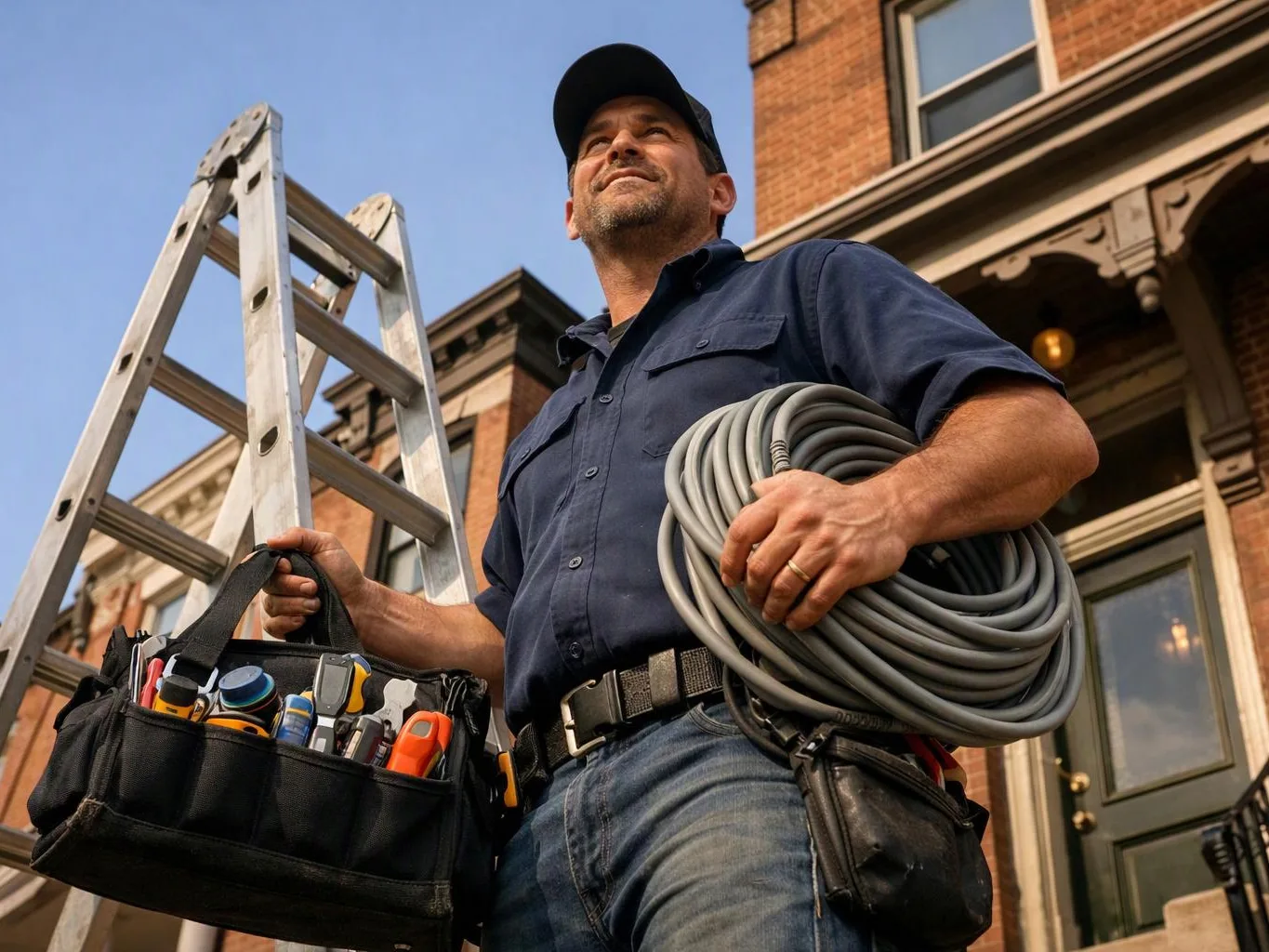
An electrical safety inspection reviews the condition and use of the system. We inspect the service panel, breakers, visible wiring, outlets, switches, grounding, and signs of heat or damage. The inspection is a good fit before buying a property, opening a business space, starting a renovation, or investigating repeated electrical symptoms. It can also help when you’re unsure whether an old panel or outlet setup is safe. This service does not replace every repair or installation. If we find a fault, we explain its scope and recommend the next step. Larger work may involve circuit tracing, a load calculation, a panel upgrade, or rewiring.
We ask what you’ve noticed, which areas are affected, and how the property uses power. This helps us set the inspection scope.
We inspect the panel, breakers, visible conductors, circuit labels, and signs of heat or damage. We trace problem circuits when symptoms point beyond one outlet.
We examine outlets, switches, grounding connections, and accessible wiring. Two-prong outlets, loose devices, and damaged covers receive focused attention.
We test relevant parts and separate immediate hazards from maintenance concerns. Then we explain the repair, replacement, or upgrade options that fit the property.
A few details can help us focus the inspection on the conditions that matter most.
We diagnose the reported symptoms, trace affected circuits, and explain suitable repair choices after checking the system.
We check panels, wiring, outlets, and grounding for conditions that could prevent safe electrical operation.
We troubleshoot the electrical system to identify faults before we recommend repairs or further inspection work.
An electrical safety inspection includes a review of panels, breakers, visible wiring, outlets, switches, grounding, and warning signs.
The final discussion separates immediate safety concerns from planned improvements.
Are you concerned about your electrical system? Request a free estimate for the inspection, and urgent requests get priority scheduling.
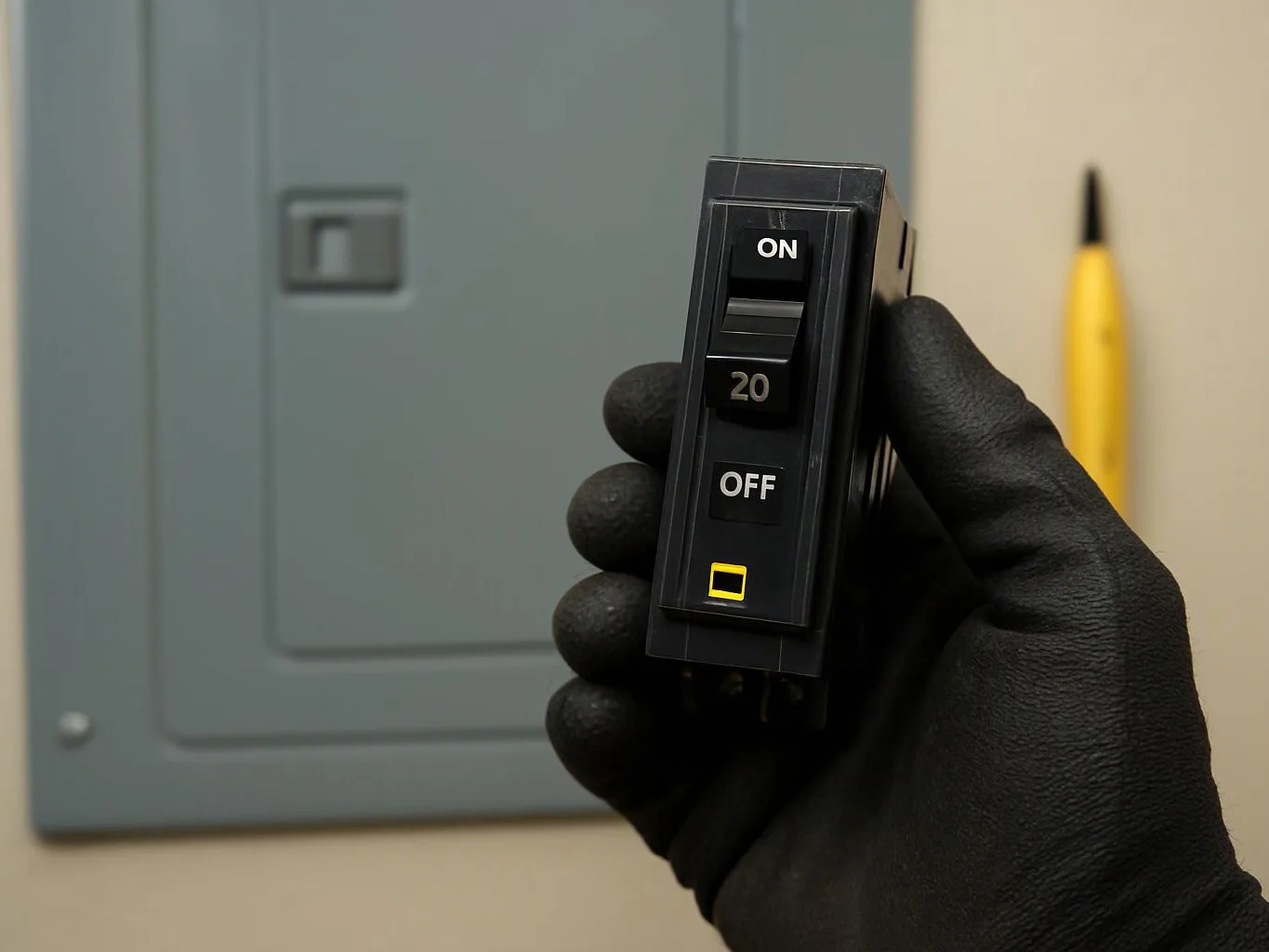
A breaker that trips during normal use can point to more than one overloaded device. The inspection should trace the circuit, check the breaker, and look for heat or loose connections before renovation work begins. Keep the affected circuit off if it shows burning, sparking, or a hot panel, then request an assessment so the planned work starts with a safer electrical picture.
Older wiring, two-prong outlets, and missing grounding can raise questions for a buyer or property owner. The inspection checks accessible wiring, receptacles, panel condition, and grounding paths, then separates urgent hazards from future upgrades. Share the areas that concern you and keep the panel accessible so we can focus the review on the property’s actual risks.
A business preparing to use a space needs more than working lights. An inspection reviews outlets, circuits, panel capacity, visible damage, and equipment connections that affect safe operation. Tell us what equipment the space will run and whether any outlets or breakers already show symptoms. We’ll use that information to explain needed repairs and practical next steps.