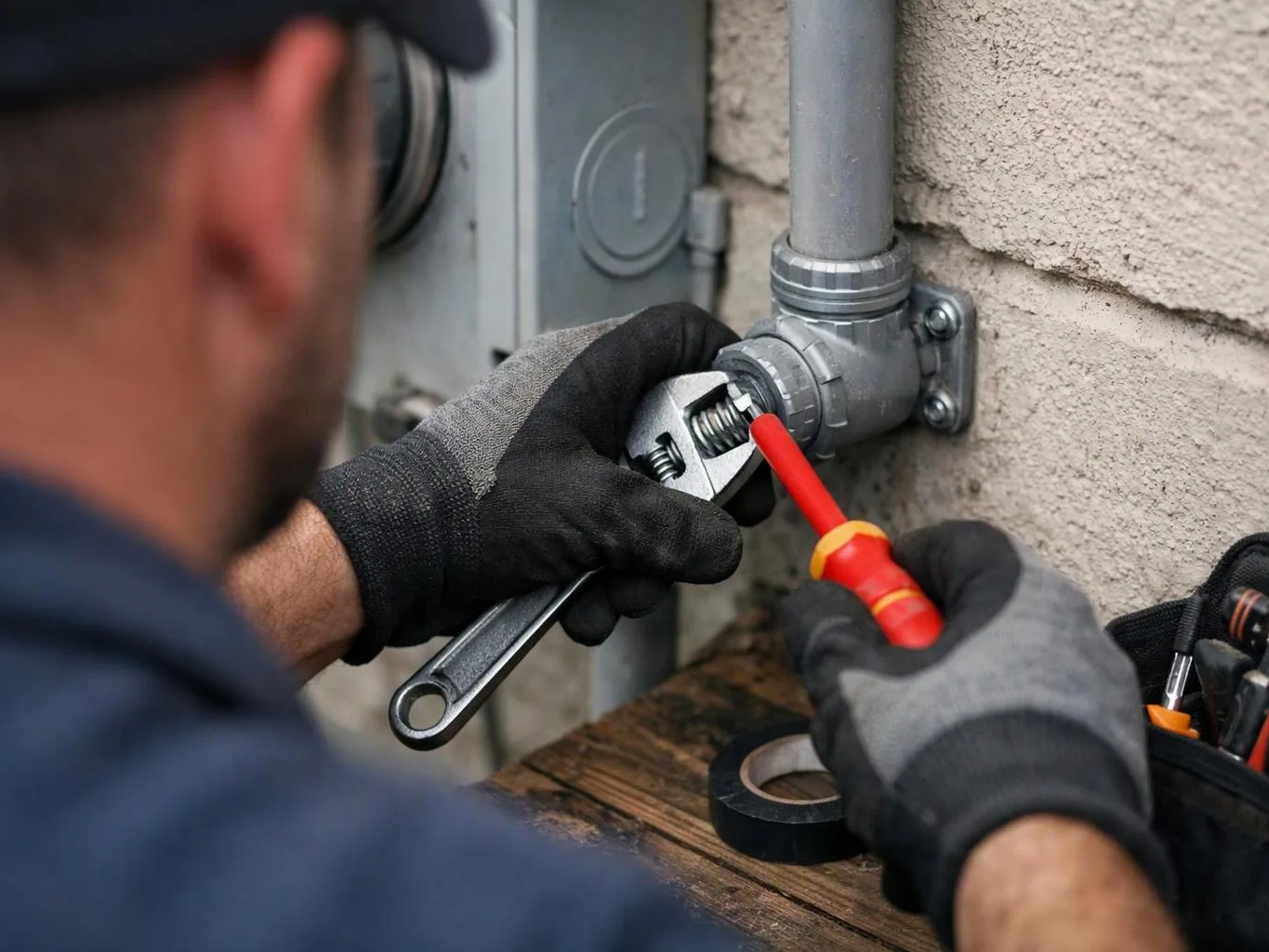
Signs Your Home May Need Service Entrance or Meter Socket Repair
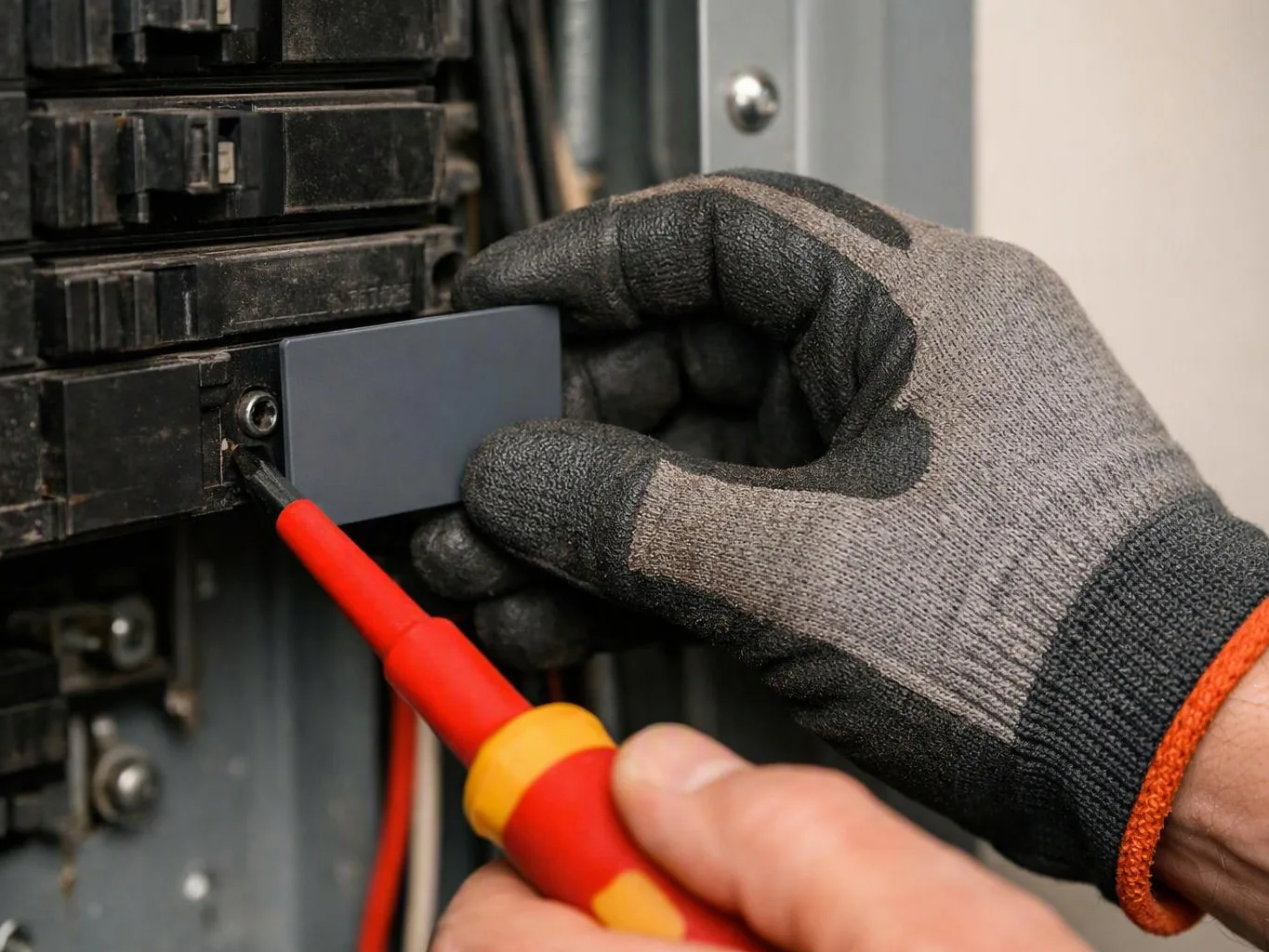
Service entrance repair signs include visible damage, scorching, unusual heat, flickering power, water intrusion, loose components, or repeated electrical interruptions. Electrician Pittsburgh checks the service entrance, meter socket, conductors, and connections to identify hazards and determine whether repair or meter socket replacement is needed.
Get a Free EstimateWhat Does a Service Entrance Do?
Service entrance equipment is the part of a building electrical system that brings utility service into the home and connects it to the electrical panel.
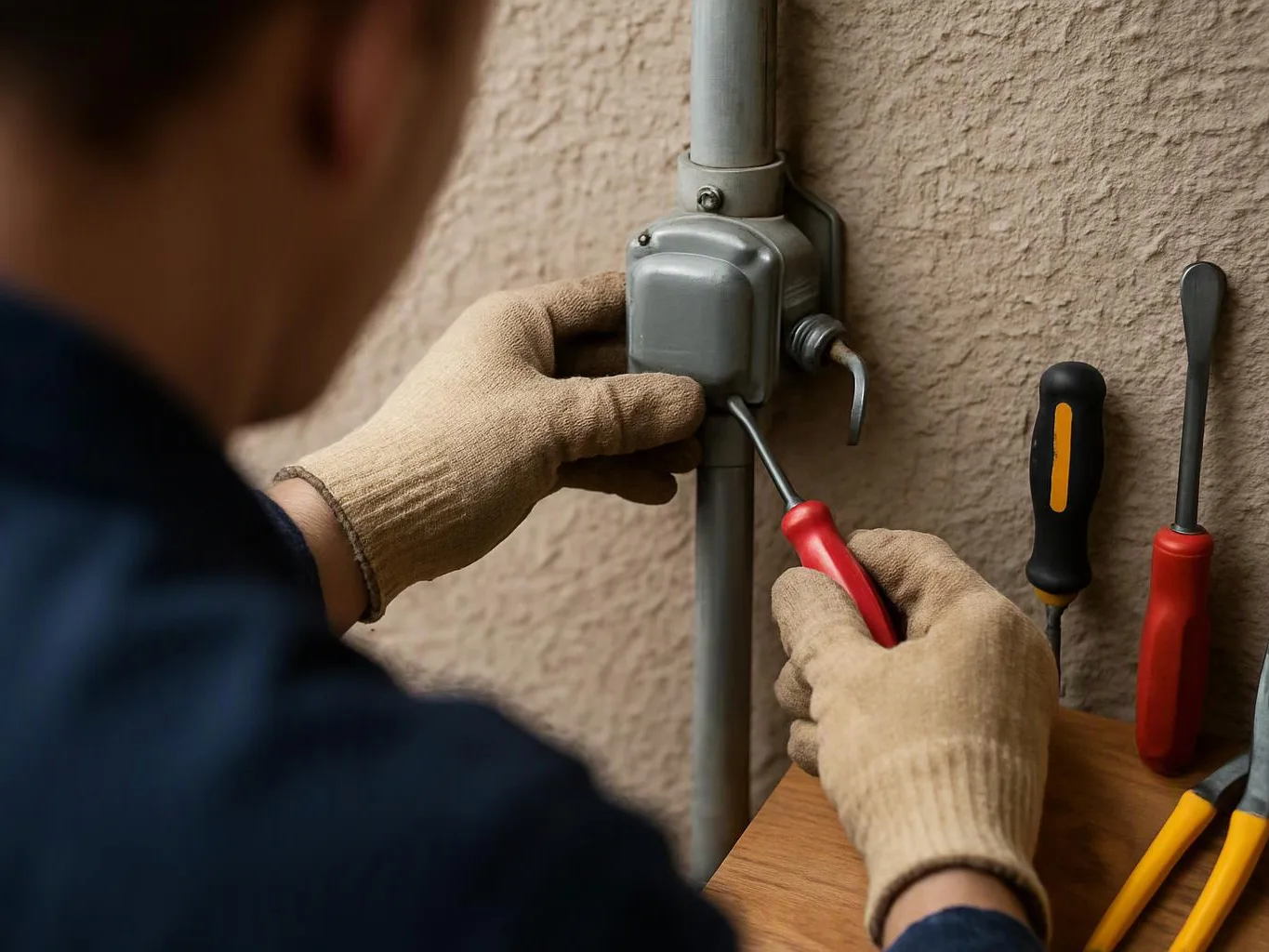
Service conductors carry incoming power from the utility connection to the meter socket and panel. The meter socket holds the electrical meter and connects the utility service to the home's distribution equipment.
Our team reviews the full electrical service connection because a problem at one point can affect the meter, panel, or conductors. We also check the grounding connection, bonding connection, service mast, weatherhead, service drop, or service lateral when those parts are present.
What Signs Suggest Your Service Entrance Needs Repair?
Service entrance repair may be needed when the equipment shows heat damage, corrosion, physical deterioration, unstable power, or signs of water intrusion.
Visible symptoms can point to trouble inside the enclosure or at the service connections. We inspect the affected components before deciding whether repair or replacement is appropriate.
These signs do not identify the failed part by themselves. We trace the symptom through the service entrance, meter socket, service conductors, and electrical panel to identify the hazard.
When Does a Meter Socket Need Repair or Replacement?
A meter socket may need repair or replacement when its enclosure, terminals, mounting, or connections are damaged, corroded, overheated, or no longer secure.
The meter jaws hold the utility meter in place and connect it to the home's service conductors. Heat damage, loose service connections, corrosion, or water intrusion can prevent those connections from working safely.
We examine the meter enclosure, meter jaws, terminals, lugs, and mounting points. Our inspection also considers whether the utility meter can remain in place and whether utility coordination is needed before work begins.
Meter socket replacement may be required when the enclosure has severe deterioration, the socket cannot hold the meter securely, or the internal connections have sustained overheating or water damage. We explain the repair scope after checking the equipment and the panel connection.
What Causes Service Entrance and Meter Socket Problems?
Service entrance and meter socket problems commonly develop when outdoor electrical equipment is exposed to moisture, movement, weather, or damaged connections.
Our crew looks for the source of the damage so a repair addresses more than the visible symptom.
We check for related damage after finding one cause. A damaged enclosure, for example, may also affect the meter jaws, terminals, grounding connection, or panel connection.
How We Inspect the Service Entrance
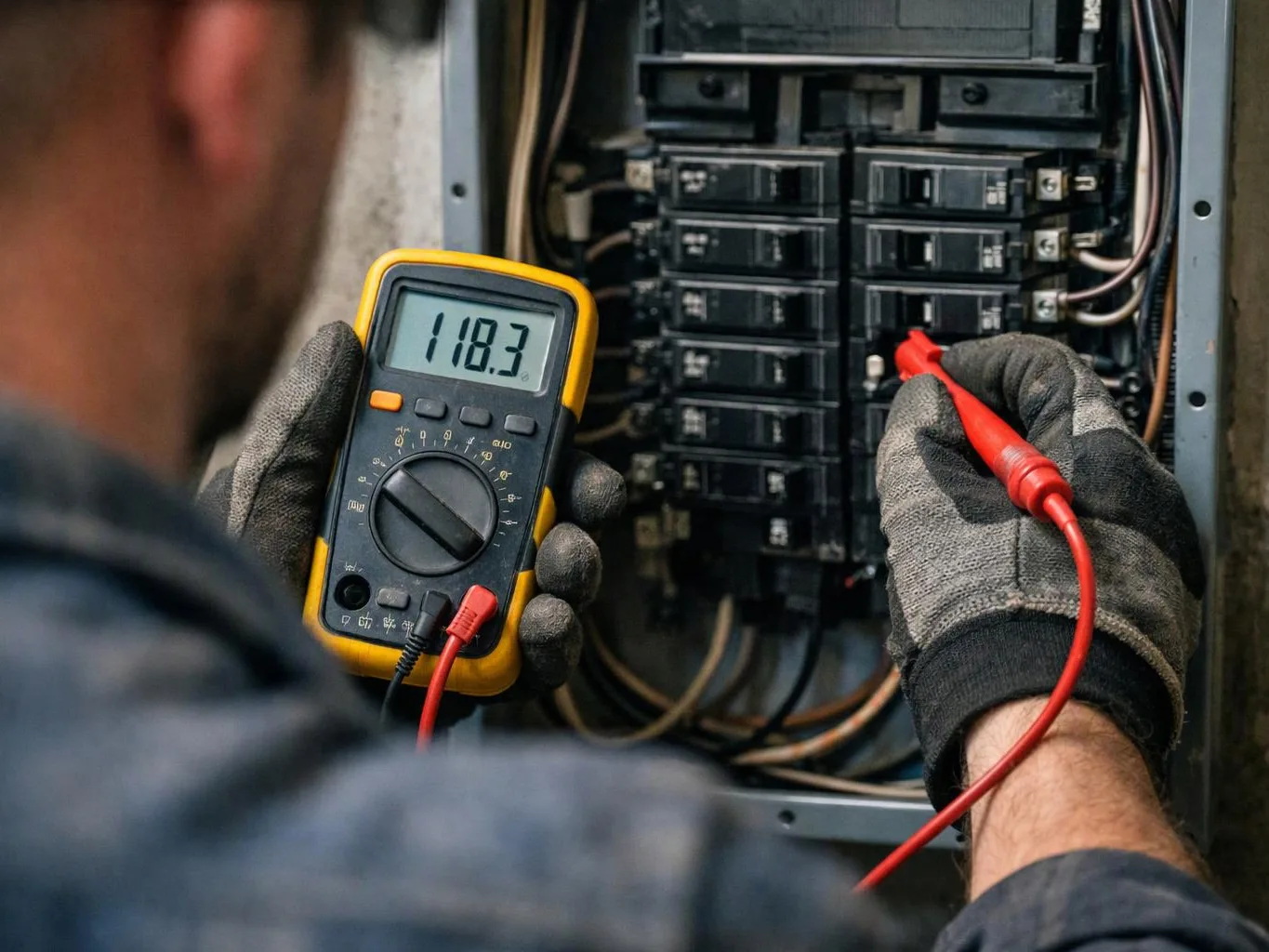
Our service entrance inspection follows the path of utility power from the exterior connection to the electrical panel.
We use the findings to separate a visible enclosure issue from a deeper service conductor or connection problem.
We do not ask you to remove the electrical meter or open energized service equipment. Our team explains the safe next step after the inspection findings are clear.
What Changes a Service Entrance Repair Quote?
A service entrance repair quote depends on the damaged component, conductor condition, access, required replacement work, and coordination with the utility; Electrician Pittsburgh provides Free Estimates Available.
The repair scope may involve a damaged enclosure, meter socket replacement, service entrance conductors, mounting hardware, grounding components, or the panel connection. Access conditions can also affect the work when equipment is behind siding, above finished surfaces, or near other obstructions.
Our team reviews the equipment condition and explains which parts require repair or replacement. We also identify utility requirements before finalizing the work plan and quote.
How Can You Prevent Service Entrance Damage?
Preventing service entrance damage starts with keeping exterior electrical equipment dry, protected, and accessible.
You can watch for early changes without opening the meter socket or touching service conductors.
We can inspect the service equipment when you notice moisture, corrosion, or storm damage. Early attention helps us define the repair scope before more components are affected.
When Should You Stop Using the Equipment?
Stop approaching or operating damaged service equipment when you see smoke, arcing, exposed conductors, severe heat, or active water intrusion, and contact Electrician Pittsburgh for guidance.
Electrical arcing, smoke, a strong burning odor, and exposed wiring can signal an electrical shock hazard or fire hazard. Do not touch the meter socket, electrical meter, service conductors, or wet equipment.
If safe to do so without approaching the damaged equipment, move people away from the area and avoid using connected electrical loads. Our team can explain emergency electrical isolation steps and coordinate the next inspection or repair.
Questions About Service Entrance and Meter Socket Repair
Can a damaged meter socket cause flickering lights?
Yes, a damaged meter socket can cause flickering lights when loose connections, overheating, corrosion, or damaged meter jaws disrupt the service connection. Electrician Pittsburgh checks the socket, service conductors, and electrical panel to identify the source.
Is rust around an electrical meter dangerous?
Yes, rust around an electrical meter can indicate moisture exposure, corrosion, or a weakened meter enclosure. We inspect the enclosure and connections to determine whether the condition creates an electrical safety concern.
Can homeowners repair a service entrance or meter socket?
No, homeowners should not open, remove, or repair energized service entrance equipment or a meter socket. You can keep clear of visible damage and contact us for an electrical safety inspection.
Does the utility company or electrician repair a damaged meter socket?
Electrician Pittsburgh repairs or replaces the customer-owned electrical equipment within our scope, while the utility may control the meter, service connection, or required disconnection. We explain the utility coordination needed for the repair.
Service entrance repair and meter socket replacement require careful inspection because heat, corrosion, water intrusion, and loose connections can affect the whole electrical service.
Contact Electrician Pittsburgh for guidance when your meter socket or service entrance shows damage, overheating, electrical arcing, or unstable power.
Related Resources
When a Circuit Breaker Needs Replacement
What It SolvesKnob-and-Tube Wiring Replacement: What Homeowners Should Know
What It SolvesUnderstanding Aluminum Wiring Concerns in a Home
What It SolvesBest Emergency Electrician Service Options for Urgent, Budget & Long-Term Projects in Pittsburgh