How are electrical code corrections completed?
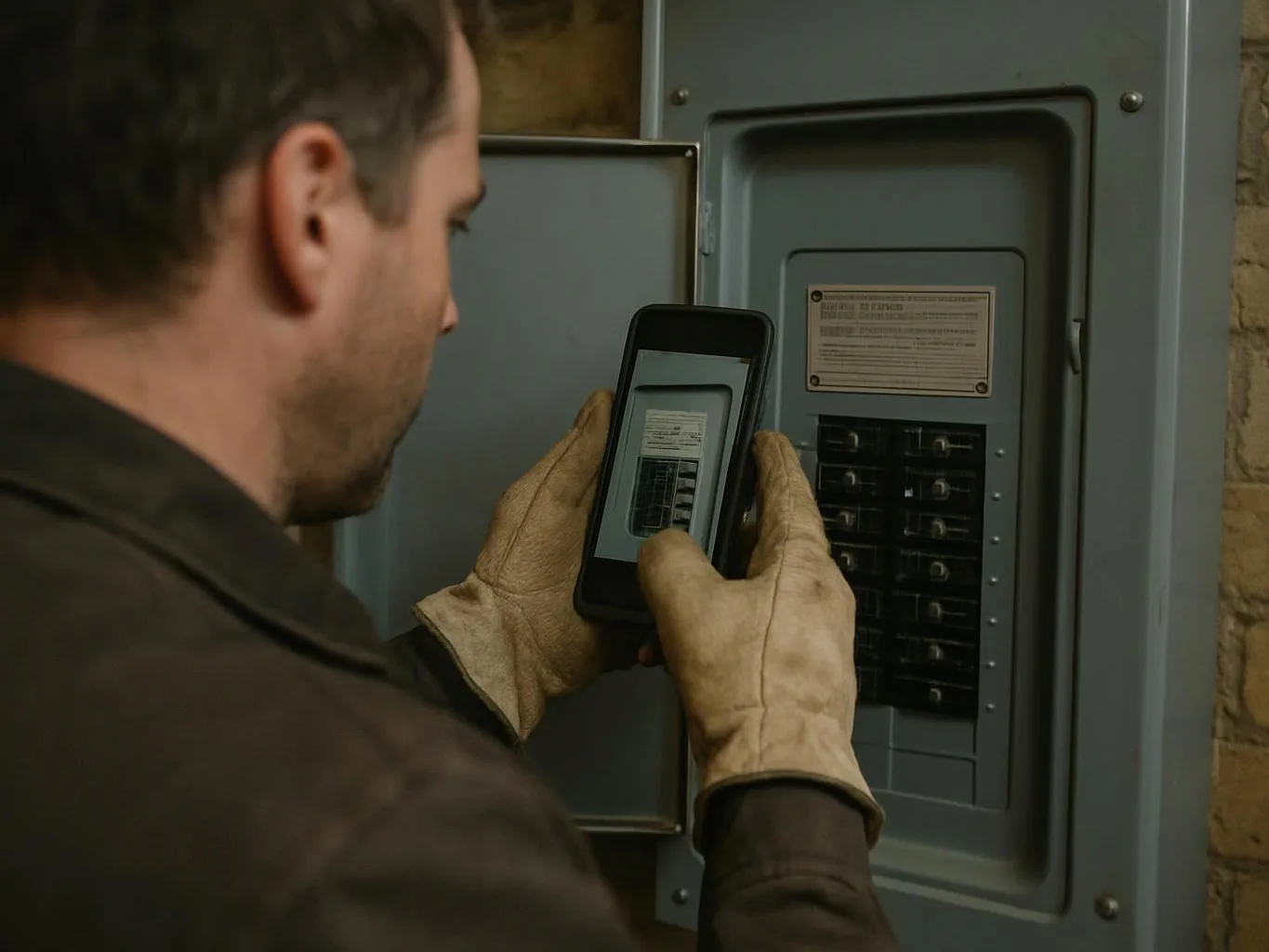
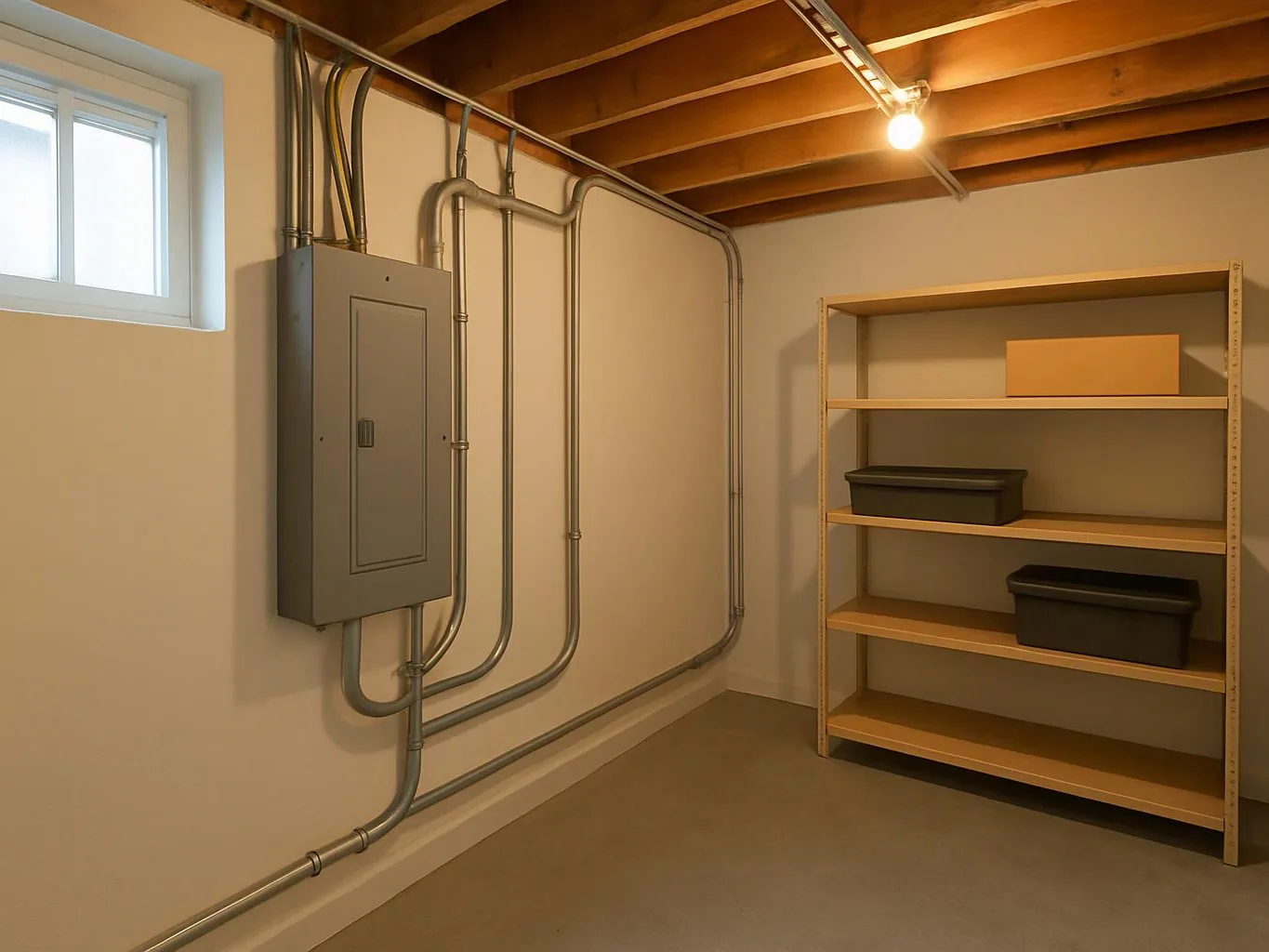
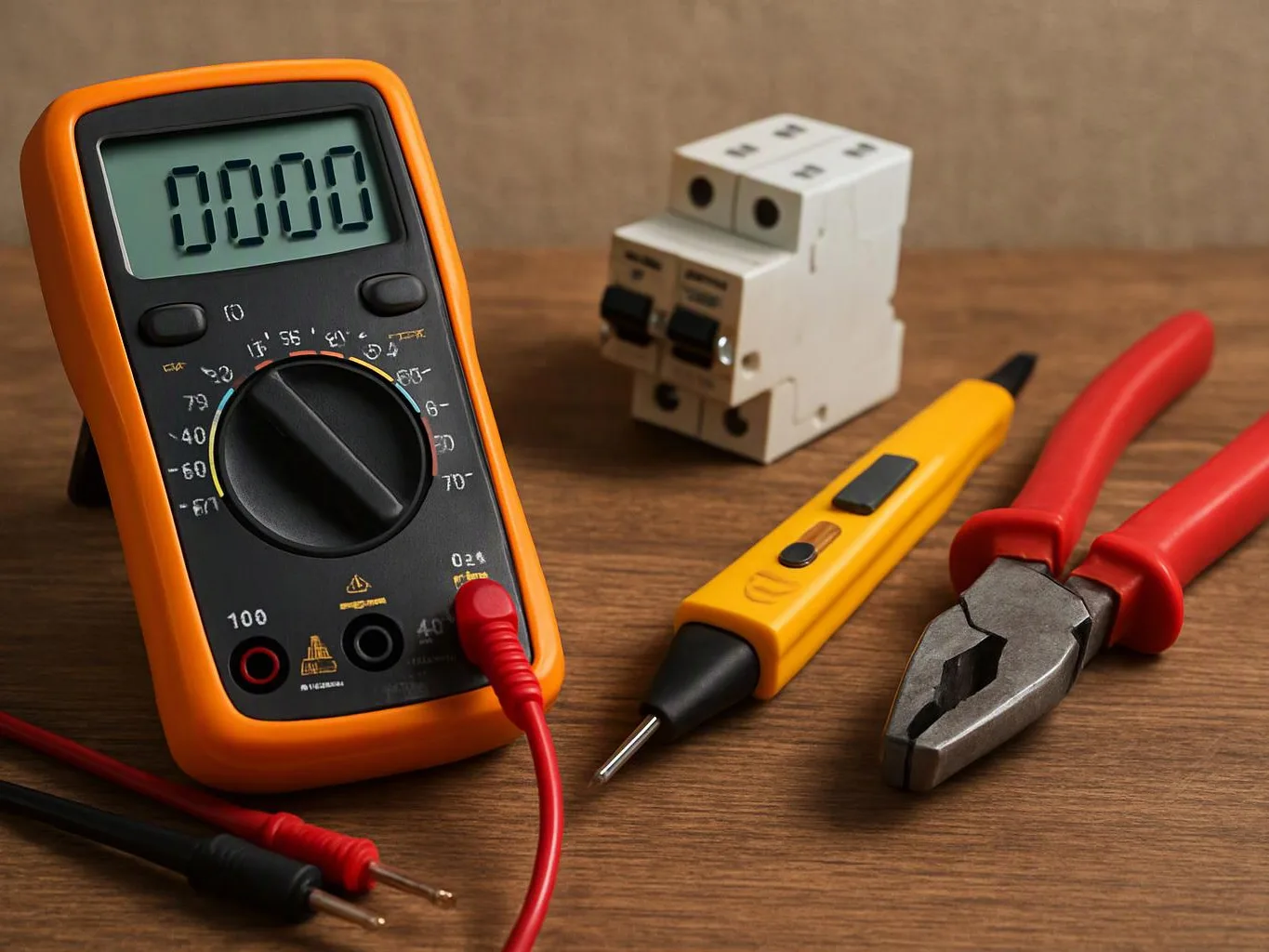
Panel labeling starts the work by matching breakers with the circuits they serve. We then inspect wiring, grounding, GFCI or AFCI protection, and conduit where needed. After we define the correction, we explain the estimate before work begins. Testing follows the repair, and we update the circuit information when labeling was part of the scope.
Which part of the property decides the scope of code corrections?
The affected circuit decides the initial scope because its wiring, protection, load, and access control the repair. We inspect the panel, outlets, switches, equipment, and visible cable route. A focused correction may fit one circuit, while damaged shared wiring or an unsuitable panel can require a broader electrical project.
Which material changes how long the correction work takes?
The wiring material and its access route often change the work involved. Copper conductors, aluminum wiring, cable, and conduit each need different checks and repair methods. We inspect the accessible path first, then explain whether the material calls for a device repair, circuit rewiring, or protected conduit route.
What does GFCI protection change during a correction?
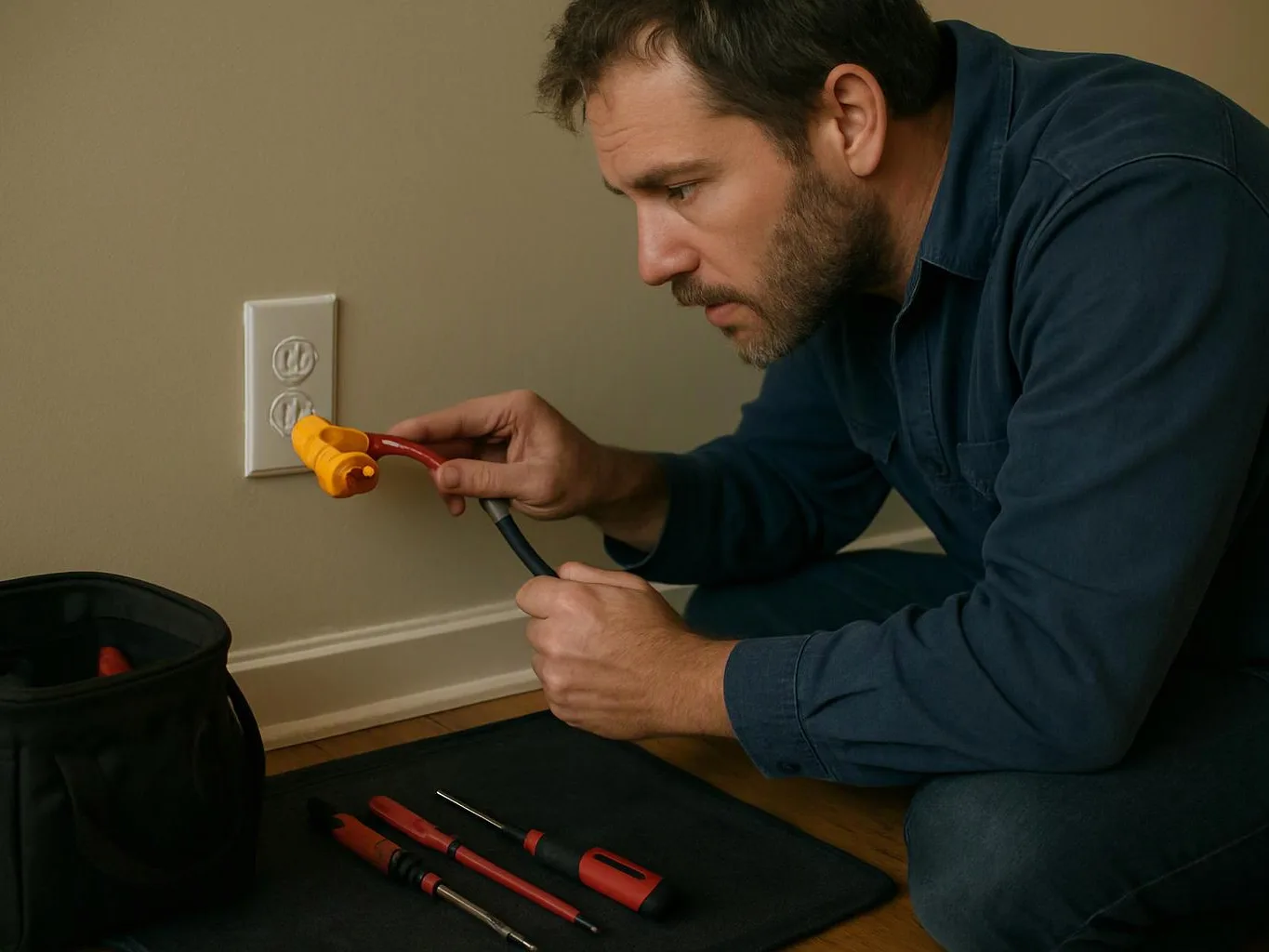
GFCI protection helps stop power when current leaves the intended circuit path. We check the device, line and load connections, grounding, and any upstream protection before making a correction. The work may involve a device replacement or a wiring repair when the circuit itself has a fault.
When does a code correction become a panel upgrade?
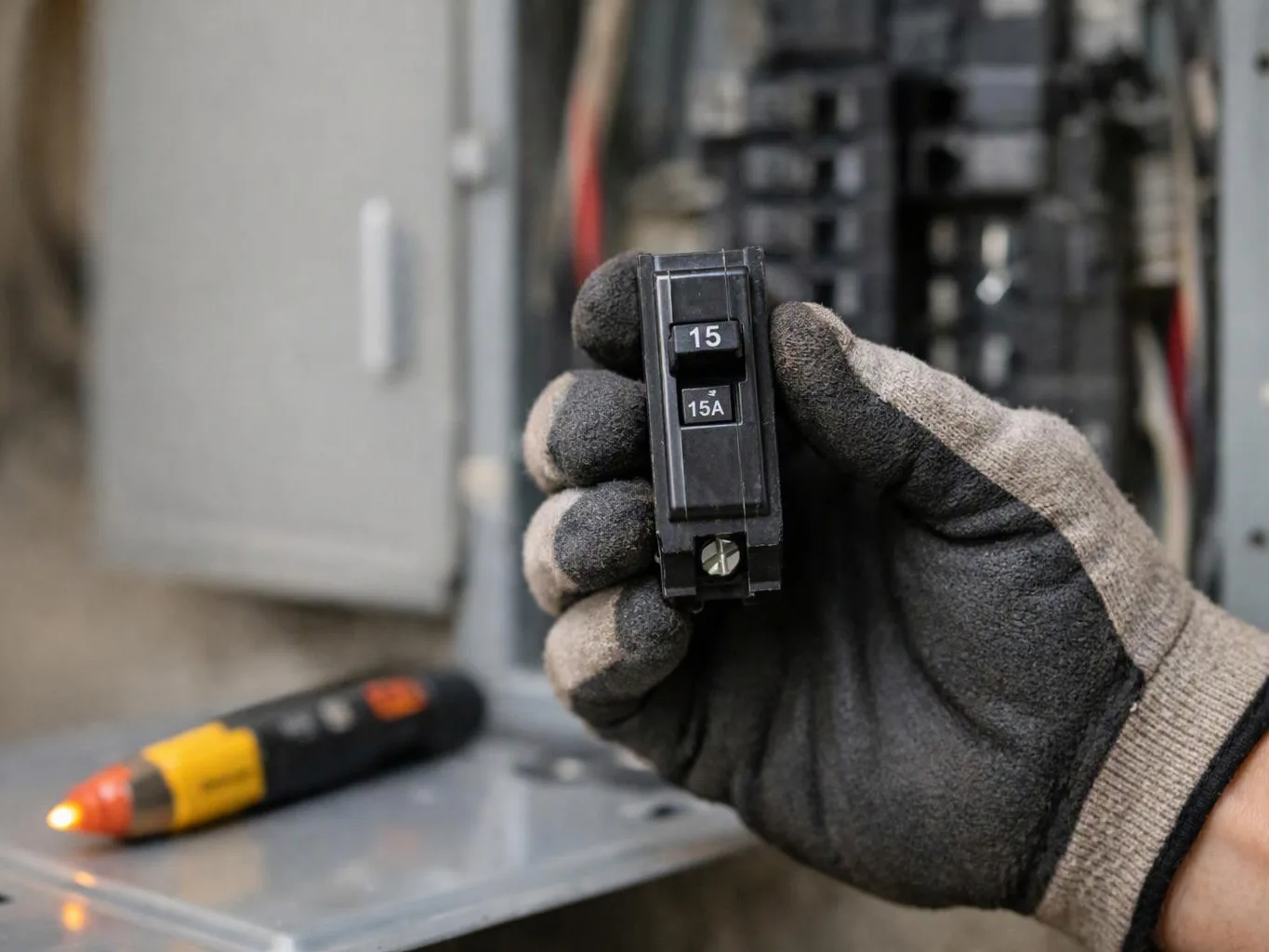
A correction becomes a panel upgrade when the existing equipment cannot safely support the required system changes. We check panel condition, available capacity, breaker compatibility, and the connected load. A single wiring or protection fault may remain a focused repair, while limited capacity calls for a larger project.
Why does circuit tracing matter before rewiring?
Circuit tracing prevents a repair from being assigned to the wrong breaker or load. We identify where the circuit runs, what it supplies, and how its connections are made. That information helps us set the right rewiring scope and gives the property owner a clearer record for future service.
How does a correction visit move from the first call to the last step?
The visit moves from concern review to inspection, scope, estimate, repair, and testing. We first discuss the symptom and inspect the related electrical parts. After the estimate is explained, we complete the approved correction, test the affected circuit, and note any remaining work that falls outside the original scope.