What electrical hazards can an inspection find?
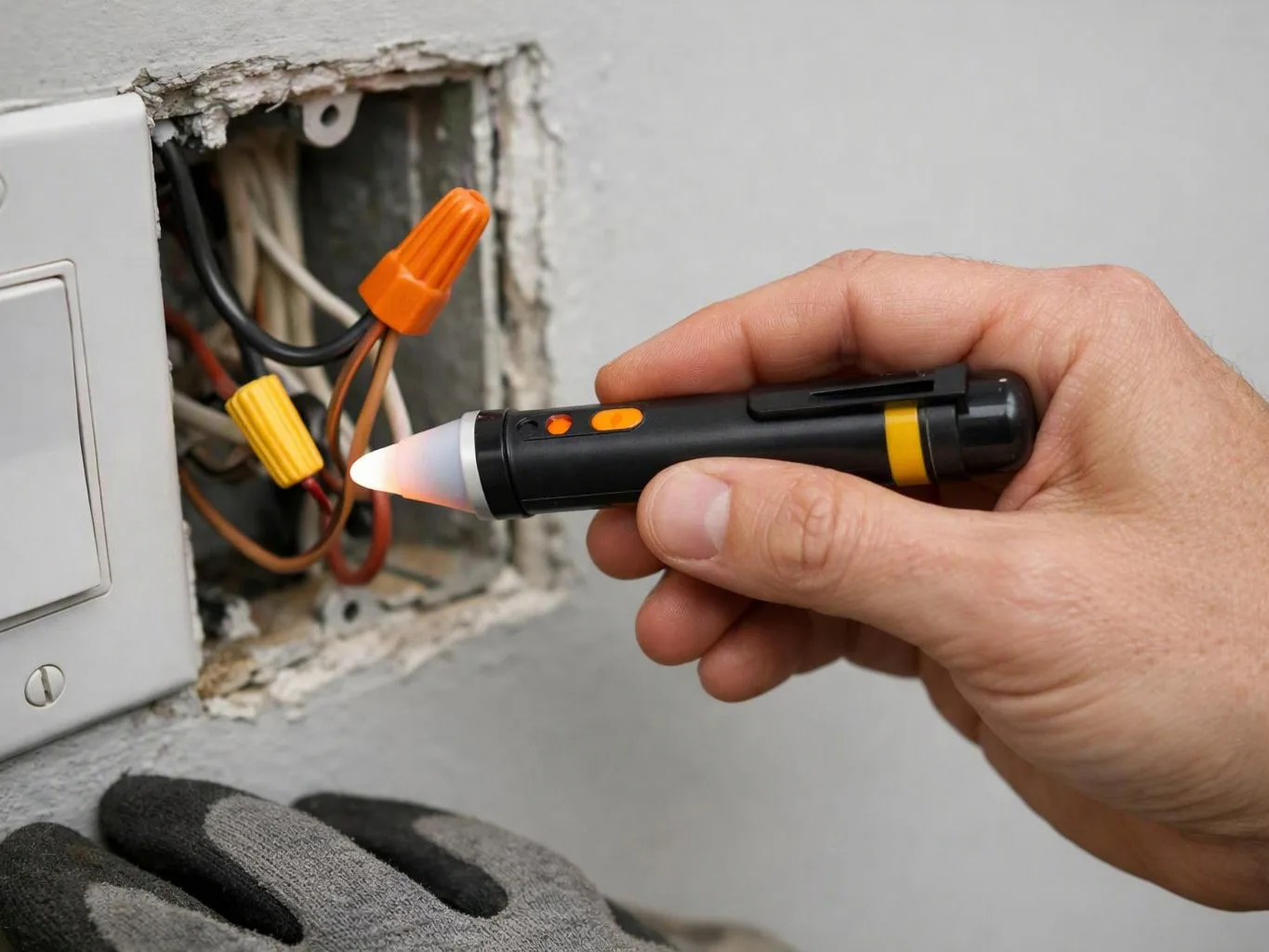
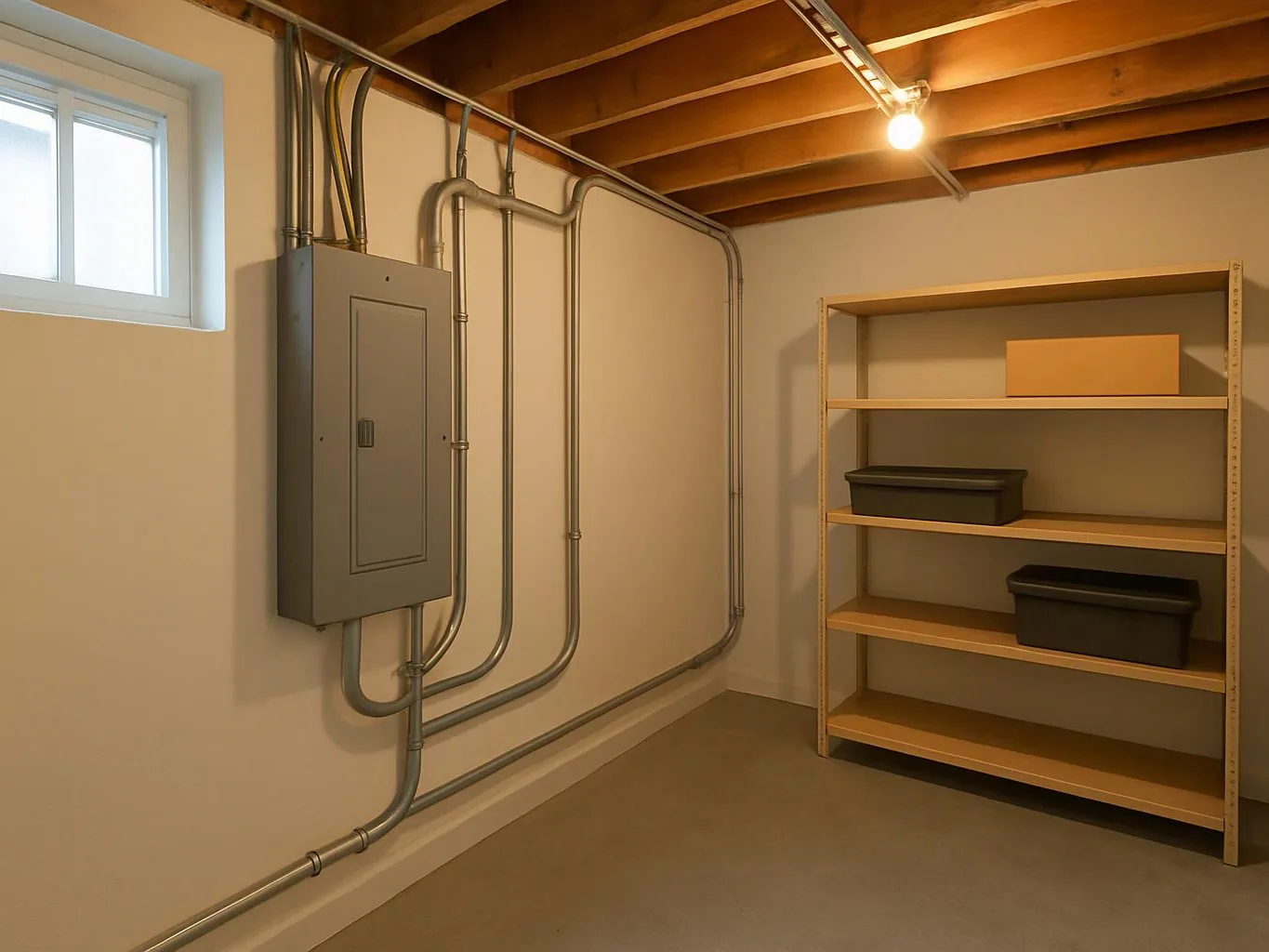
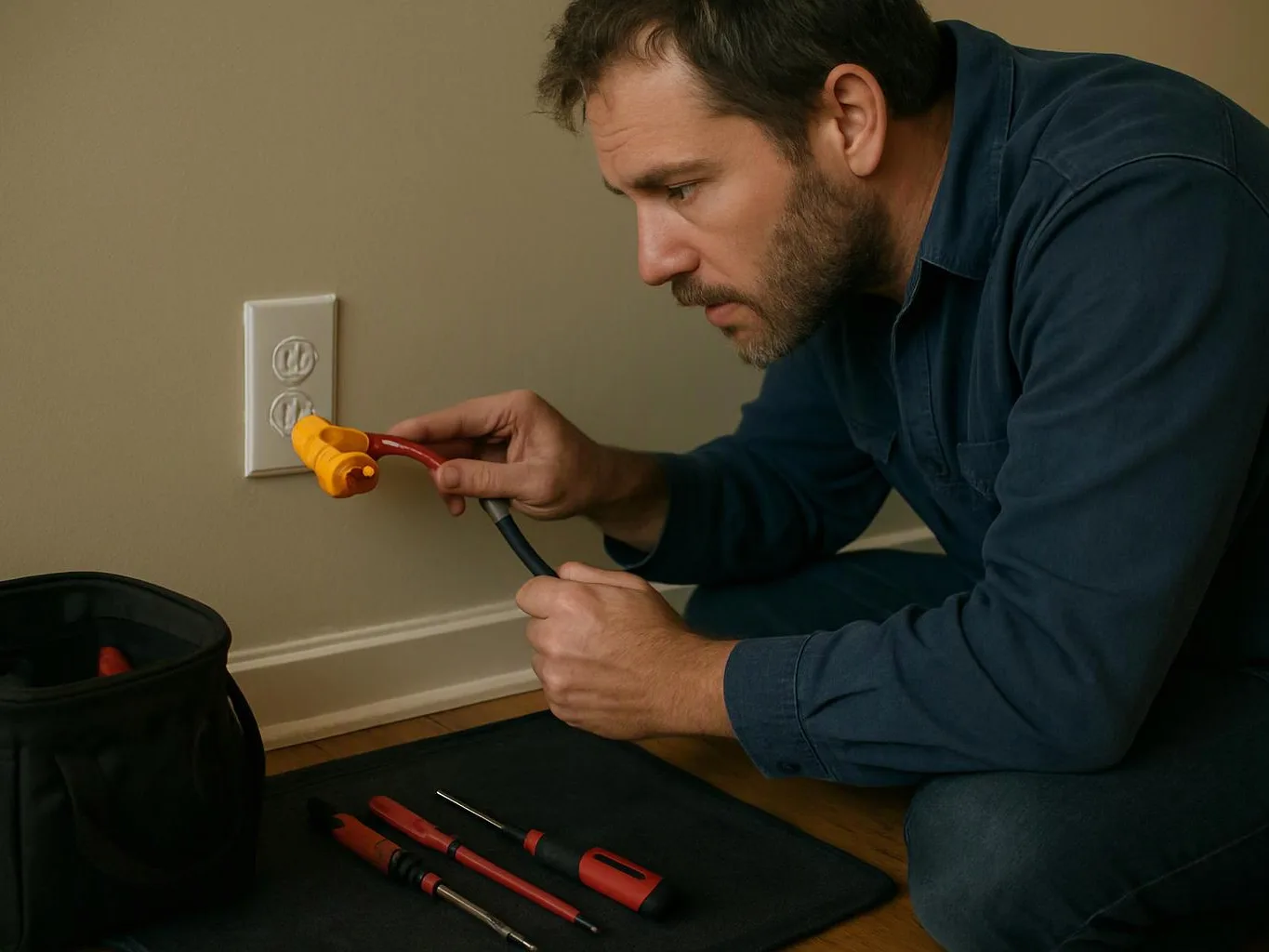
Exposed conductors can point to arc faults, overloaded circuits, loose connections, or improper grounding. We inspect the affected area, trace the related circuit, and check the panel and connected outlets. The findings show whether the next step involves isolation, repair, replacement, or further testing. Keep damaged or hot electrical points out of use until we assess them.
How is the inspection matched to the property before work starts?
Property type, visible symptoms, access, panel condition, and planned electrical work shape the inspection scope. Customers can identify affected rooms, equipment, outlets, or breakers before the visit. We use that information to focus the review without treating a single symptom as the whole system. Residential and commercial inspections may need different access and circuit checks.
What should be ready before the inspection starts?
Access to the panel, affected outlets, switches, and visible wiring helps the inspection begin safely. Customers should list recent breaker trips, flickering lights, warm plates, smells, and planned renovations. Move items away from electrical access points when safe. Never remove a panel cover or touch damaged wiring to prepare the property.
Which inspection finding changes the repair scope most?
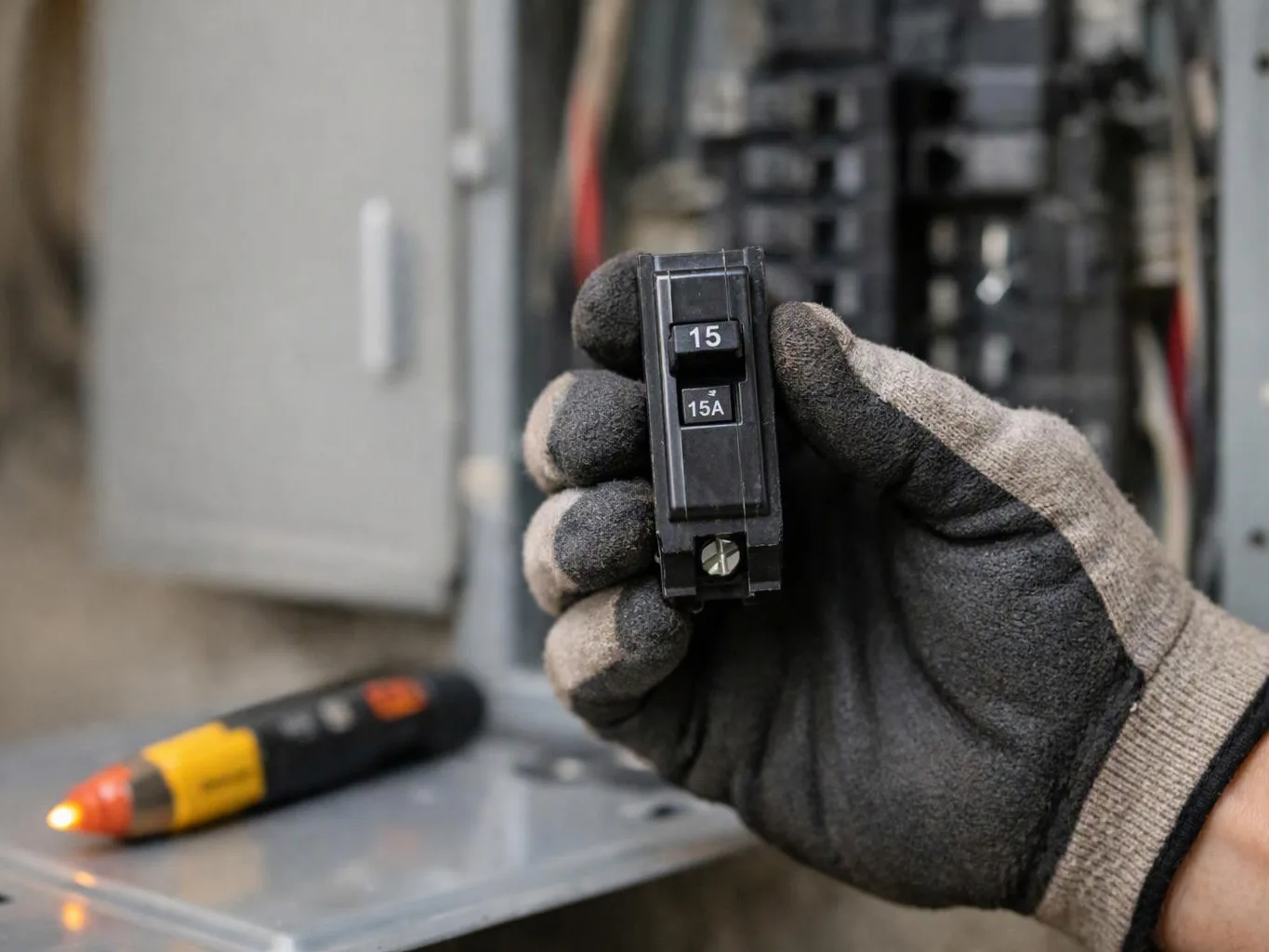
A panel or circuit finding can change the repair scope more than an isolated outlet defect. Overload, poor grounding, heat damage, and loose connections may affect connected loads and breakers. We trace the issue, explain what is involved, and separate required repairs from optional upgrades. Customers can then choose the work with clear information.
When should a customer request an urgent electrical inspection?
A burning smell, buzzing panel, sparking outlet, or hot switch plate calls for urgent electrical attention. Stop using the affected point and keep clear of damaged wiring. Electrician Pittsburgh provides 24/7 emergency electrical dispatch for urgent electrical problems. We assess the immediate hazard and explain whether a wider inspection is needed.
Why might an inspection find a grounding problem?
Grounding problems can come from missing connections, altered wiring, damaged outlets, or older two-prong receptacles. We inspect accessible outlets and grounding paths, then explain the correction needed for the affected circuit. Customers should not rely on an adapter to solve a grounding fault. The right repair depends on the wiring and panel condition.
What should a customer ask before agreeing to the inspection?
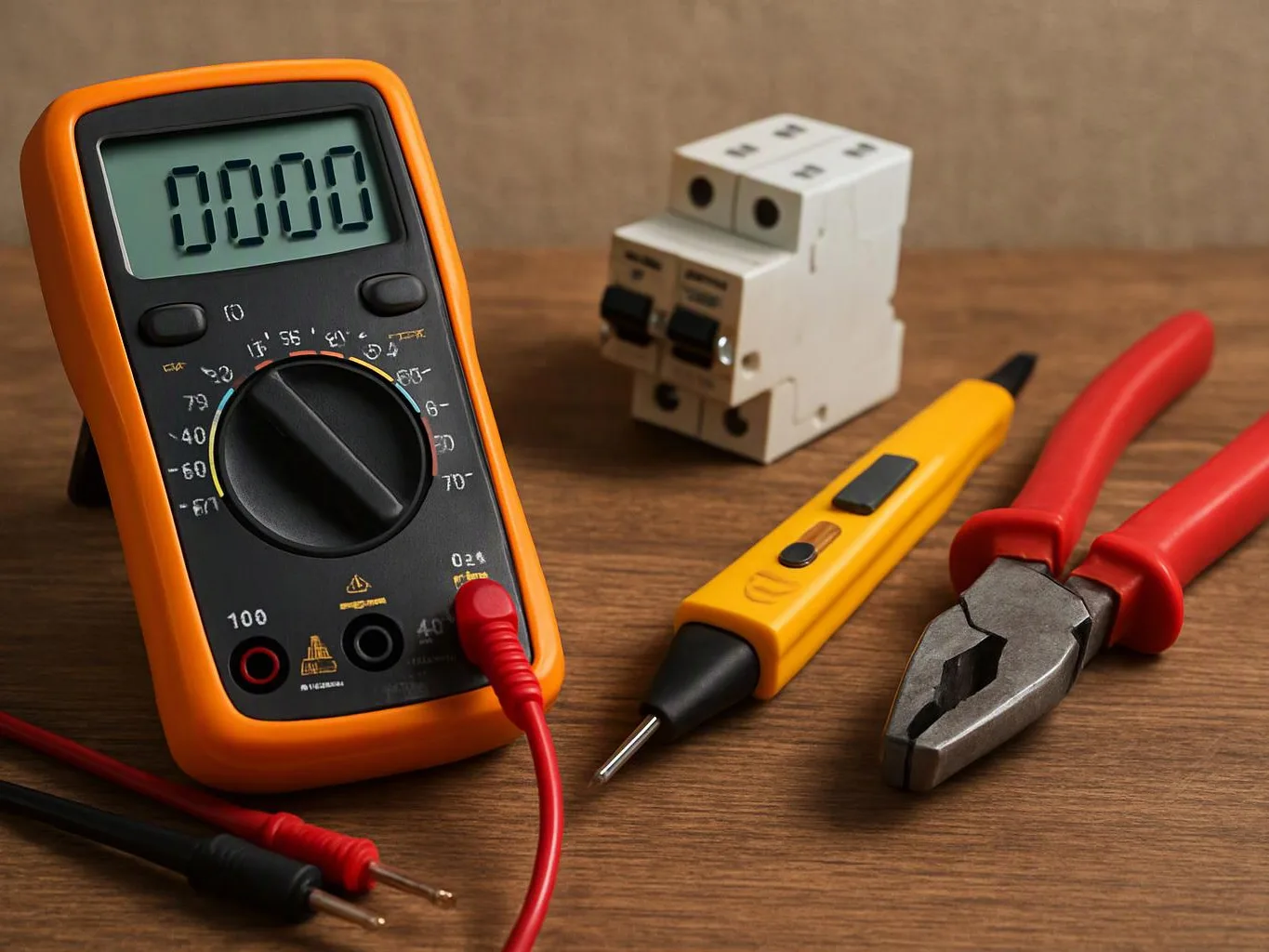
Customers should ask what areas will be checked, what testing is included, and how findings will be explained. We outline the inspection scope before work begins and identify any repair work separately. Ask whether the recommendation is an immediate safety repair, a planned upgrade, or further diagnosis. That distinction helps you approve only the work you need.