What causes sudden electrical failures?
Damaged wiring causes sudden electrical failures through short circuits, loose connections, heat, or arcing. We inspect the affected circuit, panel, outlets, and switches to find the source. An overloaded circuit or failed breaker can create similar symptoms. Repeated resets can hide the fault, so we trace the circuit before choosing a repair.
How can I tell if emergency electrical service fits my property?
Emergency electrical service fits a property with an active hazard, sudden outage, sparking outlet, burning smell, buzzing panel, or repeated breaker trip. We assess the affected area and separate urgent isolation from planned upgrades. Routine fixture changes and non-urgent installations generally belong in planned electrical scheduling.
Which part of the property decides the repair scope?
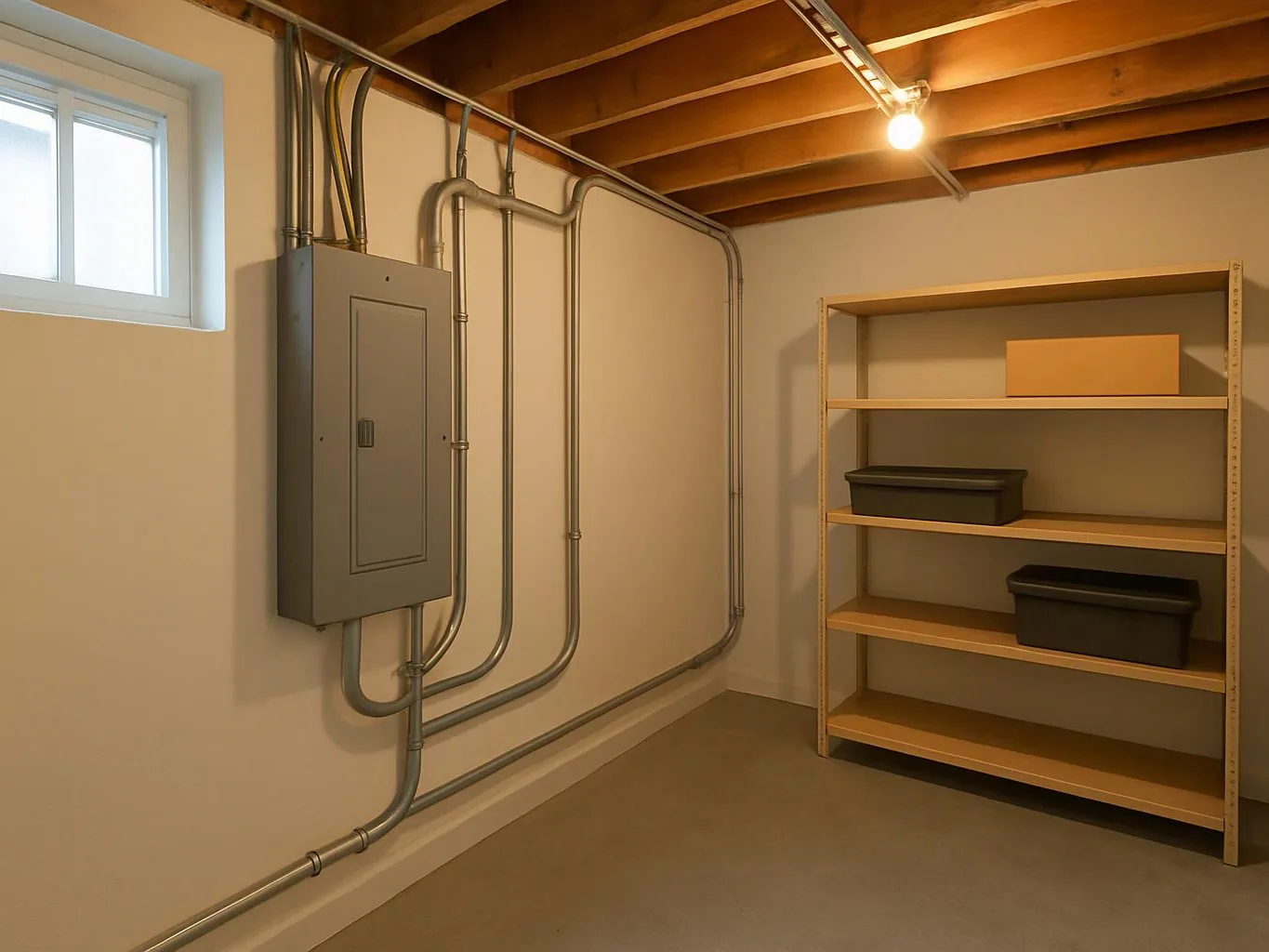
The affected circuit, panel, outlet, switch, fixture, or service entrance decides the repair scope. We trace power from the panel and inspect connected wiring before recommending a focused fix. Several failed circuits can point to a wider panel or service issue, while one dead outlet may stay limited to its branch circuit.
Which material changes emergency wiring repair time?
The existing wiring material changes the repair approach and work involved. Copper, aluminum, and older wiring systems can need different connection checks, repair methods, or replacement planning. We identify the conductor and its condition before setting the scope. Access behind finished walls also affects the work needed.
When should I stop resetting a tripped breaker?
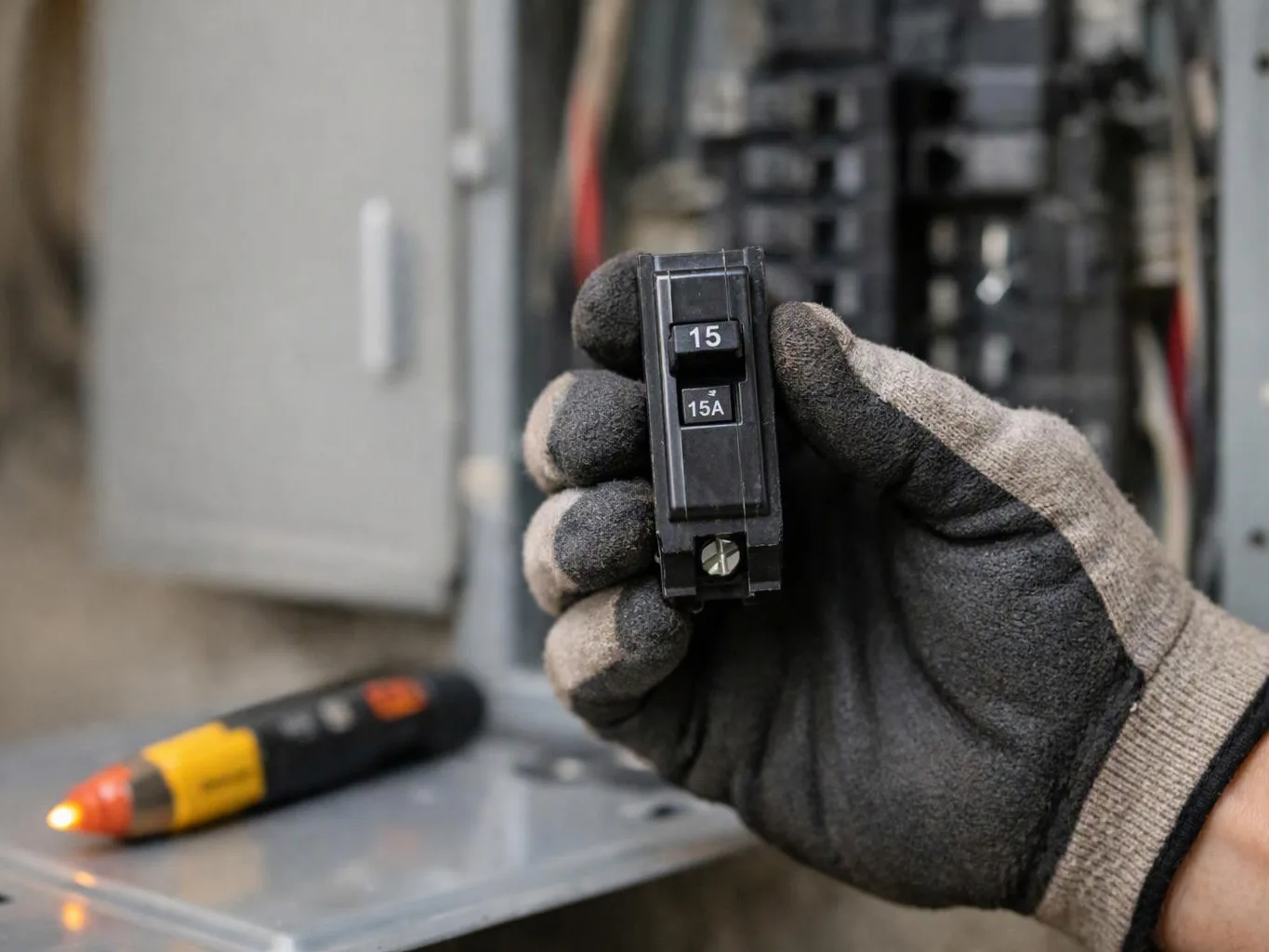
Stop resetting a breaker when it trips again, smells hot, makes noise, or will not stay on. We inspect the connected circuit for overloads, shorts, heat damage, and failed components. Leave the breaker off and keep away from damaged outlets or panels until the fault receives an electrical inspection.
Why does one dead outlet need circuit tracing?
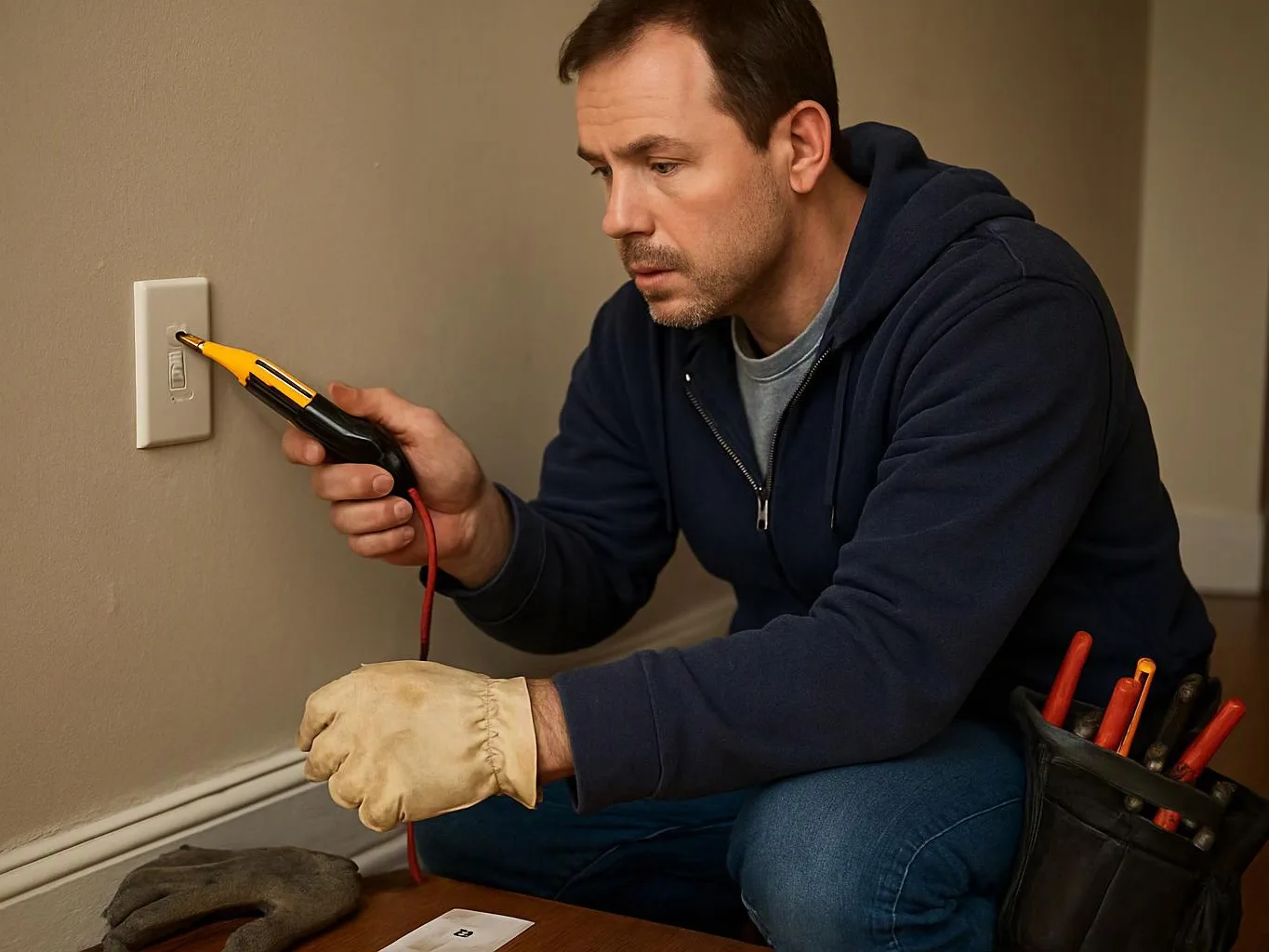
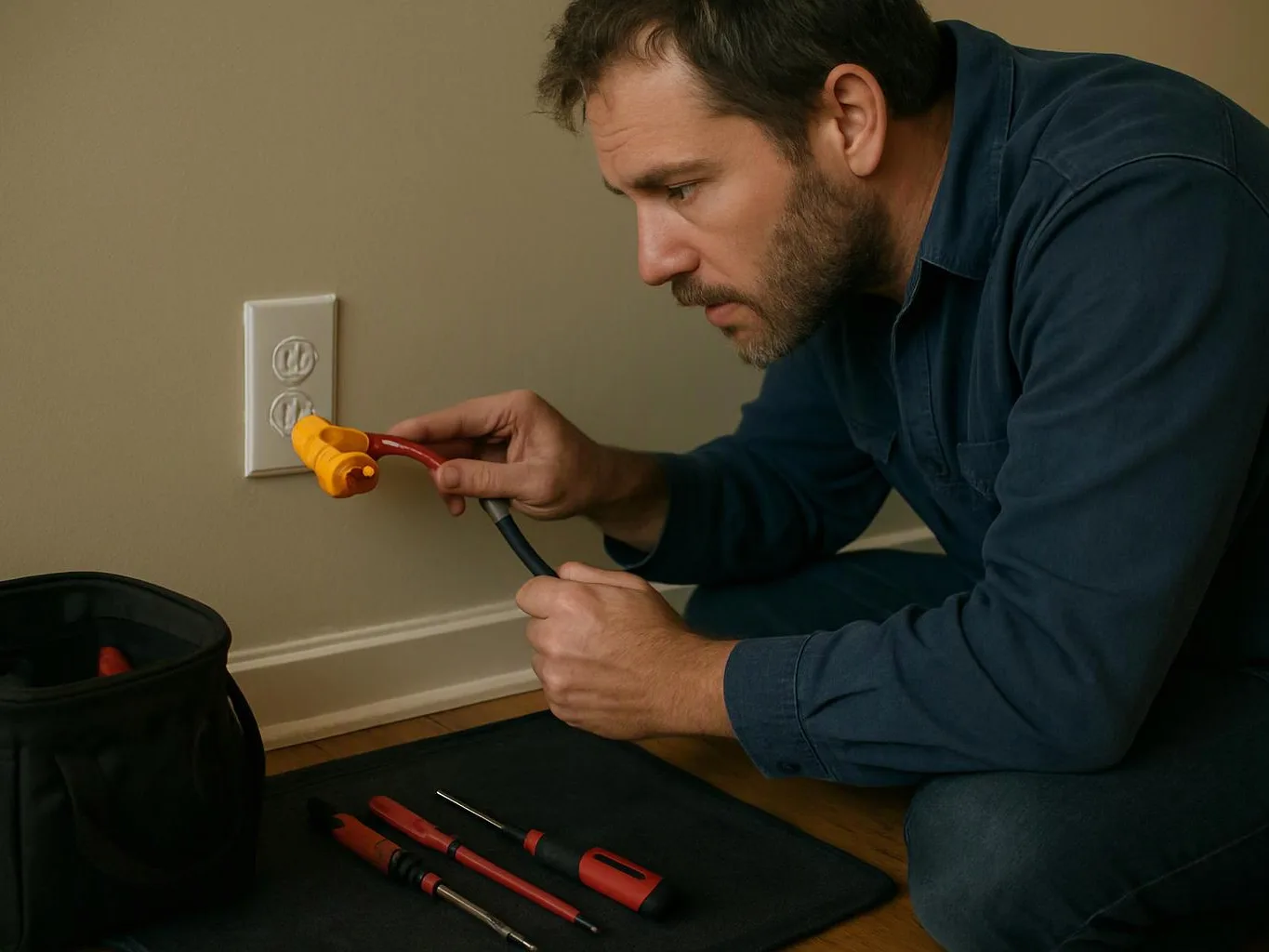
One dead outlet can result from a failed receptacle, loose connection, upstream outlet, tripped breaker, or damaged wire. We trace the circuit and test nearby points before replacing parts. The check matters because an outlet may lose power even when its breaker appears normal.
What information should I give an emergency electrician before arrival?
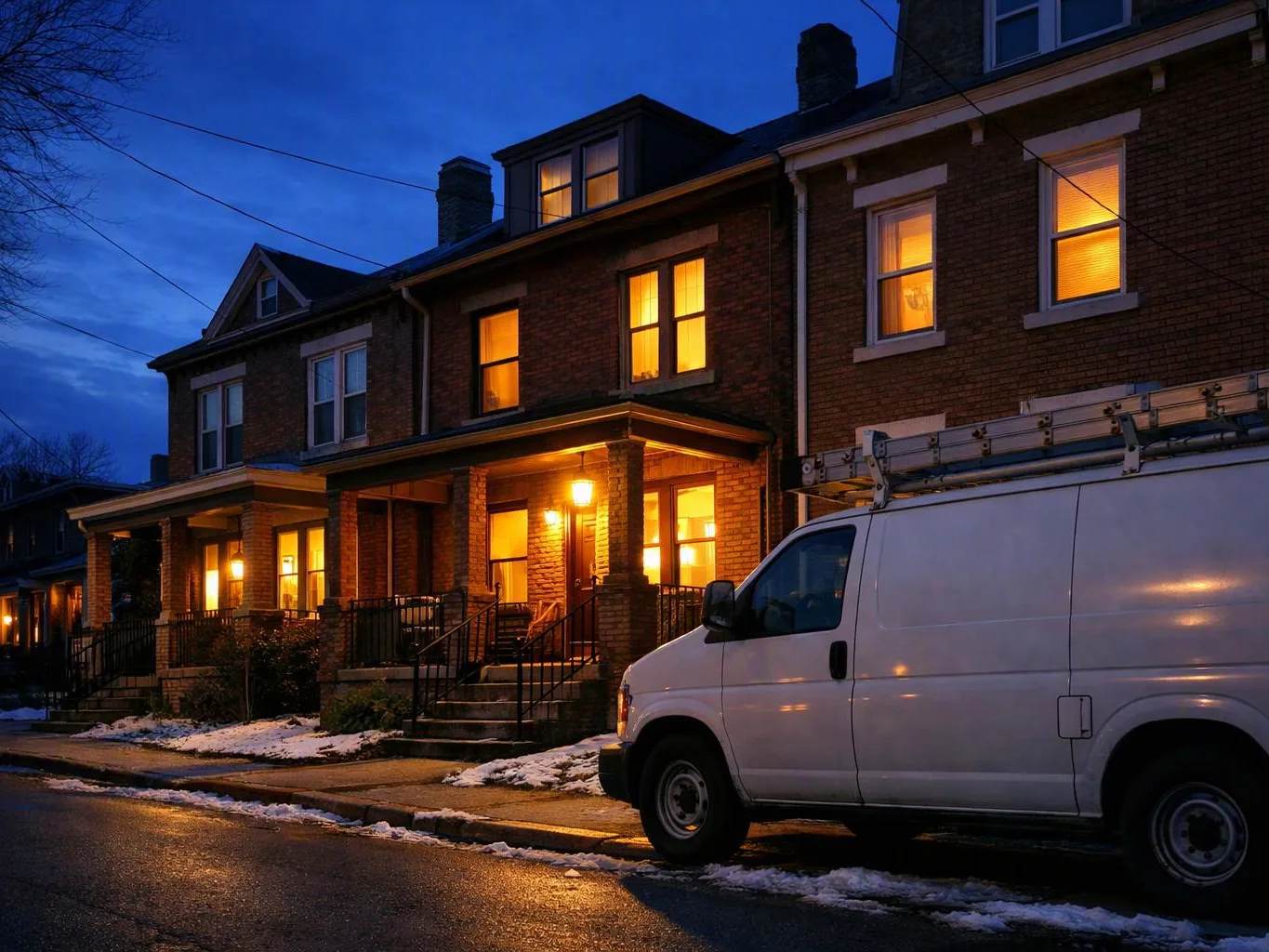
The most useful details are the failed area, recent changes, breaker position, burning smell, buzzing, sparking, water contact, and affected appliances. Electrician Pittsburgh uses those details to plan the first inspection. Keep the panel and affected outlet accessible, but do not remove covers or open electrical equipment.