What electrical emergencies require immediate service?
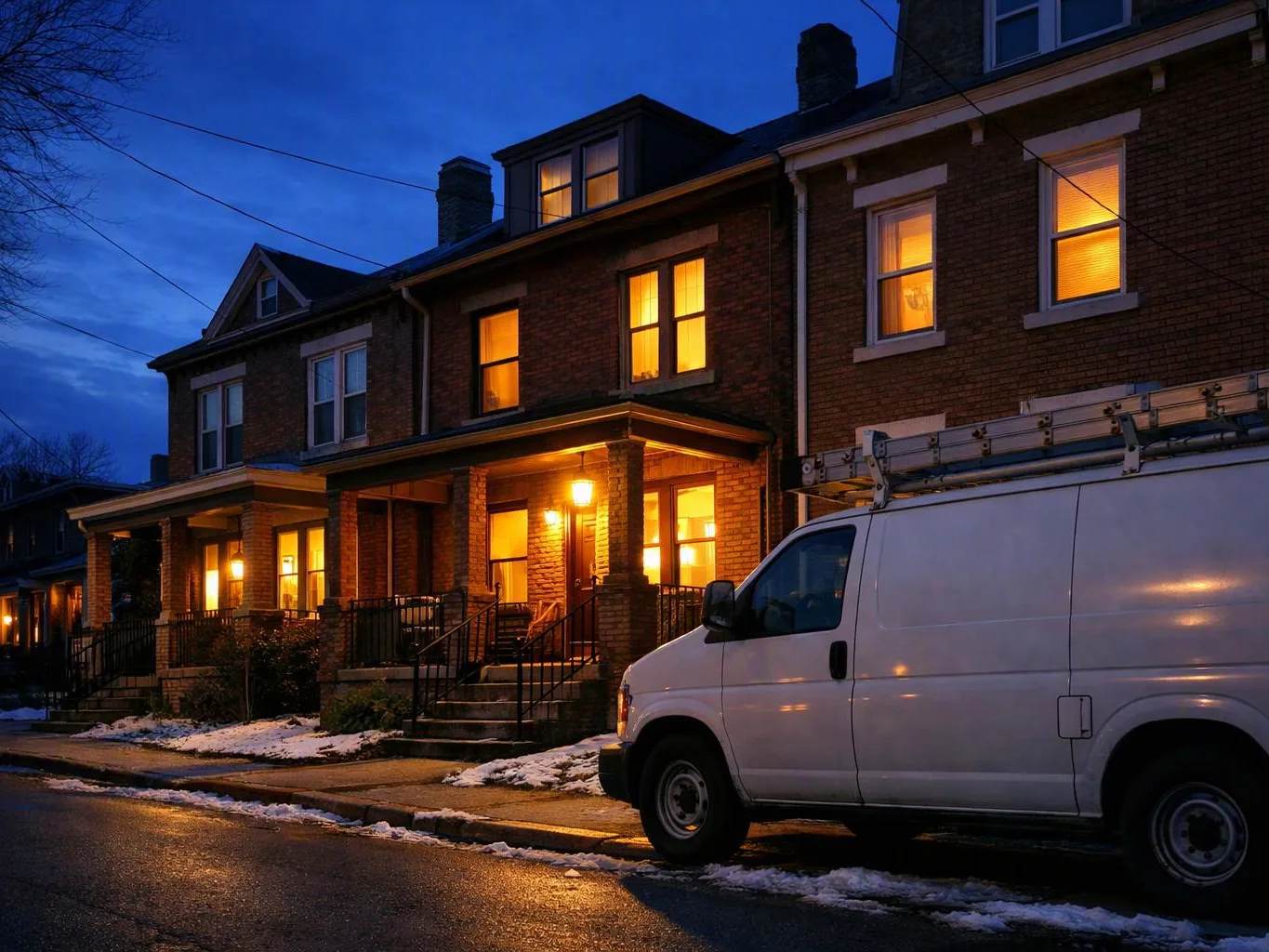
A power outage requires immediate service when sparks, burning odors, exposed wiring, smoke, or repeated breaker trips appear. Electrician Pittsburgh isolates the affected circuit and checks the panel, outlets, wiring, and connected loads. Customers should keep away from the affected area and report the warning signs when requesting emergency help.
How is emergency electrical work matched to the property?
Property type, circuit layout, panel condition, access, and the affected load guide the work plan. We inspect the panel and trace the circuit before choosing a repair. Homes and businesses may need different access steps, circuit checks, or follow-up work, especially when the fault reaches a service panel or commercial load.
What should be ready before electrical service starts?
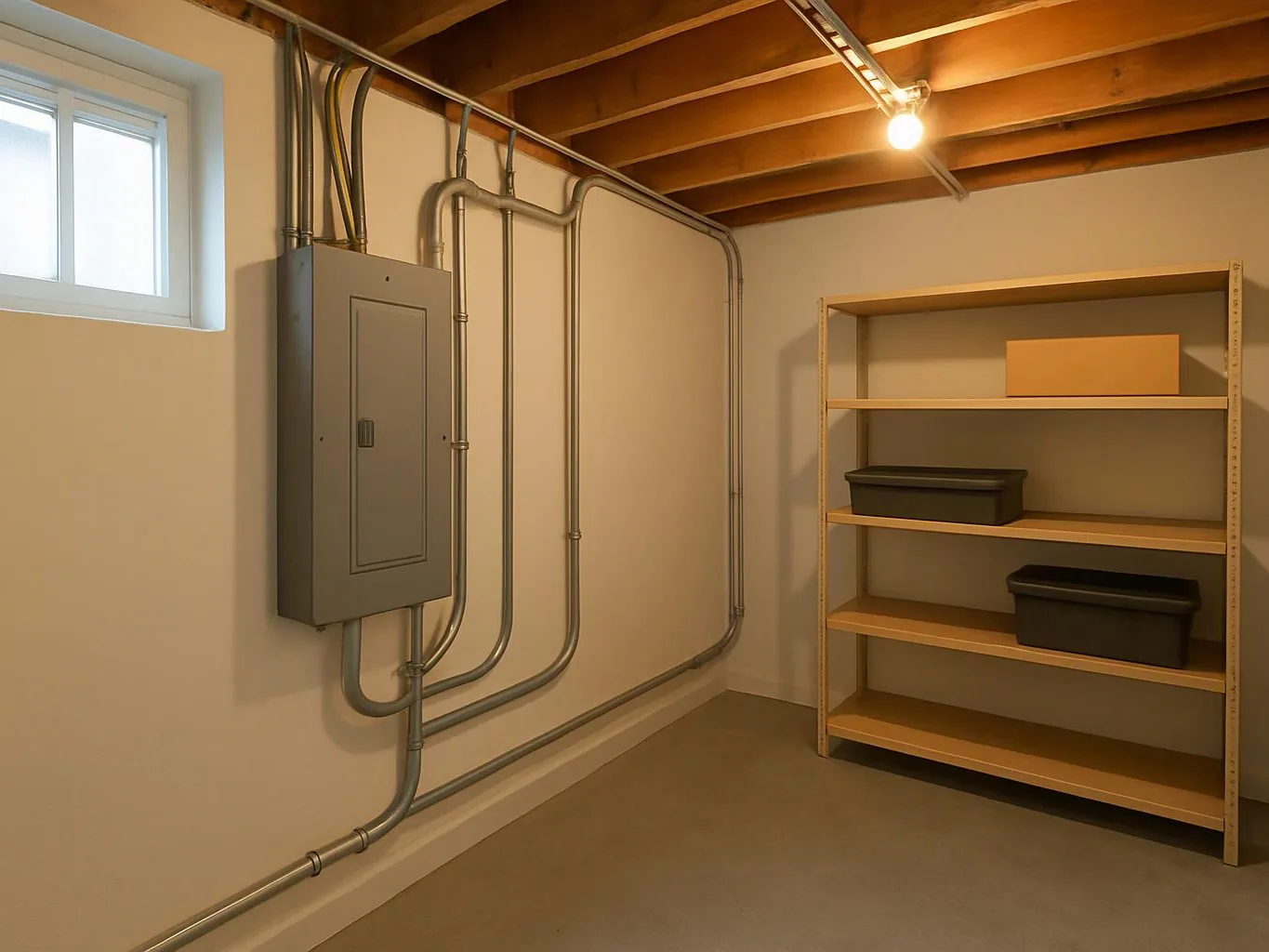
The affected rooms, recent electrical changes, panel location, and visible warning signs should be ready for review. We use that information to focus the inspection and trace the right circuit. Keep access clear around the panel and affected outlet, and do not handle exposed wiring before we assess the area.
Which parts can raise the cost of an urgent repair?
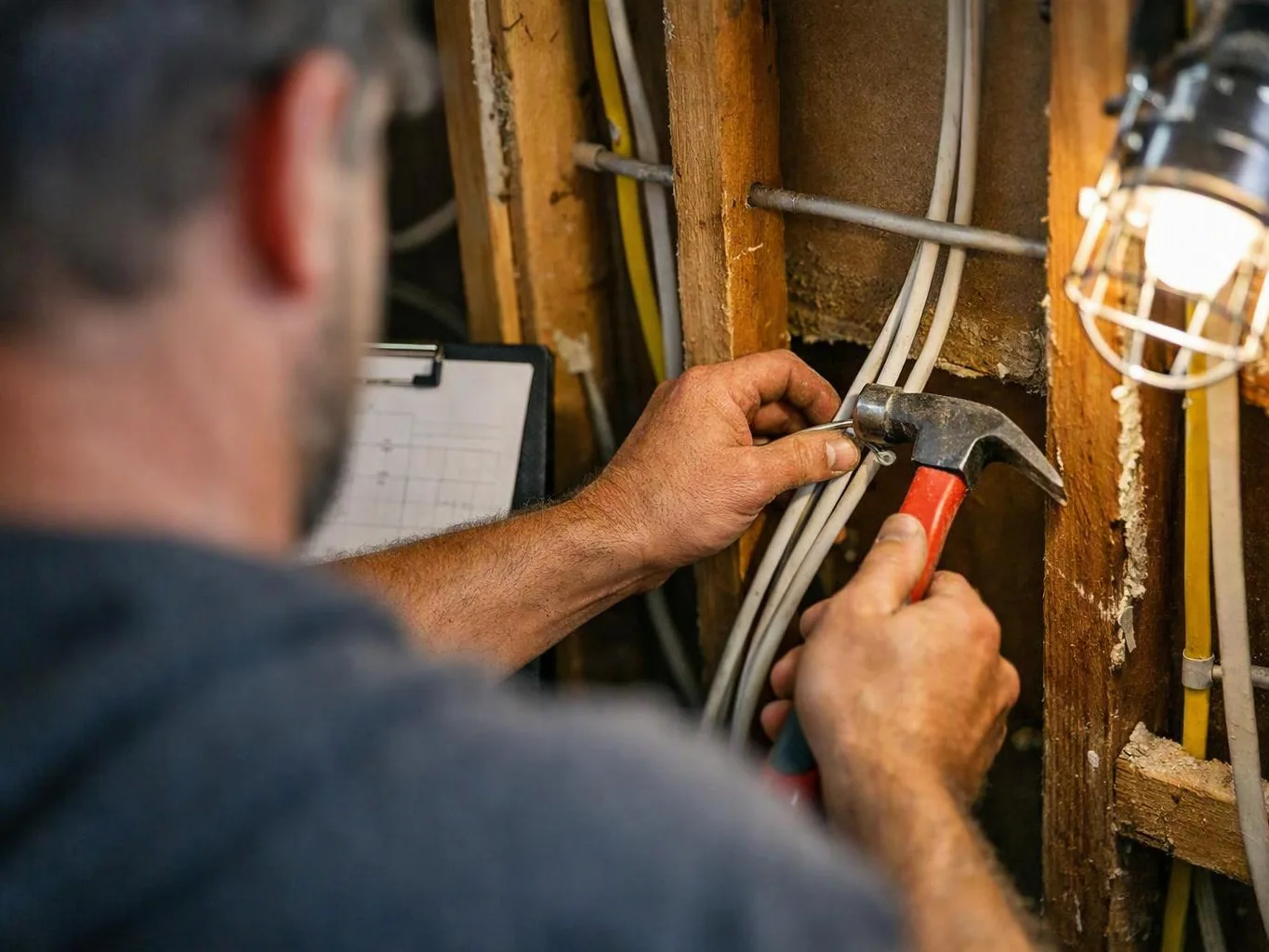
Damaged breakers, burned outlets, hidden wiring faults, limited access, and panel problems can expand the repair scope. We inspect the fault and explain the needed parts or follow-up work before repairs begin. A free estimate can address the known scope, while concealed damage may require further testing.
When should I stop resetting a tripped breaker?
Stop resetting a breaker when it trips again, feels warm, makes noise, or connects to a burning odor or sparking outlet. We inspect the breaker, circuit, and connected load to find the cause. Repeated resets can leave an active fault connected, so customers should request an assessment instead.
Why might one outlet lose power while others still work?
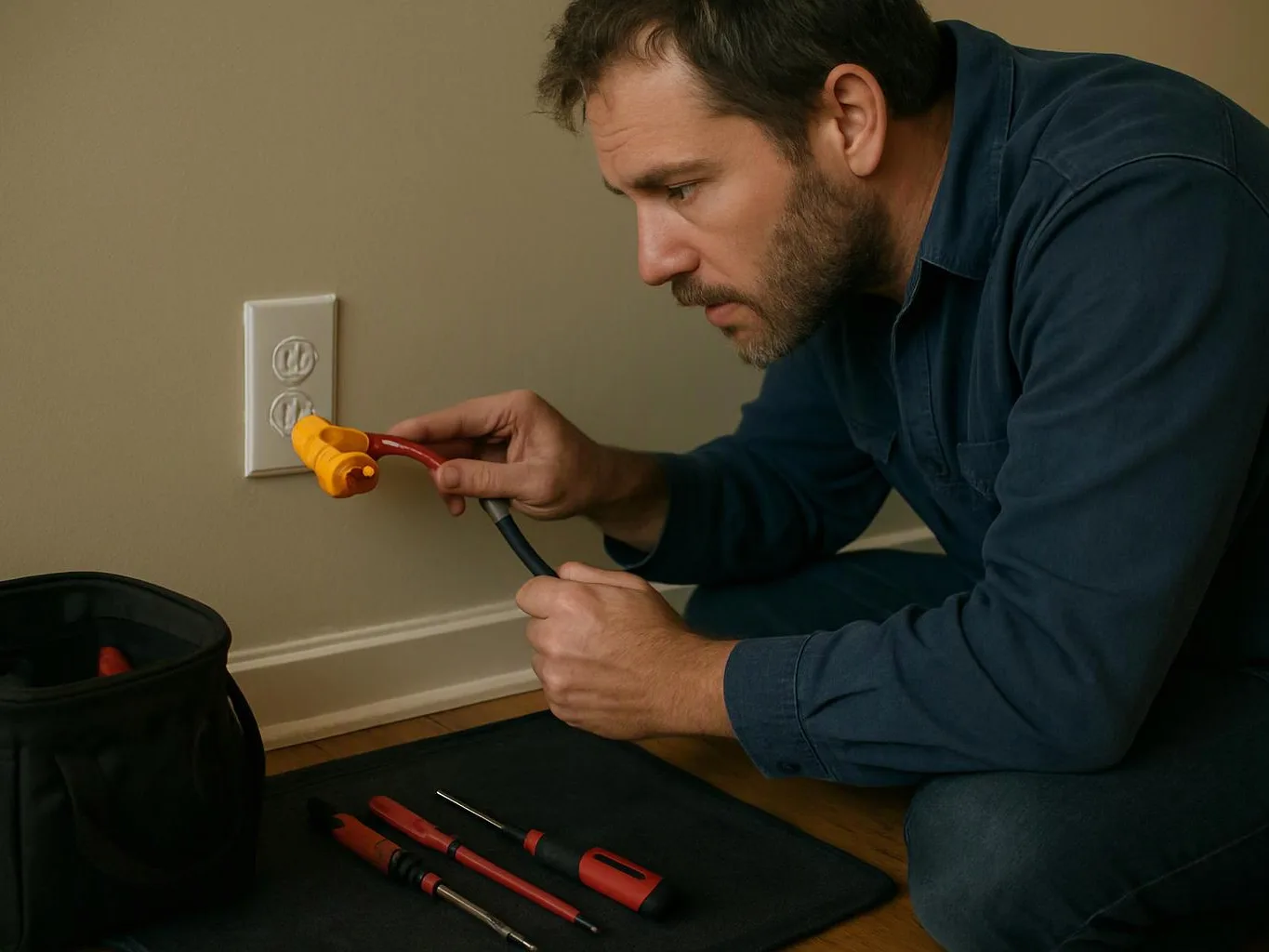
One dead outlet can result from a failed receptacle, loose connection, tripped upstream device, or damaged branch circuit. We test the outlet and trace its circuit to locate the fault. Nearby outlets and switches also need review when the failure involves heat, odor, sparks, or repeated loss of power.
What should a customer ask before agreeing to emergency electrical work?
Customers should ask which fault was found, which parts will be repaired, and whether follow-up work is needed. We explain the scope and pricing approach before work begins. Ask whether the repair addresses the source or only a damaged device, especially when a breaker, panel, or wiring fault is involved.