When does repeated tripping mean a circuit breaker needs replacement?
Repeated tripping supports breaker replacement when testing shows a failed mechanism or damaged breaker. We also check the circuit because an overload, loose connection, or wiring fault can cause the same symptom. A breaker with heat marks, a burned casing, or failed testing needs inspection before further resets. Electrician Pittsburgh explains whether replacement alone fits the finding.
What does the crew look at first during breaker replacement?
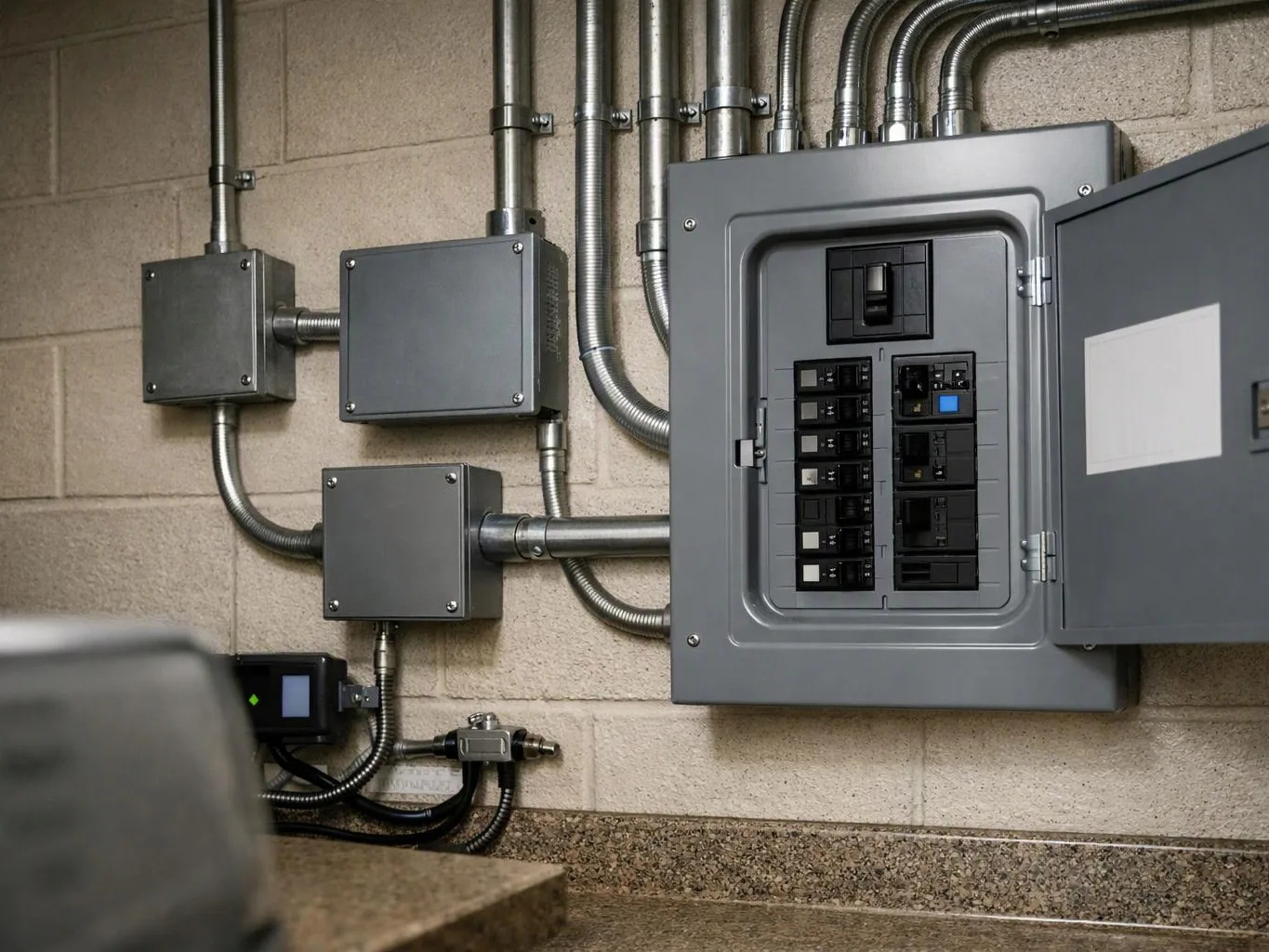
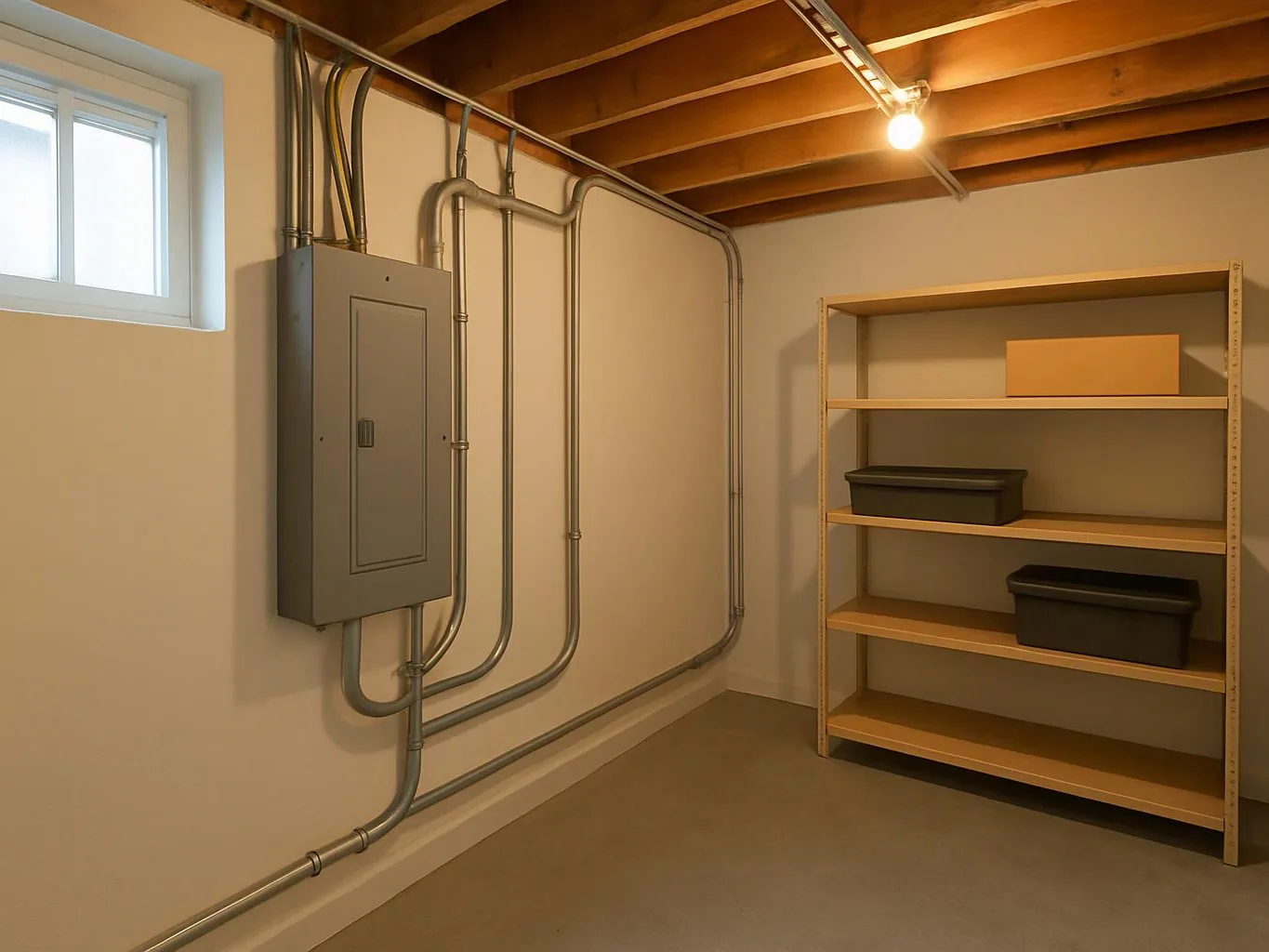
The electrical panel comes first, including the breaker face, terminals, conductor ends, and nearby signs of heat. We then identify the affected circuit and check its connected load. Customers should report buzzing, warm panel areas, burning smells, or dead outlets because those details help set the inspection scope.
What happens at each stage of breaker replacement?
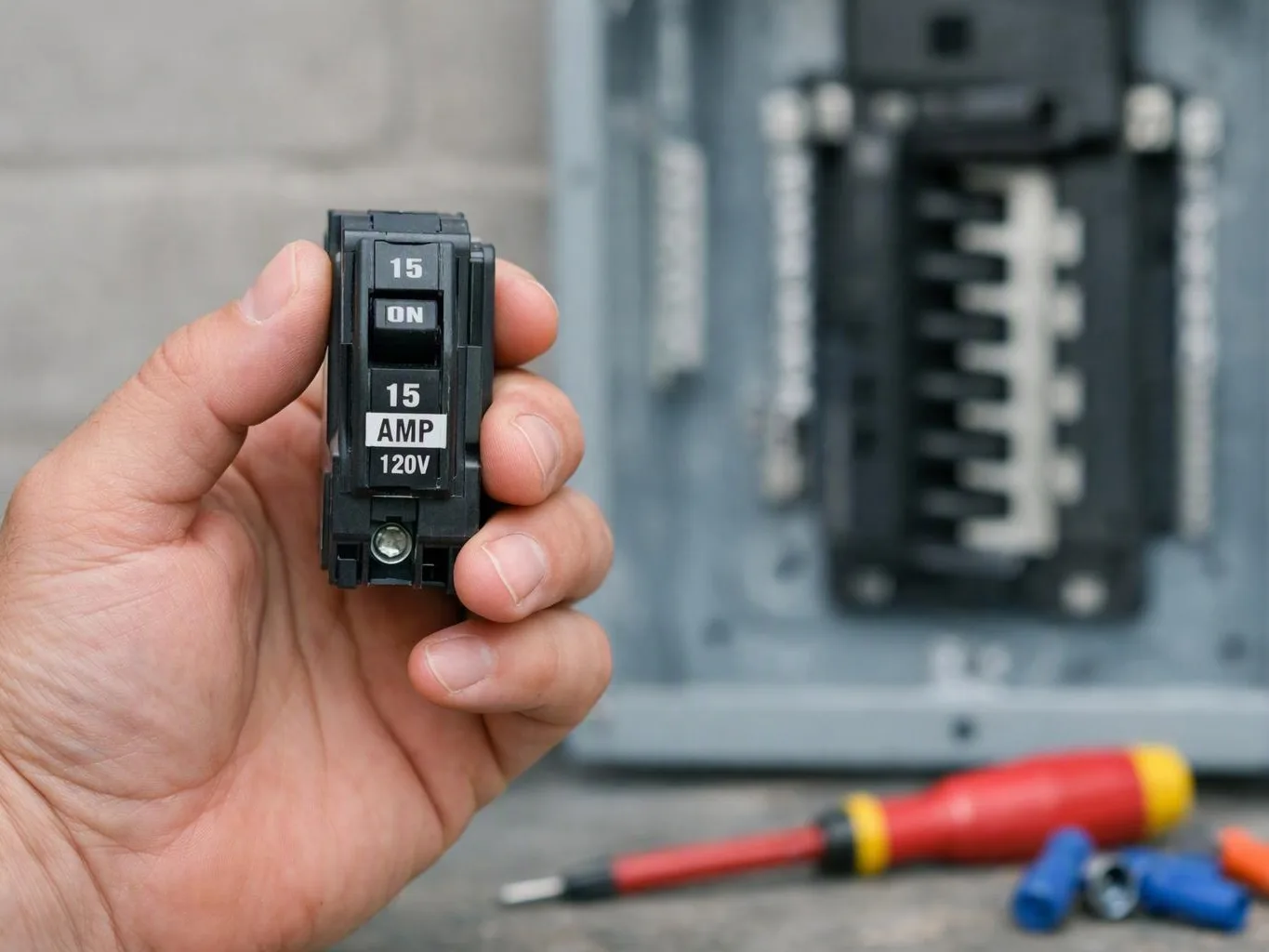
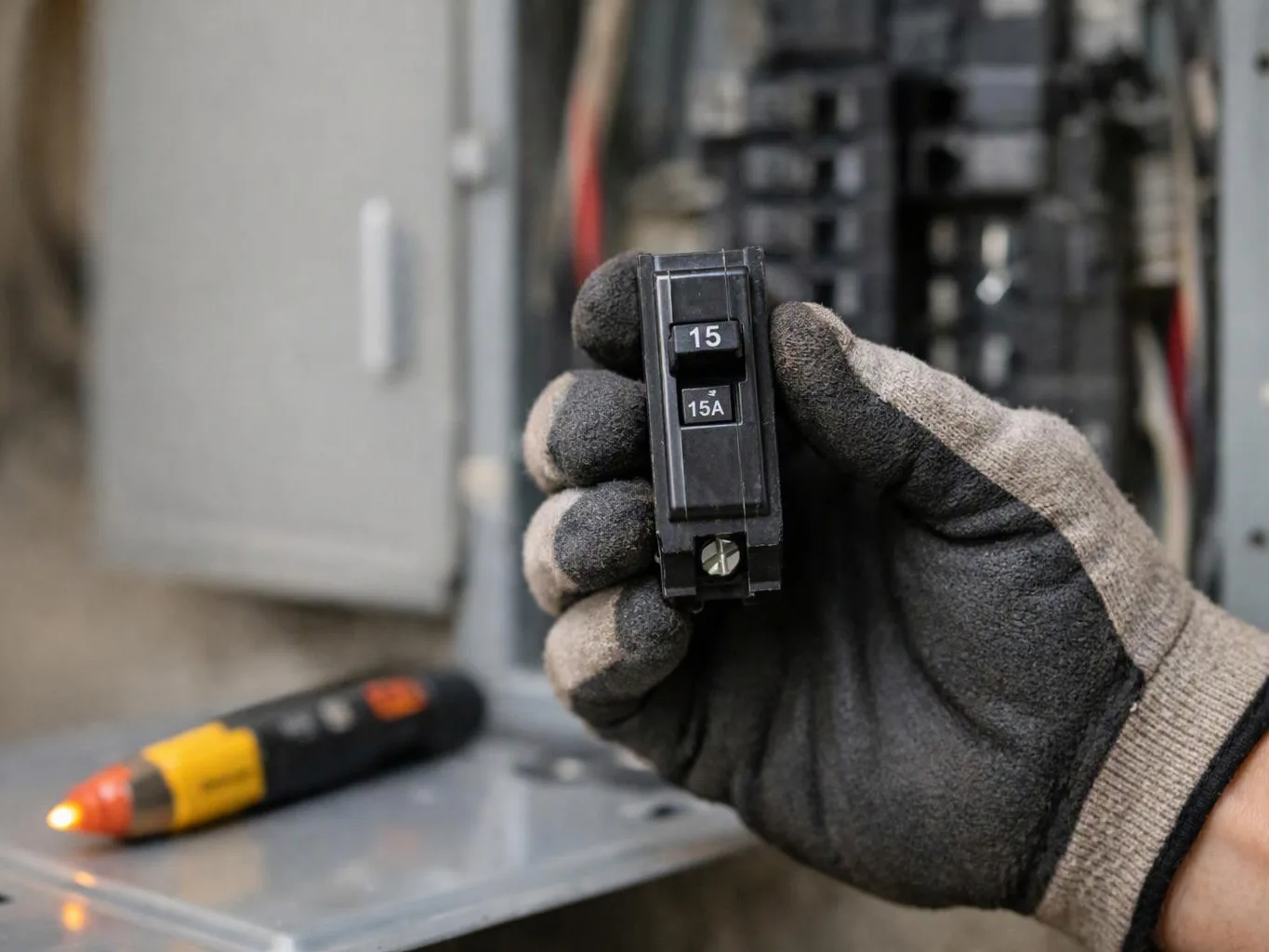
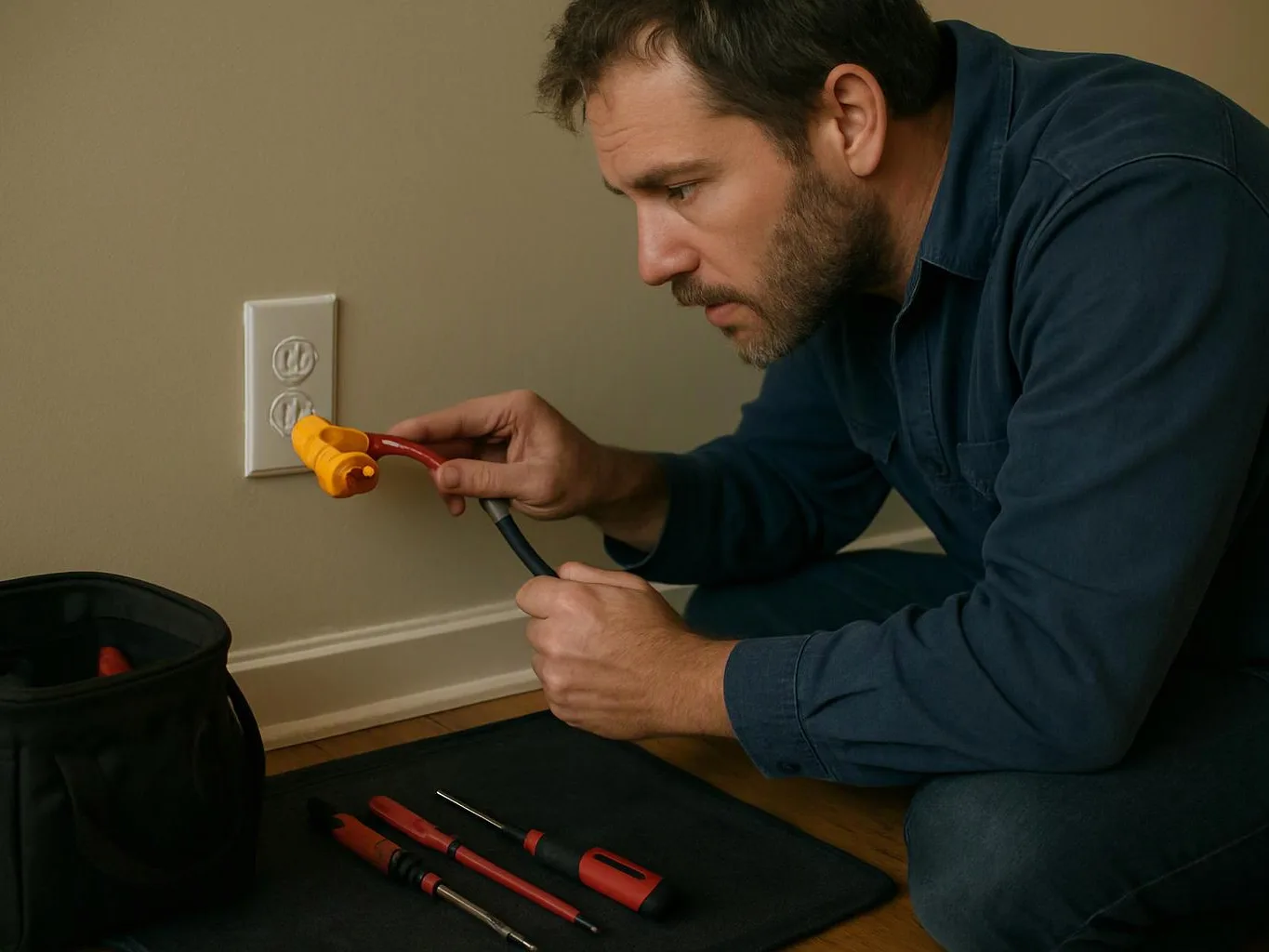
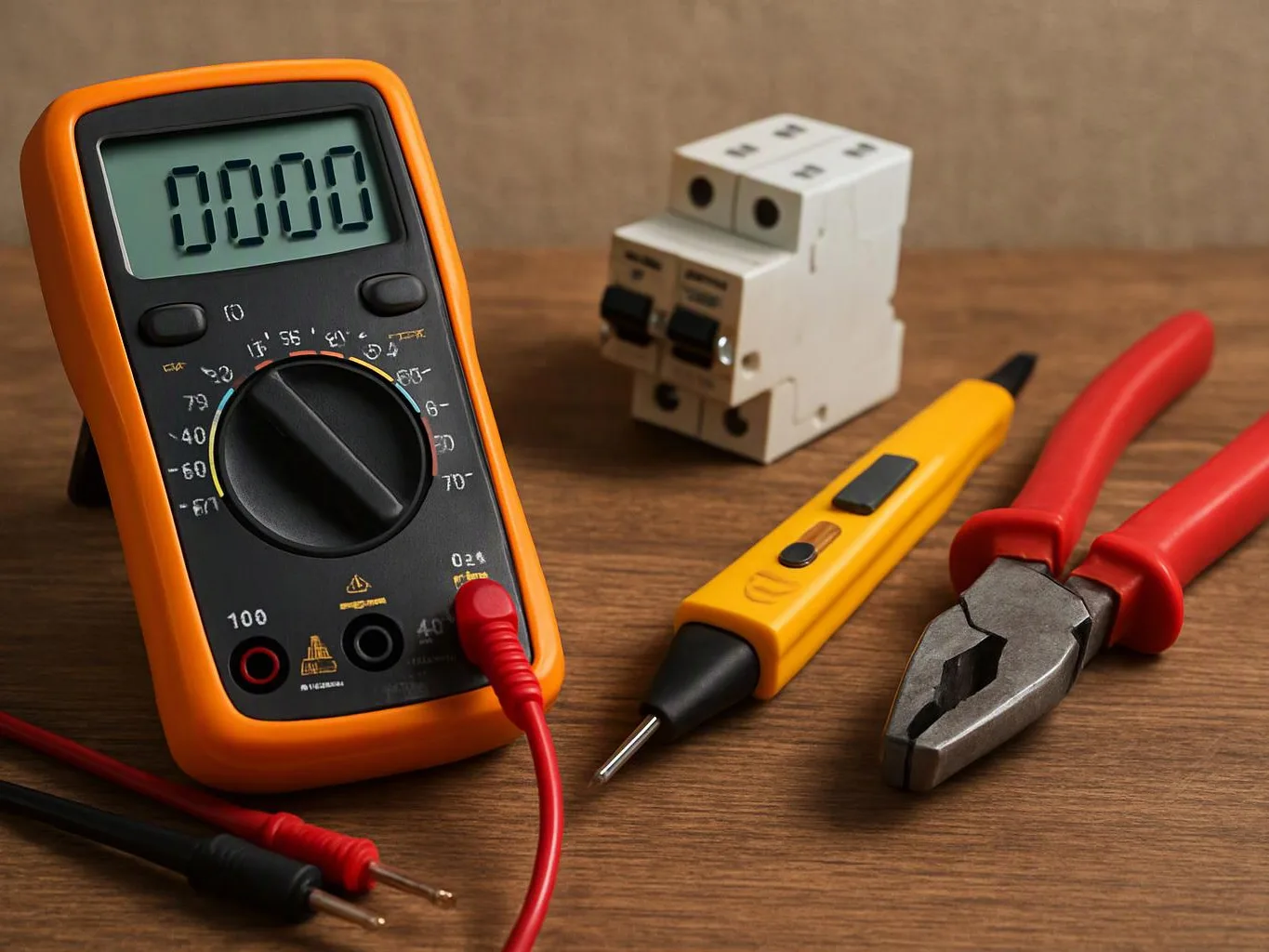
The work follows inspection, circuit isolation, breaker removal, replacement, and testing. We trace the circuit before removing the device, inspect connections during the work, and verify the completed repair afterward. The final explanation covers any remaining wiring, grounding, or panel concern that the testing identifies.
Which part of the job changes the replacement price?
Panel condition, circuit access, connection damage, and added wiring work change the replacement price. We assess those points before giving a free estimate. A simple failed breaker has a different scope from a breaker with heat damage or a circuit that needs load correction.
Why is a new breaker not always the full repair?
A new breaker is not the full repair when wiring damage, overload, or a poor connection causes the trips. We test the circuit and inspect the panel before closing the work scope. Customers receive an explanation if the job needs circuit repair, grounding correction, or a panel upgrade.
How should I respond to a burning smell near the panel?
A burning smell near the panel calls for immediate caution and electrical assessment. Stop resetting the breaker and keep clear of the affected area. We inspect the breaker, terminals, conductors, and nearby panel parts for heat damage. Emergency electrical dispatch is available for urgent electrical problems.
What should be checked before breaker replacement is scheduled?
The breaker, panel, circuit path, connected load, and visible heat damage should be checked before scheduling replacement. We use the reported symptoms to plan the assessment, but testing confirms the repair scope. Photos of the panel and notes about tripping can help explain the issue before service.