How should underwater pool lights be wired and protected?
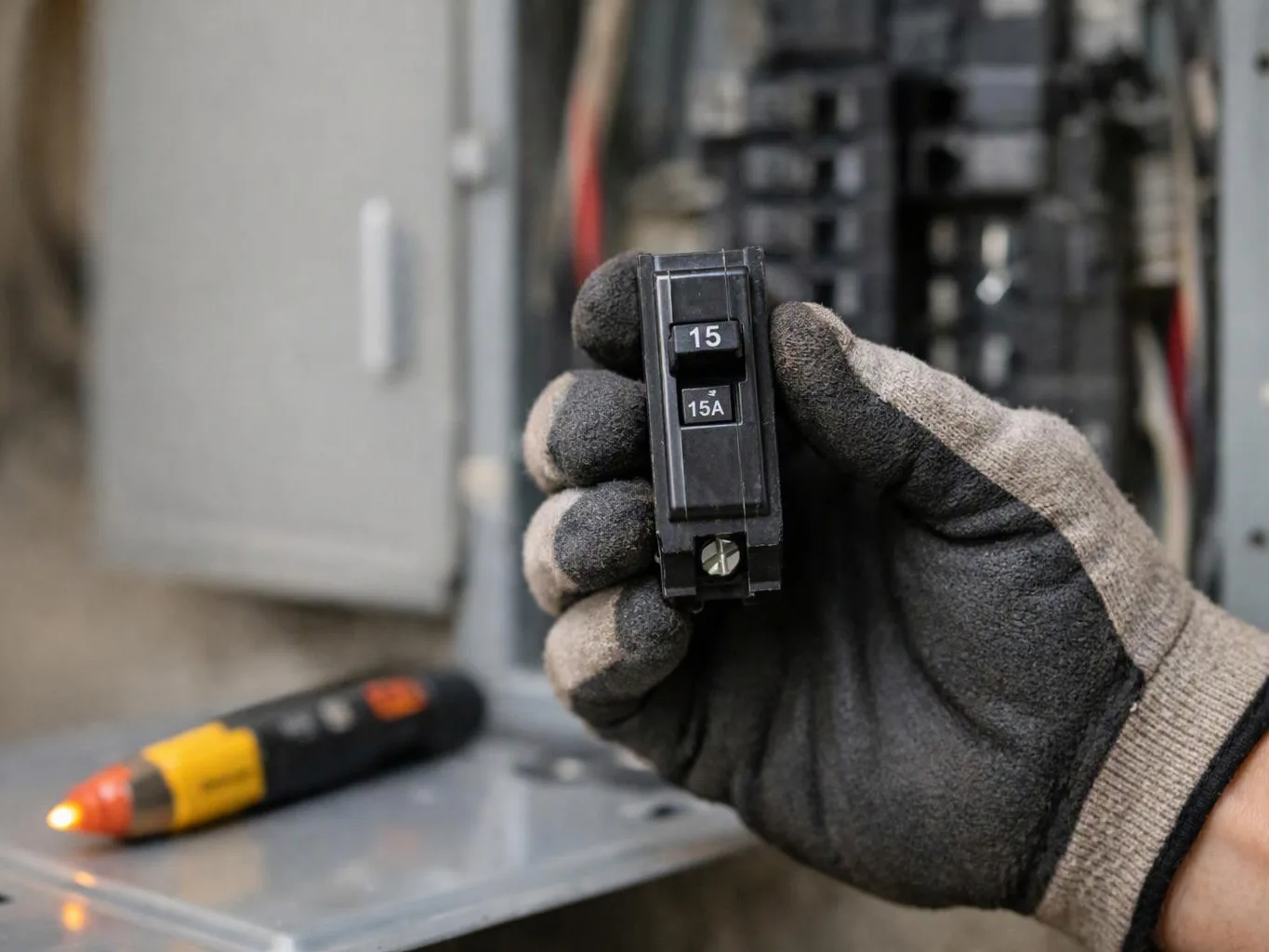
Sealed connections should protect underwater light wiring from moisture, while the transformer, grounding path, and circuit protection need testing. Electrician Pittsburgh checks the light circuit, wet niche, transformer, and accessible connections before recommending work. We also test the circuit after installation or repair.
What should be checked before pool wiring is scheduled?
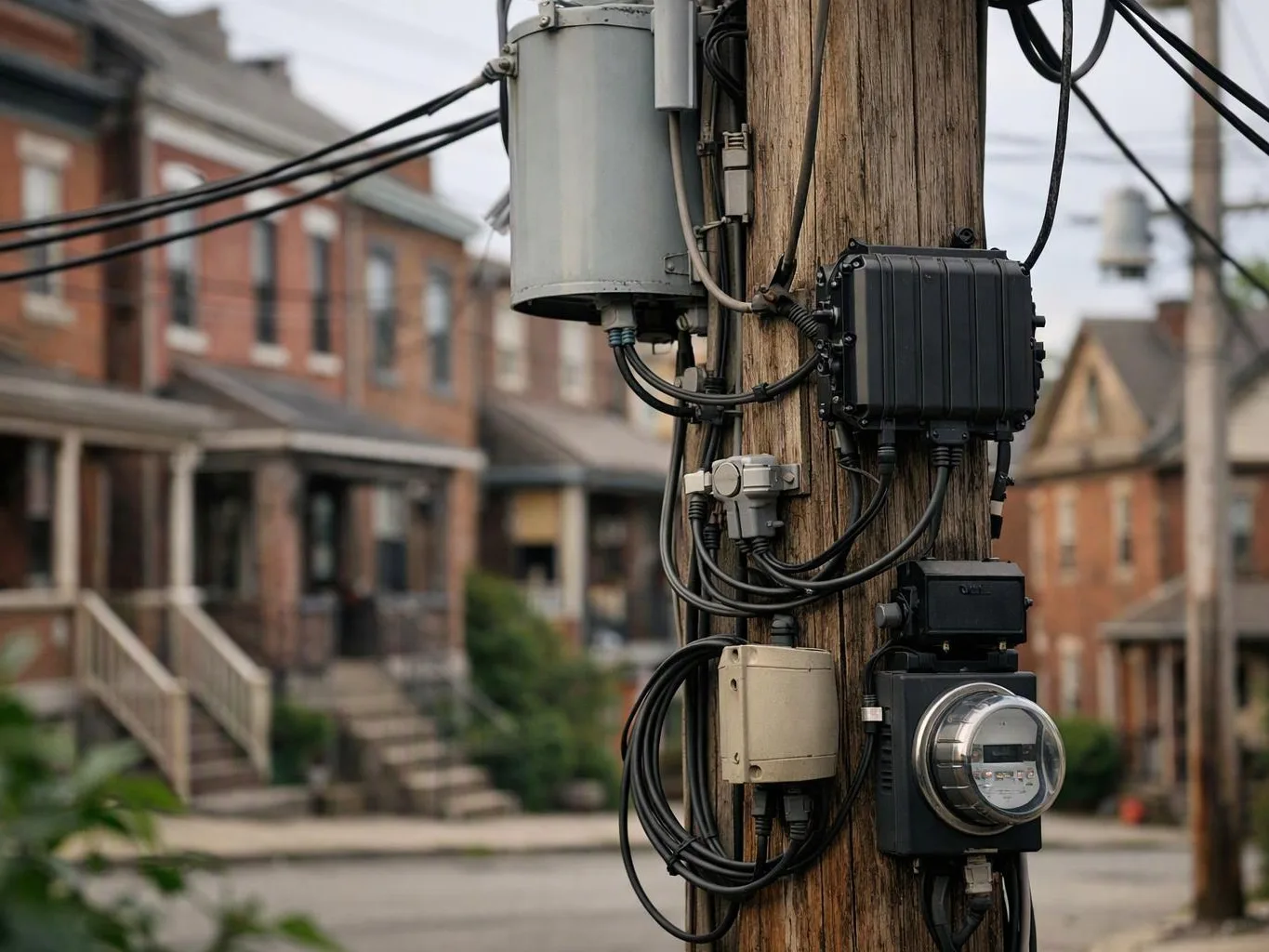
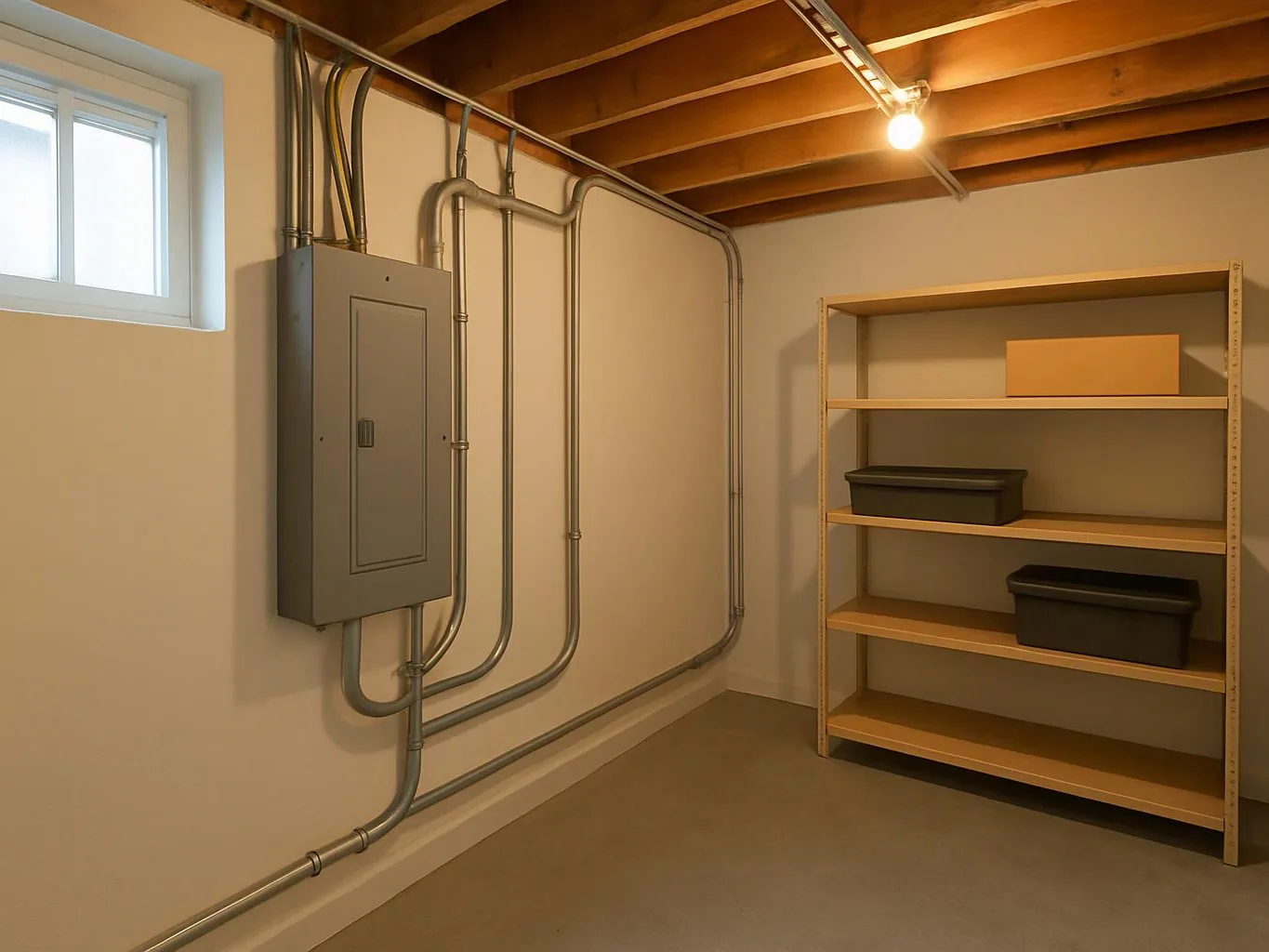
The pool light, transformer, wet niche, circuit path, grounding, and breaker should be checked first. We also need the light location, access to the electrical equipment, and a description of the fault. Those details help set a focused scope for the estimate.
Who is a good fit for pool wiring, and who needs a different service?
Pool wiring suits customers who need underwater light installation, repair, circuit tracing, or transformer checks. We handle the electrical side of the work. A plumbing, pump, or structural pool problem needs a different trade when no electrical fault is involved.
What happens at each stage of pool wiring?
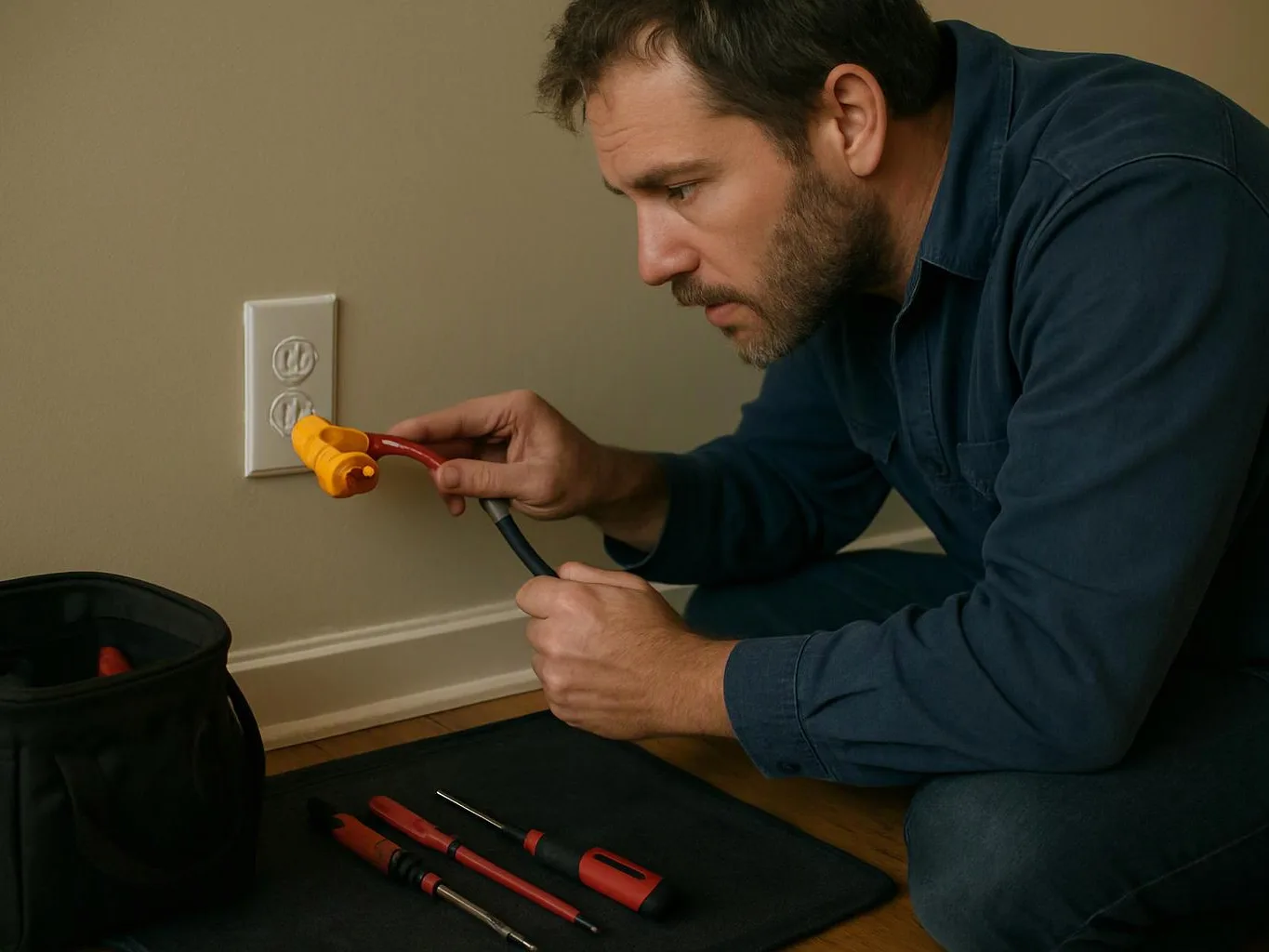
The work moves from diagnosis to circuit inspection, scope review, repair or installation, and testing. We first identify the symptom, then check the transformer, wet niche, connections, grounding, and circuit protection. The final test confirms what the electrical work addressed.
Which pool wiring part changes the project cost most?
Circuit access, damaged wiring, transformer condition, and wet-niche work usually shape the project scope. We inspect those parts before setting the estimate. A single light repair and a circuit replacement require different materials and work steps.
When should a pool light stay switched off?
A pool light should stay off when it flickers, sparks, trips the breaker, or shows heat or water damage. We isolate the affected circuit and check the light, transformer, connections, and protection. Repeatedly resetting the breaker can leave the underlying fault active.
Why does a low-voltage pool light still need electrical testing?
Low-voltage lighting still depends on a correctly connected transformer and protected supply circuit. We test the transformer, wiring, grounding path, and light connection because a low-voltage fixture does not remove moisture or fault risks.