How do I choose recessed lighting for each room?
Dimming capability should match the room's use, fixture type, and control plan. We then compare beam angle, color temperature, lumens output, and trim finish for each space. Kitchens may need focused task light, while living rooms often benefit from adjustable output. Electrician Pittsburgh reviews those choices with you before preparing the installation scope.
What does a recessed lighting visit include?
A recessed lighting visit includes a room review, circuit check, fixture planning, installation scope, and control discussion. We look at ceiling access and wiring paths before choosing placement. The final review covers fixture operation, switch control, and dimmer performance. That process helps identify electrical work that must happen before the lights are installed.
Which part of the property decides the lighting scope?
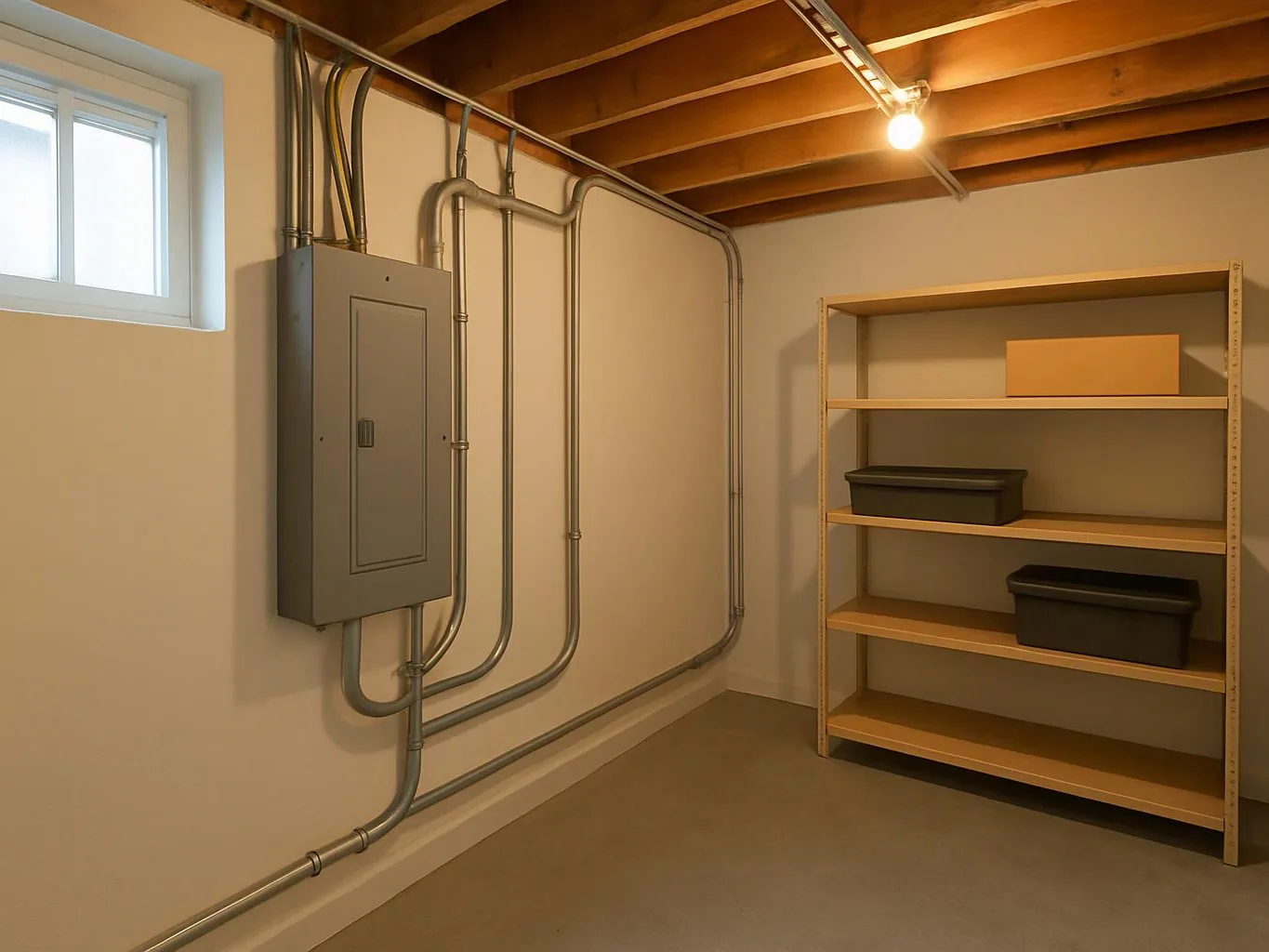
The ceiling structure and existing circuit usually decide the lighting scope. Ceiling access affects the wiring path, while circuit capacity affects how the new fixtures connect. Room size and use guide beam angle and lumens output. We review those conditions together so the fixture count and control plan fit the property.
When should dimming be included in the lighting plan?
Dimming should be included when one room needs different light levels during the day. We match the dimmer to the recessed fixture and check the circuit before installation. Dimming is useful for living areas, dining spaces, and rooms with more than one purpose. A poor match can lead to flicker, buzz, or limited control.
Why do recessed lights flicker after installation?
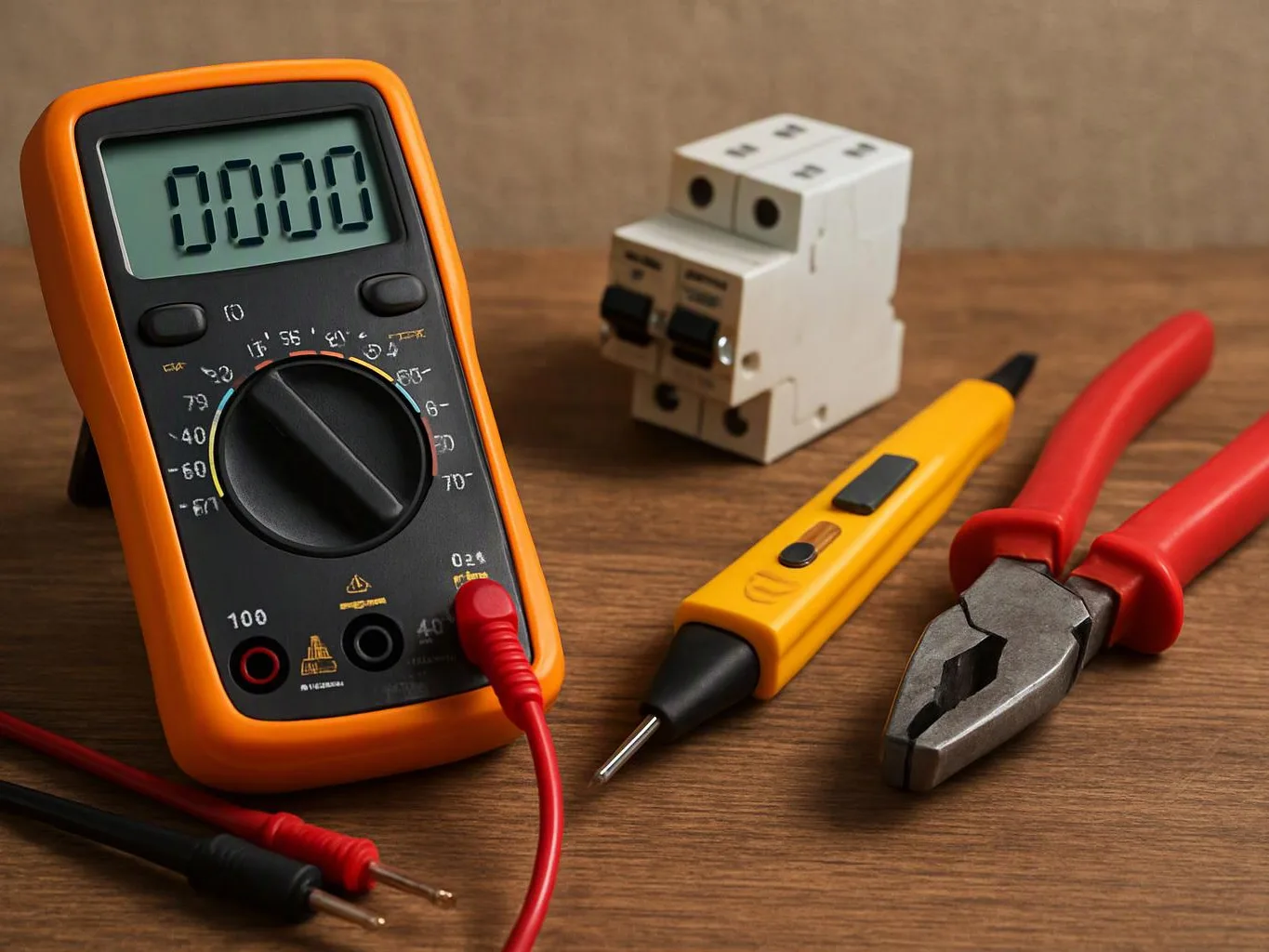
Flickering usually comes from a control mismatch, loose connection, incompatible fixture, or circuit issue. We test the dimmer, fixture, wiring, and load to find the cause. A warm switch plate, buzzing control, or burning smell needs prompt electrical attention. Stop using the affected light if it shows a clear warning sign.
How does the installation move from the first call to the last step?
The installation moves from room planning to electrical checks, fixture selection, installation, and final testing. We first discuss the desired light and controls. Next, we review access, wiring, and circuit capacity. After the fixtures are connected, we test each light and explain the switches or dimmers.
What makes a recessed fixture fit a property?
A recessed fixture fits when its size, wiring needs, ceiling access, output, and controls suit the property. We check the ceiling space and circuit before confirming the layout. The room's use also matters because a hall, kitchen, and living room need different light spread. Our estimate reflects those job conditions.