When does a home need whole-house rewiring?
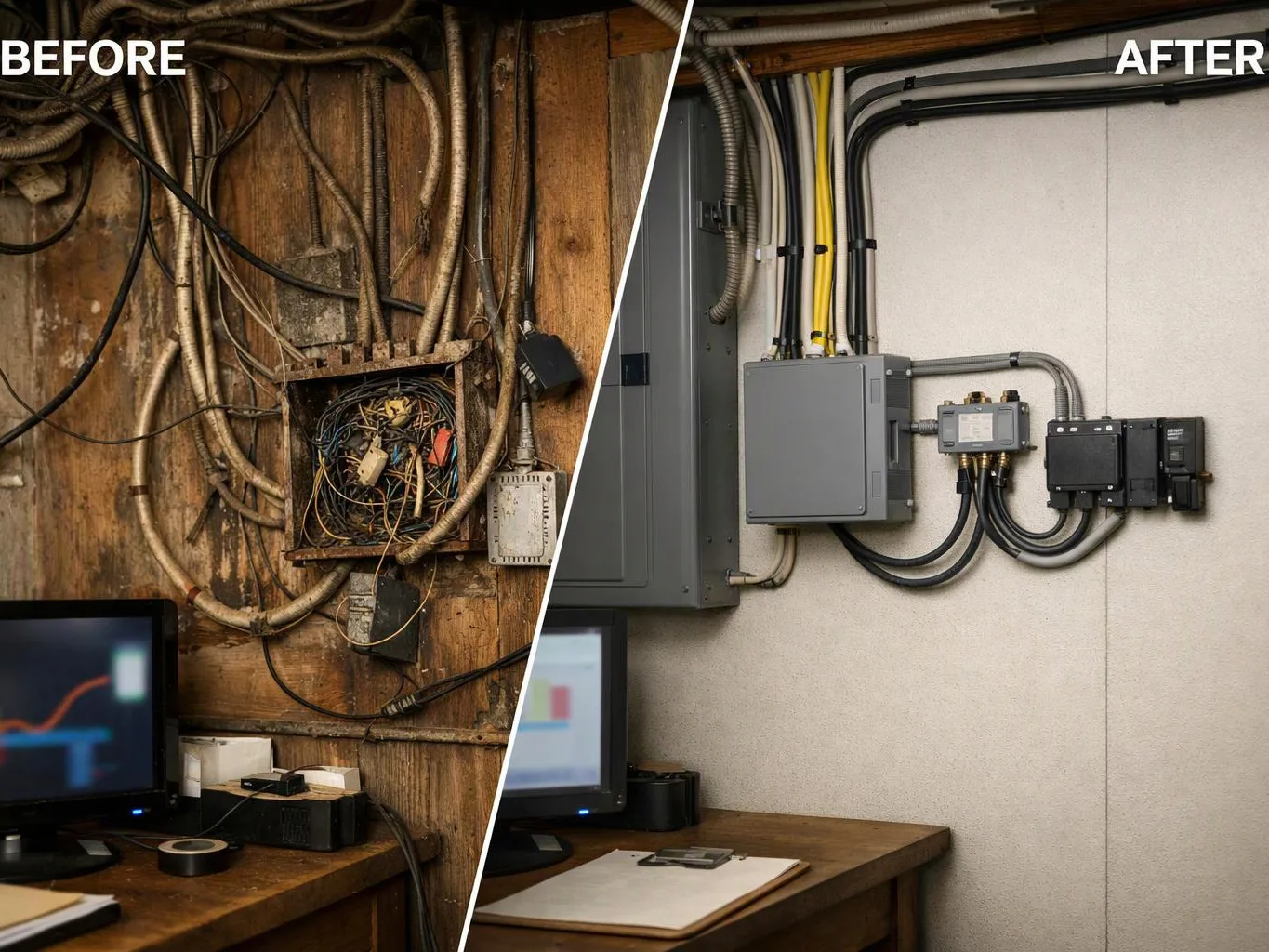
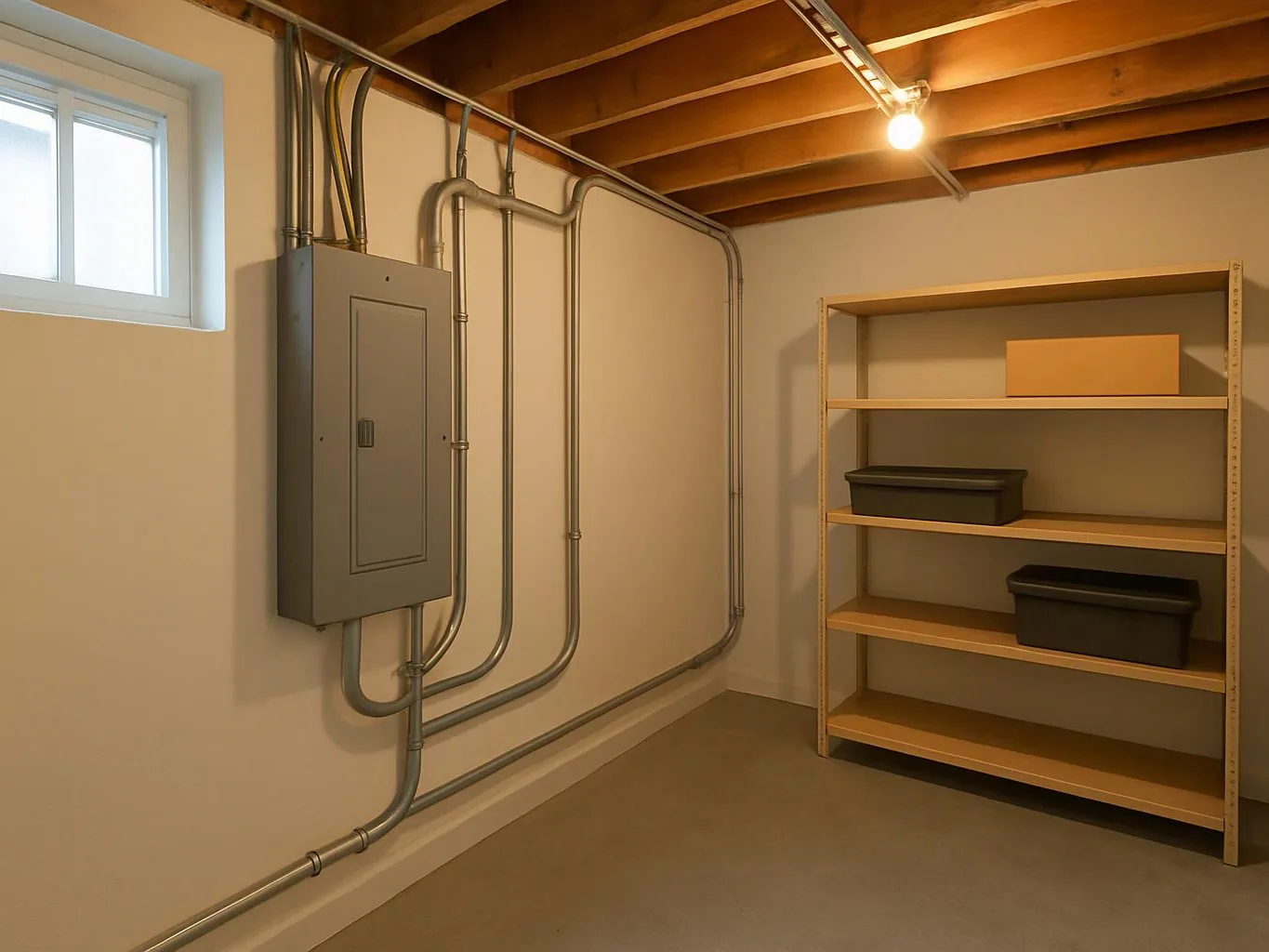
Knob wiring calls for whole-house rewiring when faults spread across circuits or the insulation and connections no longer provide a safe system. We inspect the panel, trace circuits, and check outlets before giving a recommendation. Repeated breaker trips, warm plates, flickering lights, and damaged insulation help define the scope. One isolated fault may need a smaller repair.
How is rewiring matched to a property before work starts?
Property size, circuit layout, panel condition, access, and planned loads shape the rewiring plan. We map existing circuits and inspect accessible wiring before setting the scope. Customers should share renovation plans and major equipment needs. That information helps us plan circuit capacity, outlet locations, grounding work, and testing.
What should be ready before rewiring starts?
The property should have its renovation plans, known electrical symptoms, and access to the panel and affected rooms ready. We also need to know about major loads such as generators, EV chargers, or new appliances. Customers should keep unsafe outlets unused and tell us about any burning smell, buzzing panel, or sparking device.
Which part of the job changes the estimate?
Wiring access, panel condition, circuit count, grounding work, and planned loads change the estimate. We review those factors during the assessment and explain the work before it begins. Free estimates are available, and financing or payment plans can help customers plan the project.
Why do frequent faults point to more than one repair?
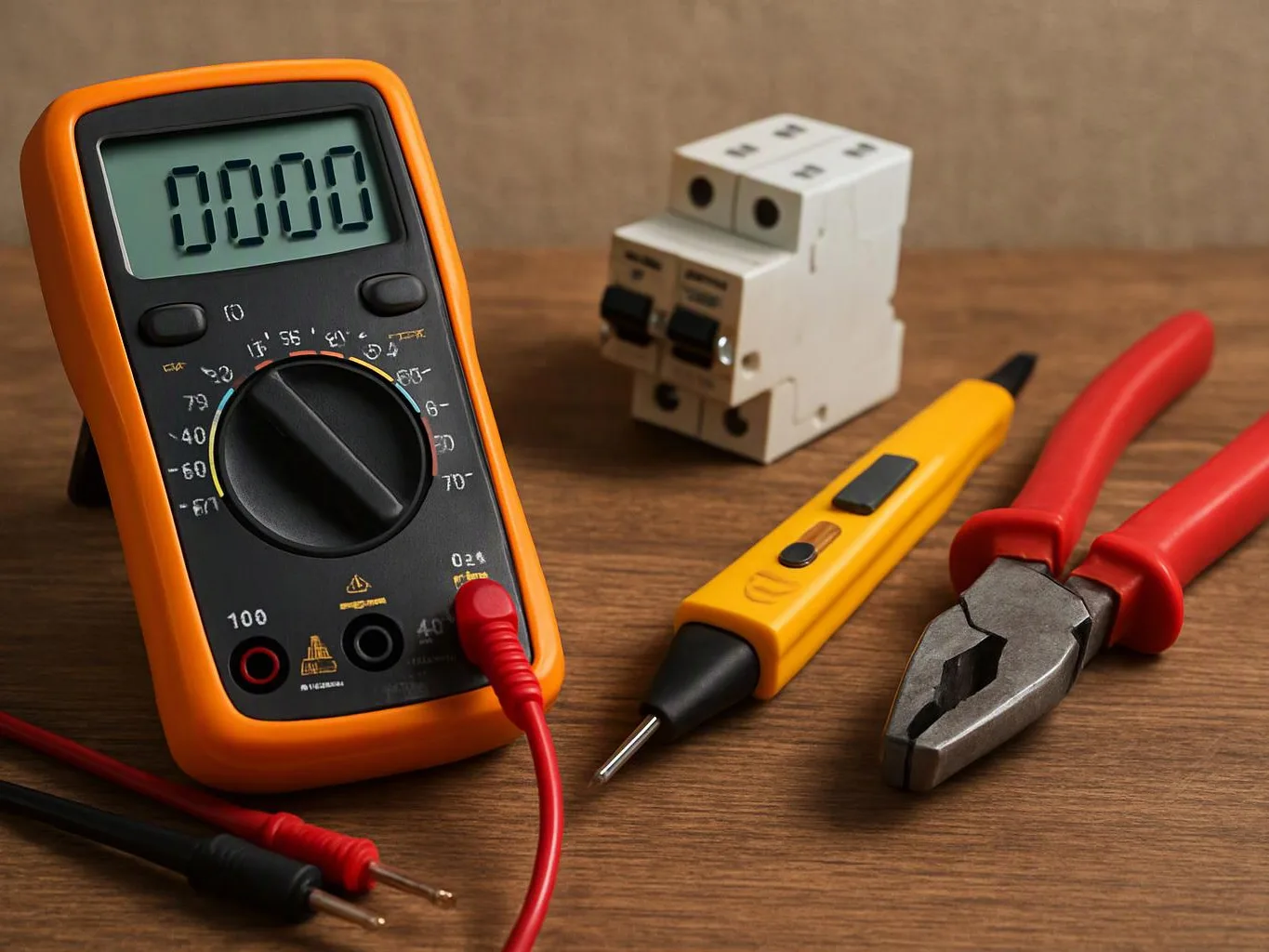
Frequent faults across several circuits can show that aging wiring or poor connections affect more than one location. We trace the circuits, inspect the panel, and test outlets to find the pattern. A whole-system plan fits when the issue is spread across the property. A smaller repair fits an isolated, safe fault.
What should a customer ask before agreeing to rewiring?
Customers should ask which circuits will be replaced, how access will be handled, and how the completed work will be tested. We explain the planned wiring, grounding, panel connections, and estimate before work begins. Ask how circuits will be labeled and what inspection or permit steps apply to the agreed work.
Can emergency electrical problems lead to a rewiring plan?
Emergency symptoms can reveal a wider wiring problem that needs planned replacement after the immediate hazard is isolated. We address the unsafe condition, inspect related circuits, and explain whether rewiring fits the findings. A burning smell, buzzing panel, or sparking outlet should not be ignored or repeatedly reset.