
What Is a Branch Circuit?
A branch circuit is an electrical path that carries power from a final circuit breaker or fuse to outlets and equipment. It includes the wiring beyond that protective device and the points where power is used, such as a light fixture or an appliance connection.
Quick Facts About Branch Circuit
- Category
- Electrical distribution
- Used for
- Powering outlets, lights and equipment
- Common confusion
- Feeder wiring
- Often discussed with
- Dedicated Circuit Installation
Key Takeaways About Branch Circuit
- A dedicated circuit serves a specific appliance or load.
- Wire size and breaker rating must suit the electrical load.
- A branch circuit isn't the same as a feeder.
How Branch Circuit Works
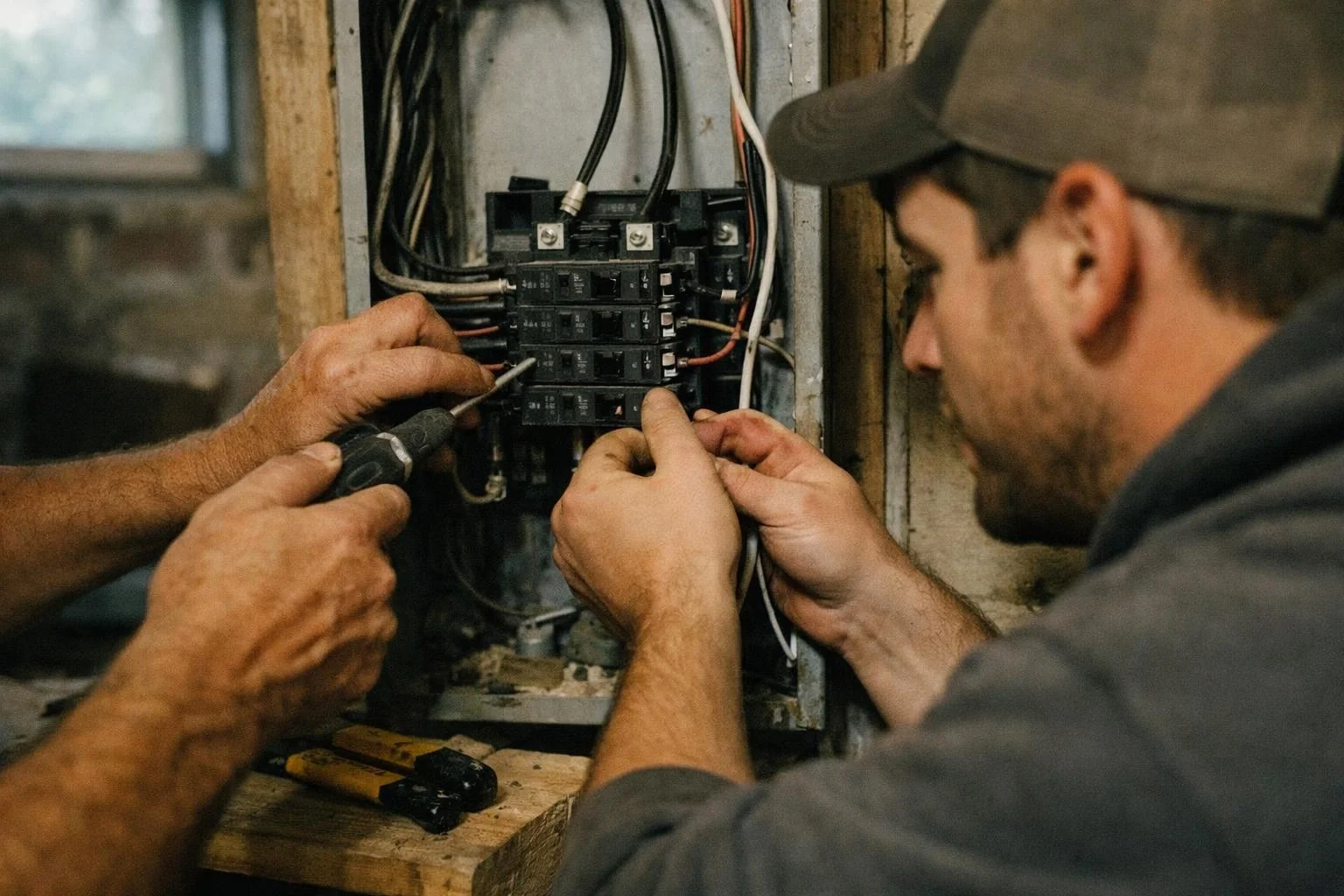
A branch circuit carries current through conductors to a connected load. A lamp or appliance uses that current to operate. Current then returns along the circuit path. Related service: Dedicated Circuit Installation.
Related glossary terms: Circuit Breaker, Electrical Load, Circuit Overload.
The circuit breaker or fuse protects the wiring from excessive current. A breaker opens the circuit when it detects an overload or certain faults. A fuse melts to interrupt excessive current.
Some branch circuits supply outlets or lights throughout an area. A dedicated branch circuit supplies a particular load, such as an appliance. The load and wiring affect the choice of protective device.
A feeder has a different role in the electrical system. It carries power toward a panel or other distribution equipment. The branch circuits connected there deliver power onward to the loads.
From the Electrician Pittsburgh team
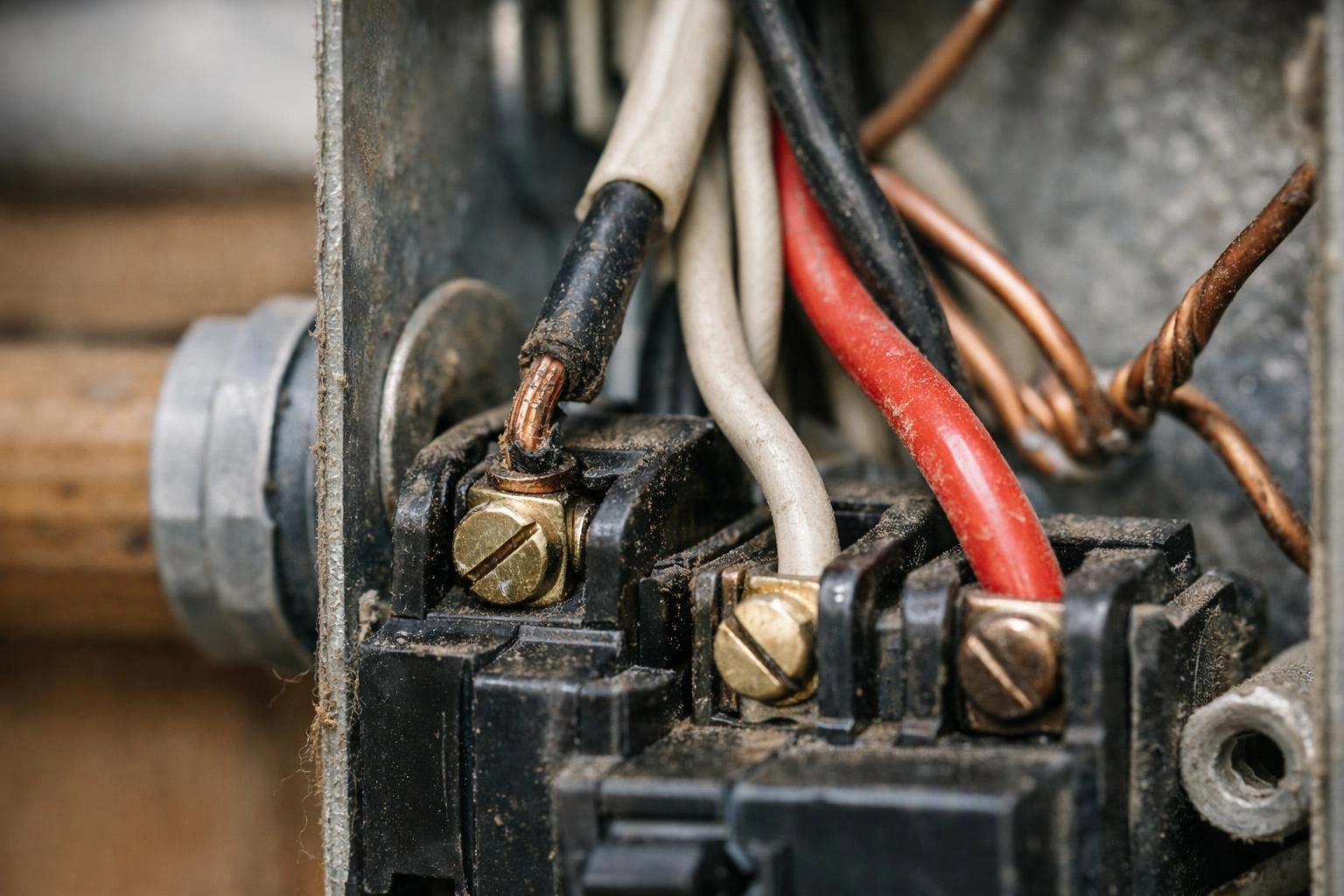
When we plan a dedicated circuit, we check the appliance's electrical needs and the available panel space. We also look at the route for new wiring. A finished wall or a crowded panel can change the installation plan.
Branch Circuit in Practice: A Real-World Example
A homeowner wants a dedicated circuit for a new dishwasher. The installation plan accounts for the dishwasher's electrical needs and the wiring route from the panel.
Related Services
Related Terms
Circuit Breaker
A circuit breaker is an electrical protection device that stops current when a circuit draws too much power or develops a short.
Electrical Load
Electrical load is the amount of electrical power that a device or group of devices draws from a circuit.
Circuit Overload
A circuit overload is a condition that occurs when electrical devices draw more current than a circuit is designed to carry.
Load Center
A load center is an electrical panel that distributes power to circuits throughout a building.
Electrician Pittsburgh
Have Questions About Branch Circuit?
Contact Electrician Pittsburgh for practical guidance on Branch Circuit and related 24 hour electrician work in Pittsburgh.