
What is a Transformer?
Transformer is an electrical device that transfers energy between circuits through a changing magnetic field. A transformer can increase or decrease alternating-current voltage while keeping the frequency nearly unchanged. Power systems use transformers to reduce transmission losses, supply building voltage, isolate equipment, and match electrical loads with available power.
Quick Facts About Transformer
Category
Electrical power device
Formula
Voltage ratio follows turns ratio
Used for
Voltage conversion and circuit isolation
Common confusion
A transformer does not convert alternating current to direct current.
Also called
Voltage transformer, Isolation transformer
Often discussed with
Electrical Troubleshooting, Commercial Rewiring
Key Takeaways About Transformer
- Transformers change voltage levels without changing alternating-current frequency.
- A transformer needs alternating current because changing current creates the magnetic field.
- The nameplate lists voltage, capacity, phase, connections, and other operating limits.
- Overheating, buzzing, insulation damage, and oil leaks can signal transformer trouble.
Understanding Transformer

Transformer is a static electrical device. It transfers energy between circuits through electromagnetic induction. It normally contains two or more coils of insulated wire around a magnetic core. The input coil is the primary winding. The output coil is the secondary winding. Electrical isolation between windings can improve safety. It can also reduce unwanted current paths.
Related glossary terms: Voltage Drop, Overcurrent Protection, Electrical Grounding.
A transformer changes alternating-current voltage based on each winding's turns. A step-up transformer produces higher voltage on the secondary side. A step-down transformer produces lower voltage. The operating frequency stays nearly the same. A transformer differs from a rectifier, inverter, or motor.
How Transformer Works, Is Measured, or Is Used?
Alternating current in the primary winding creates a changing magnetic field. The field forms in the magnetic core. That changing field induces voltage in the secondary winding. The basic voltage relationship is V1 divided by V2. This equals N1 divided by N2. V represents winding voltage. N represents winding turns. A winding with twice as many turns produces about twice the voltage. Losses and design limits can affect this result.
Technicians identify a transformer by its nameplate and installation conditions. Important values include primary and secondary voltage. They also include rated capacity in volt-amperes or kilovolt-amperes. Other values include phase, frequency, impedance, and temperature rise. Connection type also matters. A transformer rated at 10 kilovolt-amperes can supply a limited load. Actual usable capacity depends on several conditions. These include voltage, duty cycle, temperature, ventilation, and connected equipment.
Common designs include dry-type transformers, oil-filled transformers, isolation transformers, control transformers, and autotransformers. Dry-type units often serve indoor commercial or industrial loads. Oil-filled units commonly serve utility distribution systems. The oil provides insulation and helps remove heat. An autotransformer shares part of one winding. It doesn't provide full electrical isolation like a two-winding design.
Why Transformer Matters?
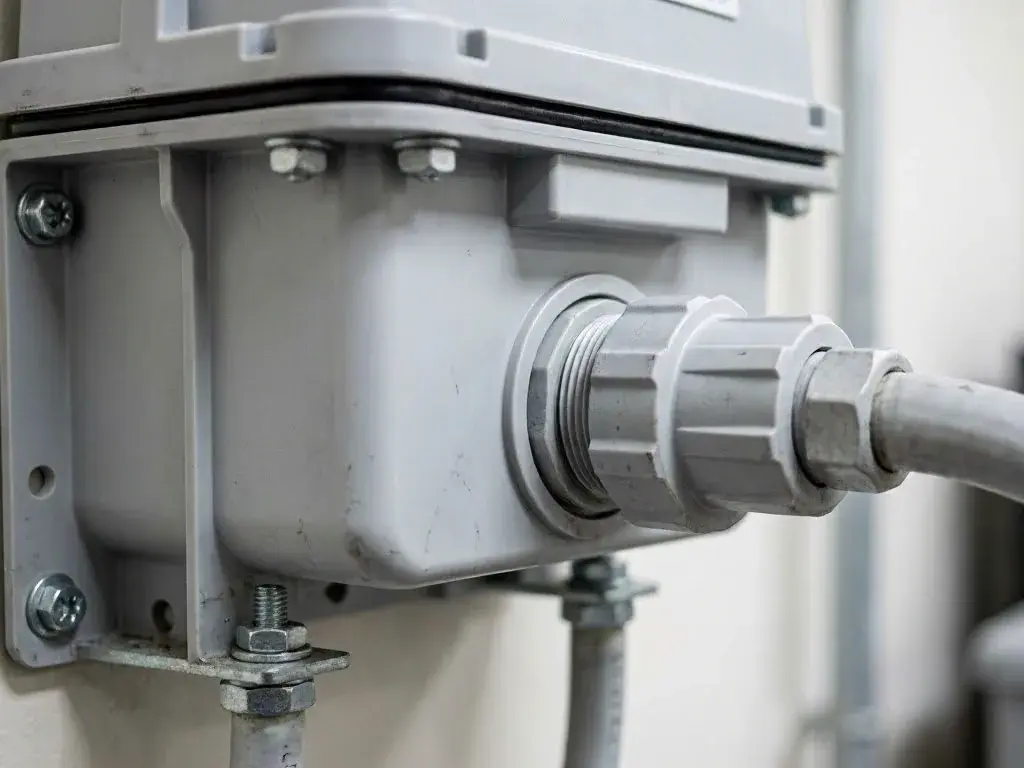
Transformers make practical power distribution possible. They move electricity at suitable voltage levels. Utilities can transmit power at higher voltages. They can then reduce the voltage near buildings and equipment. Inside a facility, a transformer may supply 120 or 208 volts. It may use a higher-voltage source. It may also provide a separate control voltage for machinery.
Correct transformer selection protects conductors, connected equipment, and people. An unit with too little capacity may overheat under normal demand. The wrong secondary voltage can damage motors, lighting, controls, or electronic equipment. Poor grounding can create fire and shock hazards. Loose connections can create these hazards too. Blocked ventilation and incorrect overcurrent protection can also create hazards. These problems can happen even when the transformer has the right size.
When Transformer Matters Most?
Transformer evaluation becomes important during a service upgrade, equipment replacement, or new construction. It also helps with unexplained voltage problems. A technician may compare measured voltage with the nameplate rating. They may inspect winding connections and check load current. They may look for heat or insulation damage. A voltage drop problem may appear at the load. A transformer fault can affect the supply before the branch circuit.
Safety rules matter most around energized primary circuits and utility equipment. The installation may require suitable overcurrent protectionbonding, and clear working space. It may also require ventilation and equipment grounding. Pittsburgh properties may face cold weather, moisture, aging wiring, and flood exposure. Enclosure condition and physical location need attention during inspection.
How to Evaluate Transformer?
- Compare primary and secondary voltage readings with the transformer nameplate values.
- Check the rated capacity in volt-amperes or kilovolt-amperes against the connected load.
- Inspect for overheating, damaged insulation, loose terminals, unusual noise, vibration, or oil leakage.
- Verify phase, frequency, winding connections, grounding, bonding, and overcurrent protection.
- Confirm that ventilation, working clearance, and enclosure conditions match the installation requirements.
Related Concepts Compared
Transformer vs. Rectifier
A rectifier changes alternating current into direct current. A transformer changes alternating-current voltage or provides isolation, but it does not normally create direct current.
Transformer vs. Inverter
An inverter changes direct current into alternating current. A transformer transfers energy between alternating-current circuits through magnetic induction.
Transformer vs. Autotransformer
An autotransformer uses one winding with shared sections. It can be smaller and more efficient, but it does not provide full separation between input and output circuits.
Transformer vs. Power Supply
A power supply is a broader system that delivers usable electrical power. A power supply may contain a transformer, rectifier, regulator, or other components.
Expert Note
A transformer can show normal no-load voltage and still fail under load. Voltage readings should be taken at the transformer and at the connected equipment while the load operates. Heat, noise, and connection condition often reveal problems that a simple voltage check misses.
Common Mistakes or Myths About Transformer
- Assuming every transformer changes voltage without checking its nameplate.
- Connecting a load that exceeds the transformer's volt-ampere or kilovolt-ampere rating.
- Treating a transformer as a substitute for a circuit breaker or grounding system.
- Ignoring heat, buzzing, vibration, damaged insulation, or oil leakage.
- Measuring only no-load voltage and skipping tests while equipment operates.
Transformer in Practice: A Real-World Example
A commercial building receives a higher-voltage service and uses a dry-type transformer to supply 120 and 208 volts for lighting, receptacles, and equipment. If the transformer is undersized, the unit may run hot and the secondary voltage may fall when several loads start together.
Related Services
Related Terms
Voltage Drop
Voltage Drop is the reduction in electrical voltage that occurs as current travels through a conductor…
Overcurrent Protection
Overcurrent Protection is a safety method that limits electrical current when a circuit carries more amperage…
Electrical Grounding
Electrical Grounding is the intentional connection of an electrical system or equipment to earth through a…
Load Calculation
Load Calculation is a method for determining how much electrical power a building, panel, or circuit…
Electrician Pittsburgh
Have Questions About Transformer?
Contact Electrician Pittsburgh for practical guidance on Transformer and related 24 hour electrician work in Pittsburgh.