Electrical Emergency Mistakes to Avoid Before Help Arrives
Electrical emergency safety requires avoiding unsafe actions before qualified electrical help arrives. Electrician Pittsburgh can troubleshoot hazards, inspect safety issues, and correct electrical code problems. Avoid touching exposed conductors, using water near energized equipment, repeatedly resetting a tripped breaker, or assuming a light switch makes wiring safe.
Get a Free EstimateWhat to Do First During an Electrical Emergency
Electrical emergency response starts with keeping people away from the electrical hazard and calling emergency services when there is fire, smoke, injury, or immediate danger.
Leave the area if evacuation is needed. Turn off power only when the emergency shutdown point is safely reachable without entering a wet, smoky, burning, or damaged area.
Our team can assess the remaining hazard after emergency services address an active fire or medical emergency. Do not re-enter the area until it is safe to do so.
The Electrical Emergency Mistakes That Create More Risk
The most dangerous mistakes involve contact with an energized circuit, uncontrolled fire, or an unknown fault inside the electrical panel. These actions can turn a small fault into electrical shock, arc flash, fire, or additional equipment damage.
Our team identifies the hazard before restoring power or making a repair. The safest choice is to create distance, communicate the danger, and wait for Electrical Troubleshooting when the cause is not clear.
Touching Exposed Wires or Damaged Electrical Equipment
Touching an exposed conductor or damaged equipment can cause electrical shock or arc flash. The danger may remain even when the equipment looks inactive because damaged insulation can hide an energized path.
People often reach for loose wiring to move it out of the way. Our team uses safe isolation and testing to identify the circuit before handling the damaged area.
Correction cost depends on the fault location, access, damaged components, and electrical code correction required. Leave exposed wiring untouched and keep people away until we inspect it.
Using Water on an Electrical Fire
No, water must not be used on an electrical fire because water can conduct electricity and increase the risk of shock. Water can also spread a fire when energized equipment is involved.
People may use water because it is nearby and familiar for ordinary fires. Move away, call the fire department, and use only a suitable fire extinguisher if you can do so without approaching danger.
Electrical fire damage can involve wiring, outlets, panels, and nearby materials. We inspect the affected system after the fire department makes the area safe.
Resetting a Tripping Breaker Repeatedly
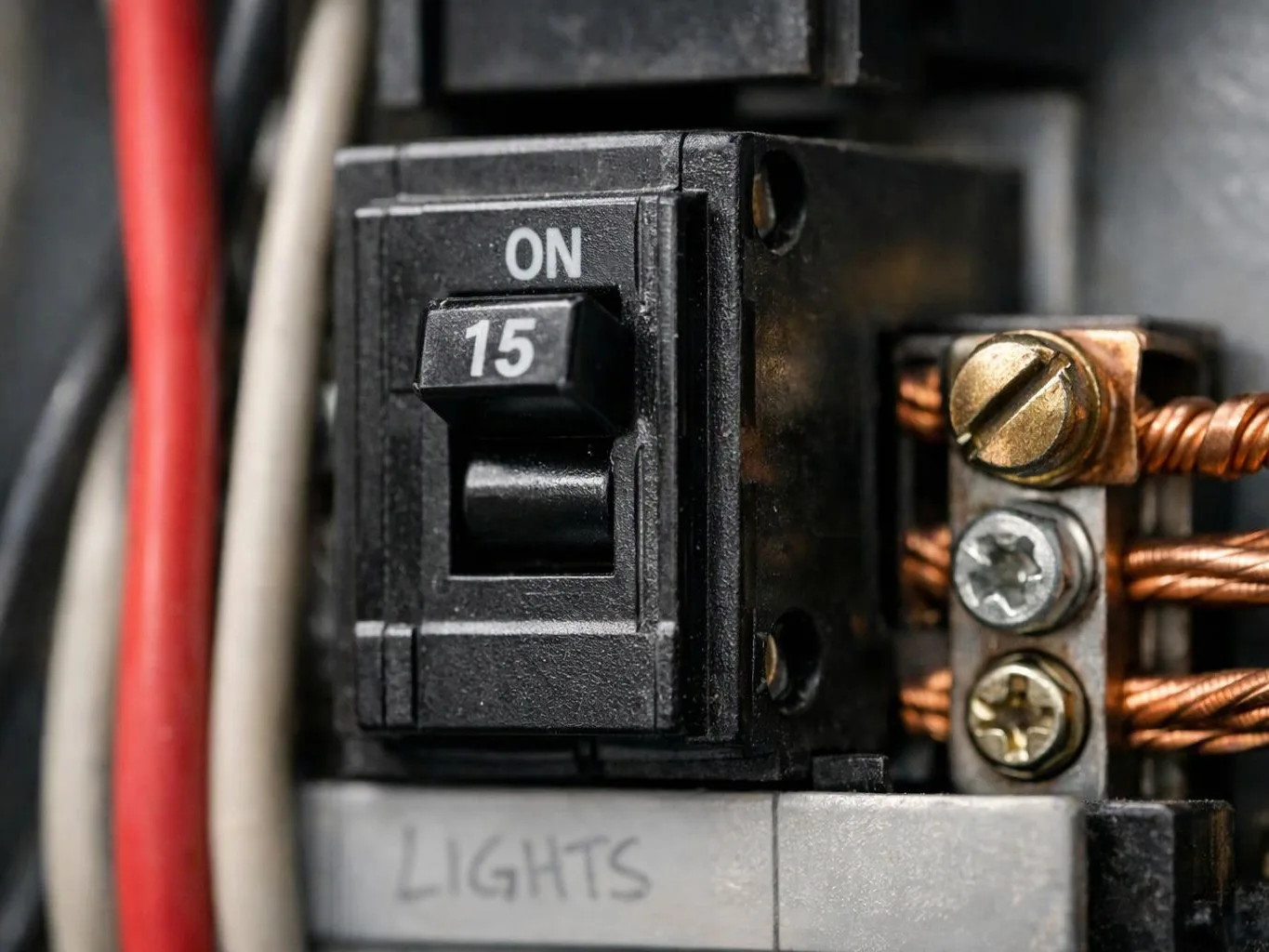
No, repeatedly resetting a tripping circuit breaker is not safe because the trip may signal an overload, short circuit, or ground fault. Each reset can send power back into a damaged circuit.
People reset the breaker because they want lights or appliances working again. Our team traces the circuit, tests for the fault, and corrects the cause before recommending restored use.
Correction cost depends on whether the problem is a connected appliance, wiring fault, breaker issue, or panel condition. Leave the breaker off after it trips again and arrange Electrical Troubleshooting.
Repairing or Taping Exposed Wiring Yourself
No, you should not repair exposed electrical wire yourself during an emergency. Tape may hide damaged wire insulation without correcting the connection, heat, fault, or grounding problem.
People often try a quick wire connector or tape because the damage appears small. Our team checks the wire, connector, junction box, and surrounding circuit against the electrical code.
Correction cost depends on access, the extent of damaged wiring, and the electrical code correction needed. Do not cover the area or place it back in service before we inspect it.
Assuming a Light Switch Makes Wiring Safe
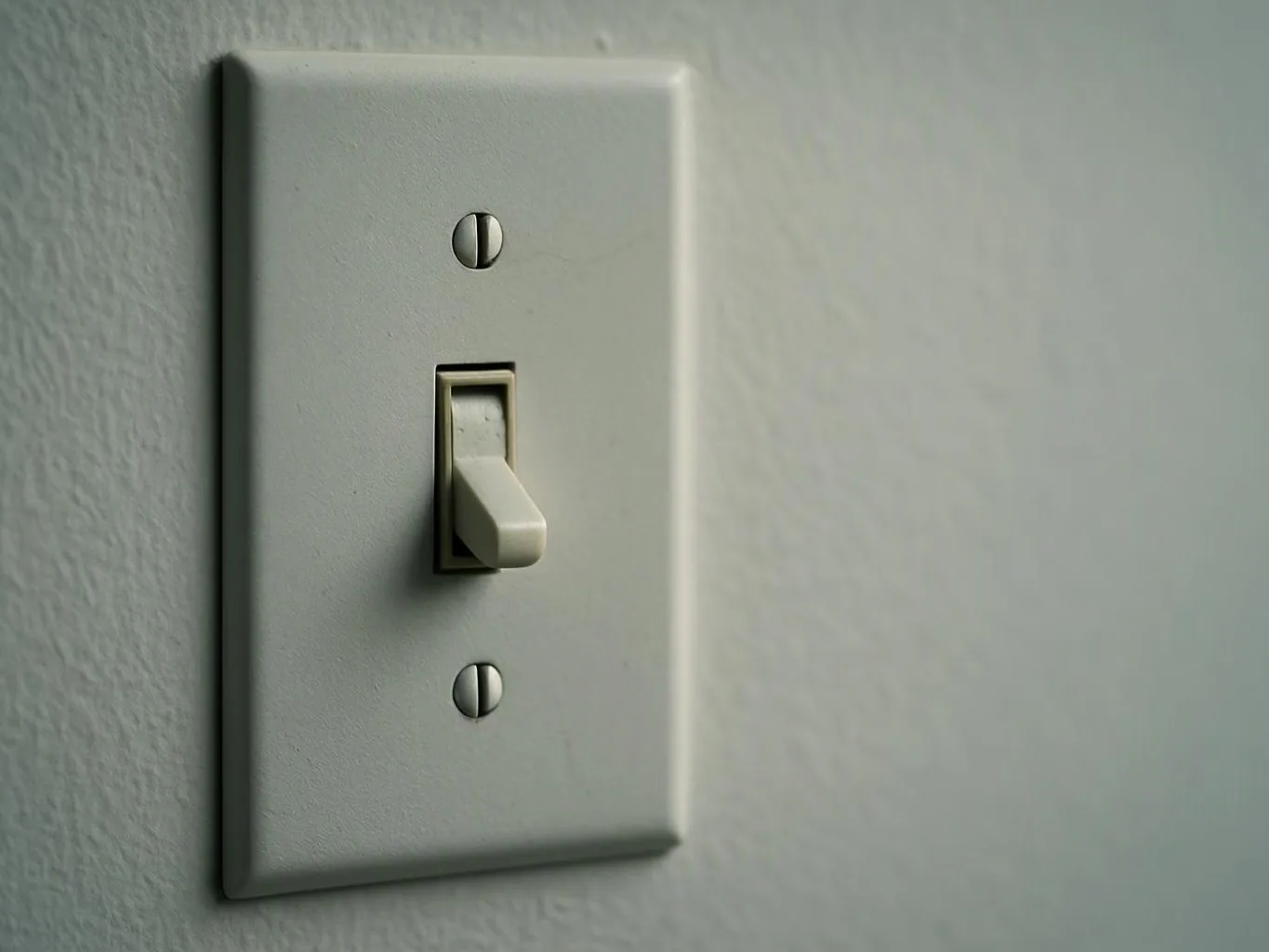
No, turning off a light switch does not prove that wiring is safe to touch. An energized conductor can remain present in the box or branch circuit even when the light is off.
People rely on the switch because the fixture stops working. Our team turns off the correct circuit breaker and performs voltage testing before handling wiring.
Correction cost depends on the wiring arrangement, access, and any hidden fault. Keep the switch and circuit unused until we confirm power isolation.
Pulling Plugs from Wet Areas or Damaged Outlets
No, pulling a plug from a wet electrical outlet can cause electric shock. Water around an electrical receptacle creates an added path for current.
People may try to remove the appliance quickly. Our team isolates power safely and checks the outlet, plug, wiring, and ground-fault circuit interrupter before reuse.
Correction cost depends on water exposure, outlet damage, wiring condition, and required code corrections. Keep away from the wet area and do not touch the plug or receptacle.
Moving or Covering Equipment That Is Sparking
Moving a sparking outlet, power strip, or appliance can spread electrical arcing and expose you to shock. Covering it can also trap heat near combustible material.
People move the equipment to stop the noise or hide the damage. Our team isolates the circuit, examines the equipment, and checks for heat damage before deciding what can remain.
Correction cost depends on whether the fault is in the appliance, outlet, power strip, or branch wiring. Keep a safe distance and prevent others from approaching.
Working on the Electrical Panel Without Identifying the Hazard
Opening a service panel without identifying the hazard can expose you to an energized part. The main disconnect may not remove power from every part inside the panel.
People may open the panel to reset a breaker or investigate a sound. Our team evaluates the panel, identifies the main disconnect, and performs electrical troubleshooting with controlled isolation.
Correction cost depends on panel condition, fault location, access, and code corrections. Keep the panel cover in place unless there is an immediate safe reason to operate a marked control.
Ignoring Heat, Burning Odors, Smoke, or Repeated Flickering
A burning odor, electrical smoke, overheated wiring, or repeated flickering can indicate a fire hazard. These signs should not be treated as normal operation.
People may ignore the warning when the light or device still works. Our team locates the heat source, checks connections and circuits, and recommends safe isolation.
Correction cost depends on the source, damaged components, access, and code work needed. Leave the area if smoke or fire is present and call emergency services when there is immediate danger.
How to Make the Area Safer Before Electrical Help Arrives
Occupant safety comes first while an urgent electrical problem remains unresolved. Use these steps only when you can complete them without contact with water, smoke, fire, exposed wiring, or damaged equipment.
Share the affected room, circuit symptoms, and any visible damage when requesting help. Our team uses those details to plan a safer inspection.
When to Call Electrician Pittsburgh Instead of Doing It Yourself
Call Electrician Pittsburgh when the hazard involves exposed wiring, electrical fire damage, or repeated breaker trips. These conditions need controlled testing and a clear repair plan.
How We Check an Electrical Emergency
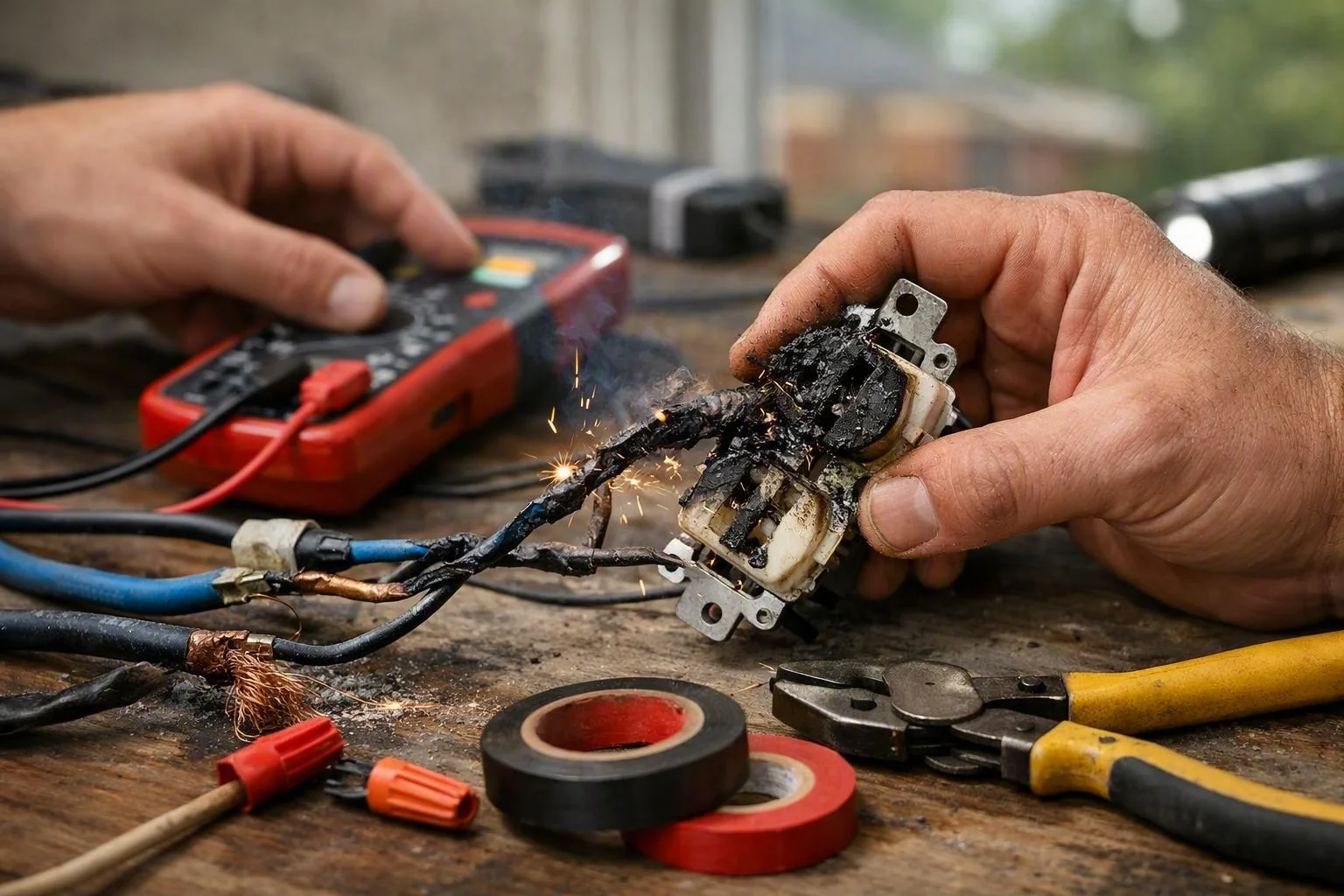
Electrical Troubleshooting starts with a visual review and voltage testing at affected equipment and related circuits. We identify unsafe conditions before touching components or restoring power.
Our team uses circuit isolation to separate the suspected fault from safe portions of the system. Fault diagnosis then considers the breaker, wiring, connections, outlets, appliances, and panel condition.
Electrical Safety Inspections help reveal hazards that are not visible during a quick repair. When the system needs changes, we complete Electrical Code Corrections as part of the repair scope.
What Changes the Cost of Correcting an Electrical Emergency
The cost of an electrical emergency depends on the electrical repair scope, fault location, accessibility, and damaged components. A fault that is easy to access may require less work than damage hidden behind finished surfaces or inside equipment.
Code corrections can add work when existing wiring, connections, or protection do not meet current requirements. We explain the findings, the recommended correction, and what the quote includes before work proceeds.
Request a quote after our team can safely inspect the affected system. The quote should reflect the diagnosed fault, labor, materials, access needs, testing, and related code work.
How to Request an Electrical Emergency Assessment
Request an electrical emergency assessment by sharing the job details, visible symptoms, affected area, and any steps already taken. Tell us whether there is smoke, fire, water, exposed wiring, a tripped breaker, or an injury.
Keep the site safe while arranging help by limiting access and leaving questionable circuits off when power isolation is safe. Our team uses your information to prepare for Electrical Troubleshooting, Electrical Safety Inspections, or Electrical Code Corrections.
Electrician Pittsburgh can review the hazard and explain the next safe action. Free Estimates Available applies when requesting an estimate for the work we can assess and quote.
Contact Electrician Pittsburgh to discuss the electrical emergency assessment.
Get a Free EstimateQuestions About Electrical Emergency Mistakes
What should I do if an electrical outlet is smoking?
Leave the area, keep people away, and call emergency services if there is fire or immediate danger. Electrician Pittsburgh can inspect the outlet and connected circuit after the area is safe.
Should I unplug an appliance that is sparking?
No, do not unplug a sparking appliance if reaching the plug could expose you to shock, water, smoke, or arcing. Move away, isolate power only when safely possible, and arrange an inspection.
When should an electrical problem be treated as a fire emergency?
An electrical problem is a fire emergency when it produces flames, smoke, a burning odor with heat, or immediate danger. Evacuate when needed and call the fire department before arranging electrical inspection.
Can a tripped breaker indicate a wiring fault?
Yes, a tripped breaker can indicate a wiring fault, overload, short circuit, or ground fault. Leave the breaker off if it trips again and arrange Electrical Troubleshooting.