Electrical Rewiring: How to Tell What Your Property Needs
Electrical rewiring addresses unsafe, outdated, damaged, or inadequate wiring in residential and commercial properties. Electrician Pittsburgh checks the electrical system, identifies whether the property needs a full rewire, partial rewire, code corrections, or safety work, then explains the scope and quote.
Get a Free EstimateWhat Signs Show That a Property May Need Rewiring?
Electrical rewiring may be needed when wiring shows damage, overheating, inadequate capacity, or unsafe performance.
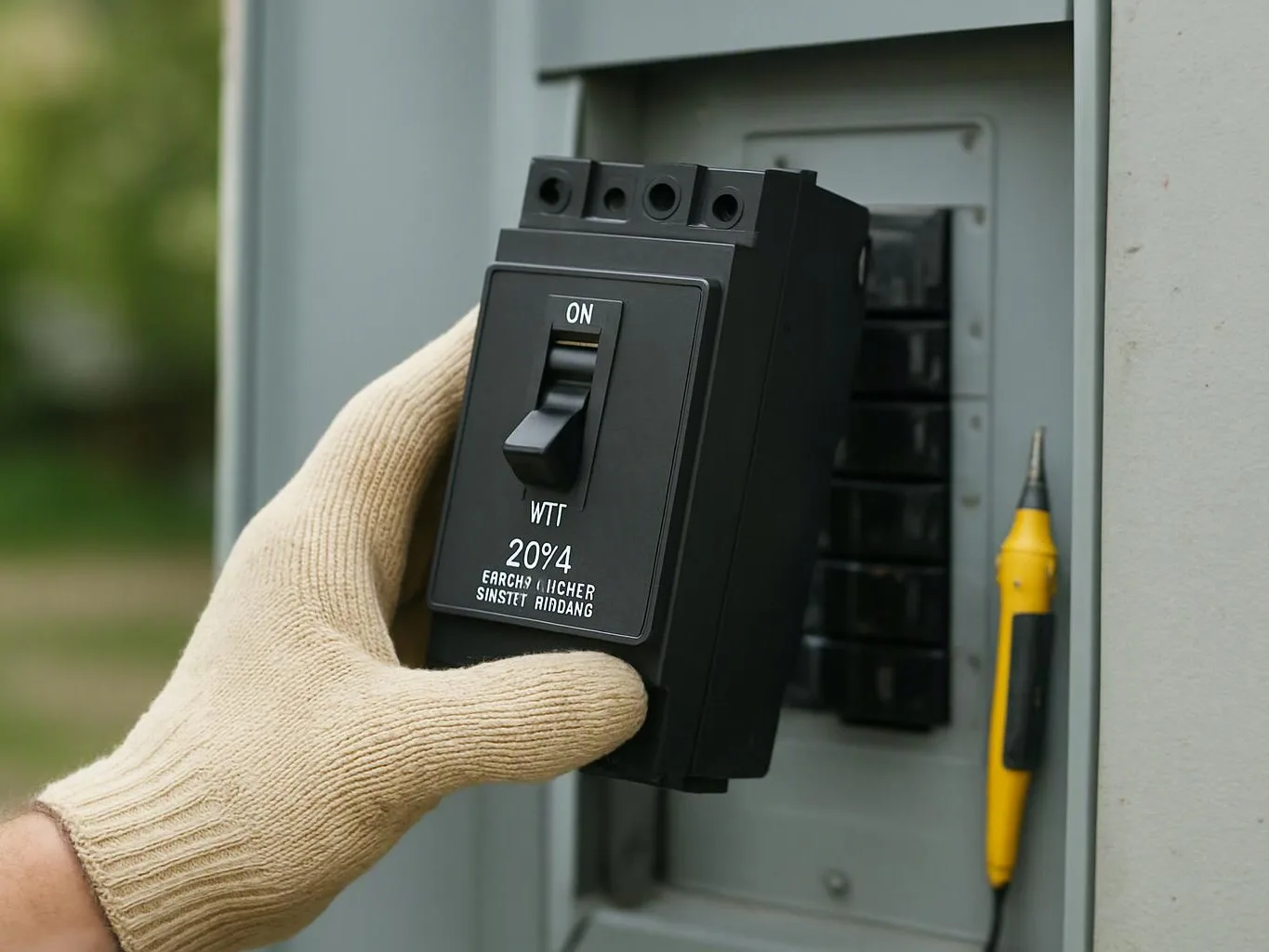
Outdated wiring can struggle with modern electrical demand. Frequent circuit breaker trips, flickering lights, and unexplained power loss can point to a circuit capacity or connection problem, so we trace the affected circuits and inspect the related protective devices.
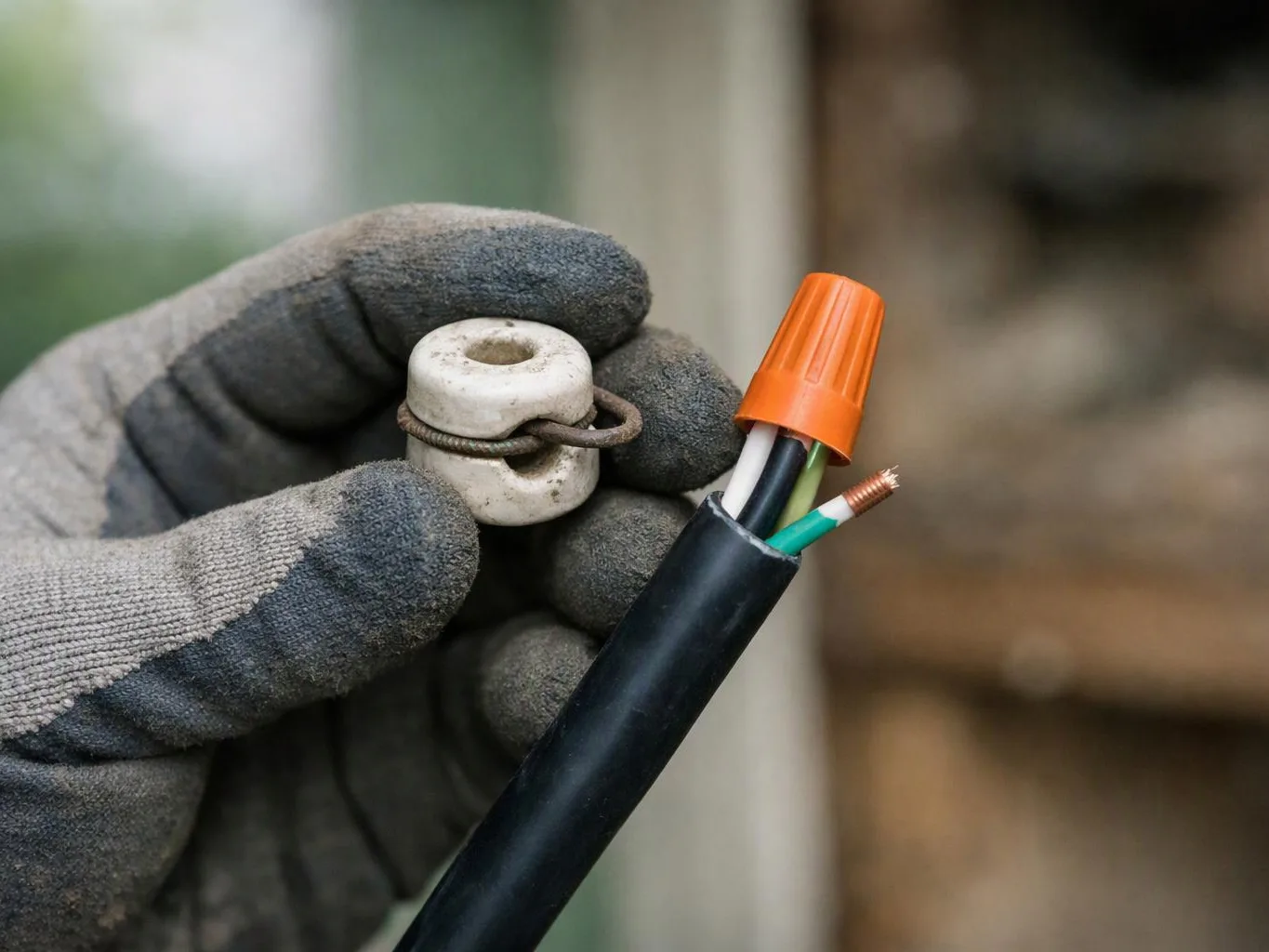
A burning odor, warm outlet, damaged insulation, or electrical shock needs prompt attention. We identify the source, make the area safe, and explain whether the finding calls for a repair, partial rewiring, or broader electrical work.
Quick picks depend on the finding: residential rewiring suits widespread problems, partial rewiring suits isolated areas, commercial rewiring suits business loads, code corrections suit identified deficiencies, and an electrical safety inspection suits owners who need a clear starting point.
Which Rewiring Option Fits Your Property?
The appropriate rewiring option depends on the property type, wiring condition, affected circuits, electrical demand, and safety findings.
We compare the available work paths before defining the project. The table shows how each option fits different property conditions.
| Type | Key Features | Cost | Best For |
|---|---|---|---|
| Residential rewiring | Replaces or upgrades wiring throughout a house or residential unit. | Varies | Properties with widespread wiring deterioration, limited capacity, or multiple safety concerns. |
| Partial rewiring | Addresses selected rooms, circuits, or damaged wiring while retaining suitable existing sections. | Varies | Properties where inspection findings are limited to specific areas. |
| Commercial rewiring | Plans wiring changes around commercial loads, equipment, occupancy, and operational requirements. | Varies | Offices, retail spaces, facilities, and other commercial properties needing safer or more capable electrical distribution. |
| Electrical code corrections | Corrects identified installation or wiring conditions that do not meet applicable electrical requirements. | Varies | Properties with inspection findings, renovation requirements, or safety deficiencies. |
| Electrical safety inspection | Reviews the electrical system to identify hazards, deterioration, capacity concerns, and repair priorities. | Varies | Owners who need to understand the property's condition before planning rewiring or other electrical work. |
Residential Rewiring for Homes and Residential Units
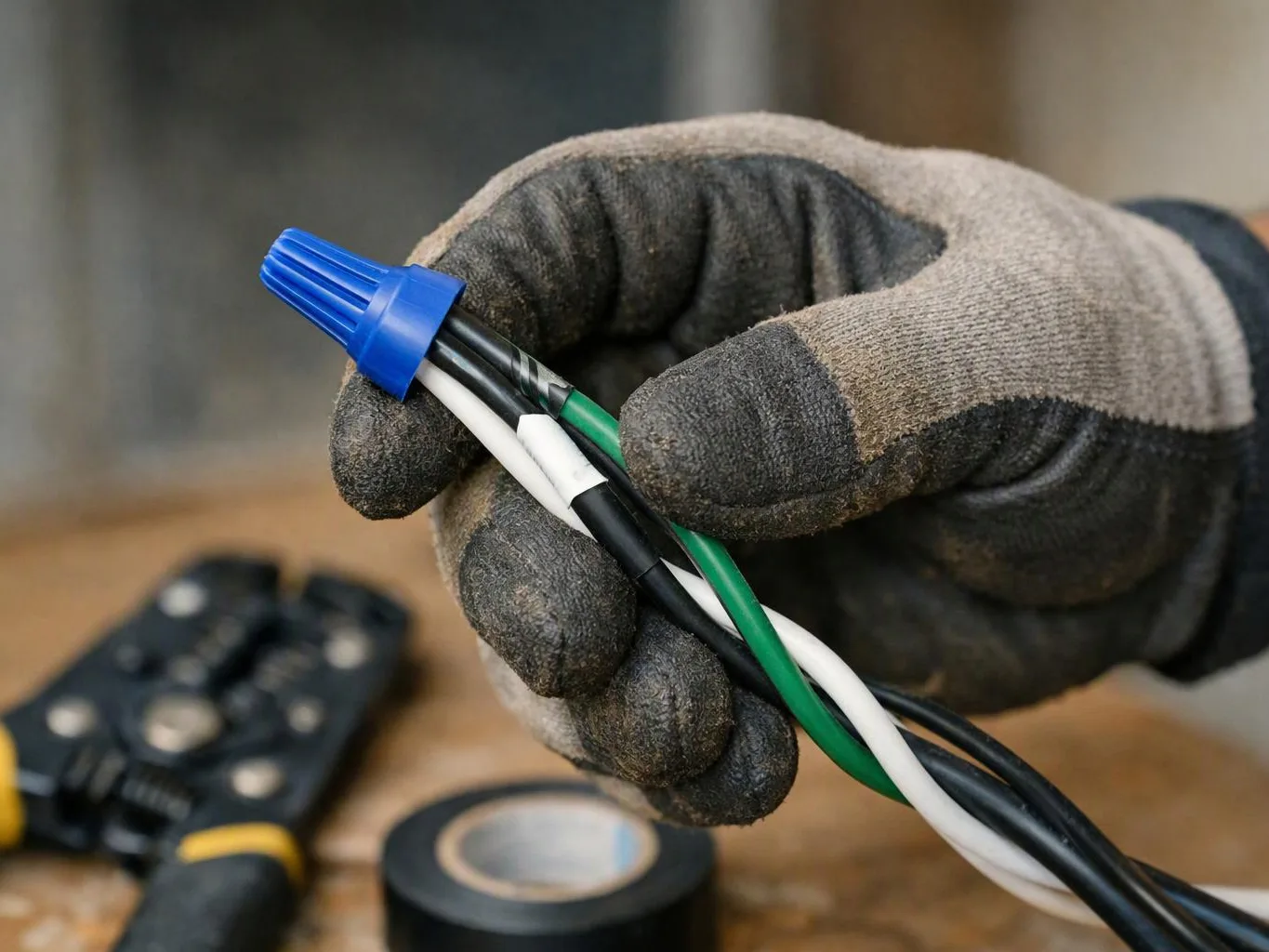
Residential rewiring is electrical work that replaces or upgrades wiring across a residential electrical system. We assess branch circuits, outlets, switches, lighting circuits, and the electrical panel as one connected system.
This option fits a residential property with widespread deterioration, limited circuit capacity, or several safety concerns. We can plan the work around the home's use and the access available behind walls and ceilings.
Partial Rewiring for Specific Rooms or Circuits
Partial rewiring replaces or repairs a damaged circuit, room wiring, or selected branch circuit while retaining suitable existing wiring. We isolate the affected circuit and test the remaining system before defining the work.
This option fits a property where inspection findings are limited to specific areas. We also consider future electrical demand so the new work does not leave an avoidable capacity problem.
Commercial Rewiring for Business Properties
Commercial rewiring is electrical work planned around a commercial electrical system, its electrical load, equipment circuits, occupancy, and operating needs. We map the distribution before changing circuits that support commercial equipment.
This option fits offices, retail spaces, facilities, and other business properties with new equipment, a change of use, or deteriorated wiring. We sequence the work around access and business continuity considerations.
Electrical Code Corrections After a Deficiency
Electrical code corrections address a code deficiency in grounding, overcurrent protection, connections, or another part of an electrical installation. We document the condition and complete the corrective work within the defined project scope.
This option fits properties with inspection findings, renovation requirements, or safety deficiencies. We explain whether the correction stands alone or connects to a wider wiring upgrade.
Electrical Safety Inspections Before Rewiring
An electrical safety inspection is a review that identifies wiring condition, electrical hazards, circuit performance, and capacity concerns. We inspect accessible equipment, perform circuit testing, and record findings that guide the rewiring scope.
This option fits owners who need facts before planning electrical work. We use the findings to separate urgent safety repairs from longer-term electrical system upgrades.
Can Electrician Pittsburgh Rewire Only Part of a Property?
Yes, Electrician Pittsburgh can plan partial rewiring when the inspection shows that specific rooms, circuits, or wiring sections require work and the remaining system is suitable.
We isolate the affected circuit, assess the wiring condition, and review future electrical demand. Partial work is suitable when the existing sections can continue safe operation after testing and any required corrections.
What Happens During an Electrical Rewiring Inspection?
An electrical rewiring inspection reviews the panel, wiring, connections, protective devices, grounding, outlets, switches, and the property's electrical demands. Our process connects each finding to a practical rewiring decision.

What Changes the Cost of Residential or Commercial Rewiring?
Rewiring cost changes with the property type, wiring condition, access requirements, affected circuits, panel work, code corrections, and electrical load.
Property size and wall or ceiling access affect the work required to reach wiring. The number of affected circuits, electrical panel capacity, commercial equipment loads, and required code corrections also shape the project scope.
We provide a quote after reviewing these conditions. The quote explains the planned electrical work, affected areas, access needs, testing, and related corrections; Free Estimates Available.
How Electrician Pittsburgh Plans the Rewiring Work
Electrician Pittsburgh plans rewiring by connecting the inspection findings to a clear project scope and circuit plan. We keep the work focused on safe operation, capacity, access, and the property's intended use.
Owners seeking residential service can review Residential Rewiring as part of planning the next step.
When Should You Request an Electrical Rewiring Assessment?
You should request an electrical rewiring assessment when a property has recurring electrical problems, outdated wiring concerns, renovation plans, or a change in electrical demand.
We also recommend an assessment before buying a property or changing commercial use. An inspection gives you a clearer view of electrical safety, circuit capacity, and the work that may be needed.
Questions About Electrical Rewiring
What should I do if an outlet feels warm?
Electrician Pittsburgh recommends stopping use of a warm outlet and arranging an inspection. We check the outlet, connections, branch circuit, load, and signs of overheating before explaining the safe repair or rewiring scope.
Is partial rewiring suitable when only one circuit has problems?
Yes, partial rewiring can suit one affected circuit when the remaining wiring is suitable and testing does not show wider concerns. We isolate the damaged circuit, review future demand, and define the work around the inspection findings.
What should a commercial property owner prepare before a rewiring assessment?
A commercial property owner should prepare information about equipment circuits, occupancy, planned changes, recurring faults, and access restrictions. We use those details with our load assessment to plan the commercial rewiring scope and protect business continuity.
Contact Electrician Pittsburgh to discuss your property's wiring condition and request a documented rewiring assessment and quote.
Get a Free Estimate