EV Charger Installation Process: Step by Step
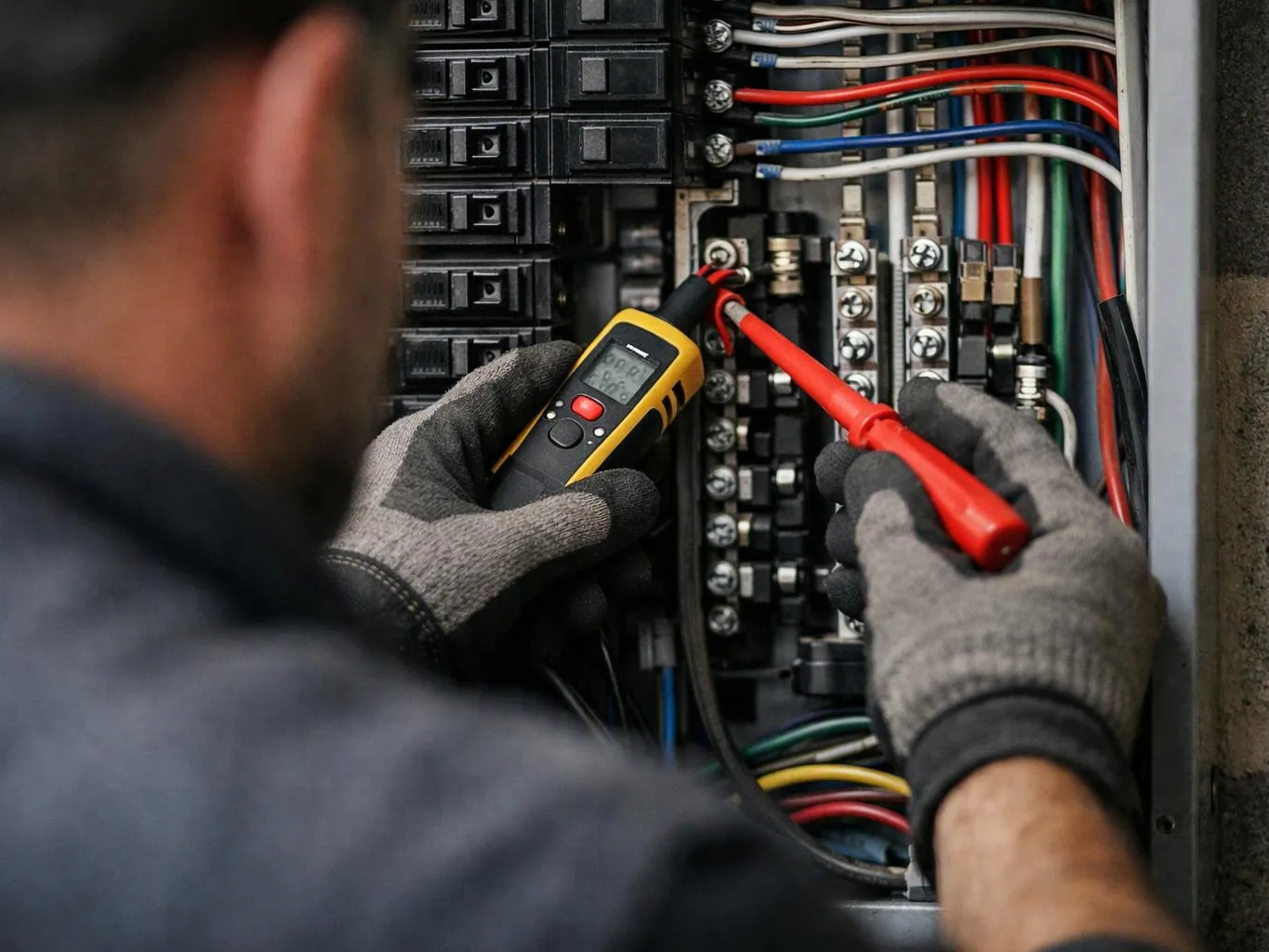
EV charger installation starts with an electrical assessment, continues through circuit planning and charger mounting, and ends with testing and user guidance. Electrician Pittsburgh checks the installation at each stage so the charging equipment operates safely and reliably.
Get a Free EstimateWhat Happens Before EV Charger Installation Begins?
EV charger installation begins with a review of the vehicle, charger location, electrical panel, and available capacity. Our team checks how the electric vehicle will be used and how the home electrical system can support the planned charging load.
We also review the charging location, cable path, and access to the electrical panel. This early assessment helps us plan a safe home charger setup that suits the property and the selected equipment.
How Should You Prepare for EV Charger Installation?
Homeowners can prepare for EV charger installation by gathering equipment details and making the work area accessible. Clear information helps our team confirm the charging plan before installation begins.
Our team uses this information to check charger compatibility and identify access concerns early. You should not open the panel or alter existing wiring before we arrive.
What Does the EV Charger Installation Process Include?
The EV charger installation process includes assessment, circuit planning, installation, mounting, testing, and handover. Electrician Pittsburgh provides Free Estimates Available so the planned electrical work can be reviewed before the job begins.
Each step supports the next part of the work. Our crew keeps the circuit route, panel connection, charger position, and testing plan aligned throughout the installation.
Assess the Electrical Service and Charging Location
The electrical service assessment confirms whether the electrical panel and service capacity can support the planned charger location. We review indoor and outdoor installation conditions, including wall space, weather exposure, clearance, and cable routing.
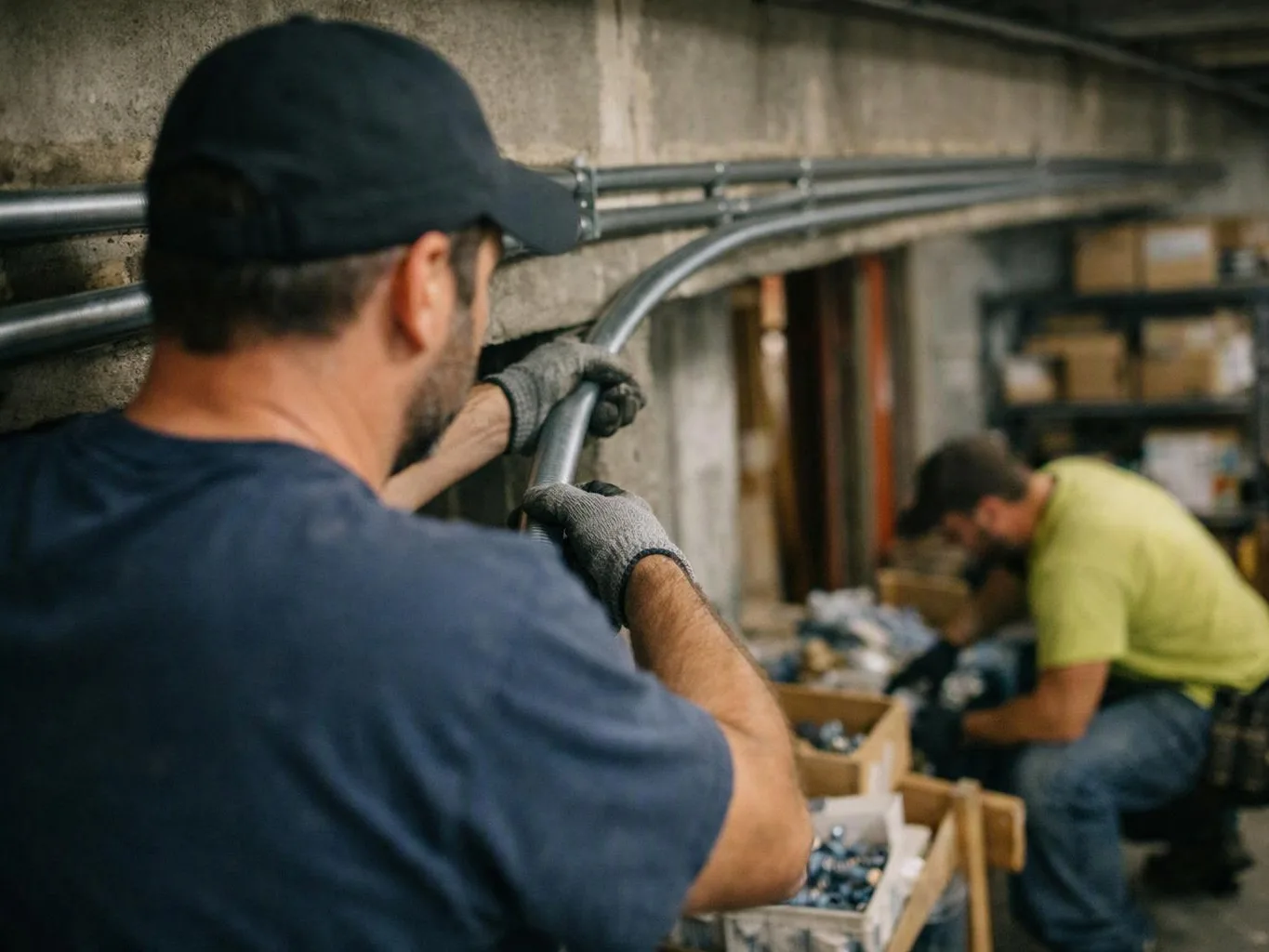
Our team checks the route between the panel and charging station before selecting installation methods. A longer or more complex route can require additional conduit, wiring, or mounting work.
Plan the Dedicated 220-Volt Circuit
A dedicated circuit gives the EV charger its planned electrical supply without sharing the branch circuit with unrelated loads. We use a load calculation to select the circuit breaker, wire sizing, conduit, and grounding method.
Our crew matches the circuit design to the charger specifications and the home electrical system. We also review the panel space and the route needed to bring the circuit safely to the charger.
Install the Circuit and Mount the Charger
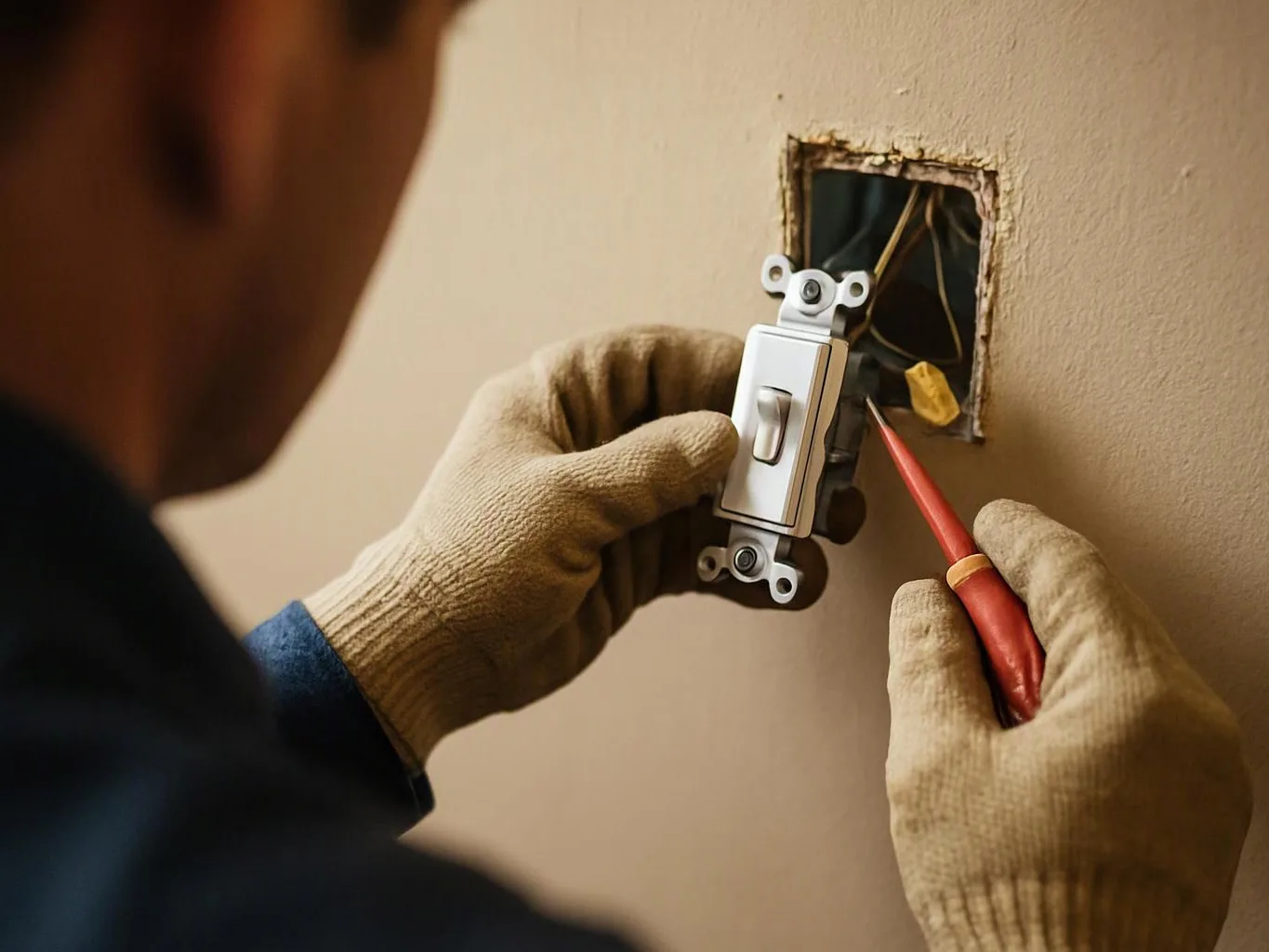
220-volt circuit installation connects the electrical panel to the charging location through the planned branch circuit. We install the circuit breaker, wiring, conduit, and grounding conductor according to the approved plan.
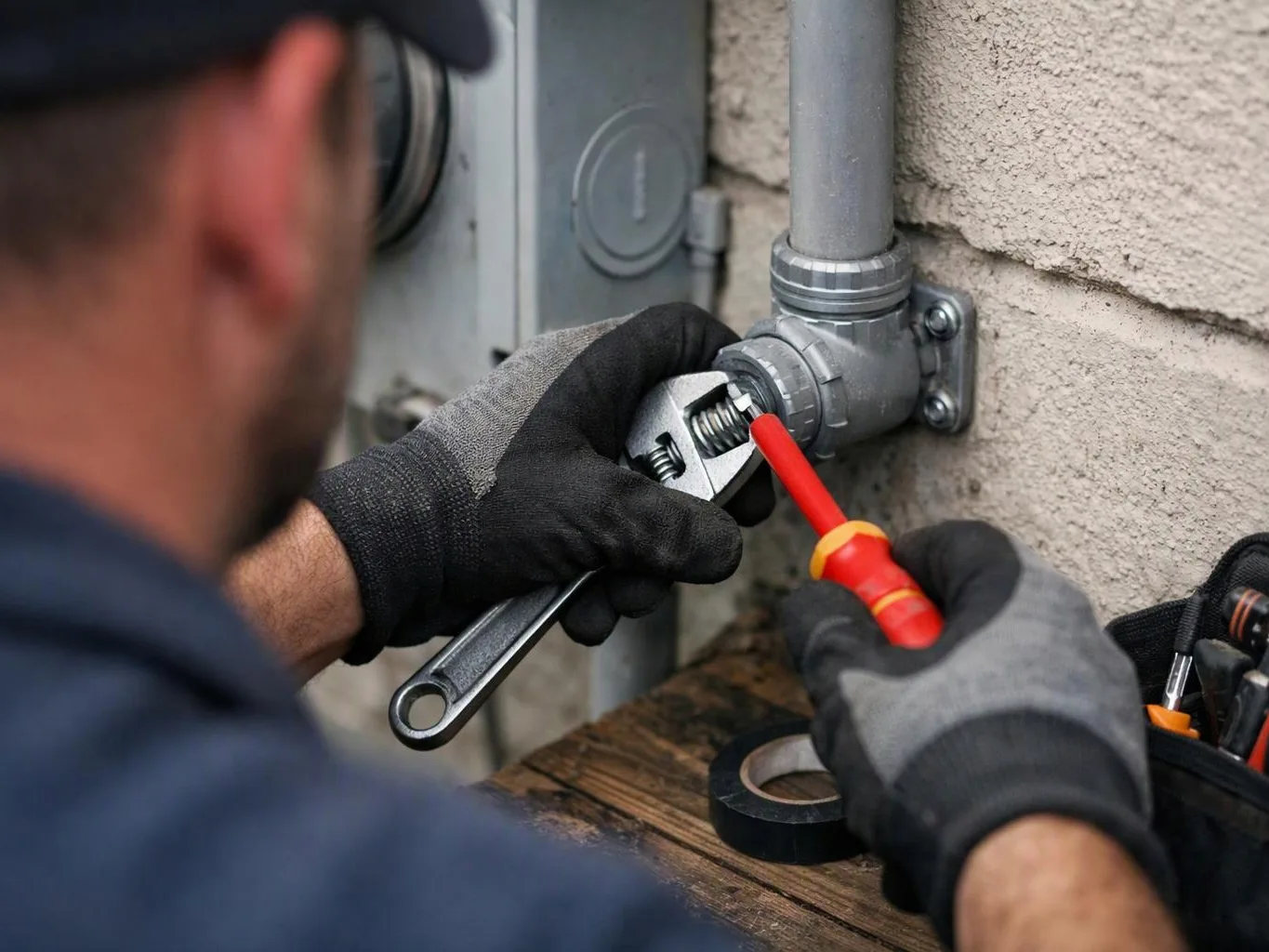
We then secure the charger mounting bracket and attach the unit to a wall or pedestal mount. For outdoor work, our team uses a suitable weatherproof enclosure and checks the mounting surface before making the electrical connections.
Connect, Test, and Explain the EV Charger
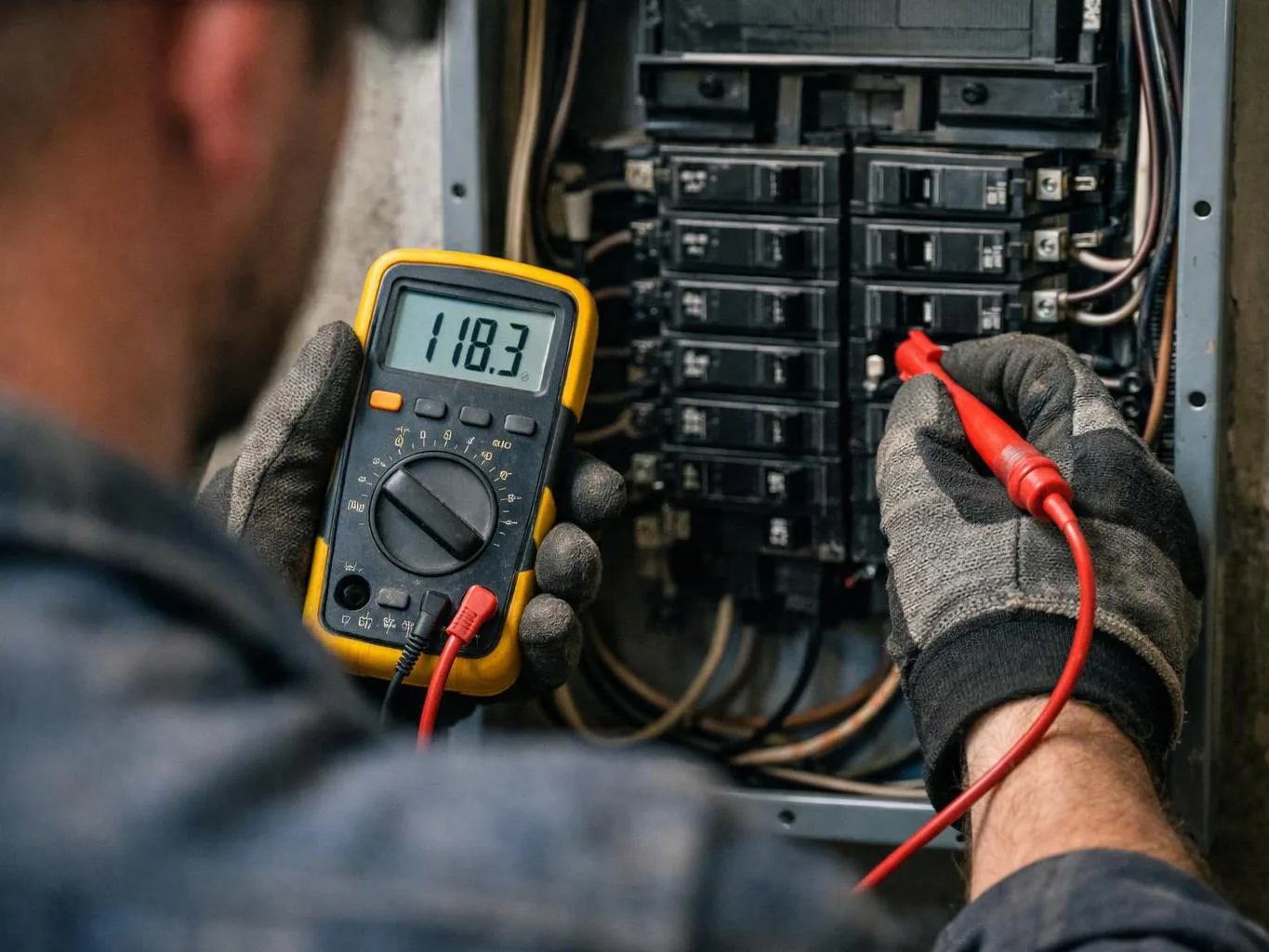
Electrical testing confirms that the charger connections, ground fault protection, and circuit operation work as intended. We connect the equipment, check charger controls, and perform a charging test with the vehicle connection.
Our team explains status lights, controls, cable handling, and user instructions during handover. We also answer questions about normal charger operation and what to do if the unit shows a fault.
What Does the Installation Plan Need to Confirm?
The installation plan confirms how the charger connects to the electrical panel, how the circuit reaches the charging location, and how the completed work will be tested.
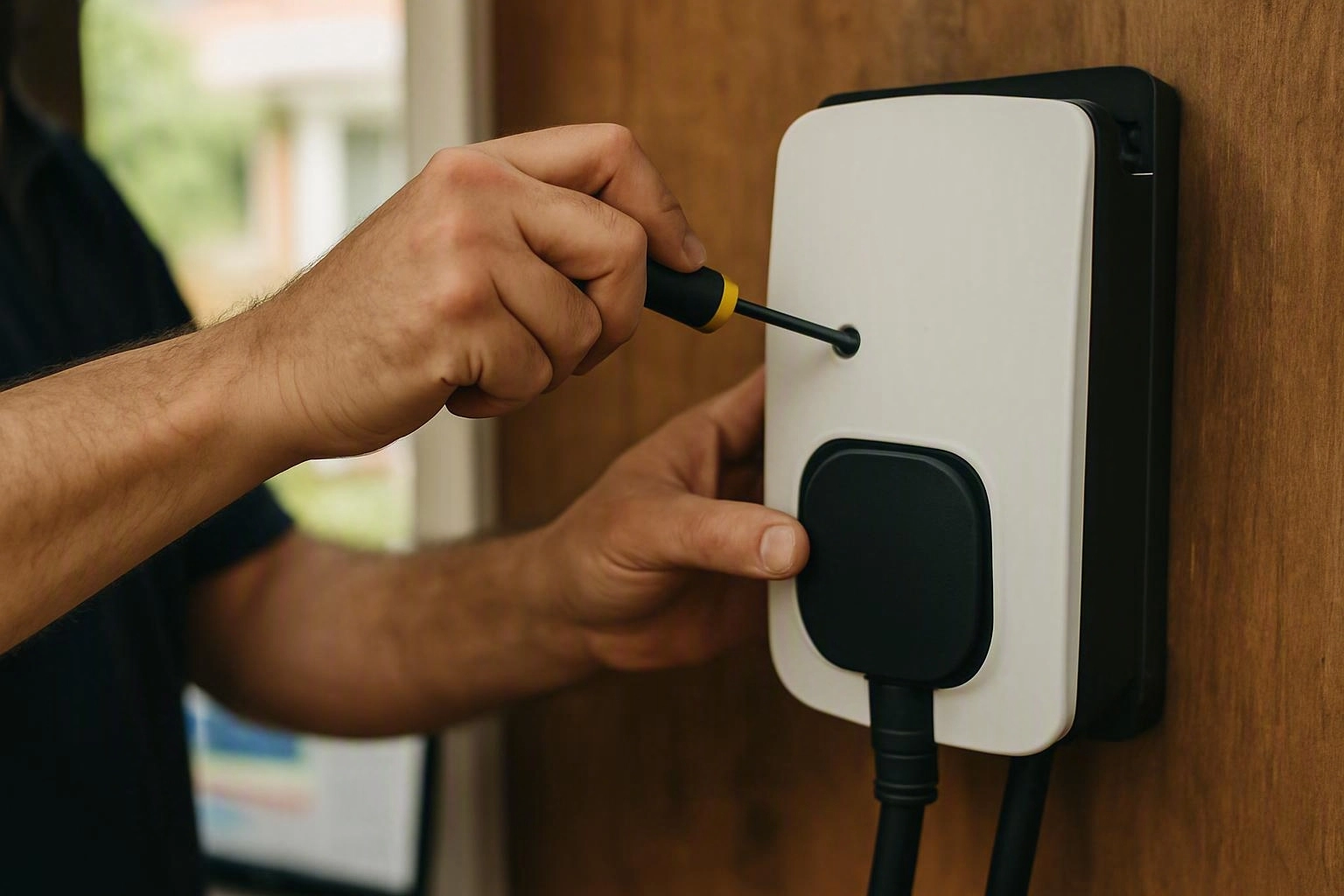
Our team records the main installation choices before work begins. The plan gives the homeowner a clear view of the equipment and electrical work included.
| Planning item | What we confirm |
|---|---|
| Charger location | Mounting surface, vehicle access, cable reach, and indoor or outdoor conditions. |
| Electrical panel | Available space, service capacity, and the connection point for the circuit breaker. |
| Circuit route | The path for wiring and conduit between the panel and charger. |
| Breaker and grounding | The circuit protection and grounding connections required by the charger plan. |
| Inspection requirements | Permit steps and any final inspection needed for the completed electrical work. |
We use these details to keep the installation organized and ready for testing. Changes to the charger location or circuit route can require the plan to be reviewed again.
How Does the Installation Quote Reflect the Work?
The installation quote reflects the charger requirements, panel capacity, circuit route, mounting conditions, and electrical work included; Electrician Pittsburgh provides Free Estimates Available.
Our team reviews the electrical panel condition, wire and conduit requirements, charger type, and installation complexity when preparing the quote. We explain the planned work so you can see how the site conditions shape the project.
To obtain an exact quote, share the charger information and proposed parking location with our team. We can then assess the home electrical system and outline the work included in the estimate.
EV Charger Installation planning can include a Level 2 charger, a wall-mounted charger, or an outdoor charging station when the property supports that setup.
What Should You Check After the EV Charger Is Installed?
After EV charger installation, you should confirm that the charging connection, charger status, and circuit operation match the handover instructions. Our team explains these checks before completing the visit.
Stop using the charger if you notice heat, damage, burning smells, or repeated circuit trips. Contact Electrician Pittsburgh so our team can assess the equipment and electrical connections.
When Should You Ask Electrician Pittsburgh to Assess an EV Charger Installation?
Ask Electrician Pittsburgh to assess the installation when you need to confirm charger compatibility, electrical capacity, circuit routing, or safe connection to the home electrical system.
We can review a planned home charging project before equipment is purchased or before electrical work begins. Our assessment also helps when the charging location is far from the panel, when outdoor mounting is planned, or when the existing service has limited capacity.
Contact our team to discuss the vehicle, charger, parking location, and electrical panel. We will explain the installation path and the work included in the quote.
Questions About EV Charger Installation
Can an EV charger be installed on any electrical panel?
Not every electrical panel can support every EV charger without changes. Electrician Pittsburgh checks panel capacity, available breaker space, grounding, and charger requirements before we plan the connection.
Does an EV charger always need a dedicated circuit?
Yes, an EV charger is generally planned on a dedicated circuit so its charging load has a separate electrical supply. We confirm the circuit design through the charger specifications and load calculation.
What should I do if the planned charger location is far from the electrical panel?
A distant charger location requires a review of the circuit route, conduit, wiring, mounting surface, and installation access. Contact our team so we can assess the route and include the required electrical work in the quote.
Can an EV charger be installed outdoors?
Yes, an EV charger can be installed outdoors when the equipment, mounting location, enclosure, wiring, and protection are suitable for outdoor conditions. We plan a weatherproof installation and test the completed connection.
What does an EV charger installation quote include?
An EV charger installation quote includes the charger requirements, panel condition, circuit route, breaker, wire and conduit needs, mounting conditions, testing, and included electrical work. We review the property details and provide Free Estimates Available.
Contact Electrician Pittsburgh to review your EV charger installation, confirm the electrical plan, and arrange an assessment for safe home charging.
Contact our team to discuss your charger and installation needs.
Related Resources
How Long EV Charger Installation Takes in Pittsburgh, PA
What It CostsHot Tub and Pool Electrical Wiring: Costs, Scope, and Installation Time
When You Need ItWhy Your Circuit Breaker Keeps Tripping — and When to Call an Electrician
When You Need ItFlickering or Dimming Lights: When Is It an Electrical Emergency?