Flickering or Dimming Lights: When Is It an Electrical Emergency?
Flickering or dimming lights can indicate a loose connection, overloaded circuit, failing electrical component, or unsafe wiring. Electrician Pittsburgh should inspect lights that flicker in multiple rooms, worsen when appliances run, produce heat or burning odors, or accompany sparks, buzzing, or breaker trips.
Get a Free EstimateWhat Flickering or Dimming Lights Can Signal
Flickering or dimming lights can signal a loose connection, circuit overload, failing fixture, or wiring problem, so the pattern and surrounding symptoms determine the urgency.
A single blinking light may involve a light bulb, light fixture, or light switch. We check those simple causes before tracing the branch circuit or service panel.
Lights losing brightness across the home point to a wider electrical symptom. Our team uses the location and timing of the flicker to separate a fixture issue from an electrical wiring fault.
Warning Signs That Need Electrical Attention
Warning signs show when a lighting problem may involve more than a bulb. Each sign helps us decide how quickly the affected circuit needs inspection.
Our crew traces the warning sign to its source instead of treating the symptom alone. Do not open a panel or handle damaged wiring to investigate the cause.
When Flickering Lights Are an Electrical Emergency
Flickering lights become an electrical emergency when they occur with smoke, burning odors, sparks, exposed damage, overheating, or signs of shock; stop using the affected circuit and contact Electrician Pittsburgh.
Smoke, a burning smell, visible sparks, or an overheated outlet can mean that insulation or a connection is breaking down. If someone receives an electric shock, move away from the area and seek emergency medical help when needed.
If it is safe to do so, switch off the circuit breaker that supplies the affected area. We inspect the circuit breaker, wiring, outlets, and fixtures to find the hazard before restoring use.
Why Lights Flicker When Appliances Start
Lights that flicker when an appliance starts can indicate a voltage drop, shared circuit overload, loose connection, or circuit that needs evaluation.
A large appliance can draw high starting current as its motor or heating element begins work. When lighting shares that circuit, the temporary demand may reduce voltage at the light.
We check whether the appliance and lighting use a shared circuit, then inspect connections and circuit loading. A dedicated circuit may be appropriate when the existing circuit cannot safely serve the equipment.
Can Old Wiring Cause Flickering Lights?
Old wiring can cause flickering lights when insulation, connections, or circuit capacity has deteriorated; an electrical safety inspection can identify whether rewiring is appropriate.
Deteriorated insulation can expose conductors to damage, while loose connections can create heat and unstable power. Aluminum wiring and knob-and-tube wiring also require careful evaluation because their connection methods and condition affect safety.
Our team performs a wiring inspection and reviews the service panel, branch circuits, and visible connections. When the system needs broader correction, we explain whether residential rewiring or a targeted repair fits the condition.
DIY Checks vs Calling Electrician Pittsburgh
Safe homeowner checks can address a loose bulb or a simple breaker reset, but recurring symptoms require professional electrical troubleshooting. The table shows where our work begins.
| Factor | What you can do yourself | What we do |
|---|---|---|
| Light bulb | Turn off the switch and make sure the bulb is seated correctly. Replace it only with a compatible bulb. | We test the fixture and connection when a new bulb does not stop the flicker. |
| Light switch | Stop using a switch that feels warm, buzzes, smells hot, or shows damage. | We inspect the switch, box, wire connection, and related circuit. |
| Circuit breaker | You can identify a tripped breaker and reset it once if there is no heat, smoke, odor, or visible damage. | We investigate a breaker that trips again or will not reset. |
| Electrical troubleshooting | You can note which rooms and appliances affect the lights without removing covers. | We perform testing and inspection beyond safe homeowner checks. |
| Electrical safety | Keep away from sparks, exposed conductors, smoke, and overheated outlets. | We make the affected circuit safe and explain the repair scope. |
How Electrician Pittsburgh Diagnoses Flickering and Dimming Lights
Electrician Pittsburgh diagnoses flickering and dimming lights by tracing the symptom, checking the affected circuit and connections, and identifying whether the repair involves a fixture, circuit, panel, or wiring.
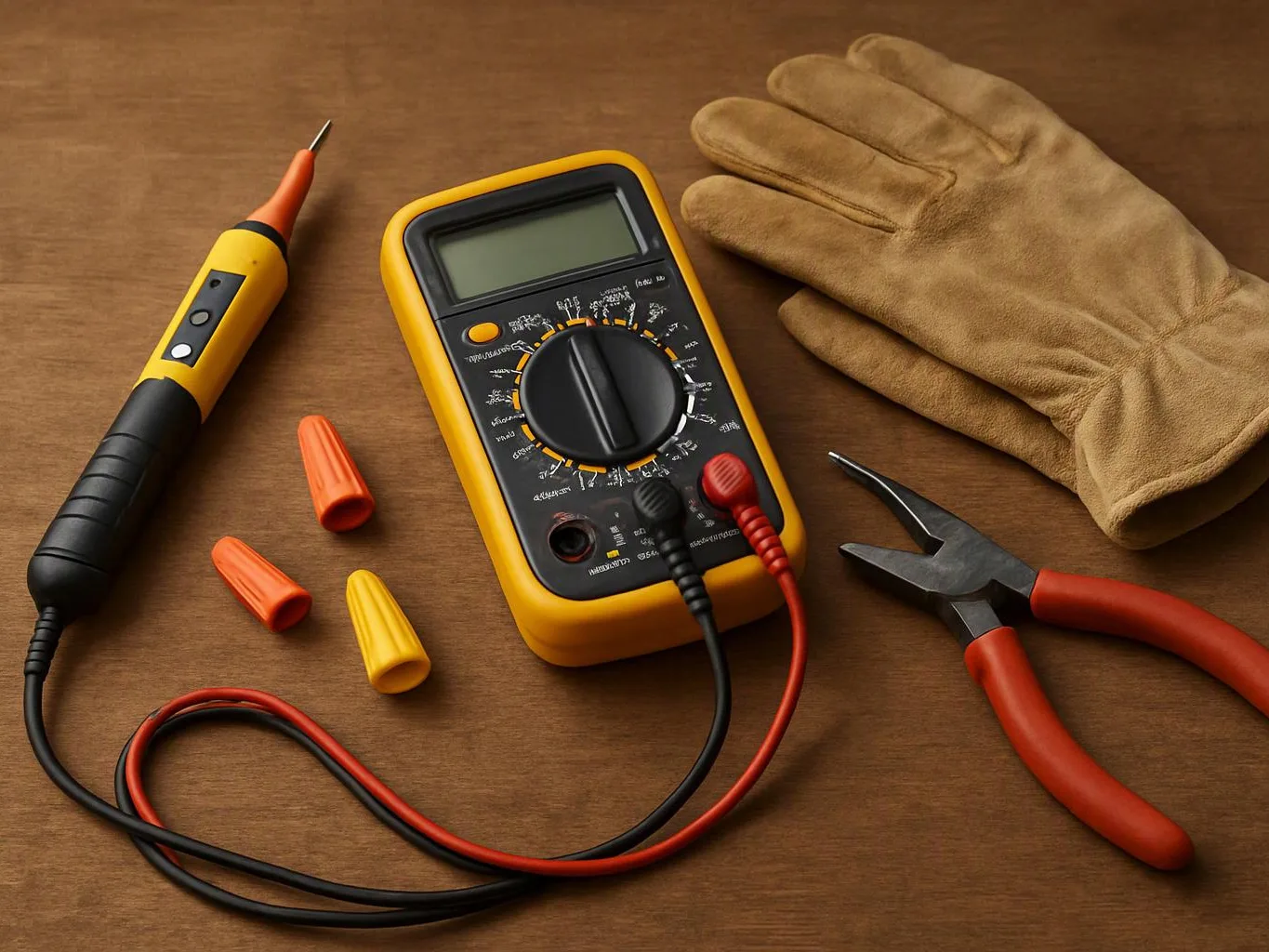
We begin by asking when the lights flicker, which rooms are affected, and whether an appliance starts at the same time. Our team then uses voltage testing and circuit inspection to compare readings and locate an unstable connection.
We inspect the light fixture, service panel, and wiring connection as the evidence requires. Our electrical troubleshooting focuses on the cause so the repair addresses the hazard, not only the visible flicker.
What the Electrical Repair Quote Should Cover
An electrical repair quote should identify the diagnosed fault, affected components, repair or replacement scope, and any related safety work; Electrician Pittsburgh offers Free Estimates Available.
Our quote explains whether the work involves a light fixture, circuit breaker, wiring connection, service panel, or broader residential rewiring. It can also identify related work such as a 220-volt circuit installation when the electrical load requires it.
The cost depends on the fault location, access, damaged components, circuit condition, and repair scope. We review those factors with you and provide the exact quote before the agreed work begins.
What to Do Until the Lights Are Inspected
Until the lights are inspected, reduce use of the affected circuit and keep people away from signs of heat, smoke, sparks, or exposed wiring. These steps support fire safety while we determine the cause.
Questions About Flickering and Dimming Lights
Can a loose light bulb cause flickering?
Yes, a loose light bulb can cause flickering, and Electrician Pittsburgh checks the bulb and fixture before tracing the circuit. Turn off the switch before making a safe bulb adjustment, and request an inspection if the flicker continues.
Why do lights flicker in only one room?
Lights flicker in only one room when the cause may be local to the bulb, fixture, switch, or branch circuit. We inspect that room and its circuit to find the loose connection or failing component.
Should I turn off the breaker when lights are flickering?
Yes, turn off the breaker when flickering comes with smoke, burning smell, sparks, heat, exposed wiring, or a tripped breaker. Leave the circuit off and contact us when the cause is not clear.
Can a bad light switch cause lights to dim?
Yes, a failing light switch can cause lights to dim, flicker, buzz, or respond inconsistently. Stop using a warm or damaged switch while we inspect the switch box and wiring connection.
Flickering or dimming lights deserve attention when the pattern returns, spreads, or comes with heat, odor, noise, sparks, or breaker trips. Contact Electrician Pittsburgh so our team can inspect the affected circuit and explain the safest repair.
Get a Free Estimate