Why Your Circuit Breaker Keeps Tripping — and When to Call an Electrician
Circuit breakers keep tripping when an overloaded circuit, faulty appliance, short circuit, ground fault, or wiring problem activates protection; Electrician Pittsburgh identifies the cause and completes the needed repair, AFCI installation, code correction, or 220-volt circuit work.
Get a Free EstimateWhy Does a Circuit Breaker Keep Tripping?
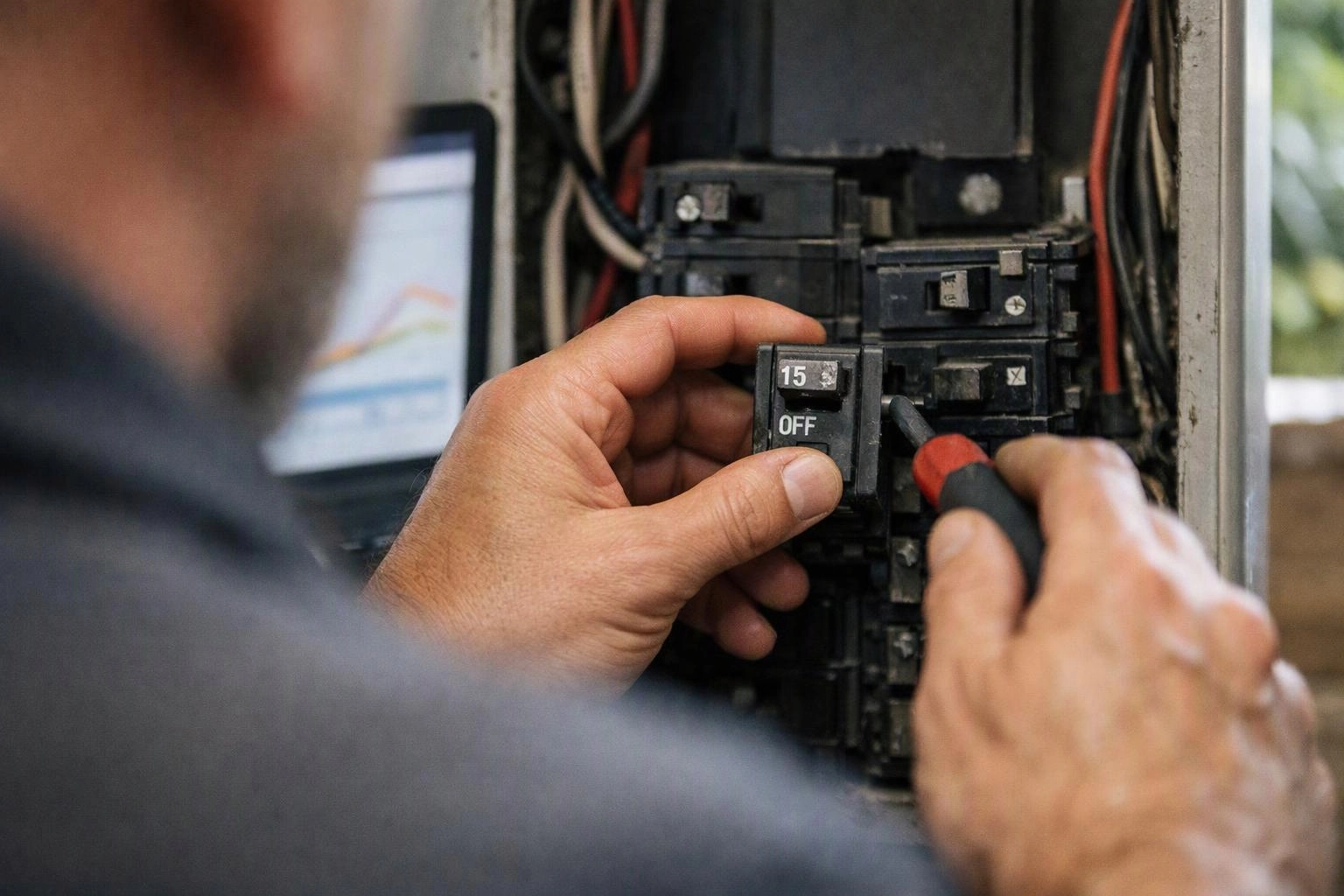
A circuit breaker keeps tripping when current conditions become unsafe because of an overload, short circuit, ground fault, faulty appliance, or wiring defect.
An electrical overload happens when a branch circuit carries more demand than it can safely handle. We assess the connected loads and check whether an appliance or outlet is placing too much demand on the circuit.
A short circuit or shorted wire creates an unsafe path for current. A ground fault sends current where it should not go, while an arc fault can produce dangerous sparking. Our team tests the circuit to separate these conditions from a faulty appliance or another electrical wiring problem.
Warning Signs That Point to an Electrical Problem
Warning signs show whether a breaker keeps shutting off because of a simple load issue or a more serious electrical system fault. Stop using affected equipment and use safe observation when heat, moisture, or damage is present.
What Does It Mean When the Breaker Trips Immediately?
An immediate breaker trip usually signals a short circuit, ground fault, defective appliance, or protection-device issue that needs diagnosis before repeated resets.
An AFCI breaker can trip when it detects an arc fault in a circuit or connected device. GFCI protection can trip when current leaks toward ground, including near damp locations. We inspect the electrical panel, outlets, connected equipment, and branch circuit to locate the fault.
Disconnecting one appliance may help identify the source, but an immediate trip can remain even after equipment is unplugged. Our Electrical Troubleshooting process checks the circuit safely before we recommend a repair.
Is It Safe to Keep Resetting a Tripped Breaker?
Repeatedly resetting a tripped breaker is not safe when the breaker trips again, because the underlying electrical fault remains active.
A breaker reset can restore power only when the original condition has been removed. Repeated resets can allow overheating, worsen an electrical hazard, or increase fire risk.
Leave the breaker off when you notice heat, smoke, burning odor, visible damage, water exposure, or an immediate trip. We can de-energize affected equipment and diagnose the circuit before completing repairs.
What You Can Check Before Calling Us
Safe checks can provide useful information without opening the electrical panel or handling wiring. Do not touch damaged equipment, wet surfaces, exposed conductors, or a warm breaker.
When Should You Call Electrician Pittsburgh?
Call Electrician Pittsburgh when the breaker trips repeatedly, trips immediately, shows heat or damage, or will not reset after unsafe conditions are removed.
We provide Electrical Troubleshooting for unexplained trips, unstable outlets, overloaded circuits, and suspected wiring faults. We also inspect the electrical panel and branch circuit when arc-fault protection or another protective device is involved.
Our work can include AFCI Protection Installation, Electrical Code Corrections, and 220-Volt Circuit Installation when the existing circuit does not safely support the intended load. We identify the needed work from test results instead of treating every tripping breaker as a simple replacement.
DIY Checks Versus Calling Us
Homeowner checks are limited to unplugging accessible equipment and observing visible conditions from a safe position. Circuit diagnosis, circuit repair, AFCI protection, and code correction require our testing and electrical work.
| Factor | What you can do yourself | What we do |
|---|---|---|
| Safe electrical checks | Unplug accessible equipment and observe visible conditions without opening the panel. | We make the circuit safe and inspect the affected equipment and connections. |
| Breaker diagnosis | Note whether the breaker trips under a particular load or trips immediately. | We test the breaker, branch circuit, neutral conductor, and grounding path. |
| Appliance testing | Stop using an appliance that causes trips, heat, odor, or visible damage. | We isolate the appliance from the circuit and check whether the fault follows the equipment. |
| Circuit repair | Do not handle exposed wiring or remove panel covers. | We repair damaged wiring, connections, outlets, or breakers based on the diagnosis. |
| AFCI protection and code correction | Note the type of protection shown on the breaker or outlet. | We complete AFCI protection work and correct electrical code concerns connected to the repair. |
How We Diagnose and Correct a Tripping Circuit
Electrical Troubleshooting starts with circuit testing to identify whether the problem comes from an overload, short circuit, ground fault, arc fault, appliance, breaker, or wiring.
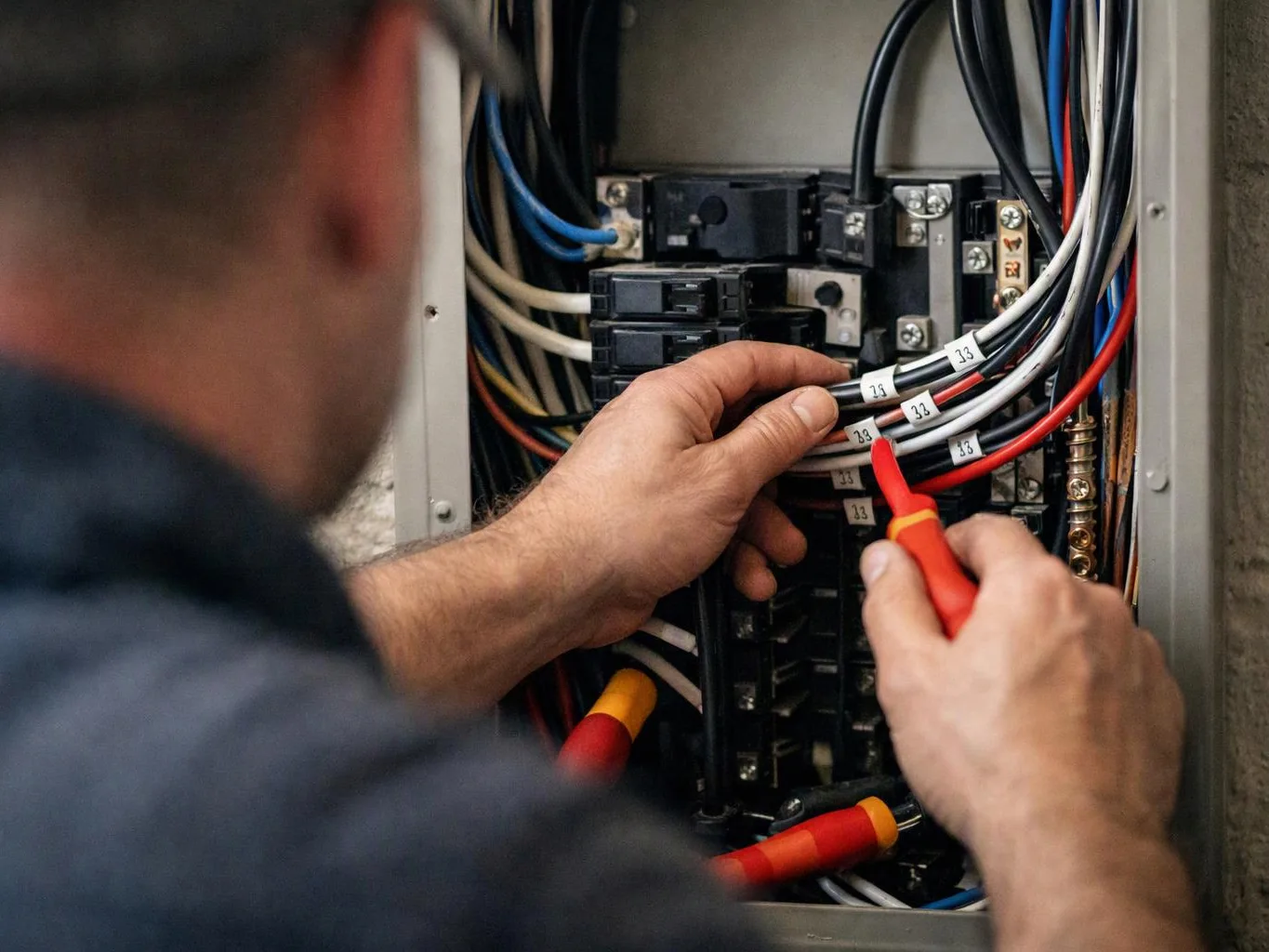
We assess the load on the branch circuit and inspect the breaker, bus bar, neutral conductor, grounding conductor, outlets, and circuit wiring. These checks help us locate the fault without relying on repeated resets.
Our crew explains the correction that matches the condition. The work may include breaker replacement, wiring repair, AFCI Protection Installation, Electrical Code Corrections, or 220-Volt Circuit Installation for a properly planned high-demand circuit.
What Determines the Cost of Fixing a Tripping Breaker?
The cost of fixing a tripping breaker depends on the fault location, required testing, circuit condition, access, and whether the work involves repair, protection installation, code correction, or a new circuit; Electrician Pittsburgh provides Free Estimates Available.
Fault location affects the work when the issue is at the breaker, an outlet, a connected appliance, or concealed electrical wiring. The condition of the electrical panel and the available capacity also matter when we evaluate breaker replacement or a 220-volt circuit installation.
We explain what the quote includes, such as diagnostic work, identified repairs, required protection, and code-related corrections. Contact us for an exact quote after our team reviews the tripping circuit and the needed solution.
Questions About a Circuit Breaker That Keeps Tripping
Can a bad appliance cause a circuit breaker to trip?
Yes, a bad appliance can cause a circuit breaker to trip when the appliance has an internal short, ground fault, damaged cord, or excessive electrical draw. Electrician Pittsburgh isolates the appliance from the circuit and tests the surrounding branch circuit to identify the cause.
Why does a circuit breaker trip when multiple appliances run?
A circuit breaker can trip when multiple appliances run because their combined demand creates an electrical overload on the same branch circuit. We assess the load, inspect the circuit, and determine whether the solution is load management, repair, code correction, or a new circuit.
When a breaker keeps tripping, our team can identify the fault and explain the corrective work clearly. Contact Electrician Pittsburgh to arrange an evaluation and request an exact quote.
Get a Free Estimate