How Standby Generator Installation Works in Pittsburgh, PA
Standby generator installation connects a permanently placed generator to selected electrical loads through a transfer switch, and Electrician Pittsburgh handles planning, wiring, setup, testing, and safety checks.
Get a Free Estimate
What Does Standby Generator Installation Include?
Standby generator installation includes site planning, generator placement, transfer switch connection, wiring, startup testing, and safety verification.
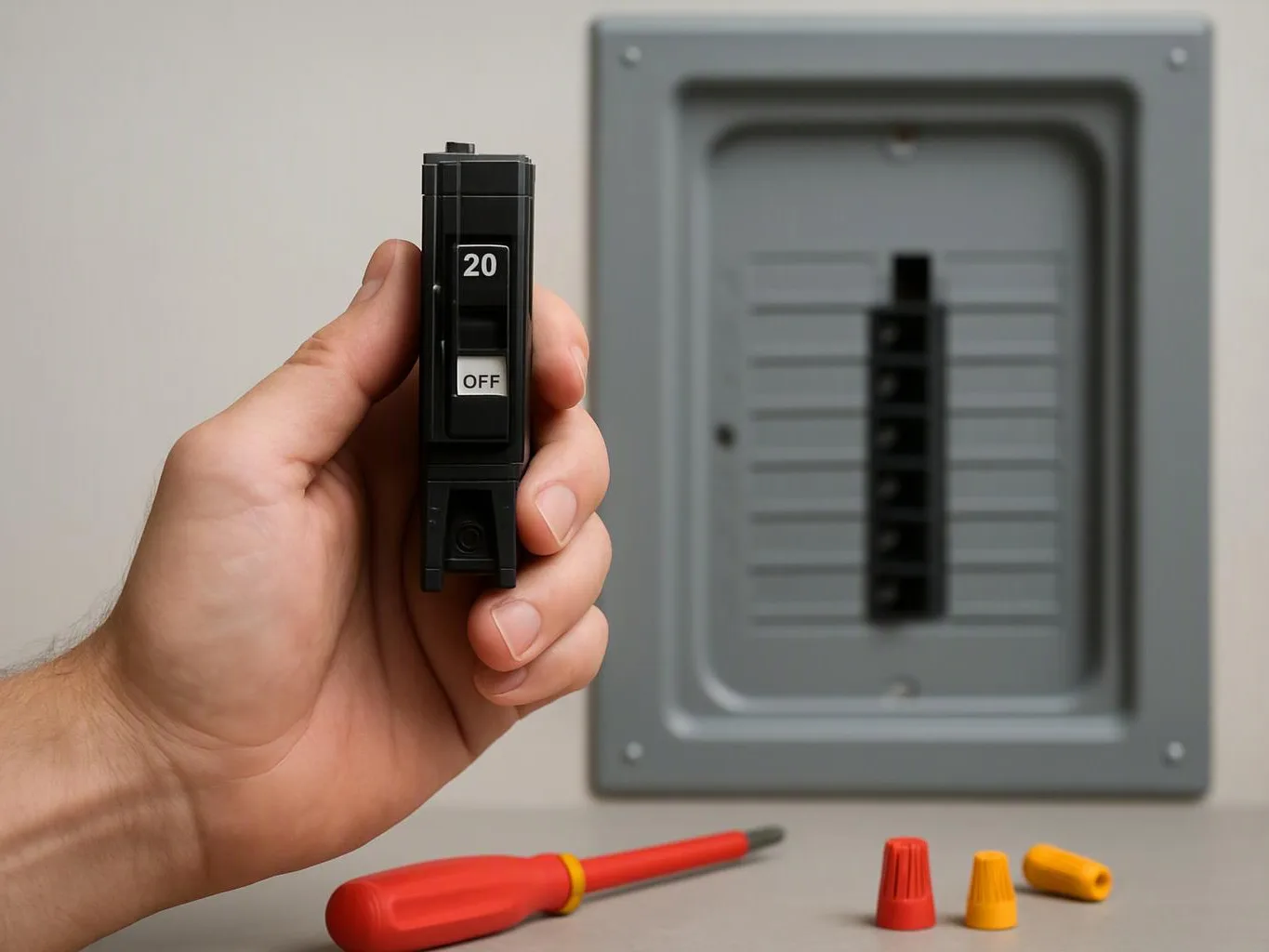
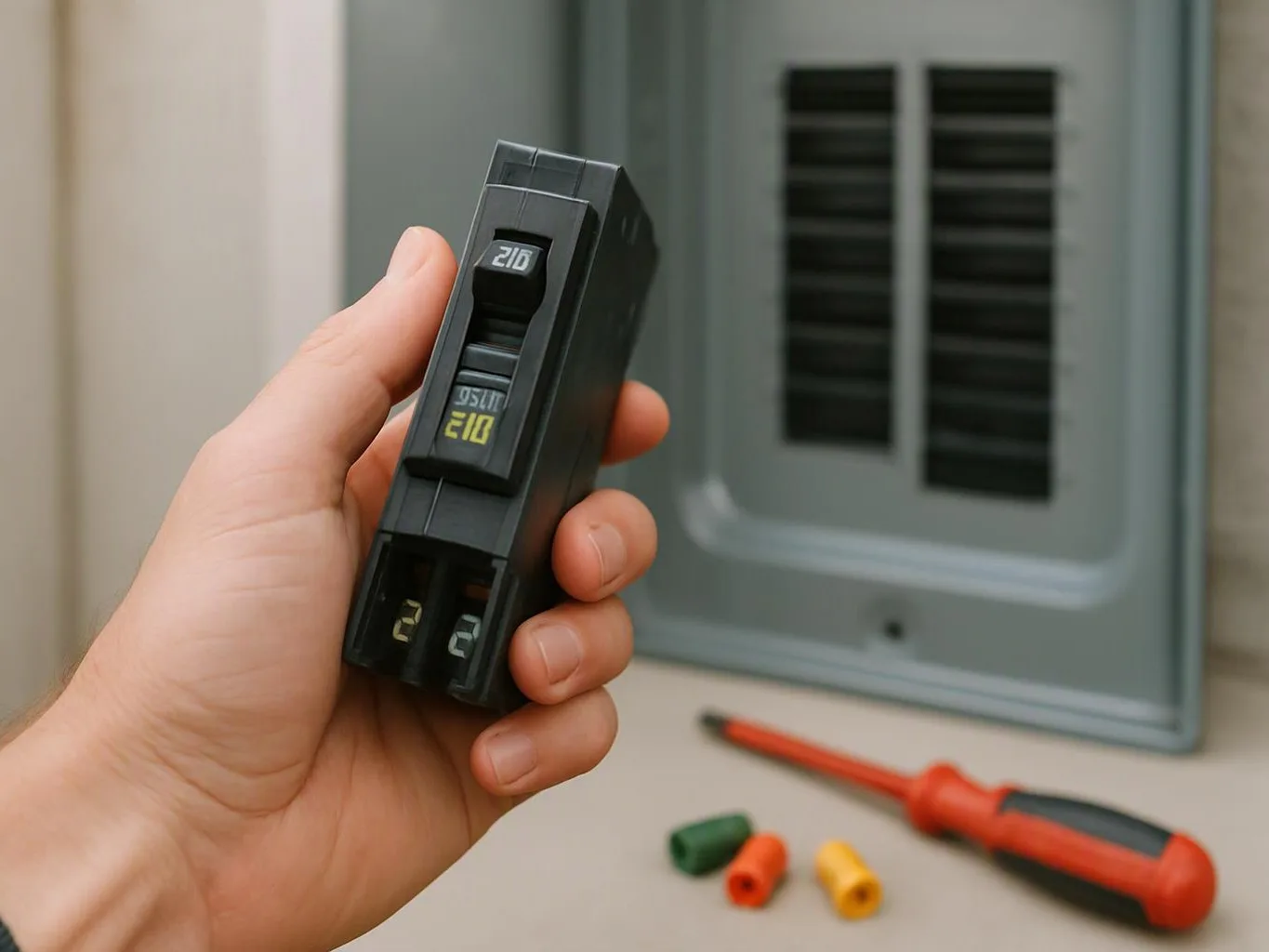
We connect the standby generator to selected electrical loads through the electrical panel. The system is planned to provide backup power for the circuits that matter most during a utility interruption.
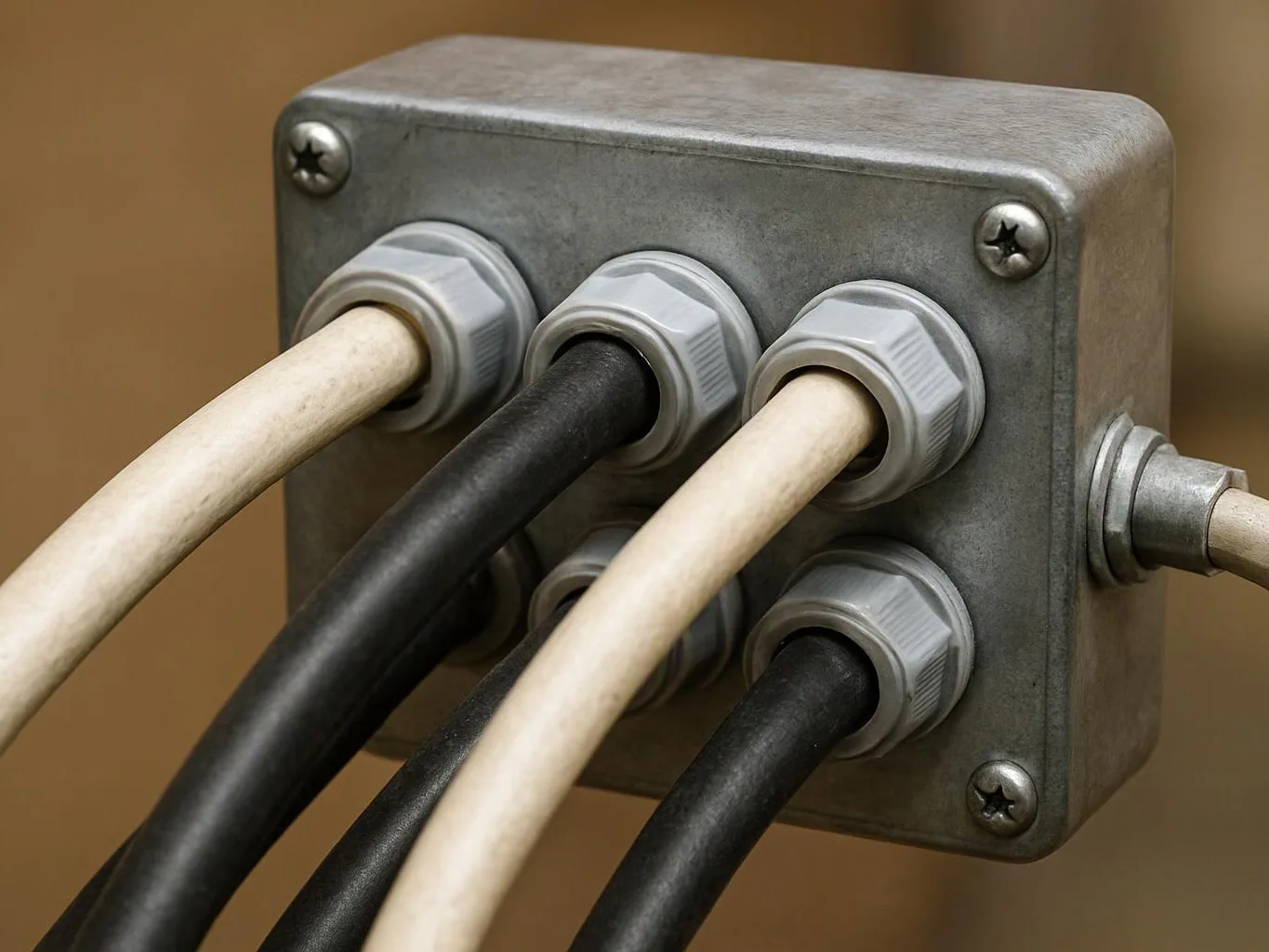
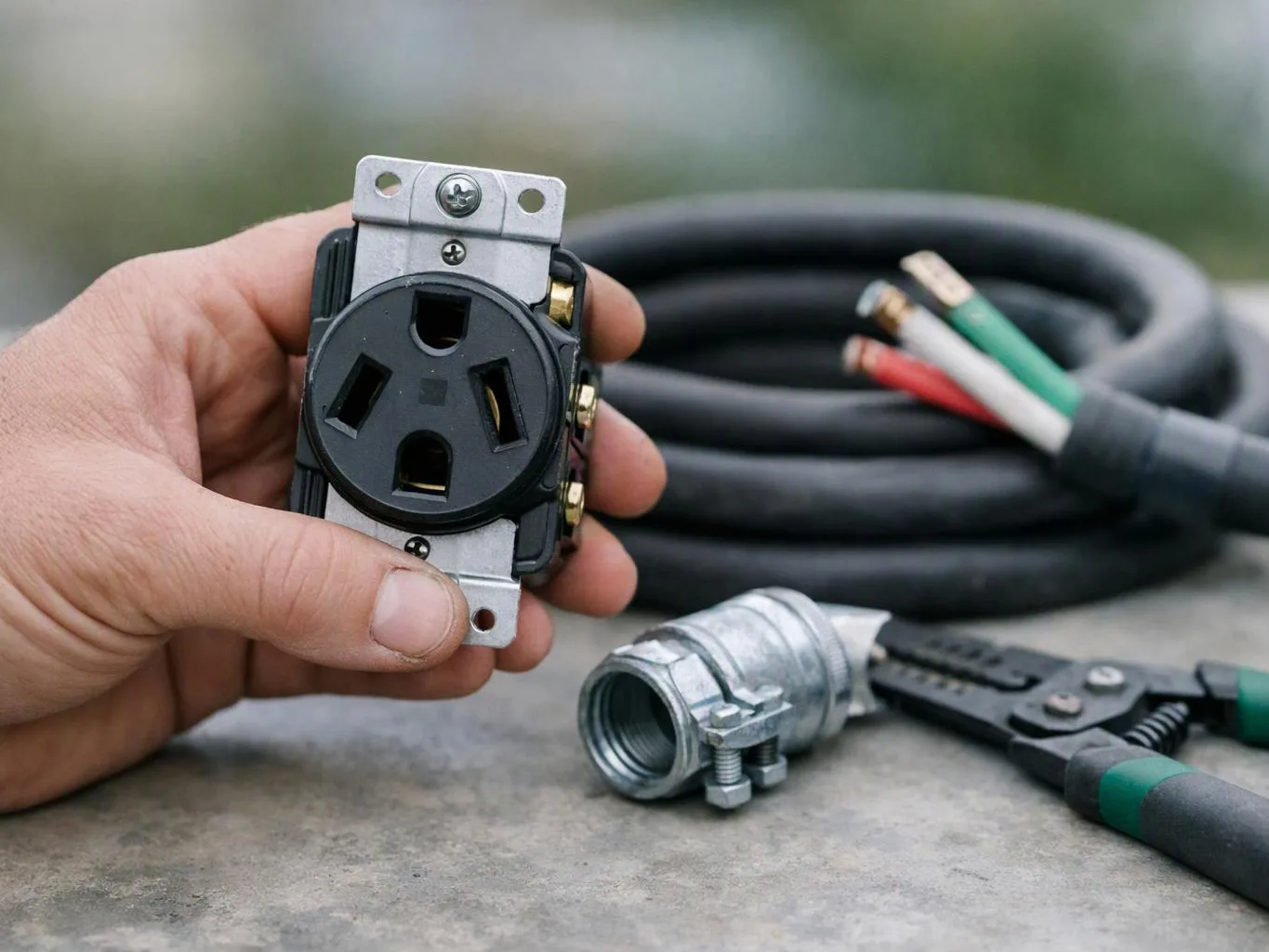
Our work can include generator enclosure placement, conduit routing, fuel connection review, and coordination of the automatic backup power system. You can review our Standby Generator Installation service when you are ready to discuss the project.
How We Install a Standby Generator
Electrician Pittsburgh installs a standby generator by assessing the property, planning the loads, placing the equipment, connecting the transfer switch, completing the wiring, and testing the system.
What We Review Before Installation Begins
The installation review identifies the equipment location, electrical connection points, fuel arrangement, access needs, and site conditions before work begins. Our team uses this review to plan safe routing and avoid surprises during installation.
| Review area | What we check |
|---|---|
| Installation site | Available space, surface conditions, outdoor exposure, and safe equipment placement. |
| Electrical service | Service capacity, connection points, and the condition of the existing electrical system. |
| Electrical panel | Panel space, circuit identification, and compatibility with the planned transfer switch. |
| Generator clearance | Clearance around the generator enclosure and protection from outdoor exposure. |
| Fuel supply | Fuel connection location, routing needs, and access for the planned system. |
| Transfer switch location | A practical location near the electrical panel and the planned generator wiring route. |
| Access conditions | Pathways, slopes, uneven land, and access for outdoor electrical work. |
Seasonal freezing, snow, and ice in Allegheny County can affect outdoor generator components and electrical connections. We address equipment exposure and connection protection during the installation review.
Sloped or uneven land in parts of Allegheny County can complicate access, routing, or excavation. Our team accounts for those conditions when outdoor electrical work requires careful equipment access or buried routing.
What Should You Prepare Before Our Crew Arrives?
You can prepare for standby generator installation by clearing access, identifying priority circuits, gathering fuel information, and keeping the electrical panel accessible. These steps help our crew review the property and complete the electrical work efficiently.
How the Transfer Switch Controls Backup Power
An automatic transfer switch is an electrical device that shifts selected circuits between utility power and generator power while helping prevent incompatible power sources from connecting at the same time.
When utility power is available, the selected circuits receive power through the electrical panel. When the system detects an interruption, the standby generator starts and the transfer switch moves the planned backup circuits to generator power.
We connect and test the transfer switch so the electrical connection matches the selected loads. This setup supports automatic backup power without sending generator power into circuits that were not included in the plan.
Which Electrical Loads Should the Generator Support?
The generator should support the circuits that match the home's backup priorities and the system's planned electrical capacity.
Many homeowners prioritize essential circuits connected to heating equipment, refrigeration, a sump pump, and important lighting. We use electrical load planning to determine how those demands fit the selected generator.
Whole-home backup may be possible when the generator capacity and electrical service support the home's full load. Our team reviews the electrical panel and planned circuits before recommending the backup circuit configuration.
How We Test the Completed Generator Installation
Electrician Pittsburgh tests generator startup, transfer switch operation, connected circuits, and installation safety before the system is placed into service.
We check the electrical connections from the generator through the transfer switch and electrical panel. We also confirm that the selected backup circuits receive generator power as planned.
Our final system testing includes a safety review of wiring, conduit, fuel connection areas, equipment placement, and outdoor connection protection. We explain the system operation before completing the work.
What Changes the Cost of This Installation?
The cost of standby generator installation depends on the generator capacity, electrical equipment, wiring route, fuel connection, site preparation, and condition of the existing electrical system.
A service panel that needs repair or changes can add electrical work to the project. Longer wiring routes, difficult access, uneven land, and added site preparation can also change the installation requirements.
Free Estimates Available from Electrician Pittsburgh include a review of the planned generator, transfer switch, electrical wiring, fuel connection, and site conditions. Request an installation quote so we can evaluate the project and explain what the work includes.
How to Start Planning Your Pittsburgh Generator Installation
To start planning standby generator installation in Pittsburgh, PA, request an assessment so the generator location, supported circuits, electrical connections, and project requirements can be reviewed.
We begin with a site assessment and electrical load planning. Our team then reviews the electrical panel, transfer switch location, fuel connection, access conditions, and outdoor equipment exposure.
Contact Electrician Pittsburgh to discuss your installation quote and planned backup power needs. Request an assessment for your property.
Questions About Standby Generator Installation
Can a standby generator power the entire house?
Yes, a standby generator can power the entire house when its capacity, electrical service, transfer switch, and planned load support whole-home backup. Electrician Pittsburgh reviews the electrical loads before we determine whether whole-home backup fits the property.
Where can a standby generator be installed?
A standby generator can be installed in a suitable outdoor location with the required space, access, equipment protection, and connection routes. We review generator clearance, surface conditions, fuel access, and the path to the electrical panel before selecting the placement.
What happens if the existing electrical panel needs work?
The installation plan includes the electrical panel work needed to connect the transfer switch and selected backup circuits safely. Our team explains the panel condition and includes the related electrical work in the installation quote.
Does a standby generator need a transfer switch?
Yes, a standby generator installation needs a transfer switch to manage the connection between utility power and generator power. We install and test the switch so the planned backup circuits receive power through the correct source.
What should I ask for in a standby generator installation quote?
A standby generator installation quote should identify the generator capacity, transfer switch, electrical wiring, fuel connection, site preparation, supported circuits, testing, and safety checks. Ask us to explain how existing electrical conditions and access affect the planned work.
Talk with Electrician Pittsburgh about your standby generator installation, site assessment, and electrical load planning.