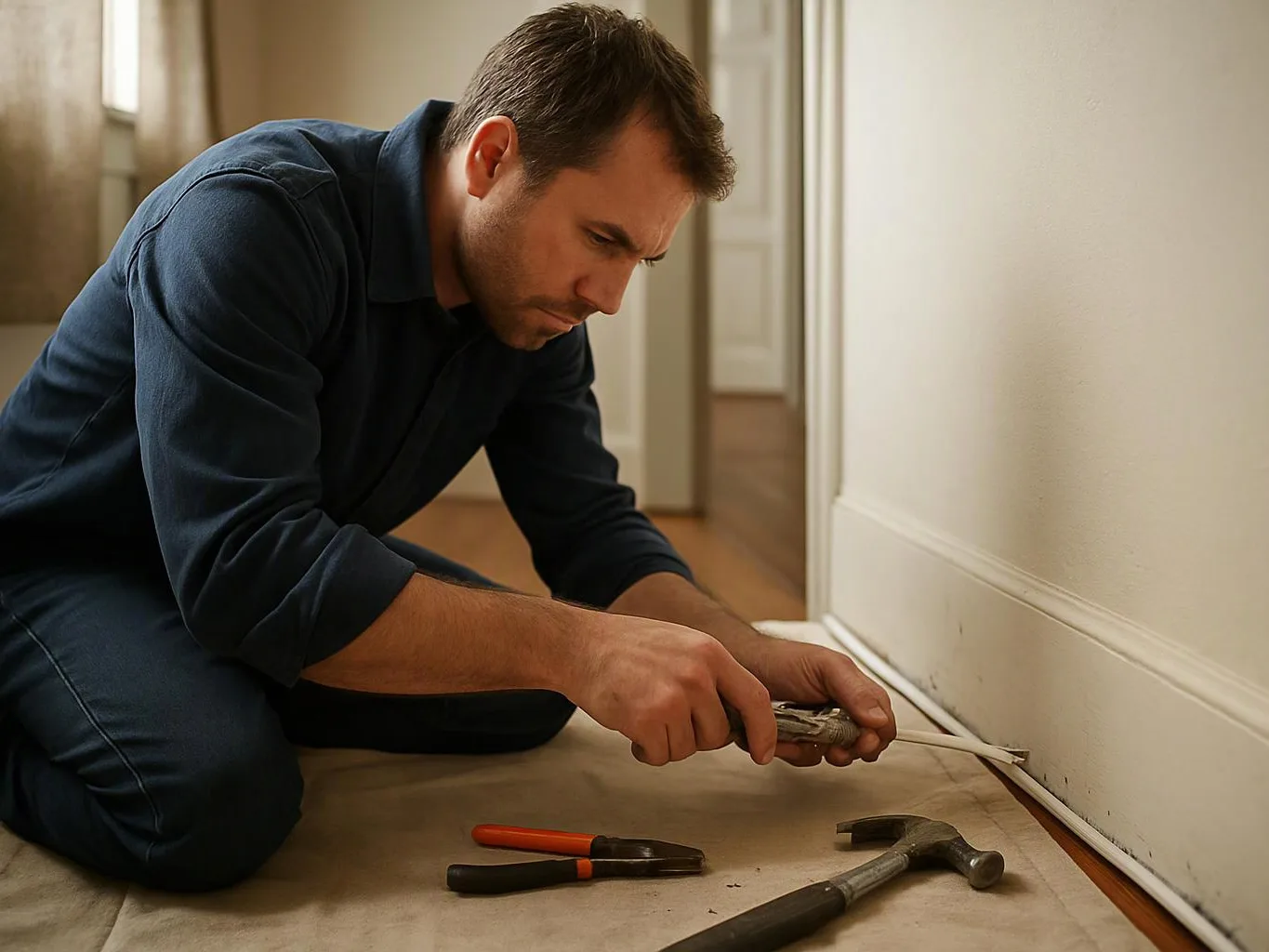
Whole-House Surge Protection for Home Electrical Safety
Whole-house surge protection supports home electrical safety by directing damaging electrical surges away from a home's wiring and connected devices; Electrician Pittsburgh assesses the electrical system and installs the protection at the service equipment.
Get a Free Estimate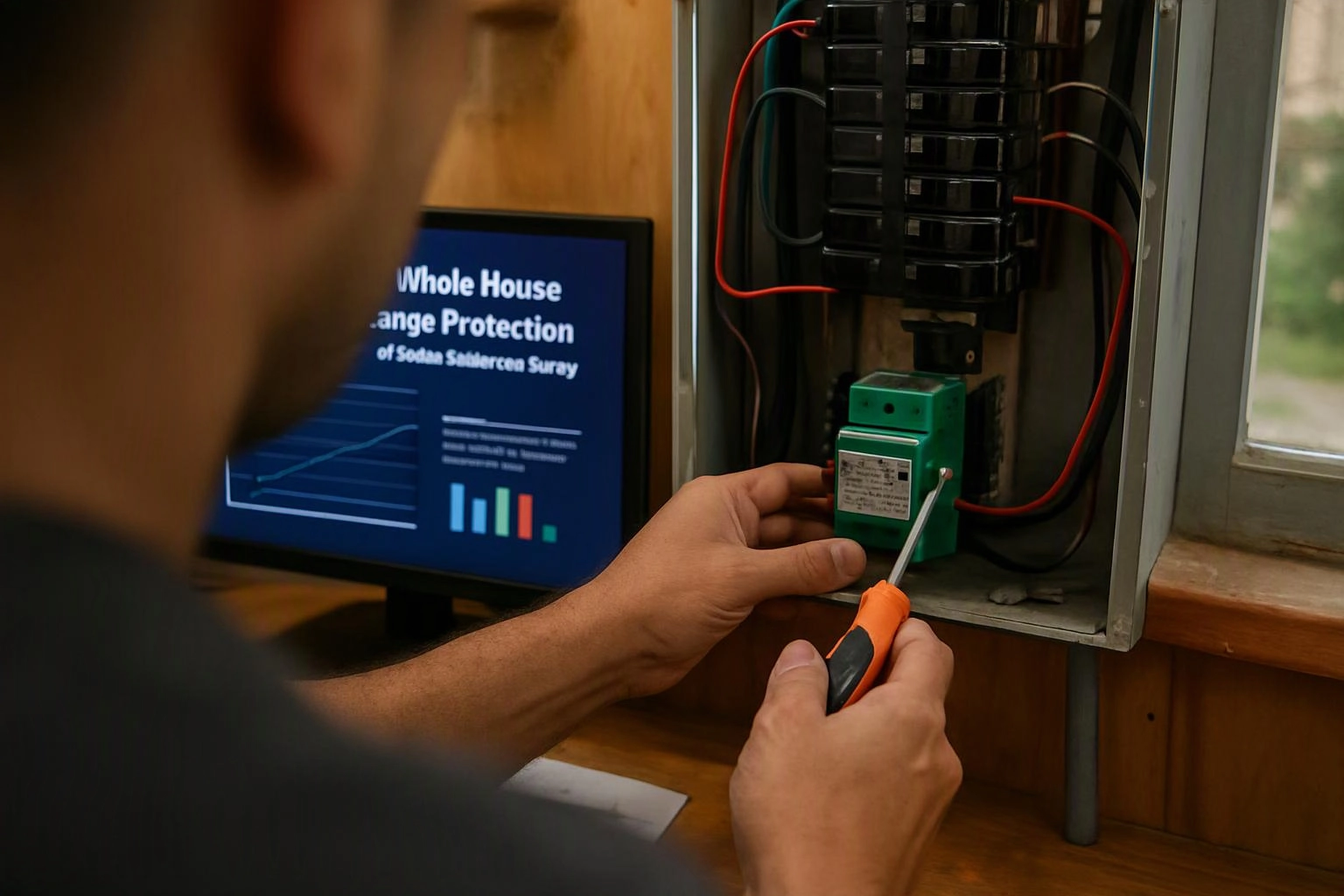
How Does Whole-House Surge Protection Improve Electrical Safety?
Whole-house surge protection improves electrical safety by providing a diversion path for transient voltage before the surge reaches circuits and connected equipment.
An electrical surge is a brief rise in voltage that can travel through the service panel and home wiring. A whole-house surge protector directs much of that energy toward the grounding system, helping reduce exposure for the electrical system and connected devices.
We assess the service equipment and panel connections before installation. Our team then selects and connects a surge protective device that fits the home's electrical system.
What Does a Whole-House Surge Protector Protect?
A whole-house surge protector helps protect equipment connected to the home's electrical system by limiting surge energy that travels through the service equipment and branch circuits.
The protection can support appliances, consumer electronics, HVAC equipment, and other connected devices supplied by the electrical panel. The level of protection depends on the device, the installation, and the condition of the grounding system.
We review the electrical panel and branch circuits so the selected surge protection device works with the home's service equipment. Our work focuses on reducing surge exposure across the system, not treating one outlet as the entire solution.
When Should Surge Protection Be Planned With Other Electrical Work?
Whole-house surge protection fits well into electrical projects that already involve access to the service equipment or changes to the home's wiring.
Planning related work together lets our team assess the electrical system in one coordinated visit. The following situations commonly call for both an electrical review and surge protection planning.
We coordinate the assessment with the planned electrical work so the installation matches the final service panel configuration. This approach also helps identify panel capacity or grounding issues before the project is complete.
How Do Surge Protection and Electrical Safety Work Fit Together?
Electrical safety depends on the condition of the full electrical system, not only on the presence of a surge protection device.
Surge protection and related electrical work support each other through assessment, compatible installation, and final checking. Our team uses the following process when both needs are part of the same project.
Our team explains any work needed to support a safe installation before proceeding. We also verify that the completed connections match the electrical system and the planned protection.
What Does an Electrical Safety Assessment Check Before Installation?
An electrical safety assessment checks the service equipment, grounding and bonding, available panel space, and wiring condition before a whole-house surge protector is selected and installed.
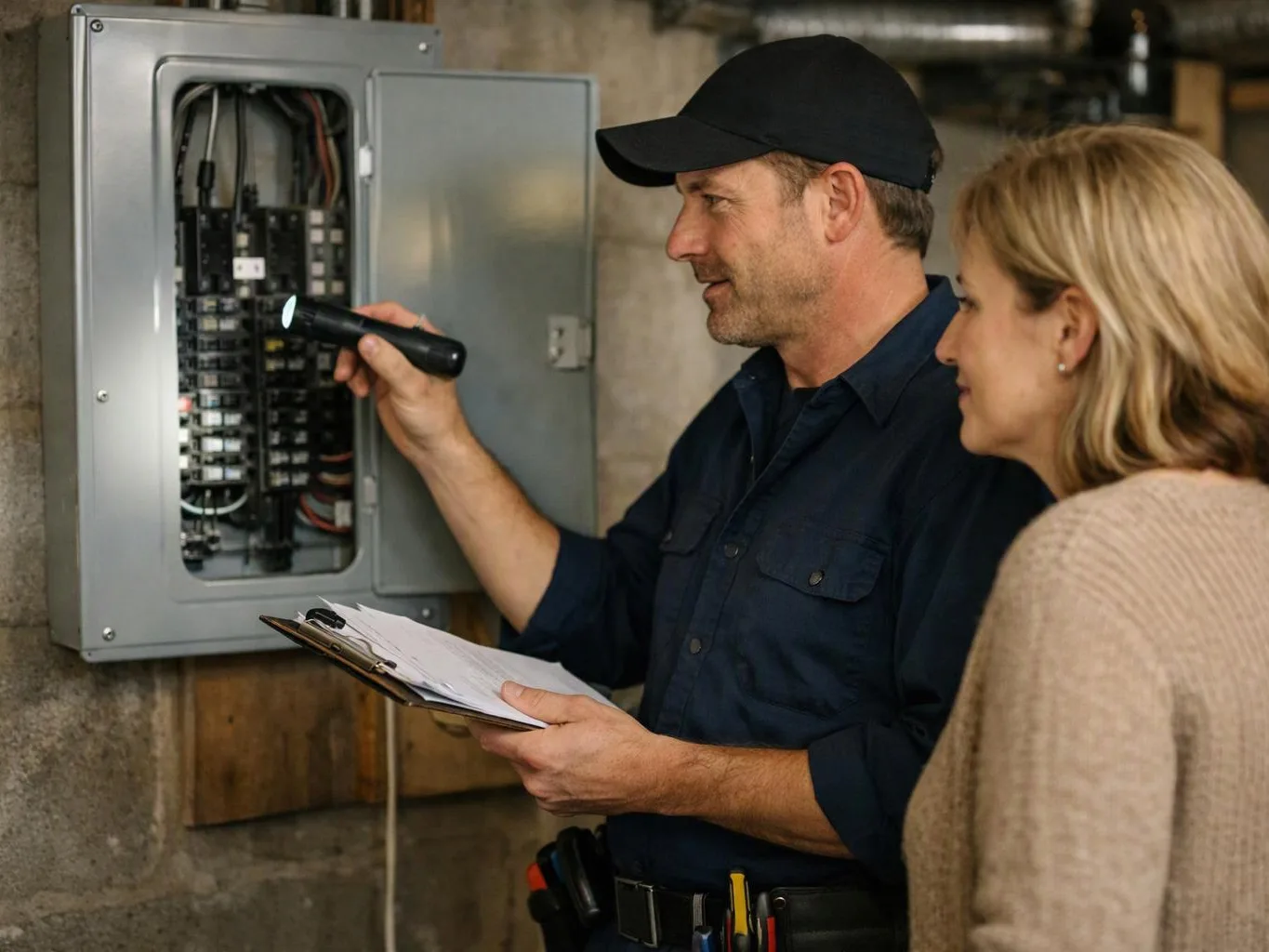
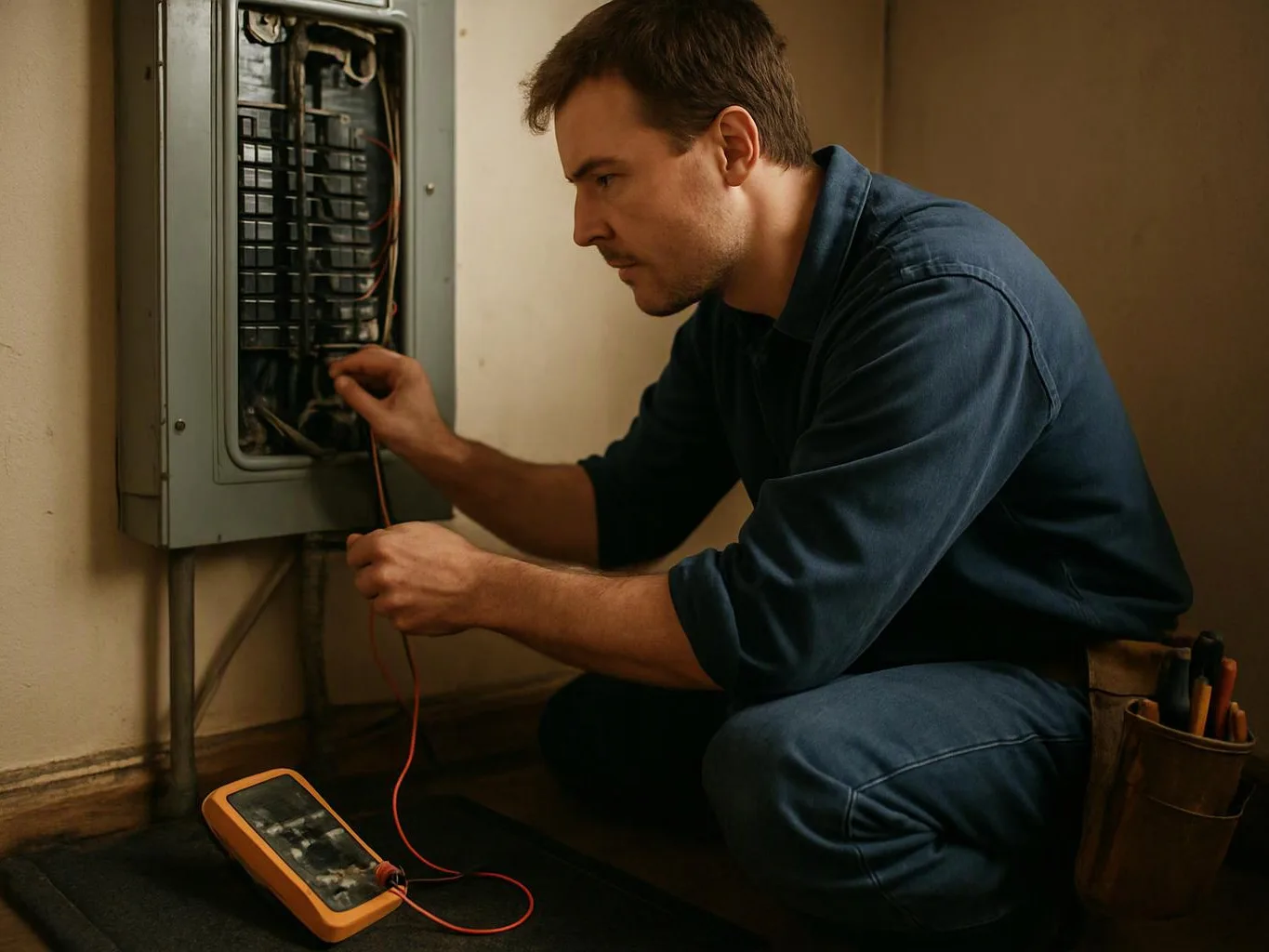
We inspect the service panel for suitable connection points and available panel capacity. Our team also reviews the grounding electrode system and bonding connections because surge diversion depends on a sound path to ground.
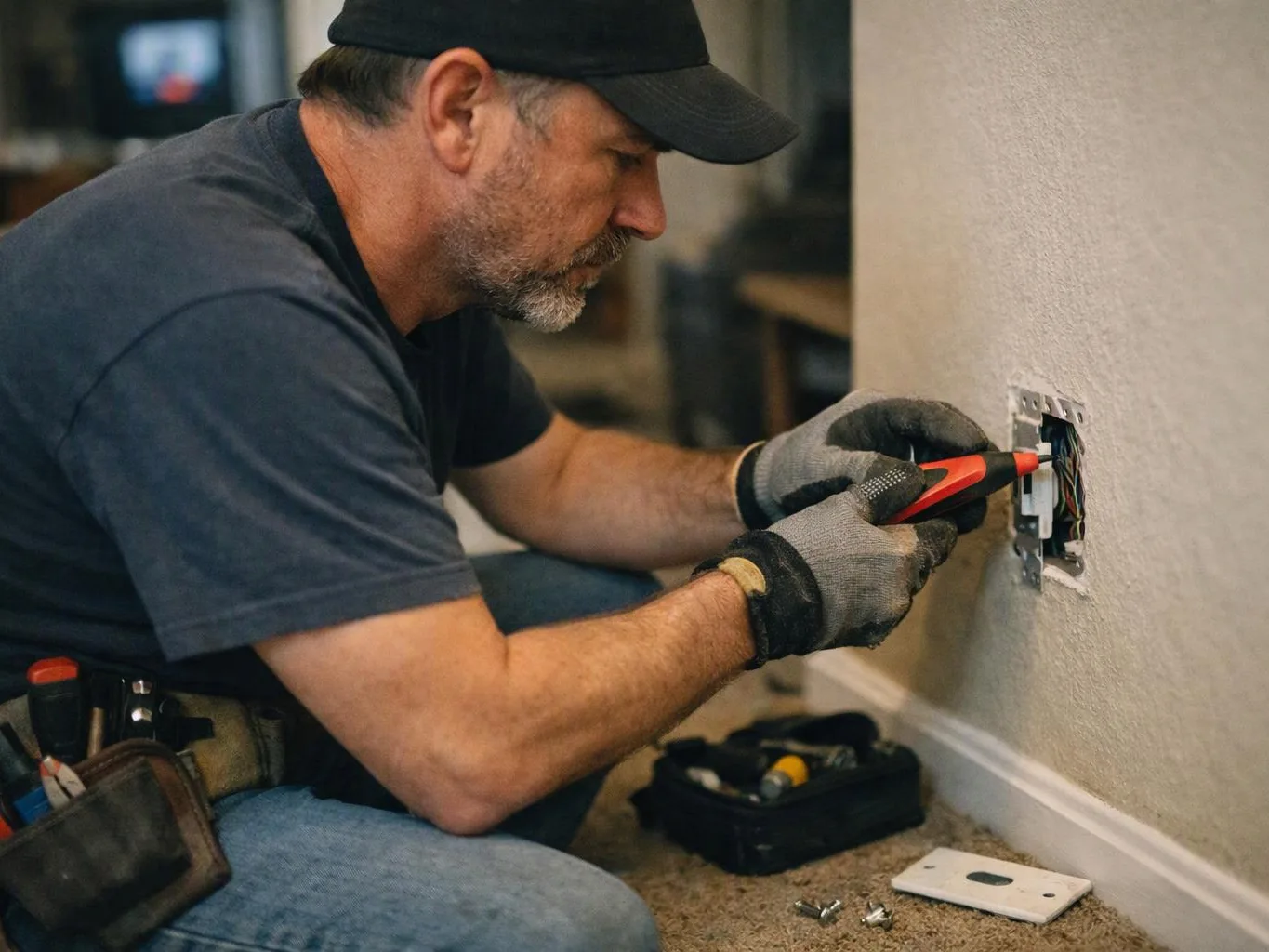
Wiring condition matters as well. Damaged, altered, or overloaded wiring can change the installation scope and may need attention before the surge protective device is connected.
We use the assessment to select a compatible device and explain the work included in the project. The review helps ensure that surge protection supports the broader electrical safety of the home.
What Changes the Scope of Whole-House Surge Protection Work?
Whole-house surge protection scope depends on the service equipment, panel configuration, grounding system, installation access, and compatibility of the selected device; Electrician Pittsburgh provides Free Estimates Available.
The electrical service and service panel configuration affect where the device can be connected. A grounding system that needs correction can add related electrical work before surge protection is installed.
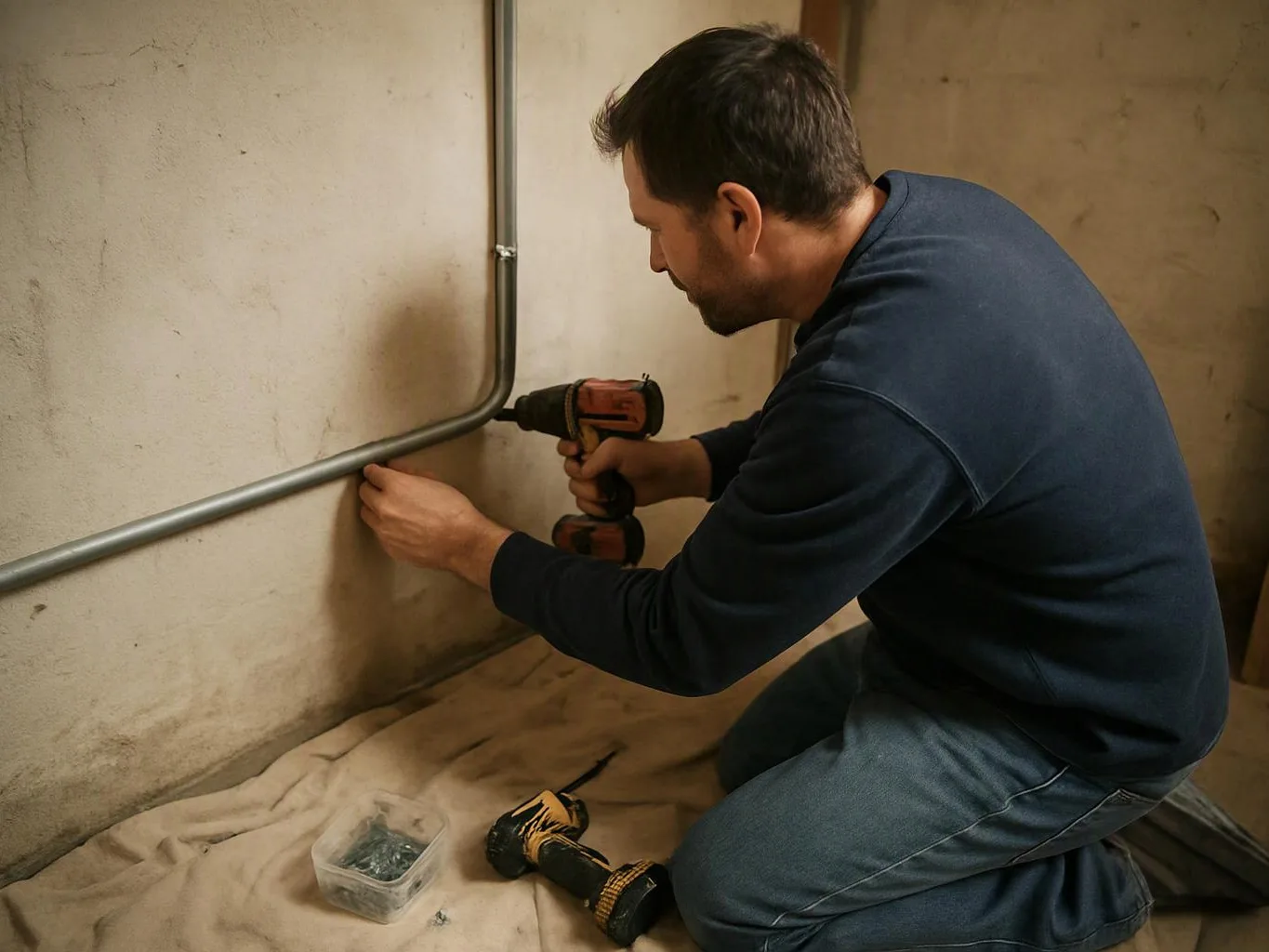
Installation access also affects the work plan. We review the panel location, available space, wiring condition, and device requirements before preparing a project estimate.
Our estimate explains the selected surge protective device and the electrical work needed for a complete installation. Contact us through Whole-House Surge Protection to request an assessment and exact quote.
How Is Whole-House Surge Protection Installed and Checked?
Whole-house surge protection is installed by assessing the electrical system, connecting the surge protective device at the service panel, and verifying grounding, bonding, and device status.
We keep the installation tied to the condition of the home's electrical system. Our final check confirms that the device is connected as planned and that the project scope is complete.
What Should Homeowners Know About Surge Protection Limits?
Whole-house surge protection reduces surge exposure but does not make electrical equipment immune to every surge or replace safe wiring, grounding, maintenance, and point-of-use protection.
A surge protective device can help manage transient voltage from events such as lightning or utility switching. The device cannot guarantee that every voltage spike will be stopped or that every connected item will remain unaffected.
The grounding system, service equipment, and device condition all affect performance. We check these parts during the assessment and explain any conditions that may limit the protection.
A plug-in surge protector can still provide point-of-use protection for sensitive electronics. We help you understand how that added layer fits with whole-house surge protection.
How Can You Plan Whole-House Surge Protection for Your Home?
Whole-house surge protection planning starts with a review of the home electrical system, service panel, grounding, and the equipment you want to protect.
We assess the service equipment and identify the installation location, device requirements, and any electrical conditions that affect the project. Our team then explains the recommended scope and prepares an exact estimate.
Electrician Pittsburgh can coordinate surge protection with panel work, rewiring, inspections, or new appliance installations. Contact us to arrange an electrical assessment and discuss the right protection for your home.
Questions About Whole-House Surge Protection
Do I still need plug-in surge protectors with whole-house surge protection?
Yes, plug-in surge protectors can add point-of-use protection for sensitive electronics that need an extra layer of defense. Electrician Pittsburgh can review how those devices fit with the home's whole-house protection.
Can whole-house surge protection protect against every electrical surge?
No, whole-house surge protection cannot protect against every electrical surge. The device reduces surge exposure, but safe wiring, grounding, maintenance, and point-of-use protection still matter.
Where is a whole-house surge protector installed?
A whole-house surge protector is usually installed at the service equipment near the service panel. The final location depends on the panel configuration, available space, grounding path, and device compatibility.
What should be checked before installing a whole-house surge protector?
The service panel, grounding electrode system, bonding connections, panel capacity, wiring condition, and selected surge protective device should be checked before installation.