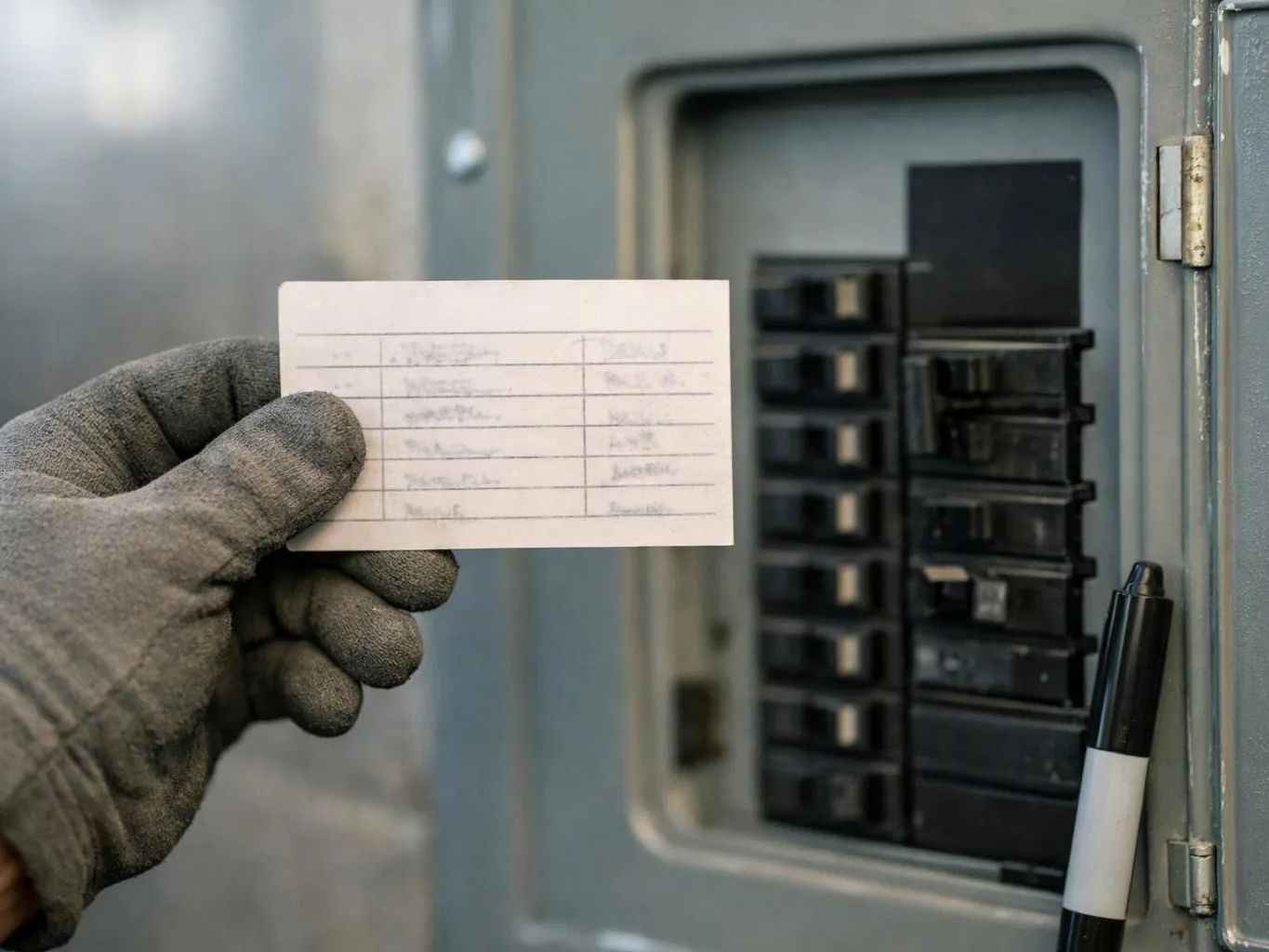
Generator Installation Mistakes to Avoid Before Connecting Backup Power
Generator installation mistakes often involve incorrect sizing, unsafe wiring, poor grounding, improper transfer equipment, and inadequate testing; Electrician Pittsburgh checks the installation, connections, protection, and startup process before backup power is connected.
Get a Free Estimate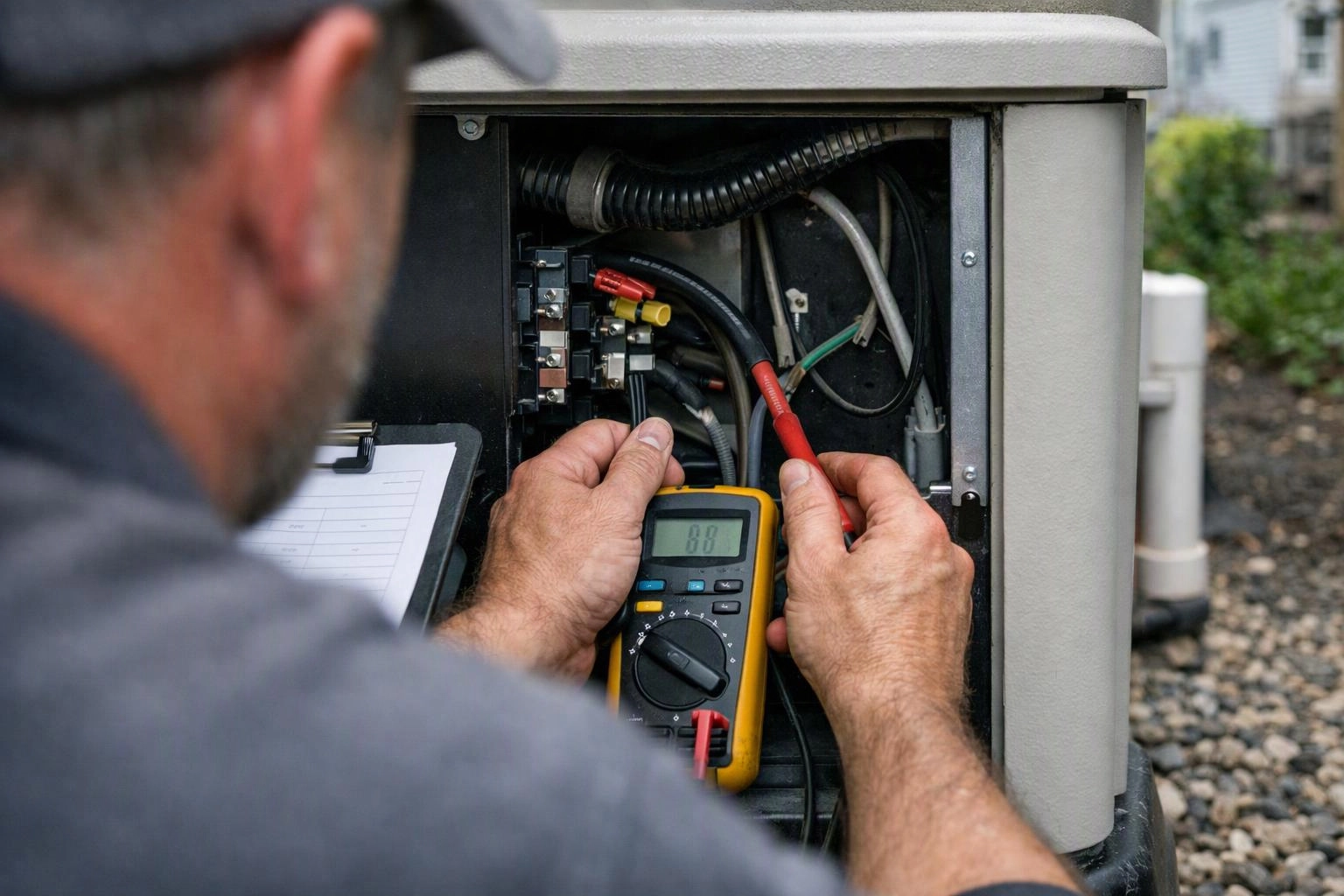
What to Check Before Connecting a Backup Generator
Backup generator installation needs a load review, compatible connection equipment, safe wiring, grounding, clearance, and operational testing before power is connected. Electrician Pittsburgh checks the electrical panel, transfer equipment, and generator installation as one connected system.
Utility power and generator power must remain separated through approved equipment. We also review the generator location, fuel connection, equipment labels, and access for safe service.
Use This Generator Installation Safety Checklist
A generator safety checklist helps reveal connection problems before the system carries a home’s electrical load. We use the review to organize the installation and identify correction work.
We document the connection points and test the system after the physical installation is complete. A checklist does not replace electrical inspection or generator testing.
Mistake 1: Choosing a Generator Without Reviewing the Electrical Load
Why load review matters
Choosing a generator without reviewing the electrical load can cause overloads, nuisance shutdowns, or incomplete backup coverage. We complete an electrical load calculation and match generator capacity to the home’s demand.
Starting load can be higher than running demand for equipment such as pumps, motors, and heating systems. We identify essential circuits and confirm that the selected backup circuits can operate together.
Correction cost depends on generator capacity, selected circuits, and changes needed at the electrical panel. We include the load review and required connection work in the quote.
Mistake 2: Connecting a Generator Directly to the Electrical Panel
Why direct connections are dangerous
Connecting a generator directly to an electrical panel without approved transfer equipment can backfeed utility lines and create a serious shock hazard. We install a safe transfer method that separates generator power from utility power.
Backfeeding can also damage the generator, the electrical panel, or connected equipment when utility power returns. We inspect the panel and confirm the transfer switch or other approved equipment is correctly wired.
Correction cost depends on the existing panel, wiring route, transfer equipment, and protection required. We explain the correction work before connecting the backup power system.
Mistake 3: Installing the Generator in an Unsafe Location
Why placement affects safety
Installing a generator too close to openings or in a poorly ventilated location can expose occupants to carbon monoxide and combustion exhaust. We assess placement, airflow, access, and manufacturer clearance requirements.
Generator clearance must account for doors, windows, vents, combustible materials, and service access. We verify outdoor installation conditions before the generator connection is completed.
Correction cost depends on relocation needs, wiring route, fuel connection, and weather protection. We identify these conditions before quoting the required work.
Mistake 4: Ignoring Grounding and Bonding Requirements
Why the neutral arrangement matters
Ignoring grounding and bonding can leave fault current without a dependable path and can create unsafe neutral connections. We verify the grounding and bonding arrangement for the generator and transfer equipment.
The review includes the grounding electrode, equipment grounding conductor, neutral bonding, and connection points. We correct conflicts that could affect fault clearing or create unwanted current on grounding paths.
Correction cost depends on the grounding system, wiring access, and transfer equipment. We include the required grounding work in the written scope of the quote.
Mistake 5: Using the Wrong Breaker, Conductor, or Disconnect
Why matched components are important
Using mismatched breakers, conductors, or disconnects can cause overheating, nuisance trips, or equipment damage. We coordinate conductor sizing, overcurrent protection, disconnect access, and generator specifications.
The circuit breaker must work with the conductor and equipment rating. We also check the generator disconnect and electrical disconnect for safe access and correct placement.
Correction cost depends on conductor replacement, breaker changes, disconnect access, and the route between the generator and panel. Our quote separates the needed correction work from unrelated electrical work.
Mistake 6: Overlooking Fuel, Ventilation, and Weather Protection
Why the electrical system depends on the site conditions
Overlooking fuel delivery, ventilation, and weather protection can prevent reliable generator operation. We coordinate the electrical installation with the generator’s fuel and enclosure requirements.
The fuel supply may use natural gas or propane, and the connection must support the generator’s operating needs. We review access, ventilation, enclosure condition, and the path for electrical conductors.
Correction cost depends on fuel connection coordination, enclosure changes, ventilation concerns, and wiring access. We identify which conditions belong in the electrical scope before work begins.
Mistake 7: Skipping Whole-House Surge Protection
Why surge protection belongs in the plan
Skipping whole-house surge protection leaves connected equipment more exposed to transient voltage during utility events and generator switching. We evaluate surge protection at the service equipment as part of the backup-power plan.
A surge protector can help protect sensitive electronic equipment connected through the service panel. We check compatibility, installation location, and coordination with the generator connection.
Correction cost depends on service panel condition, available space, equipment compatibility, and installation access. We include protection needs in the quote when the system requires them.
Mistake 8: Failing to Test Automatic Transfer and Backup Circuits
Why transfer testing is necessary
Failing to test transfer operation can leave backup circuits unavailable when utility power fails. We test startup, transfer, return to utility power, selected loads, and shutdown behavior.
An automatic transfer switch must recognize the loss of utility power and move the approved load to generator power. We also review manual transfer switch operation when the system uses manual controls.
Correction cost depends on the transfer equipment, backup circuits, control wiring, and faults found during generator testing. We explain failed test results and the work needed to correct them.
Mistake 9: Treating Generator Installation as a DIY Wiring Project
Why generator wiring needs a complete review
Treating generator wiring as a simple DIY project can expose people and equipment to energized conductors, backfeed, and incorrect protection. We handle the electrical connection and verify the completed installation.
Generator installation includes the transfer equipment, panel connections, grounding, disconnect, conductor sizing, and testing. We review code compliance and arrange the required inspection steps for the completed electrical work.
Correction cost depends on hidden wiring problems, panel condition, transfer equipment, grounding work, and the amount of correction work required. We provide a quote after reviewing the existing installation.
What Changes the Cost of Correcting Generator Installation Mistakes?
The cost of correcting generator installation mistakes depends on the generator connection, panel condition, wiring route, transfer equipment, grounding work, and protection required. We review those conditions and provide a quote for the needed work, with Free Estimates Available.
Generator capacity, the condition of the electrical panel, and the distance between equipment can change the scope. Existing generator repair needs may also add work when damaged components or wiring must be corrected.
Our quote explains the correction work, materials, testing, and connection steps included. You can request an exact quote through our contact page.
When Should You Call Electrician Pittsburgh Before Connecting a Generator?
Call Electrician Pittsburgh before connecting a generator when the electrical panel, transfer equipment, wiring, or generator location has not been verified. We inspect the system before energized operation creates a safety risk.
We also handle generator repair when an existing backup system fails during startup or load transfer. Do not energize an uncertain connection until the wiring and protection have been checked.
How We Verify a Safe Backup-Power Connection
We verify the generator connection by reviewing the load, inspecting the wiring and transfer equipment, checking grounding and protection, and testing the backup circuits under operating conditions.
Our team confirms generator capacity, conductor sizing, breaker protection, disconnect access, fuel connection coordination, and generator clearance. We inspect the electrical panel for conditions that could affect safe load transfer.
We complete transfer testing, grounding verification, and whole-house surge protection review before treating the backup-power connection as ready. Electrician Pittsburgh explains the findings, correction work, and quote so you know what the system needs.
Contact us to review your generator installation and prepare the next safe step.
Questions About Avoiding Generator Installation Mistakes
Can a generator be plugged into a home's electrical panel?
No, a generator must not be connected to a home’s electrical panel in a way that can backfeed utility power. Electrician Pittsburgh installs or verifies approved transfer equipment that separates generator power from utility power.
What happens if a generator is not grounded correctly?
A generator with incorrect grounding may lack a dependable path for fault current and may have unsafe neutral connections. We verify the grounding electrode, equipment grounding conductor, and bonding arrangement.
Do I need a transfer switch for a backup generator?
Yes, a backup generator needs approved transfer equipment when it connects to a home’s electrical system. We verify whether an automatic transfer switch or manual transfer switch fits the generator and selected backup circuits.
Can a generator overload a home's electrical system?
Yes, a generator can overload a home’s electrical system when generator capacity, starting load, and connected circuits are not matched. We complete an electrical load calculation and verify the selected backup circuits.
What should be checked after generator wiring is installed?
Generator wiring should be checked for correct conductor sizing, breaker protection, transfer operation, grounding, disconnect access, backup circuits, and generator startup. We inspect and test the completed connection under operating conditions.