Skip to content

Whole-House Surge Protection in Pittsburgh, Pennsylvania

We install whole-house surge protection for homes and businesses in Pittsburgh. Our 24-hour electrical support also covers urgent power and wiring problems.

Licensed & InsuredFree EstimatesWarranty AvailableUpfront, Transparent Pricing
Whole-House Surge Protection protects Pittsburgh homes and businesses from damaging voltage spikes. We inspect the electrical panel, grounding path, and connected loads before recommending the right installation. Flickering lights, failed electronics, or a recent power event can point to a need for review. We provide free estimates and explain the work before it begins.

What panel-based surge protection changes for your property

It helps limit voltage spikes that travel through branch circuits.

It adds protection at the panel instead of relying only on plug-in strips.

It gives us a reason to check grounding, panel connections, and affected circuits together.

Whole-House Surge Protection is a panel-based electrical safeguard that limits voltage spikes before they reach connected circuits and equipment.
  • Whole-house protection differs from a plug-in strip because it connects at the electrical panel and covers branch circuits across the property.
  • The service applies to residential and commercial properties in Pittsburgh and nearby communities.
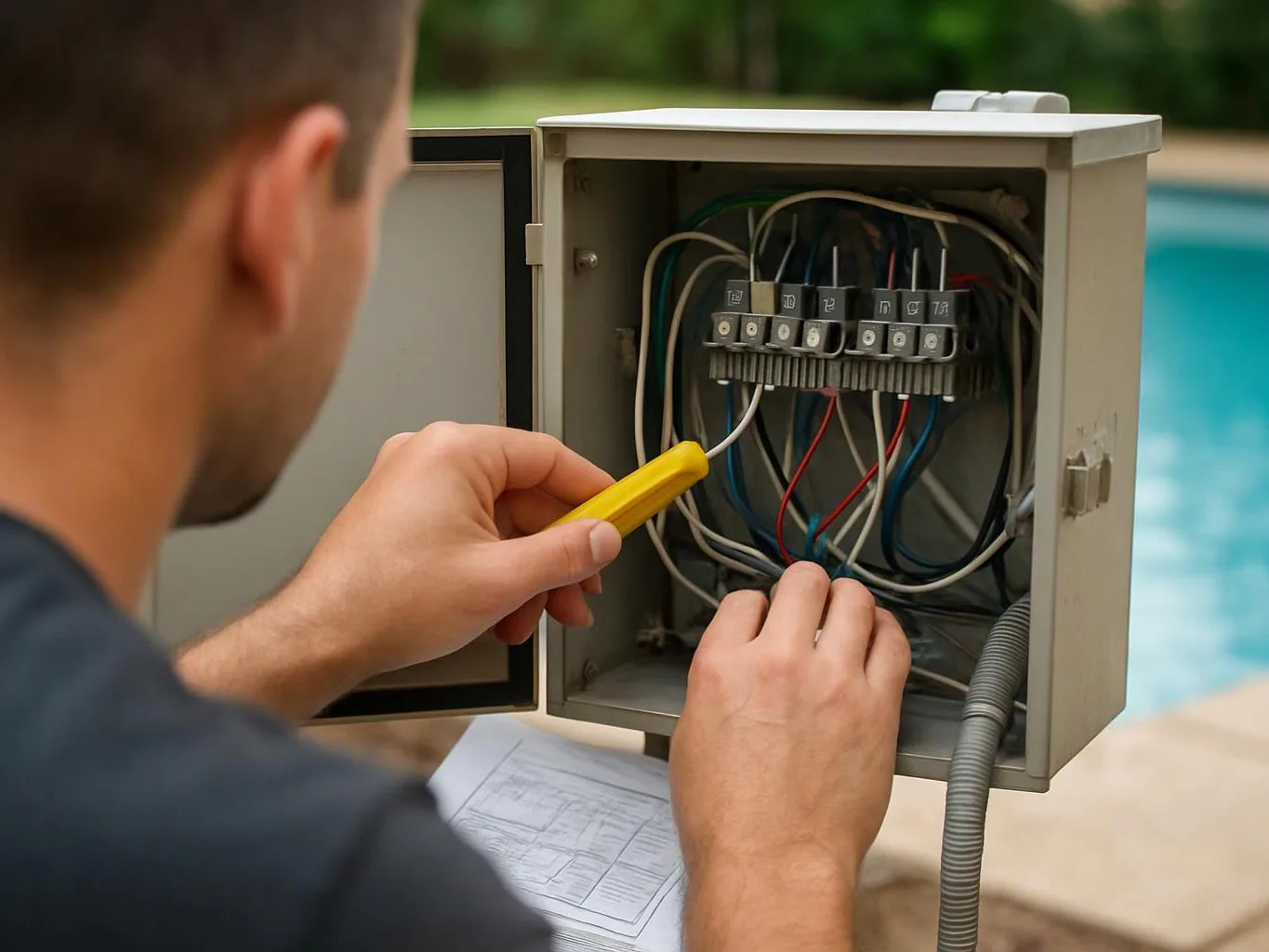
A man uses a yellow tool to inspect wiring inside an open metal electrical box by a pool
About

What whole-house surge protection covers

Whole-house surge protection connects at the electrical panel and helps limit voltage spikes across the property. It differs from a plug-in protector because the panel device supports the branch circuits served by the system. Our process starts with diagnosis. We inspect the panel, grounding path, breaker layout, and signs of heat or damage. A surge device cannot correct faulty wiring, overloaded circuits, or poor grounding, so we address those findings before installation. The main buyer decision is fit. A home with sensitive electronics, generators, HVAC controls, or business equipment may need a broader review of connected loads. We explain what the device covers and where separate equipment protection still matters.

Process

How we install panel-based surge protection

1

Inspect the panel and grounding

We examine the panel, grounding path, breaker layout, and visible signs of heat or damage before choosing an installation approach.

2

Trace the surge-related symptoms

We review failed devices, flickering lights, breaker trips, and recent power events to separate surge damage from other electrical faults.

3

Select the panel connection

We choose the installation point based on the panel layout, available space, grounding condition, and connected electrical loads.

4

Install and verify the device

We connect the surge protection device, check its status, and test the related circuits for safe electrical operation.

5

Explain limits and next steps

We explain the covered circuits, device status, maintenance needs, and any repairs that should follow the installation.

What to prepare before surge protection work

A few details help us assess the panel and the equipment you want to protect.

  • List electronics or appliances that failed after a power event.
  • Note any flickering lights, buzzing sounds, or breaker trips.
  • Tell us whether the property has a generator or other major electrical equipment.
  • Keep the electrical panel accessible for inspection.
  • Share recent electrical repair or upgrade information if you have it.

The Electrician Pittsburgh Standard

Problem Diagnosis

We diagnose panel, grounding, and circuit conditions before recommending whole-house surge protection for the property.

Safe Operation

We test the installed device and related circuits so homes and businesses can return to safe electrical operation.

System Troubleshooting

We troubleshoot flickering lights, breaker trips, and failed equipment before deciding whether surge protection addresses the fault.

Questions about panel-based surge protection

Who installs whole-house surge protection in Pittsburgh?

Electrician Pittsburgh installs whole-house surge protection for homes and businesses in Pittsburgh and nearby communities. We inspect the electrical panel, grounding path, and connected loads before recommending the work. The installation plan depends on panel space, circuit condition, and the equipment you want to protect. We provide a free estimate and explain the scope before work begins.

Do I need an electrician to install protection at the main panel?

Yes, panel-based surge protection requires electrical installation and circuit testing. The work involves opening the panel, making a proper connection, checking grounding, and verifying safe operation. We also look for heat damage, loose connections, and overloaded circuits. A plug-in strip does not provide the same panel connection or whole-property coverage.

Which condition changes the price of installing a surge device?

Panel access, available connection space, grounding condition, circuit repairs, and the property's connected loads affect the cost. We inspect those items before preparing a free estimate. A panel with damaged wiring may need corrective work before the protective device is installed. We explain each recommended task and its purpose before work begins.

Can surge protection trip the main breaker?

A properly installed surge device should not trip the main breaker during normal operation. A trip can point to a wiring fault, damaged device, or another electrical problem. We inspect the panel and test the affected circuit before resetting or replacing equipment. Do not keep resetting a breaker that trips repeatedly.

What should never be plugged into a plug-in surge protector?

High-load equipment and devices with special electrical requirements should not share a plug-in surge protector without a proper check. Examples include heating equipment, large motors, and some appliances. We review the equipment and circuit instead of assuming a strip provides enough protection. Panel-based protection may cover branch circuits, but it does not replace correct circuit sizing.

Which equipment benefits from panel-based surge protection?

Electronics, HVAC controls, computers, appliances, and other connected equipment can benefit from panel-based surge protection. The actual coverage depends on the panel, grounding system, and circuit layout. We ask what equipment matters most, then explain where separate plug-in protection or equipment-specific safeguards may still be useful.

How do you know whether a surge device needs replacement?

A changed status indicator, visible damage, or new equipment failures can show that a surge device needs review. We inspect the device, panel connection, grounding path, and affected circuits. We also check whether another fault caused the symptoms. Replacement decisions follow the inspection, not the symptom alone.

Key Points About Whole-House Surge Protection

  • Panel-based protection covers branch circuits, not just one receptacle.
  • Grounding and panel condition affect the installation plan.
  • Flickering lights and breaker trips need diagnosis before surge work.
  • A surge device does not correct overloaded circuits or faulty wiring.
  • We provide a free estimate after reviewing the property and equipment.
Contact

Request a Whole-House Surge Protection Estimate

Tell us about your panel and equipment, and urgent requests get priority scheduling.
A white work van marked “ELECTRICIAN” is parked in front of a brick house at dusk
Scenarios

When Customers Call Us About Whole-House Surge Protection

1

Devices Fail After Power Events

A homeowner notices that routers, televisions, or appliance controls fail after an outage or electrical disturbance. The key question is whether the damage came from a voltage spike, a wiring fault, or equipment failure. Keep the damaged devices identified and leave the panel accessible. We can inspect the system, check grounding, and explain whether panel-based protection fits the property.

2

Flickering Lights And Breaker Trips

Flickering lights and repeated breaker trips can look like a surge problem, but they can also signal loose connections or an overloaded circuit. We need the affected rooms, equipment, and timing of each symptom. Stop using any outlet that smells hot or shows burn marks, and request an electrical diagnosis before adding surge equipment.

3

Protection For A Business Panel

A business may want to protect computers, controls, refrigeration, or other equipment from voltage disturbances. The panel layout, grounding, and connected loads all affect the installation plan. Gather the equipment list and identify the panel location. We can review the system, explain coverage limits, and provide a free estimate before work begins.
Our Other Services

Generator RepairA generator that fails to start may leave sump pumps, refrigerators, or heating systems without backup power. We diagnose batteries, controls, transfer switches, and wiring, then repair the fault and verify operation.
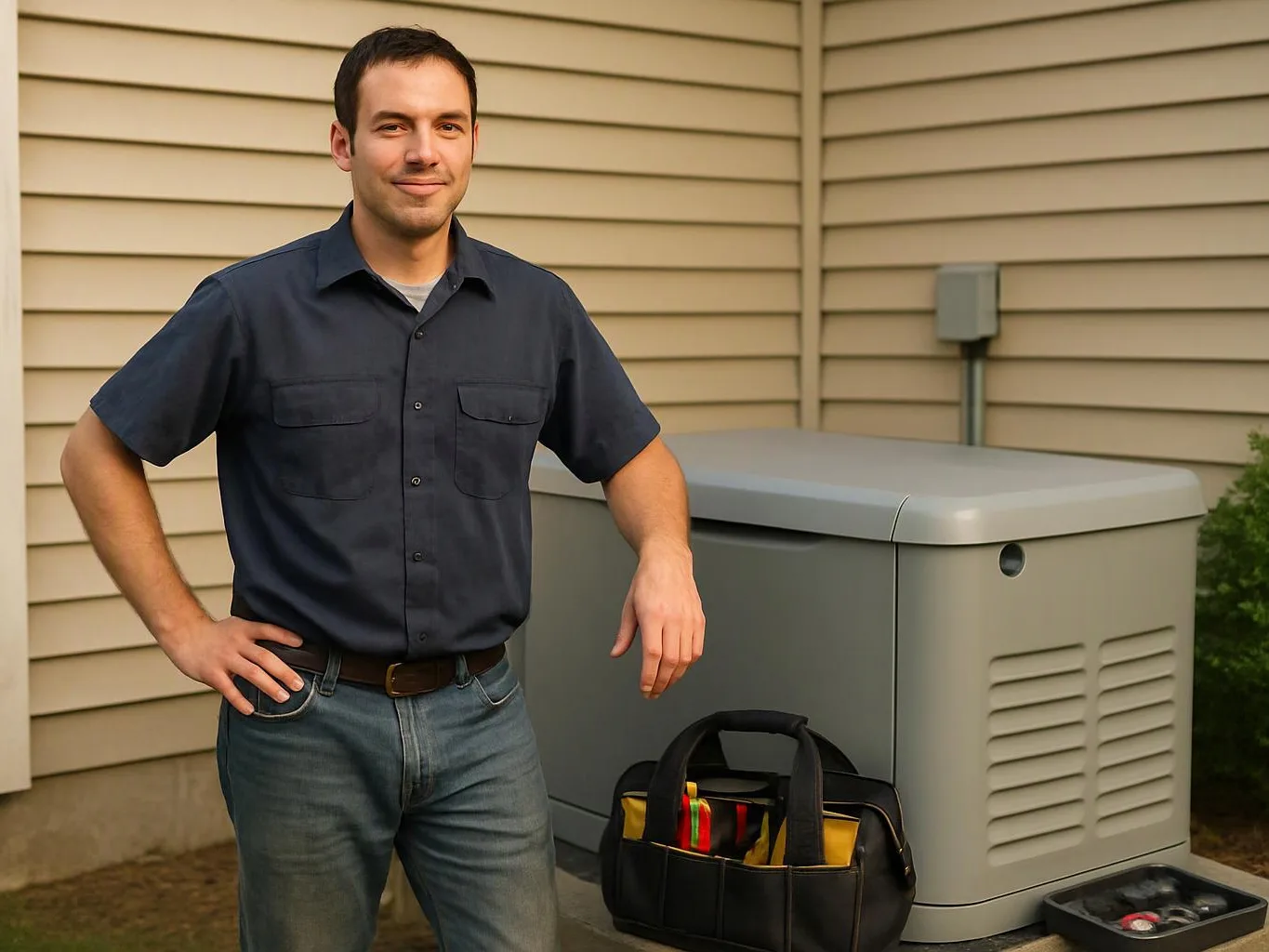
Generator InstallationA standby generator keeps essential systems running when utility power fails. We install the generator, transfer switch, fuel connection, and required wiring, then test the setup for safe backup power at your property.
Recessed Lighting InstallationDark kitchens, hallways, and living spaces benefit from well-placed recessed fixtures. We plan openings, install IC-rated housings where needed, connect dimmers, and create even ceiling lighting without cluttering the room.
Ceiling Fan RepairA wobbling fan, failed light kit, or humming motor makes a room uncomfortable and can signal wiring trouble. We inspect the fan switch, mounting, motor, and connections, then restore safe operation.
Emergency Electrician ServiceA burning smell, sparking outlet, or sudden outage needs attention before the danger grows. Our 24-hour electricians trace the fault, isolate unsafe circuits, and restore safe power for your home or business.
Electrical TroubleshootingFlickering lights and tripping breakers often point to faults hidden behind walls or fixtures. We test circuits, outlets, switches, and connections to identify the cause and give you a clear repair plan.
(412) 530-6737