When to Call a 24-Hour Electrician — and What to Do First
A 24-hour electrician is needed when an electrical problem creates immediate danger, continues worsening, or leaves essential power unsafe to use. Electrician Pittsburgh provides emergency electrical assessment and troubleshooting for hazardous faults, unsafe power conditions, and urgent electrical problems.
Get a Free Estimate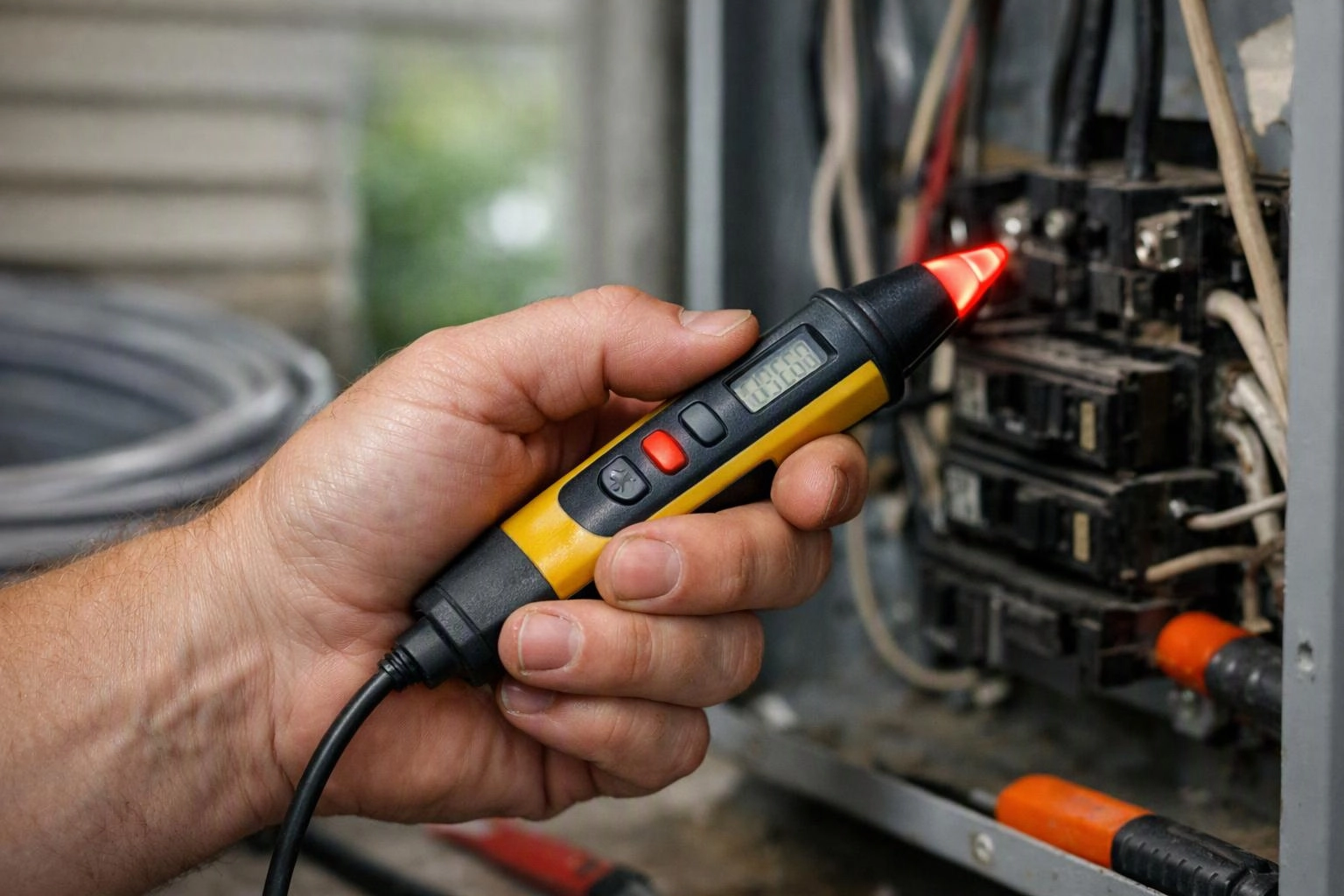
When Is an Electrical Problem an Emergency?
An electrical emergency exists when heat, smoke, sparks, exposed conductors, water contact, or an ongoing shock risk makes continued use unsafe.
A burning smell, visible smoke, or sparks from an outlet, switch, appliance, or electrical panel needs immediate attention. Exposed wiring can create an electric shock risk, especially when people or pets can reach it.
Water near electricity adds another serious hazard. Stop using the affected area and contact Electrician Pittsburgh for an urgent assessment. If fire, active smoke, or immediate life danger is present, leave the area and contact the fire department or emergency services.
Which Electrical Problems Should Not Wait?
Active faults deserve prompt attention because they can worsen, damage equipment, or make essential circuits unsafe. Our team first focuses on safe shutdown and fault isolation before deciding what repair work is needed.
Call us about these conditions when they are active, recurring, or worsening:
A partial power outage can point to a circuit or service problem, even when some lights still work. We test the affected circuits and help determine whether the condition is safe to leave isolated.
When Can an Electrical Problem Wait for a Scheduled Visit?
A non-urgent electrical repair can wait for a scheduled visit when no heat, smoke, sparking, shock risk, exposed wiring, or worsening loss of power is present.
A light fixture that has stopped working, an outlet replacement, or a planned electrical inspection may be suitable for scheduling when the area is safe and the circuit is not showing warning signs. An intermittent electrical fault still deserves attention if it becomes more frequent or begins affecting other equipment.
We can assess the issue during a scheduled visit and look for the underlying cause. Do not keep using a fixture, outlet, or switch that feels hot, smells unusual, or shows visible damage.
What Should You Do Before the Electrician Arrives?
Electrical safety comes first: protect people, stop using the affected equipment, isolate power only when safe, and report fire or immediate life danger to emergency services.
Do not reset a circuit breaker repeatedly. Our crew can determine whether the breaker is safe to reset after checking the circuit and connected equipment.
How We Troubleshoot an Urgent Electrical Fault
Electrical Troubleshooting identifies the fault source, separates unsafe circuits from unaffected circuits, and establishes what must be repaired before power is safely restored.
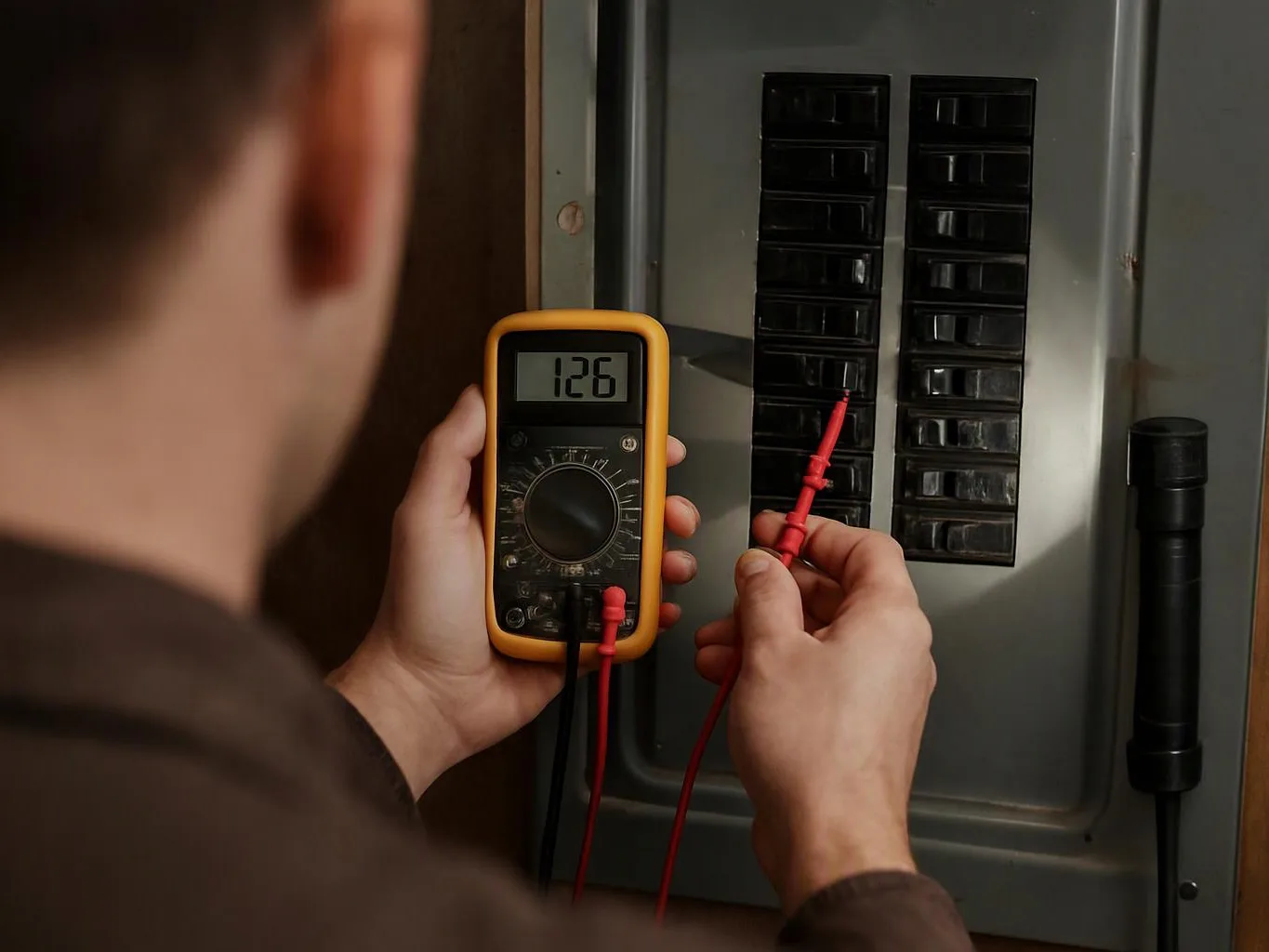
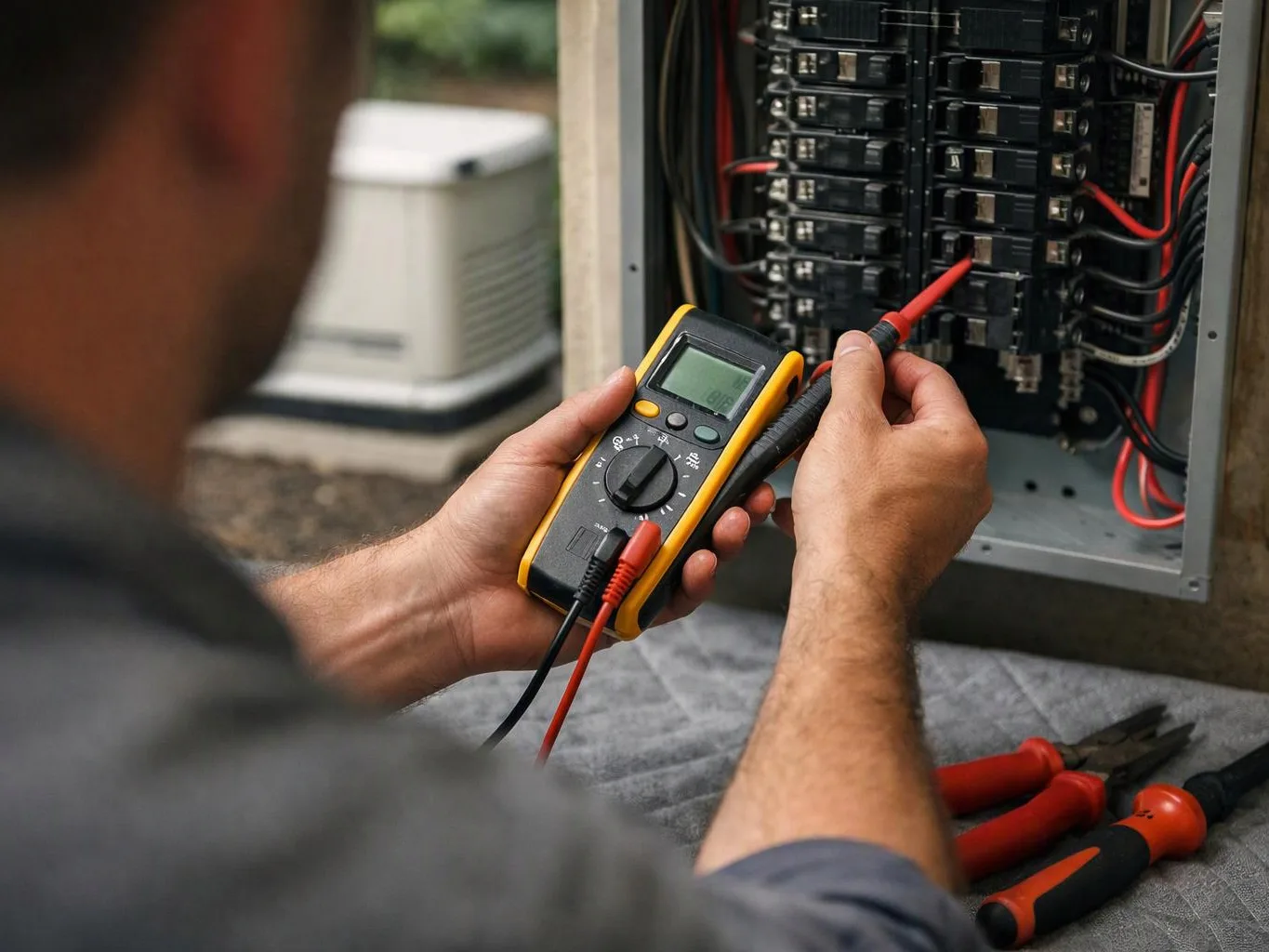
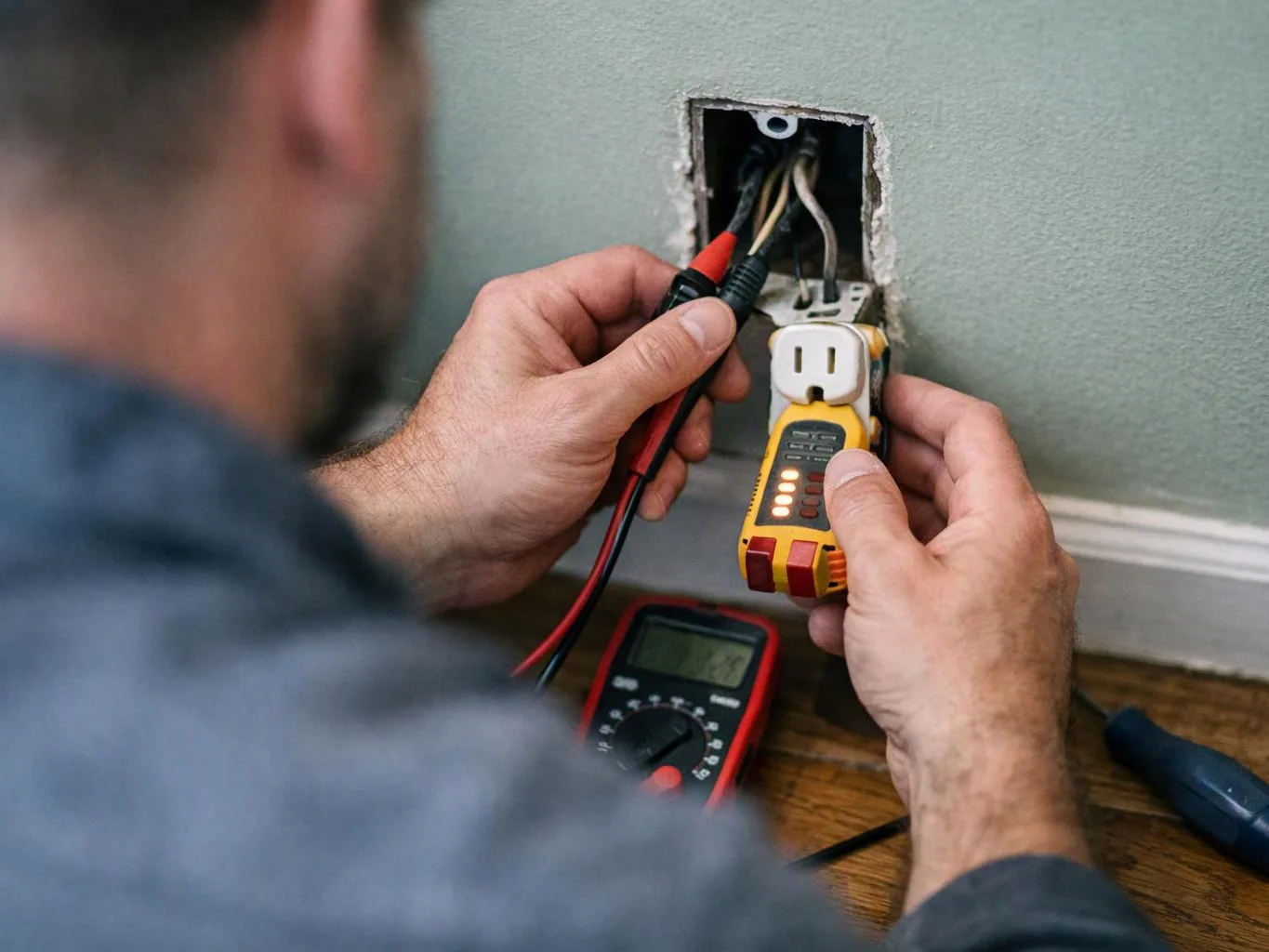
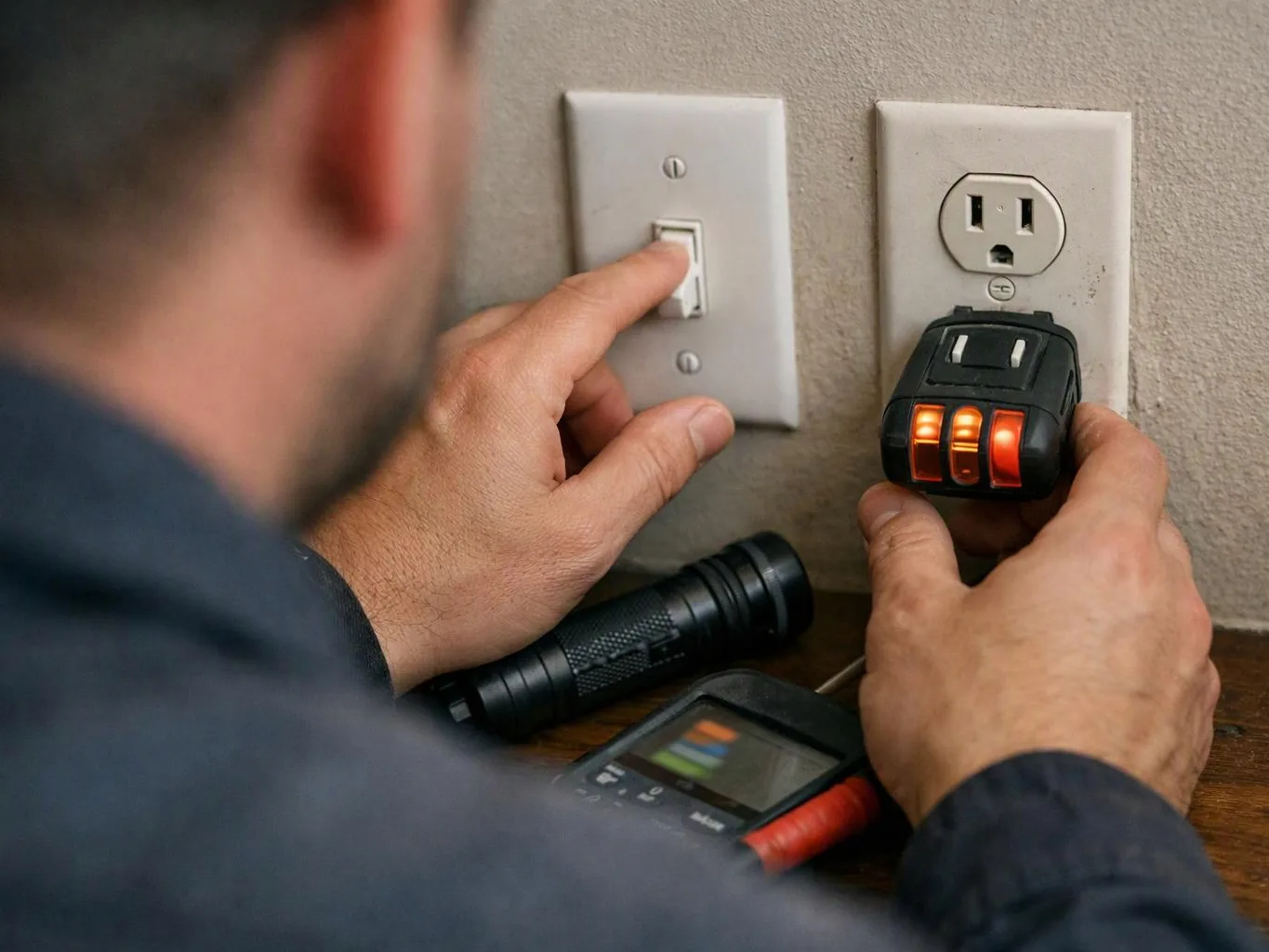
We begin with a visual review of the electrical panel, service equipment, outlets, switches, and accessible wiring. We then use circuit testing and fault isolation to trace the problem without treating a repeated breaker trip as the root cause.
Our team considers the connected load, signs of overheating, loose connections, and recent changes to the electrical system. We explain which circuits should remain off and what repair steps support electrical safety.
What Can Change the Cost of an Urgent Electrical Visit?
The cost of an urgent electrical visit depends on the fault location, repair scope, access conditions, replacement materials, and any required Electrical Code Corrections. Free Estimates Available helps you understand the proposed work before repair decisions are made.
Our estimate explains what we found, which parts or wiring require attention, and what work is needed to return the affected circuit to safe operation.
| Cost factor | What it can involve |
|---|---|
| Fault location | A panel, outlet, appliance connection, service equipment, or concealed wiring. |
| Repair scope | Testing, fault isolation, component repair, or replacement of damaged wiring. |
| Access conditions | The location of the fault and the work needed to reach it safely. |
| Code correction | Additional work needed to address unsafe conditions or Electrical Code Corrections. |
How Electrical Safety Inspections Help Prevent Repeat Emergencies
Electrical Safety Inspections identify conditions that can trigger future faults, including damaged components, loose connections, overloaded circuits, and unsafe wiring.
We review the electrical panel condition, grounding, visible wiring, connections, and circuit loads. This process can show why lights flicker, breakers trip, or outlets overheat.
Our findings help separate immediate repairs from preventive maintenance. The guide “Electrical Safety Inspections: What Gets Checked and How Thermal Imaging Helps” explains how a broader inspection can reveal conditions that are not obvious during normal use.
What Information Should You Give Us on the Call?
The most useful information includes the electrical symptoms, affected areas, recent changes, breaker behavior, visible damage, and any heat, smoke, water, or sparking.
Clear details help us prepare for the right type of testing and safe shutdown. If the situation involves an active fire or immediate life danger, contact emergency services first.
Questions About Urgent Electrical Problems
Should I reset a breaker that keeps tripping?
Do not keep resetting a circuit breaker that repeatedly trips because the circuit may have an active fault, overload, or damaged connection. Electrician Pittsburgh can test the circuit and connected equipment to determine whether it is safe to restore power.
Can a power outage be an electrical emergency?
Yes, a power outage can be an electrical emergency when it affects only part of the building, follows a fault, creates heat or smoke, or leaves essential equipment unsafe. We assess the affected circuits and help isolate the hazard.
What should I do if water reaches an outlet or electrical panel?
Leave the wet area, avoid touching the outlet or electrical panel, and report the water leak and electrical danger to emergency services when immediate danger is present. We can assess the equipment after the area is safe to enter.
Should I leave my home if I smell burning from an outlet?
Yes, leave the area if a burning smell is accompanied by smoke, heat, sparks, or signs of fire, and contact the fire department or emergency services. Do not use the outlet again until we inspect the electrical fault.
Call Electrician Pittsburgh when an electrical fault creates immediate danger, continues worsening, or makes essential power unsafe to use. Our team can guide safe shutdown, perform urgent troubleshooting, and explain the repair estimate.