What areas are inspected during commercial electrical repair?
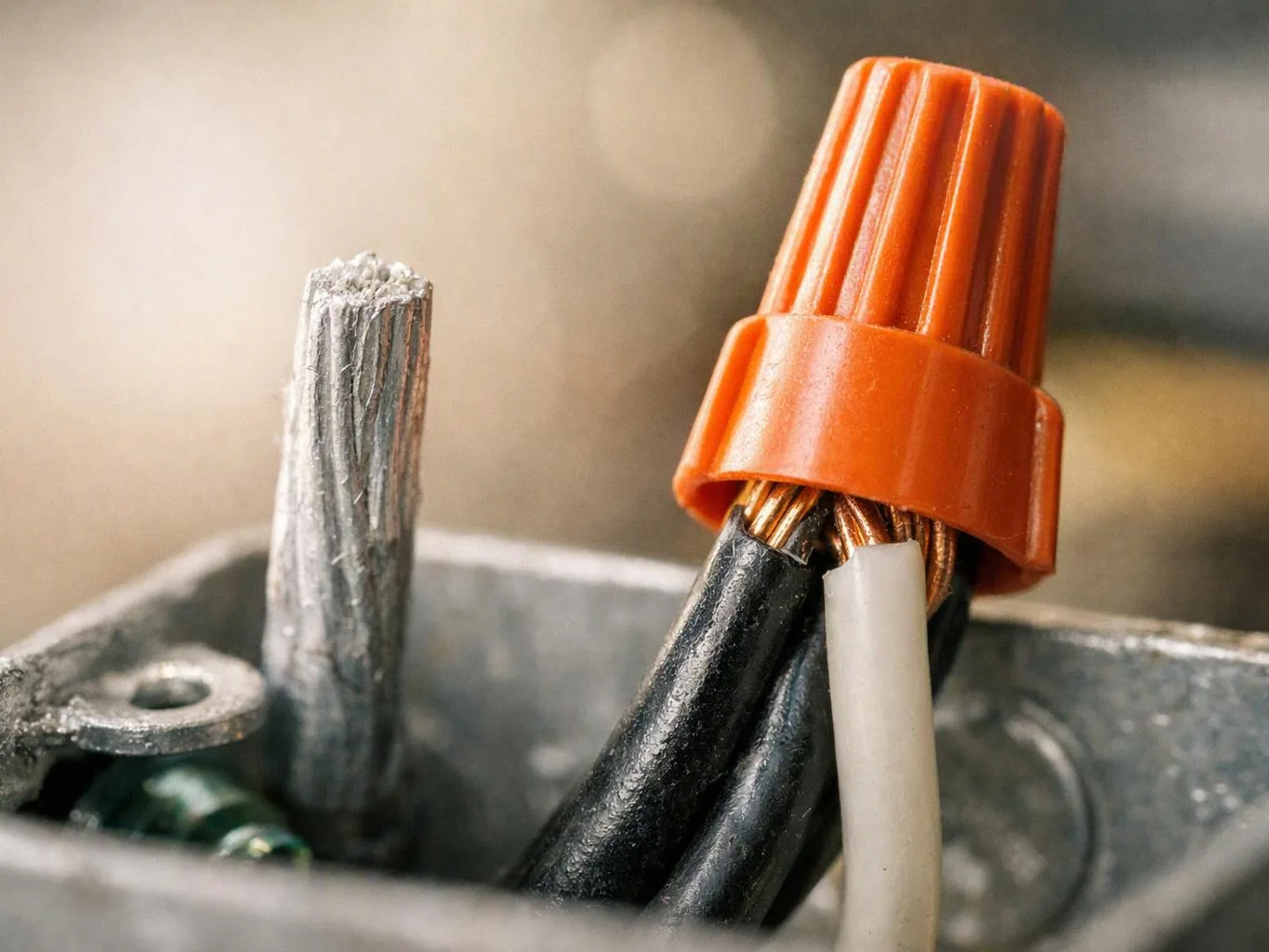
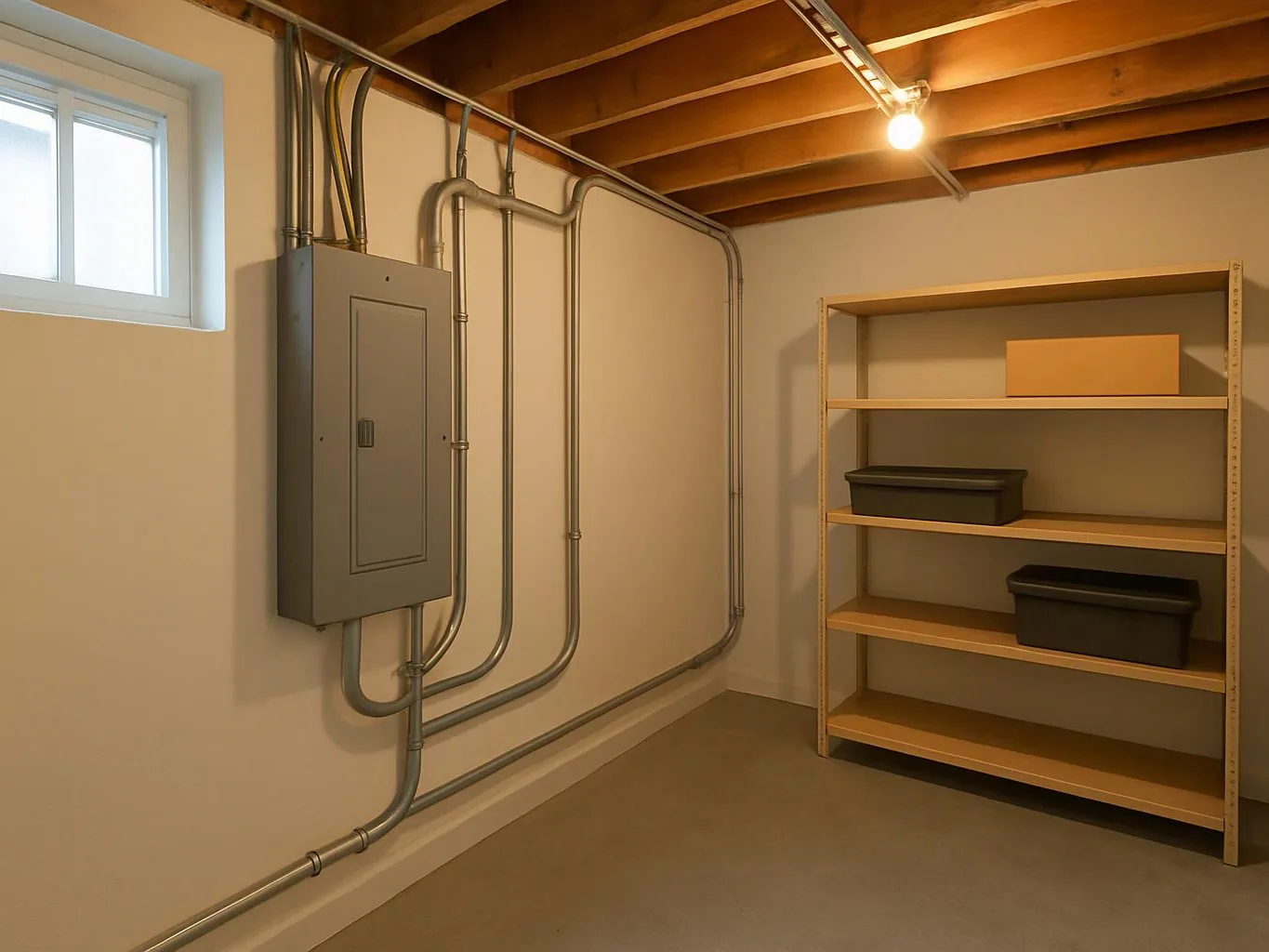
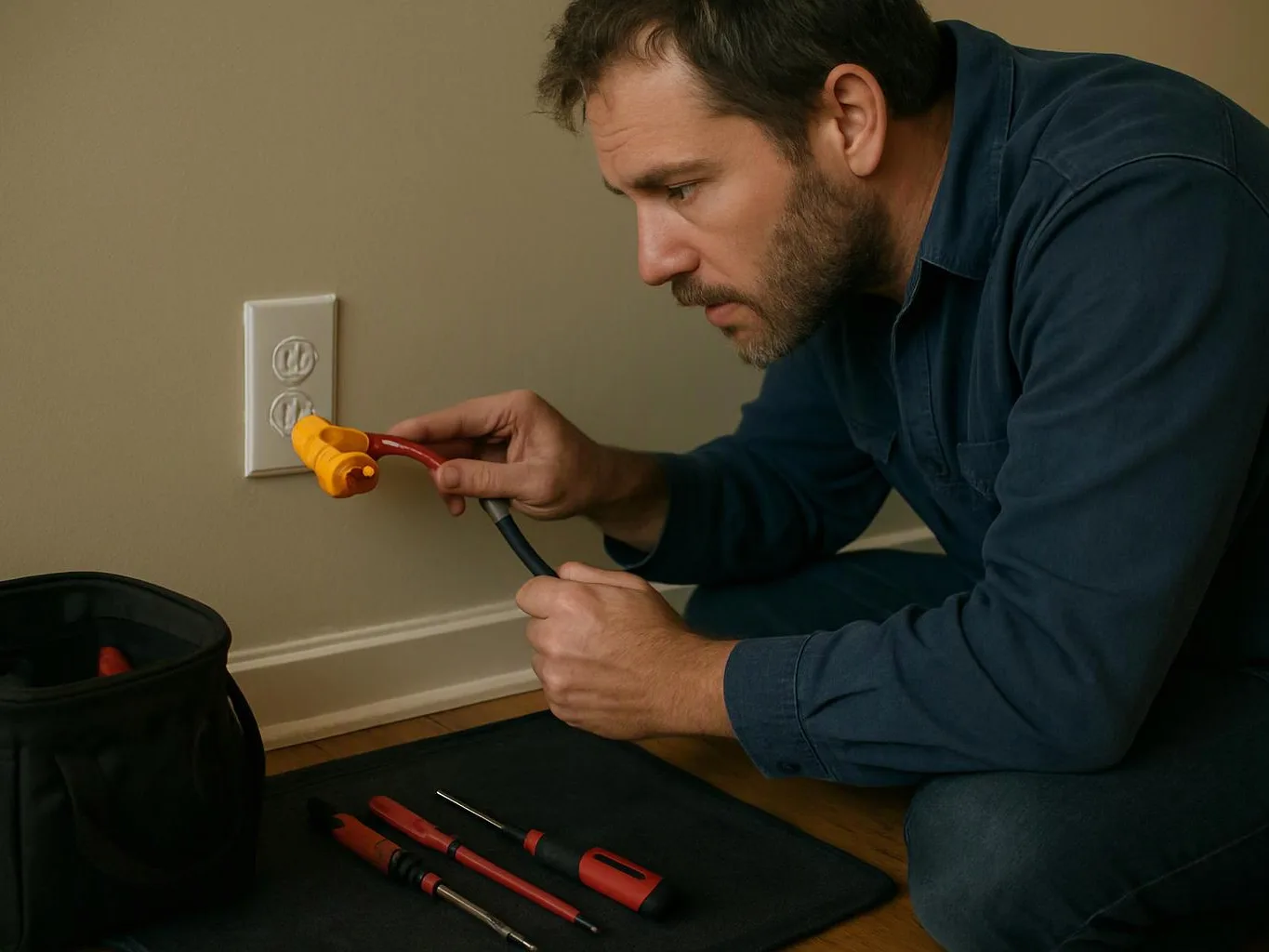
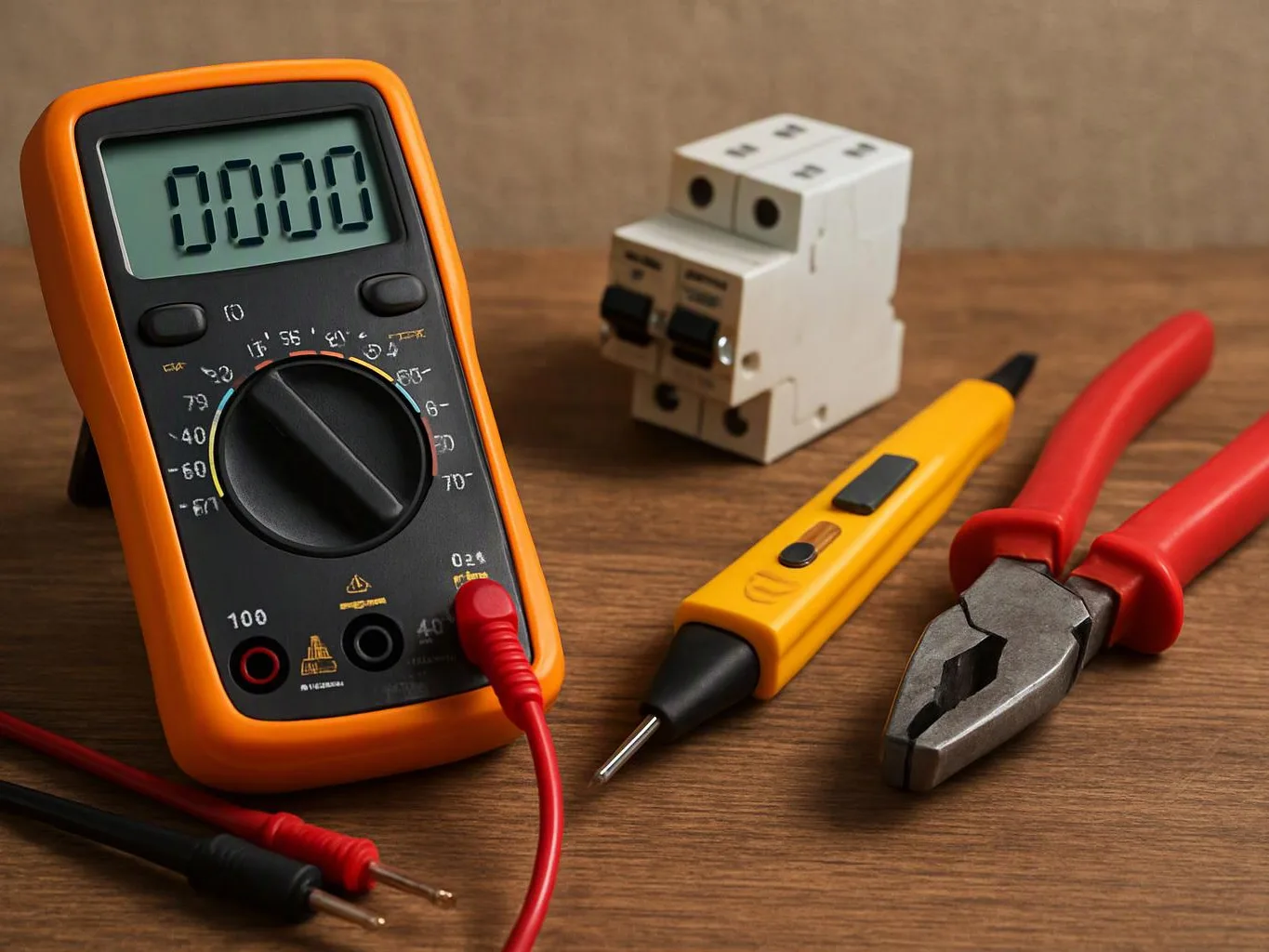
Electrician Pittsburgh inspects distribution panels, branch circuits, conduit systems, and control wiring during commercial electrical repair. We start with the reported symptom and trace the affected path. The check includes breakers, connections, conductors, devices, and signs of heat or arcing. We then explain whether the property needs a focused repair or a wider electrical correction.
How is repair work matched to the property before work starts?
The repair scope is matched to the property's circuits, equipment, access, and existing wiring. We review the affected area, identify how power reaches the equipment, and check related devices before selecting parts or methods. A business manager can share equipment details, panel access limits, and recent changes so our inspection starts with useful site information.
Which property condition changes the repair time?
Limited access, hidden wiring, damaged conduit, and unclear circuit paths can extend the repair work. We inspect those conditions before setting the final scope. A circuit map, accessible panel, and clear equipment area help us test the fault more directly, while concealed damage may require added tracing or repair access.
What should a business ask before agreeing to repair work?
A business should ask which part failed, what testing confirmed the fault, and what the repair includes. We explain the affected circuit, parts, access needs, and any related safety concern before work begins. Ask whether the scope addresses one symptom or a wider electrical issue, so the decision matches the property's actual condition.
Why does a commercial panel make a buzzing sound?
A buzzing panel can signal a loose connection, failing breaker, overloaded circuit, or other electrical fault. We inspect the panel and trace the affected circuit before recommending repair. Turn off equipment connected to the affected area when safe, and request urgent help if the panel also feels hot or smells like burning.
When is a breaker replacement part of the repair?
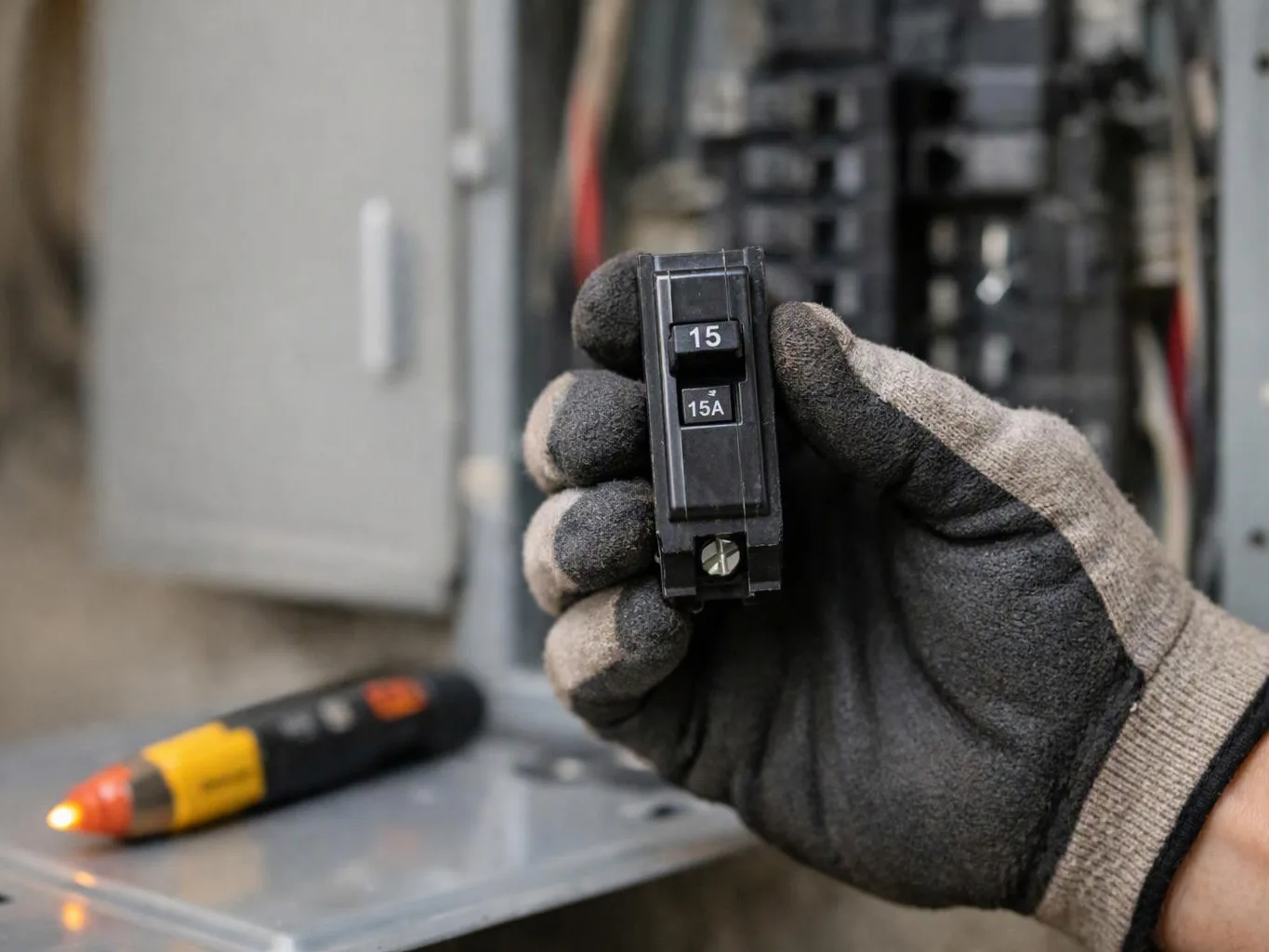
A breaker replacement is appropriate when testing shows the breaker has failed or no longer protects the connected circuit correctly. We first check the load, wiring, connections, and equipment so the replacement matches the fault. Replacing a breaker without tracing the circuit can leave the underlying problem in place.
Which details should a business provide before the inspection?
The business should provide the affected area, equipment name, recent electrical changes, and any tripping or burning signs. Those details help us plan access and begin circuit tracing at the right point. Photos can help describe visible damage, but they don't replace an on-site inspection of energized commercial wiring.