How are electrical code corrections completed?
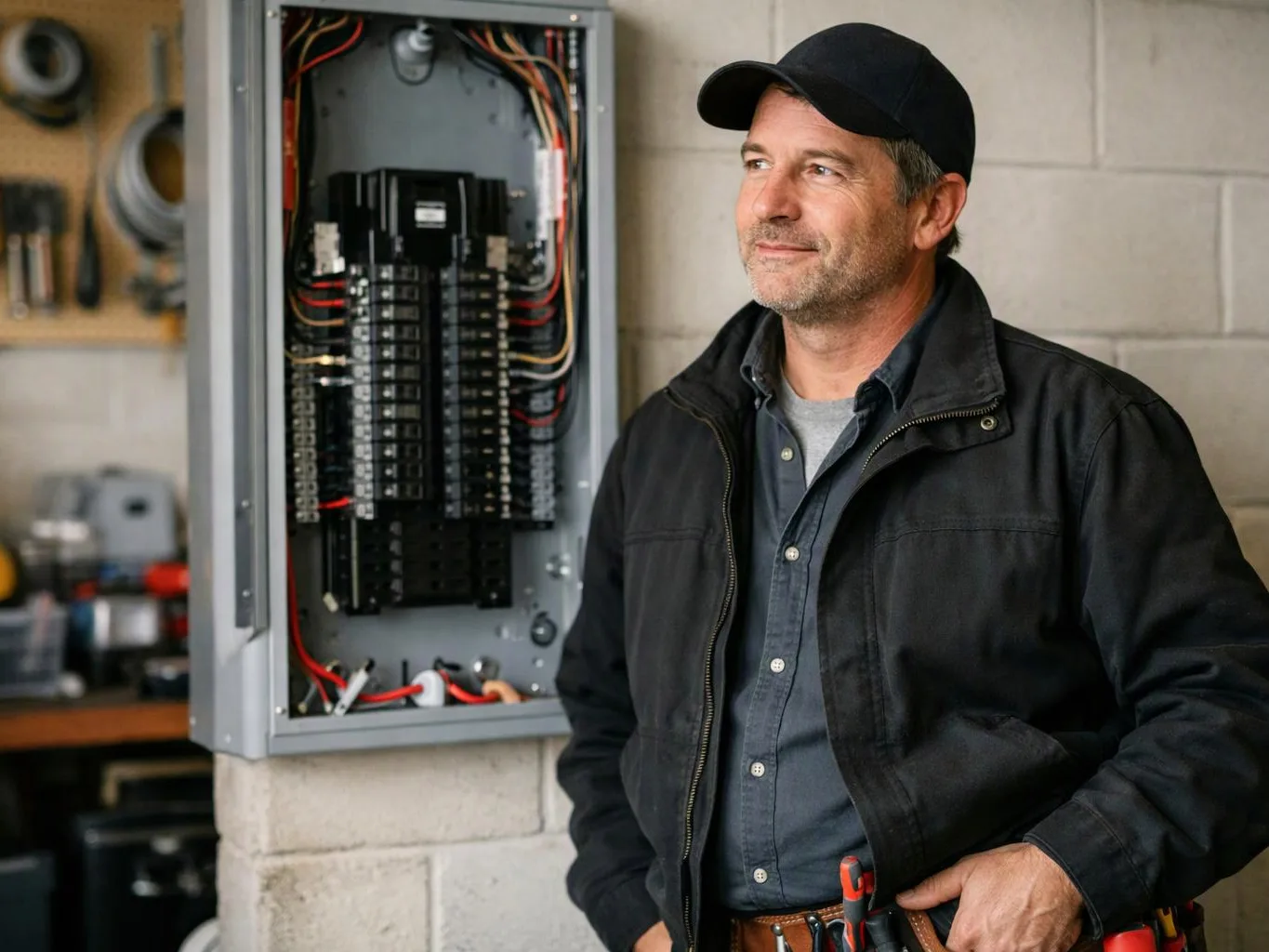
Panel labeling starts the correction process by matching breakers to the circuits they control. Electrician Pittsburgh then traces the affected circuit, checks wiring and connections, and selects the needed repair. The work may include rewiring, GFCI protection, AFCI protection, or conduit installation. We test the corrected circuit and explain the completed scope.
What should I ask before agreeing to electrical code corrections?
The repair scope should identify the affected circuit, the correction, and any separate work it does not include. Ask which wiring and devices will be checked, whether testing follows the repair, and whether access or permit needs affect the job. We explain those points before work starts, so the decision is based on the actual condition.
Which property condition changes the time needed for a correction?
The wiring path changes the time needed when access is limited or circuits are hard to trace. We check panel access, covered wiring, damaged cable, conduit routes, and connected devices before setting the work plan. A focused outlet repair differs from rewiring a concealed circuit because the inspection and repair access are different.
Why does circuit rewiring become part of a code correction?
Circuit rewiring becomes necessary when existing conductors are damaged, exposed, or unsuitable for the required repair. We inspect the cable path and its connections before replacing wiring. The final scope depends on where the defect starts and how much of the circuit must be reached safely.
What does GFCI protection change on a circuit?
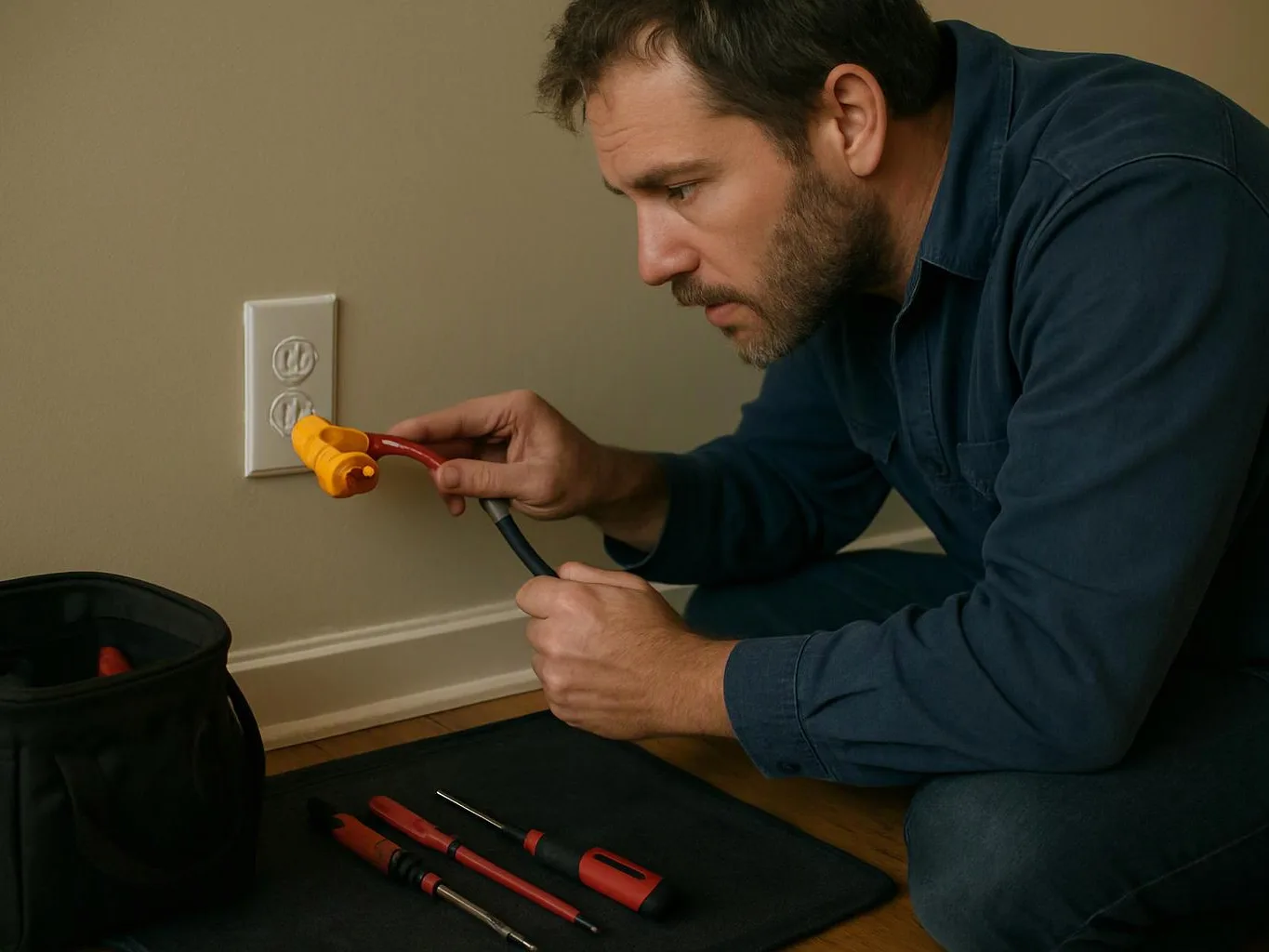
GFCI protection helps shut off power when current leaves the intended path. We check the outlet, upstream devices, wiring, and circuit connections before making the correction. Repeated trips, failed resets, or signs of heat need attention because the device may point to a wiring or equipment problem.
When does conduit installation make sense for exposed wiring?
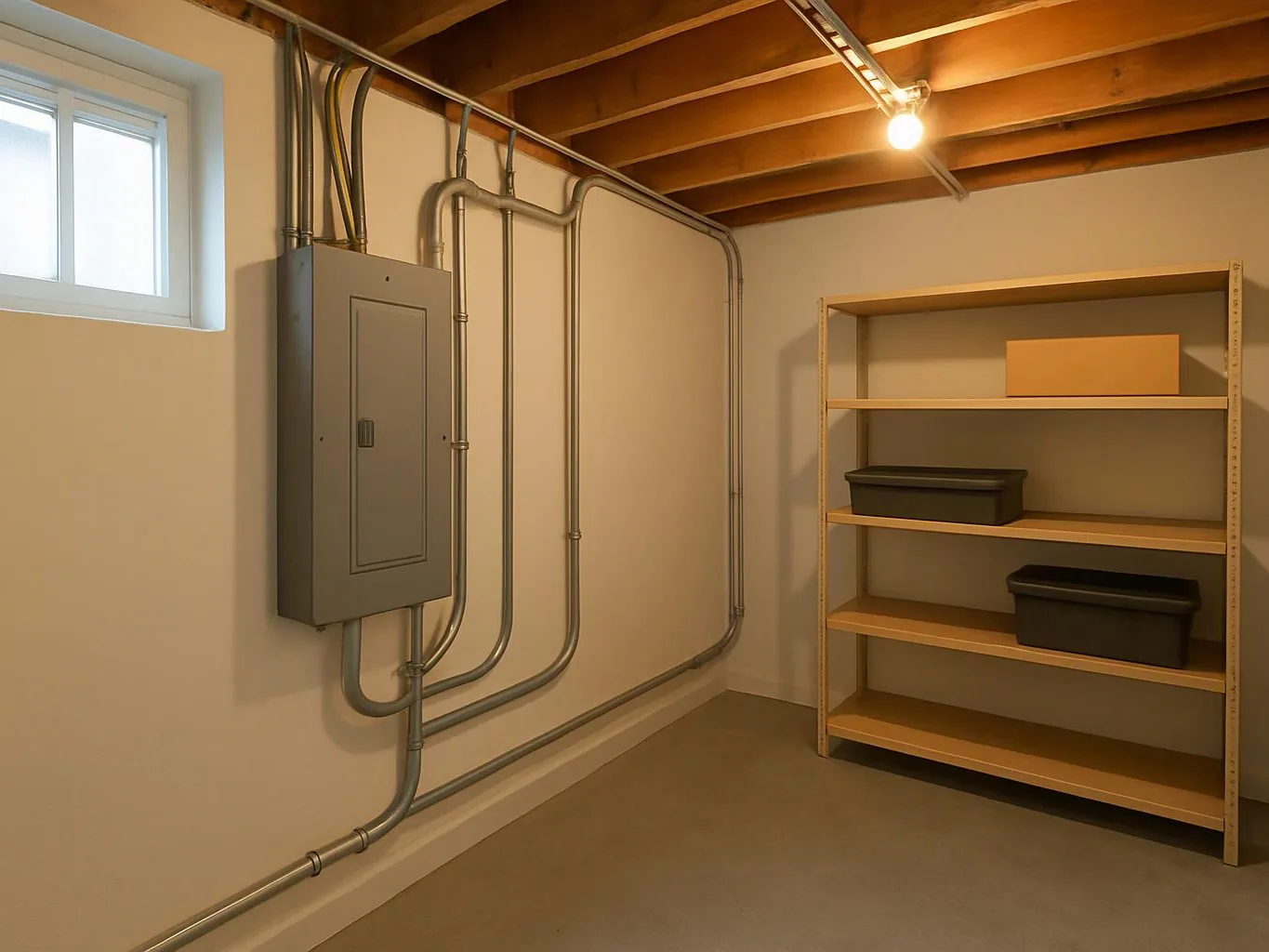
Conduit installation makes sense when wiring needs a protected route through an exposed or vulnerable area. We check the cable type, route, mounting points, and nearby equipment before selecting the repair. The correction must protect the wiring without blocking access to panels, junctions, or devices.
How are corrections matched to the property before work starts?
The property layout, circuit use, panel condition, and wiring access determine the correction. We inspect the affected area and trace the circuit before choosing protection, rewiring, conduit, or related work. Homes, apartments, and commercial spaces can have different access needs, so we explain the fit before starting.