What happens after an electrical safety inspection?
Compliance review leads to an inspection report, hazard ranking, repair recommendations, and follow-up testing when repairs are completed. Electrician Pittsburgh explains which finding needs attention first and what work addresses it. The report does not itself complete repairs, so the next step is to approve the needed repair scope.
How does an electrical safety inspection visit move from the first call to the last step?
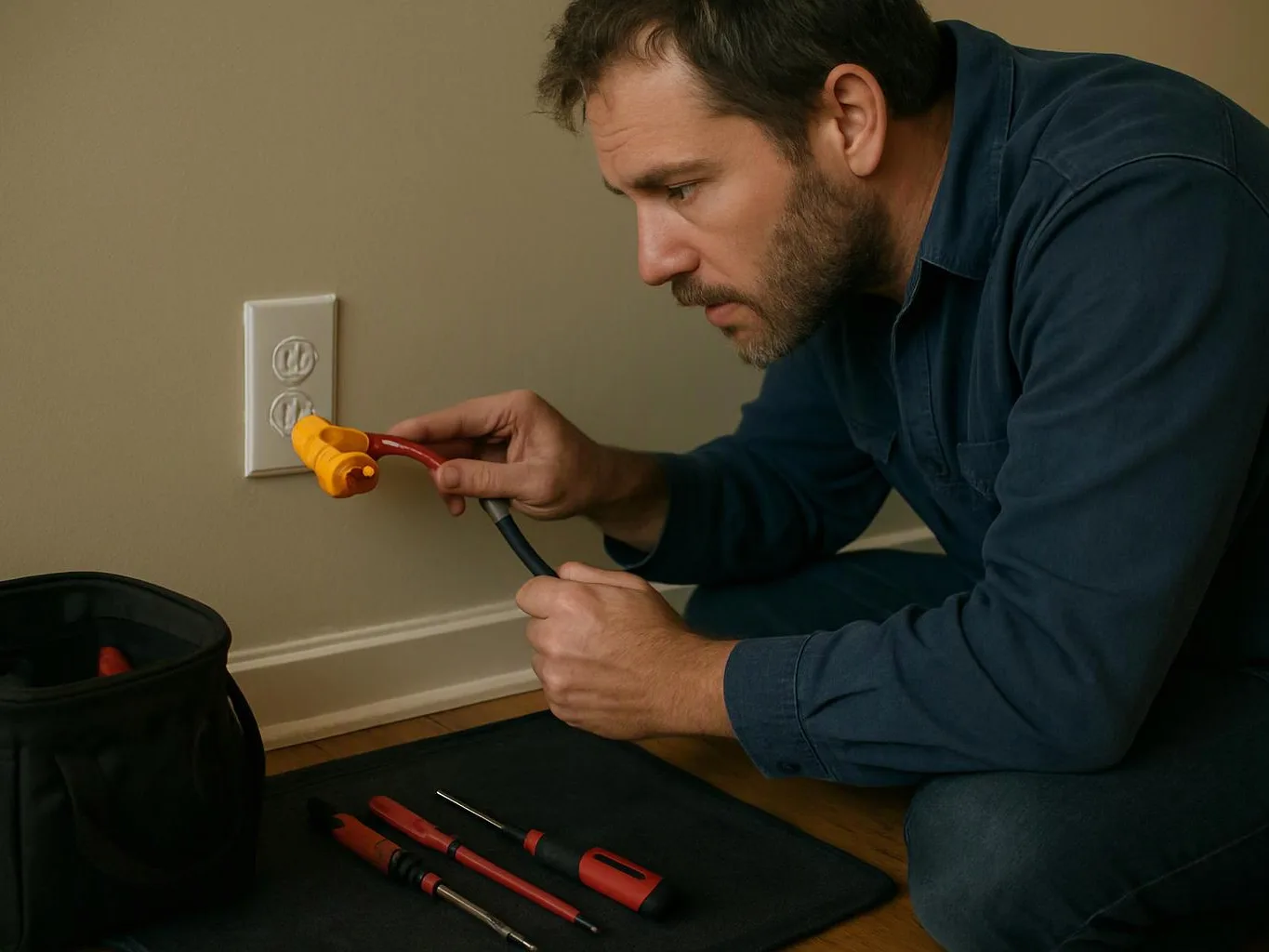
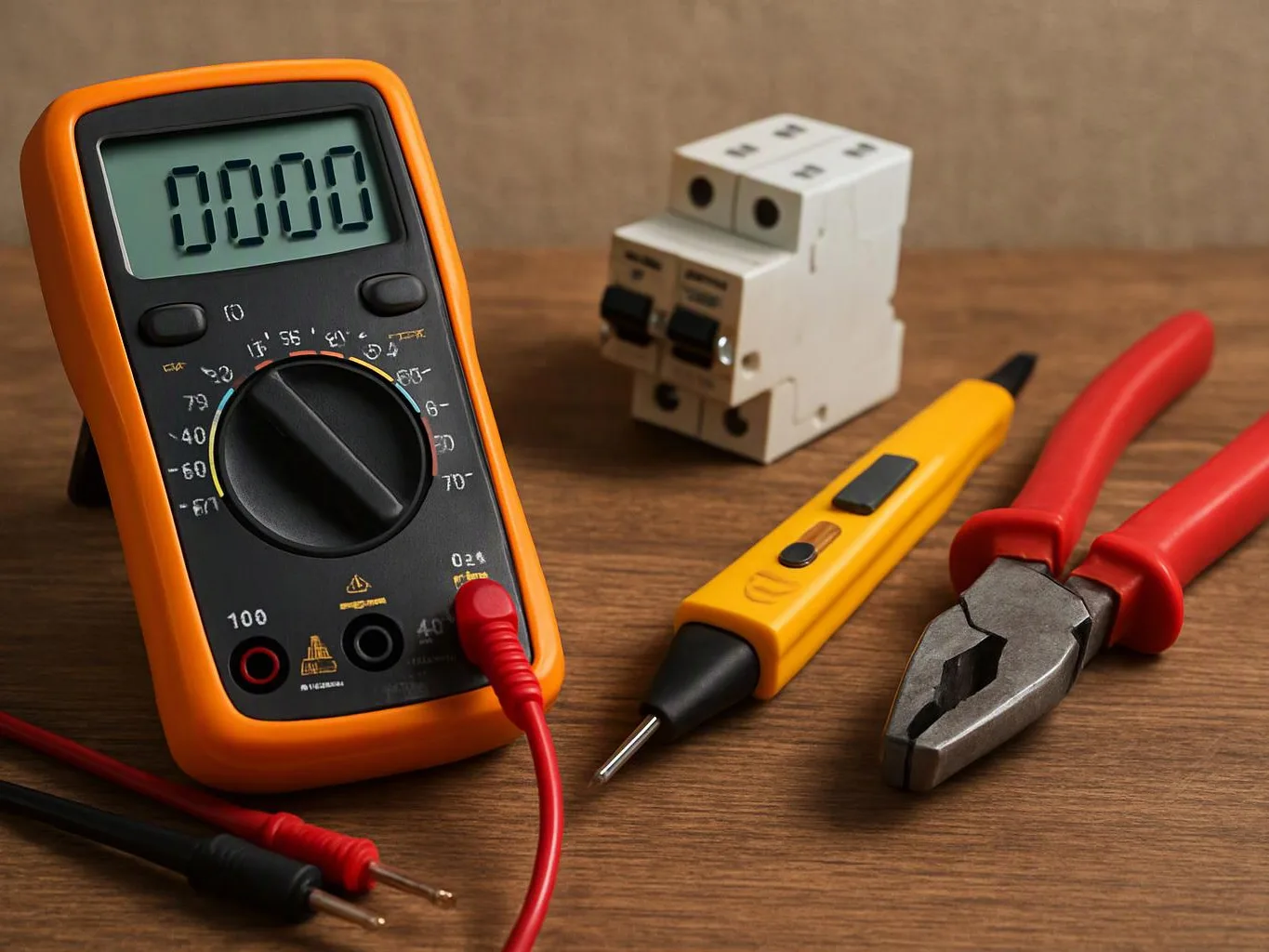
The visit moves from symptom review to testing, findings, repair planning, and verification. We record the warning sign, inspect the panel and circuits, trace the affected path, and explain the results. Follow-up testing checks related repairs, while wider concerns receive a separate recommendation.
Which material changes how long an inspection takes?
Accessible wiring materials affect the inspection time when they require added tracing or closer review. Aluminum wiring, older cable, and two-prong ungrounded outlets can change the checks needed. We inspect the visible system first, then explain whether remediation, rewiring, or further access is appropriate.
How can a customer tell whether an electrical safety inspection fits the property?
An inspection fits when warning signs, planned repairs, a property change, or uncertainty about wiring calls for a system review. Homes and businesses with dead outlets, flickering lights, warm plates, or repeated breaker trips can benefit from documented findings. A simple fixture installation alone may need a different service.
Why does a breaker keep tripping after it is reset?
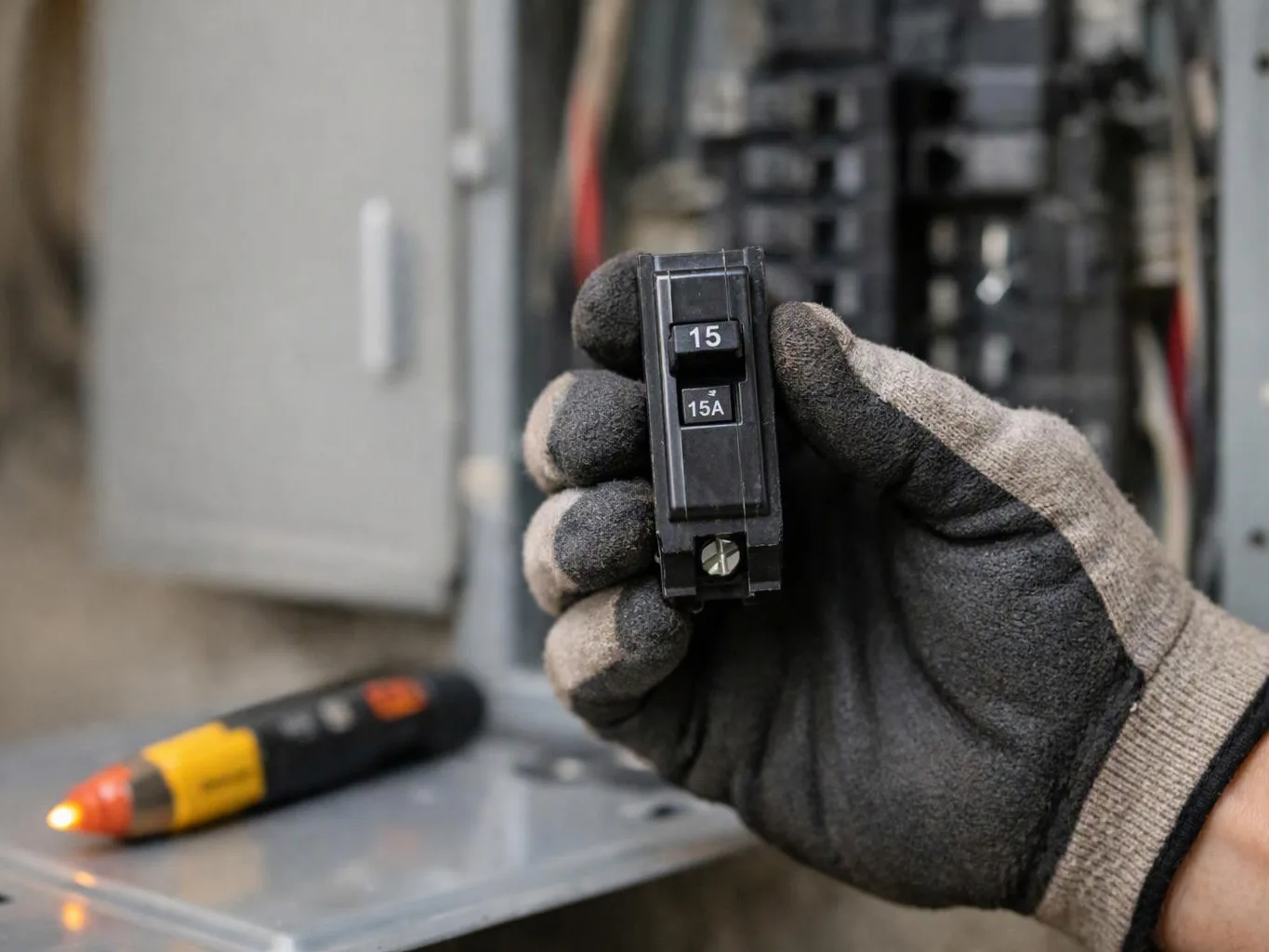
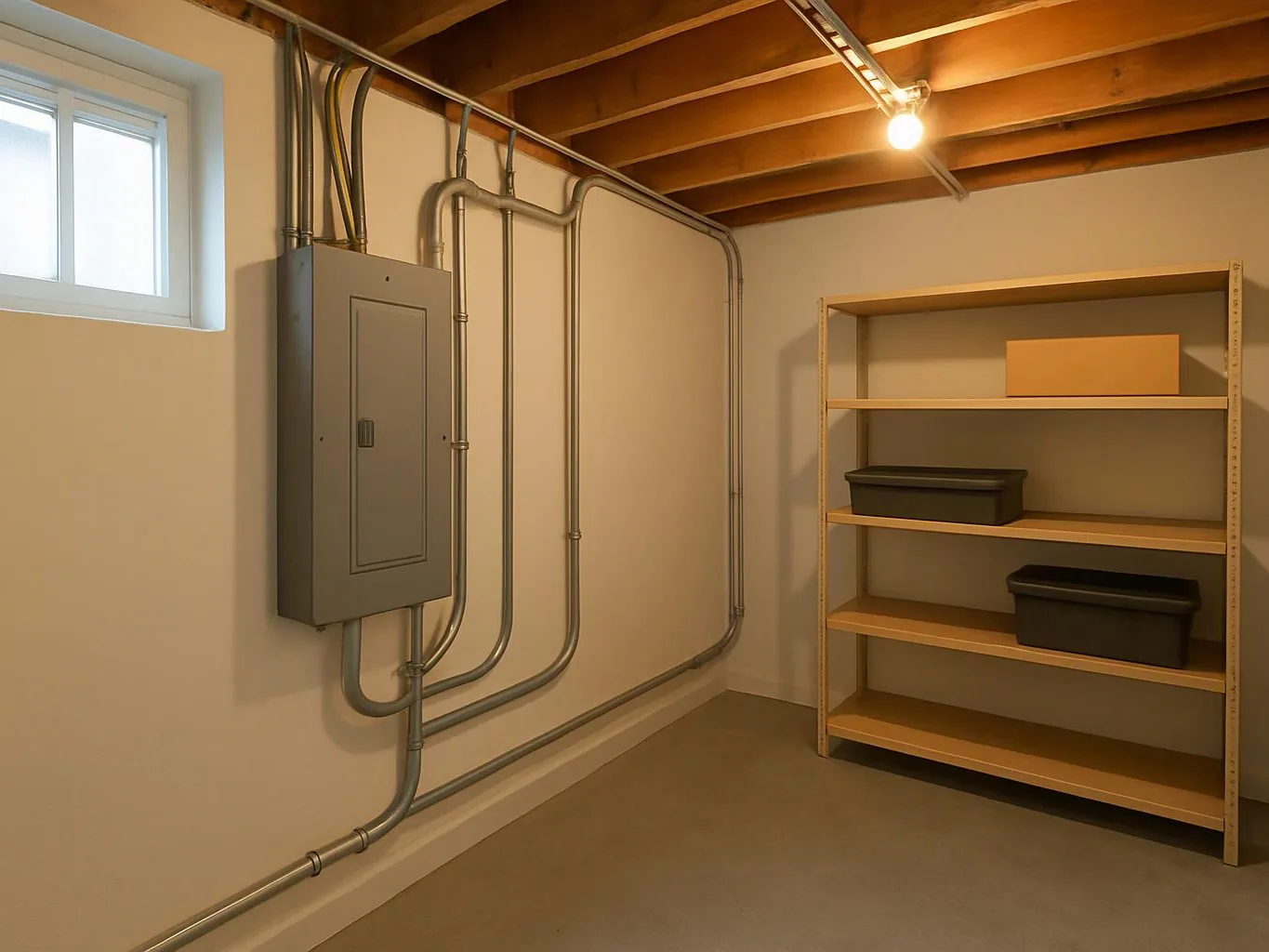
Repeated trips often point to an overloaded circuit, damaged wiring, a connected fault, or a weak breaker. We inspect the panel and trace the affected circuit instead of treating the reset as a repair. Stop using the circuit if burning smells, heat, or sparking appears.
What information should I give before requesting an inspection?
The property type, affected room, warning sign, recent electrical change, and panel location help us prepare for the inspection. Photos can help explain a visible issue, but they do not replace hands-on testing. Tell us about burning smells, buzzing, heat, sparks, or repeated trips first.
Does the inspection check the whole electrical system or one problem?
The inspection scope follows the requested safety concern and the accessible system areas that relate to it. We review the panel, affected circuits, outlets, switches, visible wiring, and grounding as needed. A wider system review can be discussed when one symptom points to broader electrical risk.