What happens after an electrical safety inspection?
Compliance review turns the inspection findings into an inspection report and repair plan. We rank hazards, explain repair recommendations, and identify follow-up testing when needed. Electrician Pittsburgh discusses the results before work begins, so you can decide whether to address an urgent concern, plan a repair, or request a broader electrical project.
What should be checked before an electrical safety inspection is scheduled?
Property access, reported symptoms, and the inspection purpose should be clear before scheduling. Share details about flickering lights, dead outlets, a buzzing panel, warm switch plates, or repeated breaker trips. Clear access around the panel and affected rooms, but don’t remove covers or handle damaged wiring yourself.
Who is a good fit for an electrical safety inspection?
Homeowners, landlords, property managers, and business owners are good fits when they need a broad safety review. The service also helps before renovations, equipment changes, or a property decision. A single known fault may call for troubleshooting or repair instead, especially when the customer already knows which circuit has failed.
What happens at each stage of an electrical safety inspection?
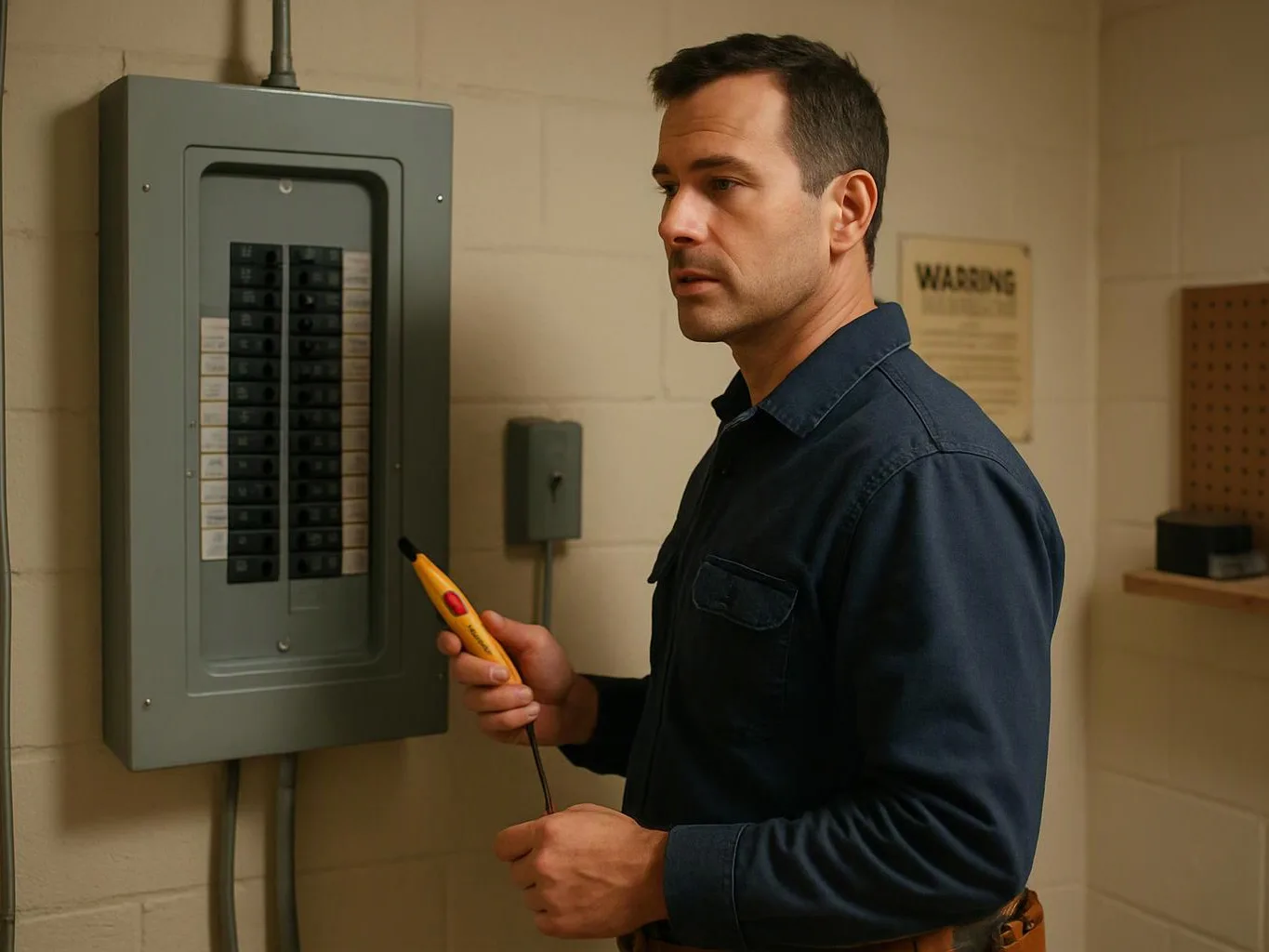
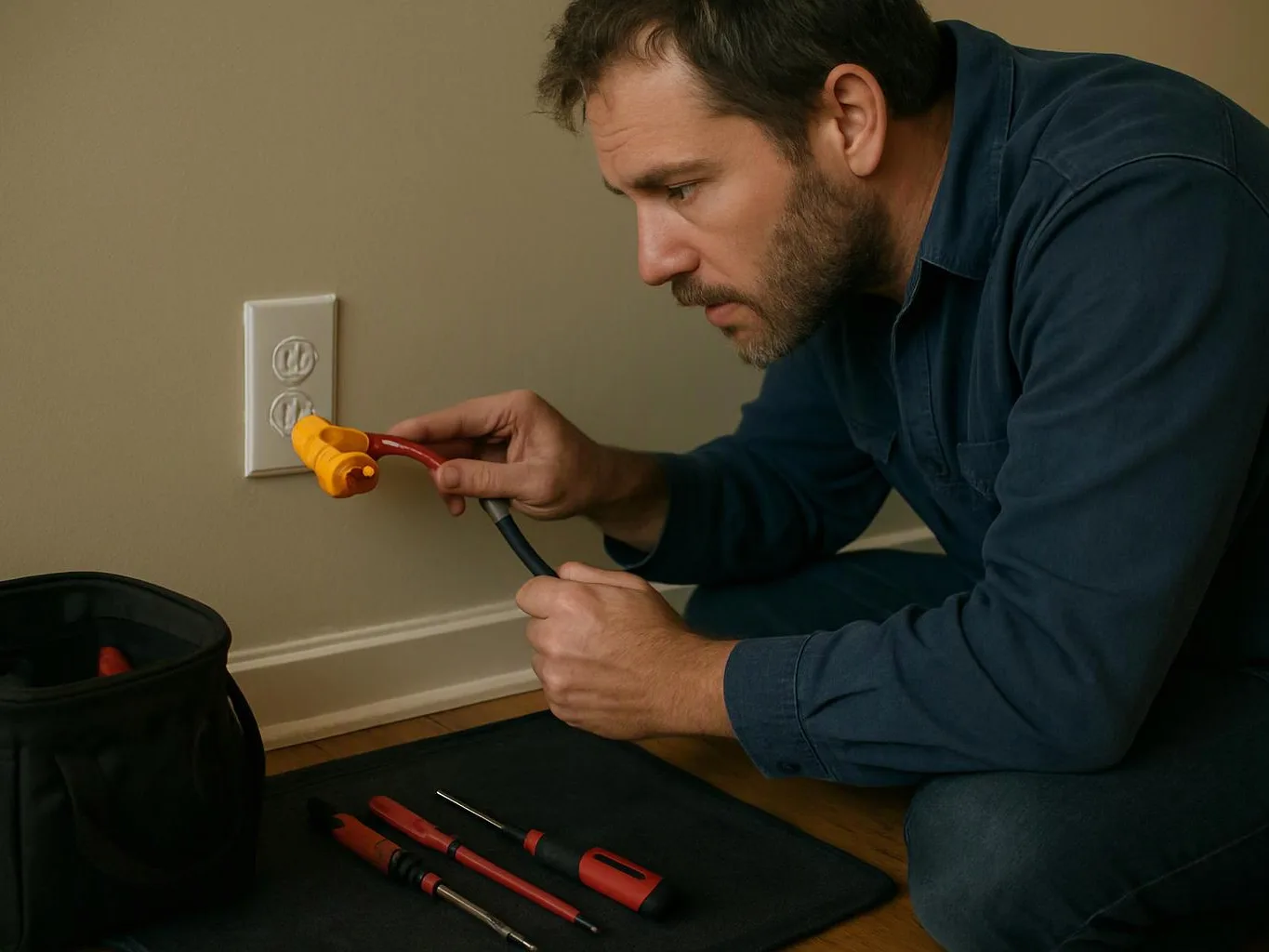
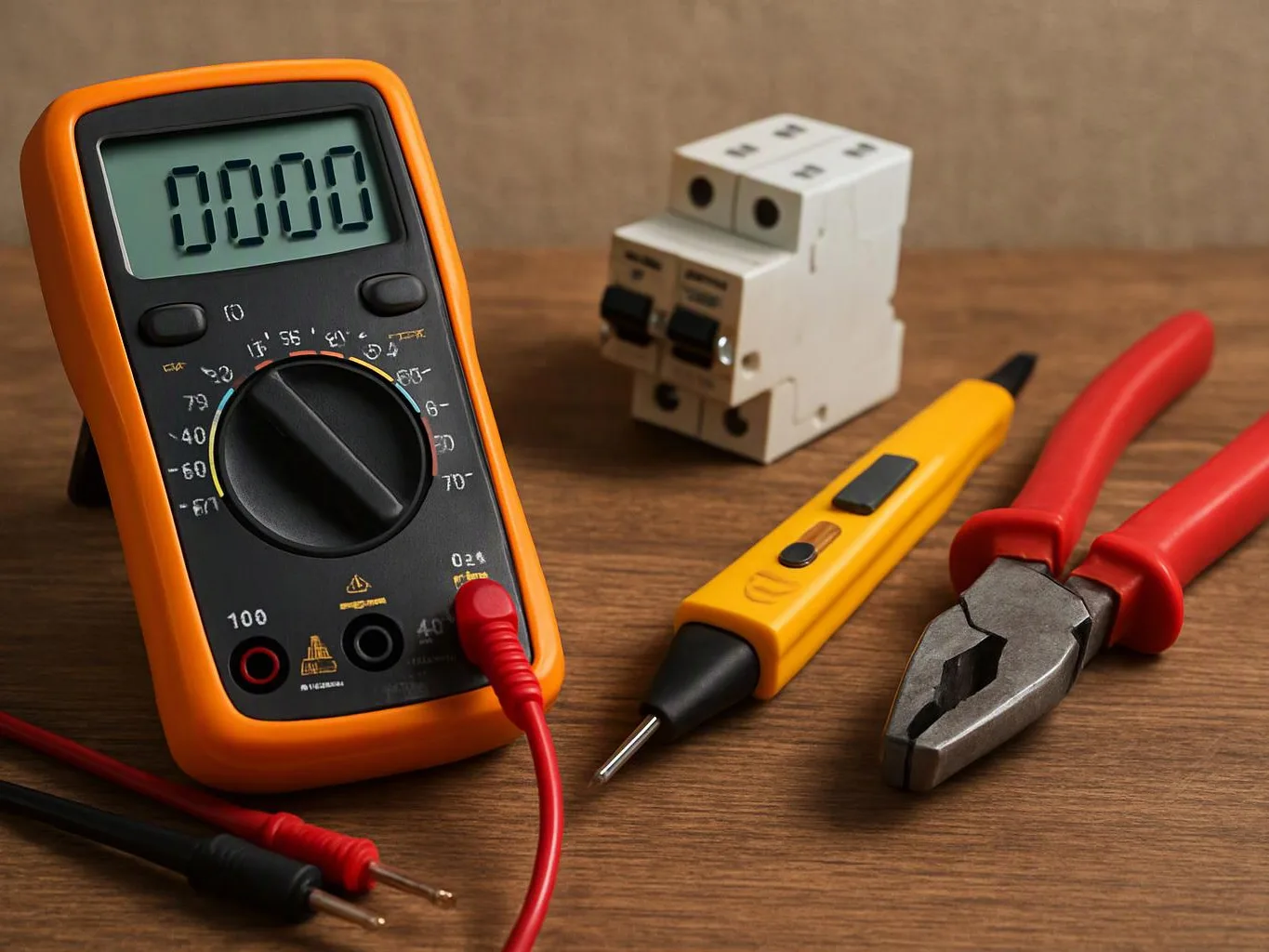
The inspection moves from reported symptoms to component checks, documented findings, repair recommendations, and follow-up testing. We review the property, inspect accessible panels and wiring, rank hazards, and explain the report. Testing after repair confirms the affected component works as intended.
Which findings usually lead to a panel upgrade?
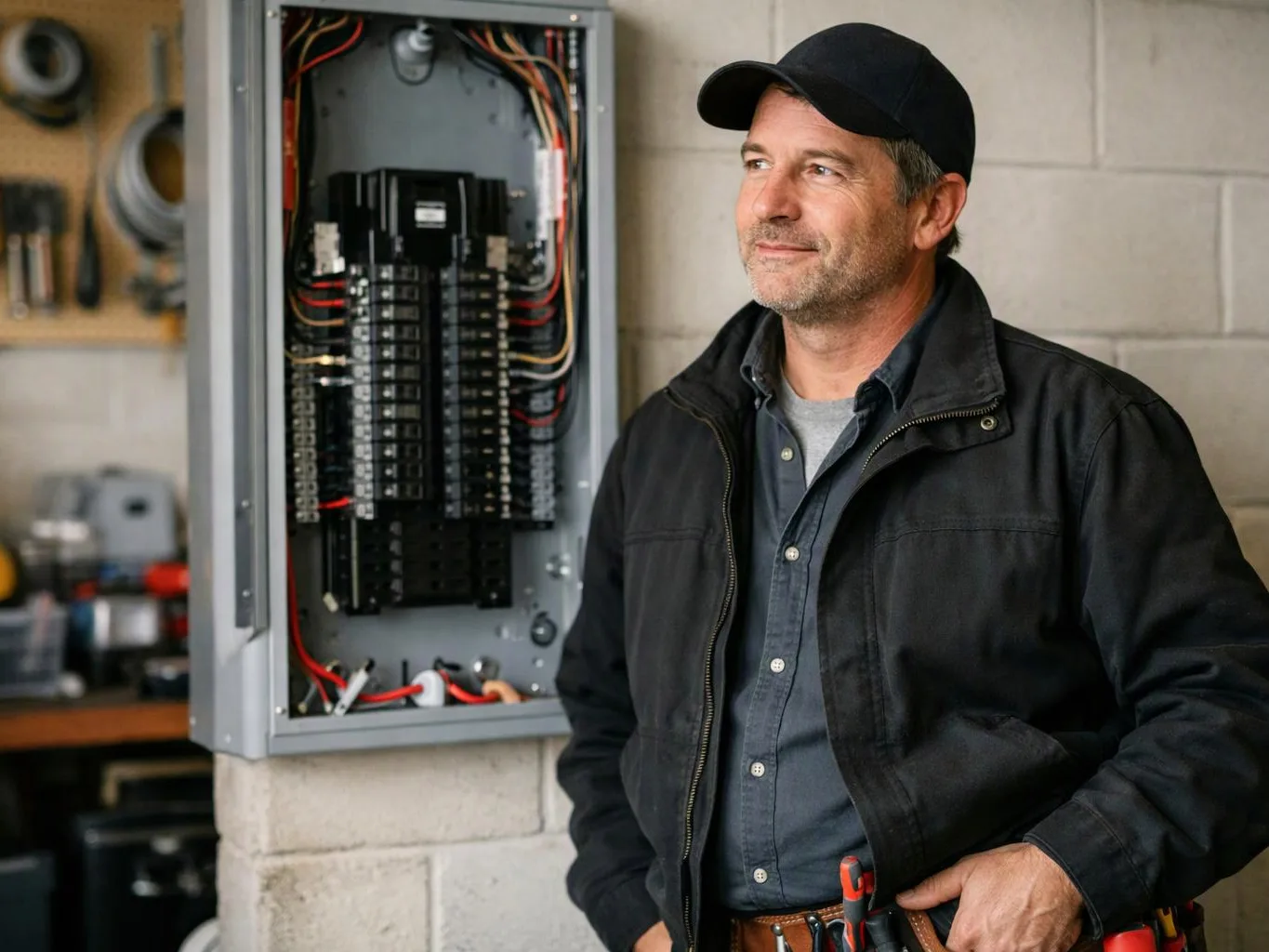
A panel upgrade becomes a consideration when the existing service cannot support planned loads or shows damage that repair cannot address. We review breaker condition, available capacity, service conductors, grounding, and the planned equipment. A load calculation helps define the scope before any upgrade work is proposed.
How does circuit tracing help with repeated electrical problems?
Circuit tracing identifies which outlets, switches, lights, or equipment share the affected circuit. We use that path to check for overloads, damaged wiring, loose connections, or a faulty device. The result helps separate a circuit repair from a breaker replacement or a larger rewiring recommendation.
When should an inspection finding become an urgent repair?
A burning smell, sparking outlet, buzzing panel, or warm switch plate calls for prompt attention. Stop using the affected area when it is safe to do so, and avoid opening electrical equipment. We assess the condition, isolate the concern when appropriate, and explain the repair needed to make the system safe.