How often should remodeling work include an electrical safety inspection?
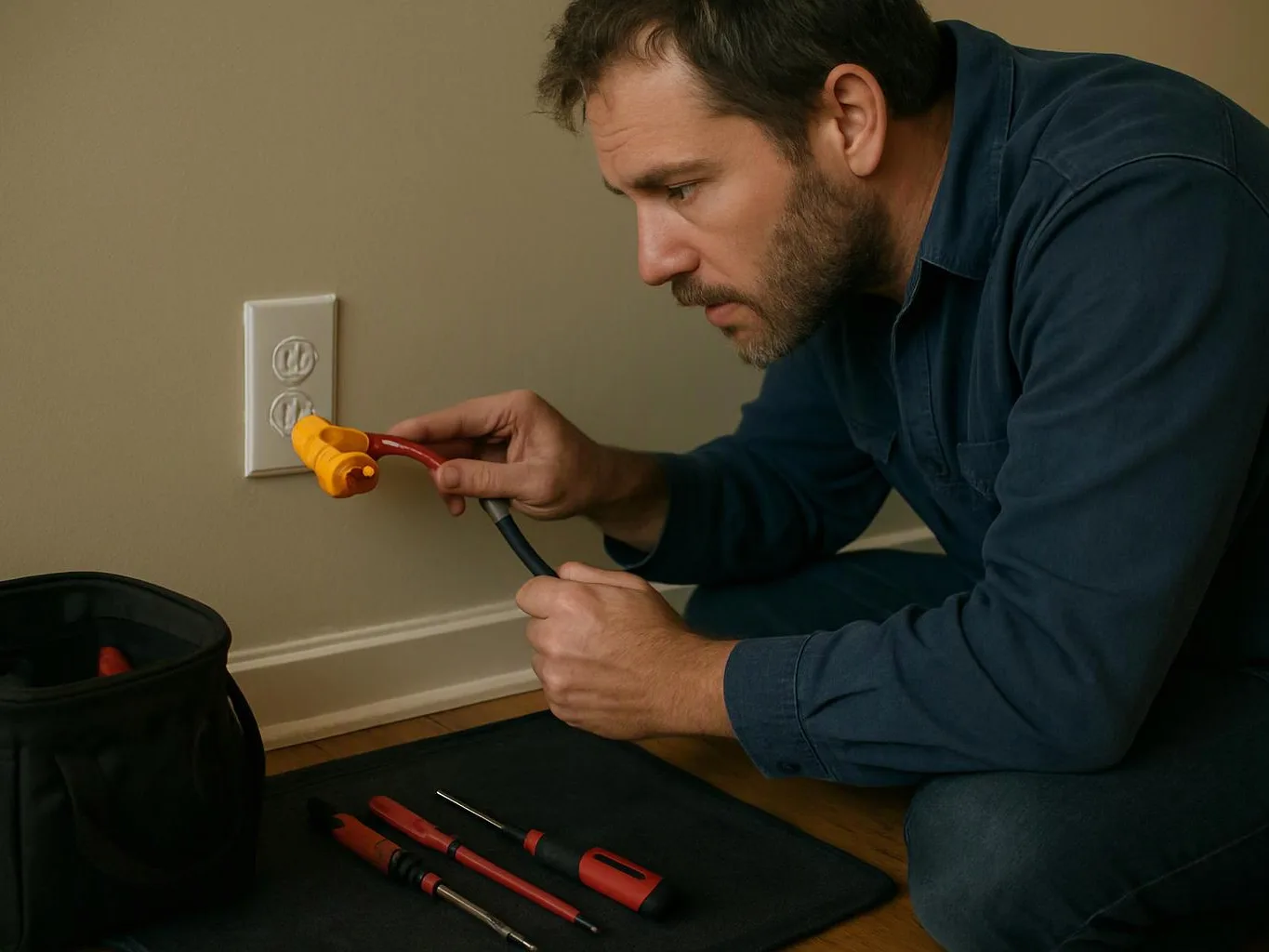
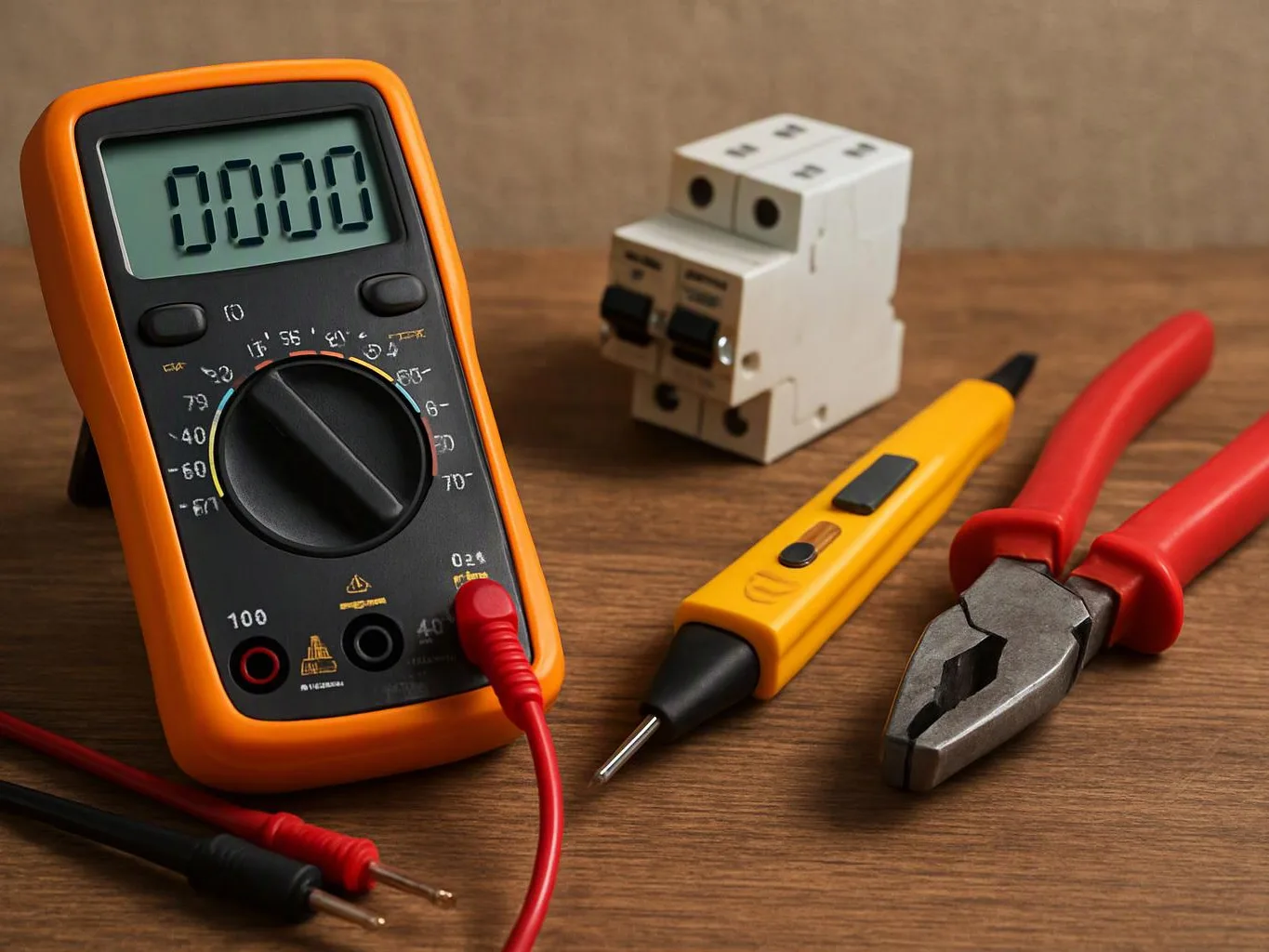
Remodeling work should include an electrical safety inspection before new circuits, fixtures, or walls change access to the existing system. Electrician Pittsburgh checks the current panel, wiring, grounding, and planned load before work proceeds. A new inspection also makes sense after major electrical changes, repeated breaker trips, or a property transfer. The right timing follows the project scope and the system's visible condition.
Which condition changes the time needed for the inspection?
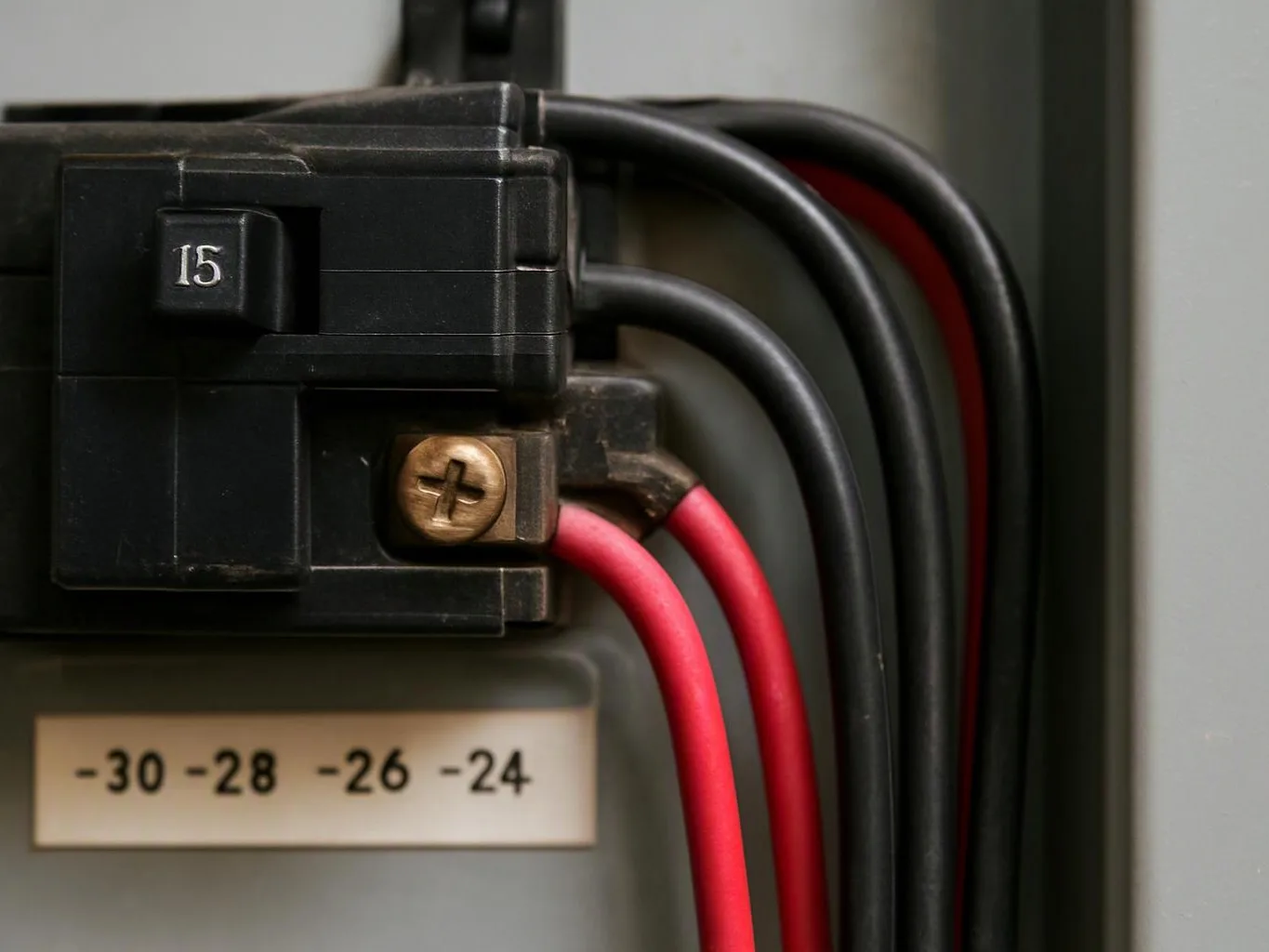
Limited panel access, concealed wiring, repeated faults, and unclear circuit paths make the inspection more involved. We may need circuit tracing when outlets or lights do not match the breaker labels. Remodeling plans can also add review work if new equipment changes the expected load. Keeping the panel and affected rooms accessible helps us assess the system properly.
What should be ready before the inspection starts?
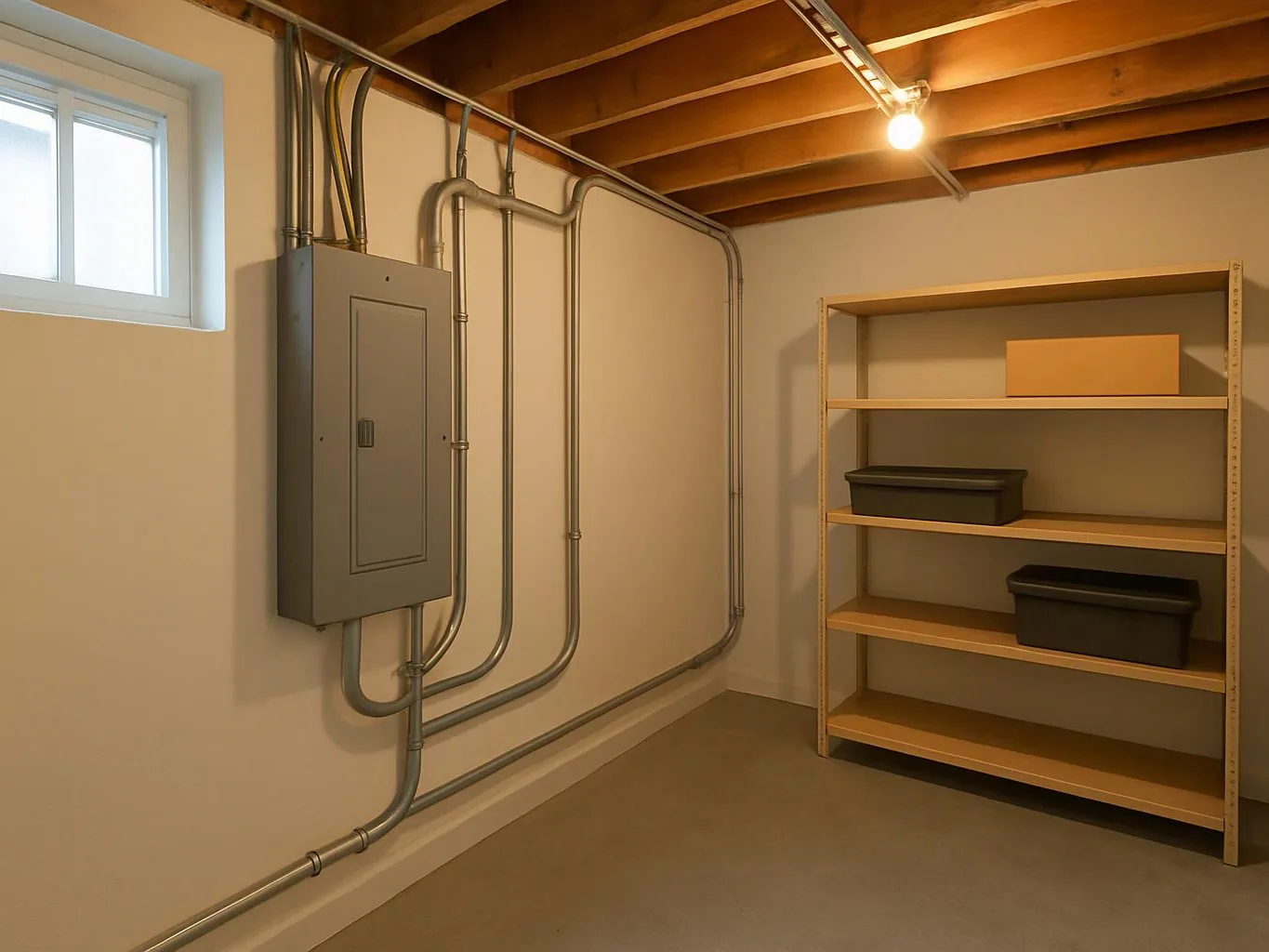
Access to the panel, affected outlets, switches, fixtures, and planned remodeling areas should be ready before testing begins. Written details about flickering lights, dead outlets, or breaker trips also help us focus the review. Move stored items away from electrical equipment, and do not remove covers or handle damaged wiring yourself.
Why does an electrical inspection differ from troubleshooting?
An electrical inspection reviews the system for safety concerns, while troubleshooting follows a known symptom to its cause. We can combine both when a remodeling plan includes flickering lights, a dead outlet, or repeated breaker trips. Repairs and upgrades are separate work, so the inspection explains what those next steps involve.
What does circuit tracing add to the inspection?
Circuit tracing identifies which breaker, connections, and devices serve the affected outlet, switch, or fixture. We use it when labels are unclear or a symptom appears in more than one place. The result helps us target a repair and assess whether planned remodeling loads belong on a separate circuit.
When should a property owner request an urgent electrical visit?
A burning smell, sparking outlet, buzzing panel, or exposed wiring calls for urgent electrical attention. Stop using the affected equipment and keep people away from damaged parts. We handle urgent electrical calls and can explain whether the immediate need is isolation, repair, or a broader safety inspection.
Can a homeowner perform this electrical work without an inspection?
Homeowners should not alter wiring, panels, or circuits when they cannot verify the system is safe. We inspect the work area, existing connections, and planned load before repairs or upgrades. A handyman may not be suited to panel work, circuit changes, or grounding concerns, which require electrical knowledge and careful testing.