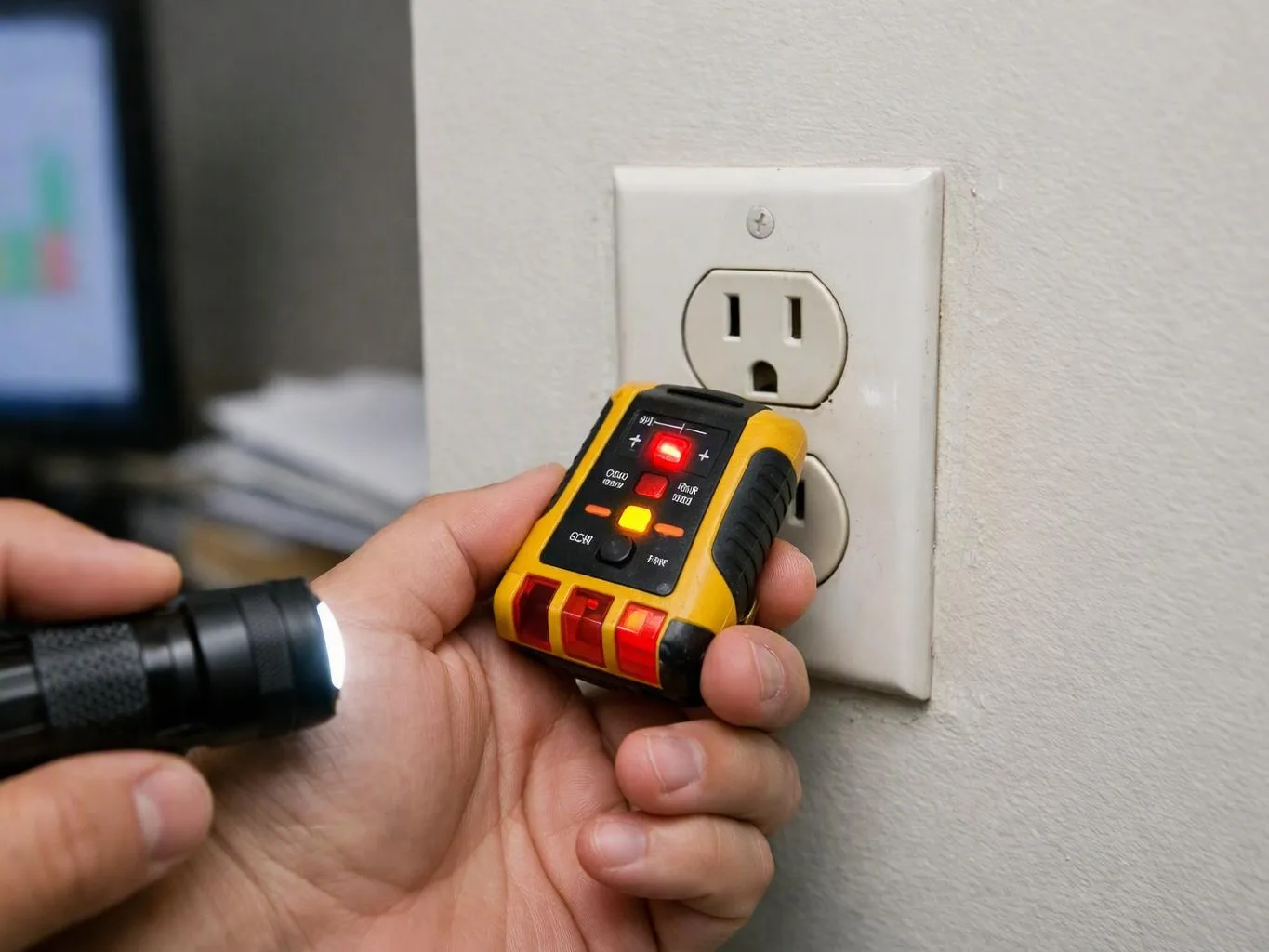
Review the property and power needs
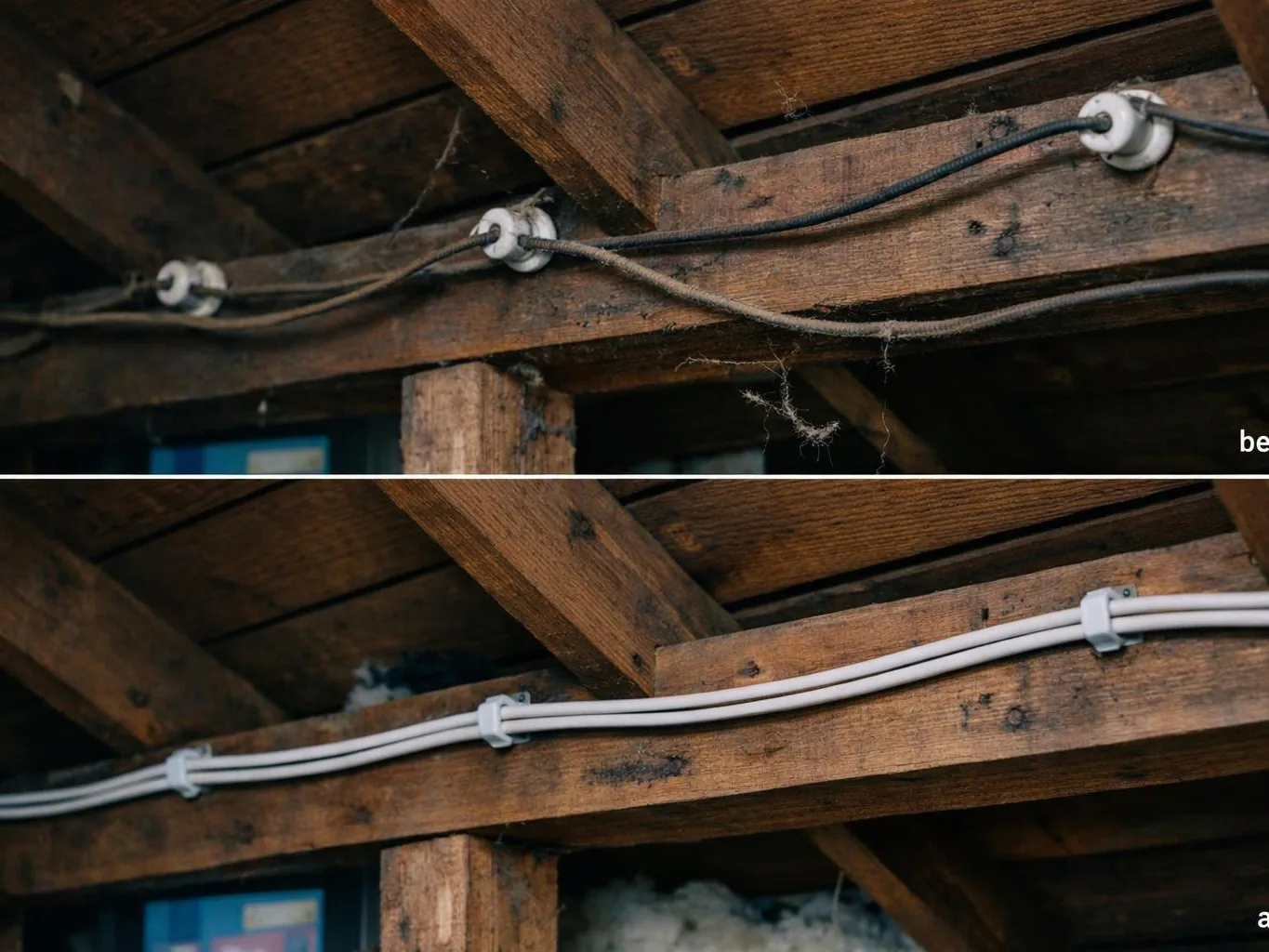
We identify the circuits that matter during an outage and inspect the electrical panel, service entrance, grounding, and proposed generator location.
We install backup generators for homes and businesses in Pittsburgh. Our team checks the electrical system before connecting generator power.
Selected circuits can keep operating during a utility outage.
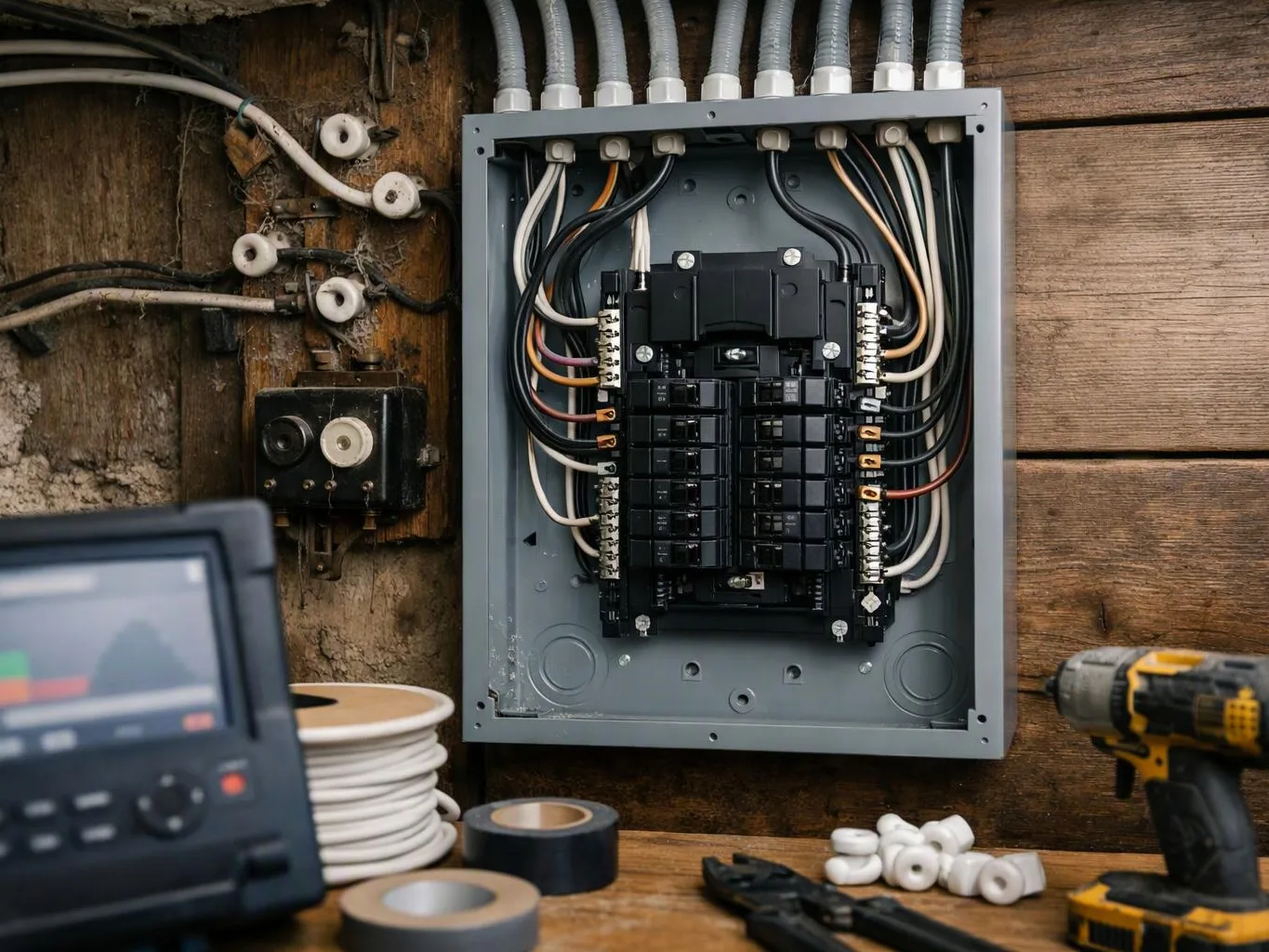
A transfer switch separates generator power from utility power.
Load planning helps match generator capacity to the property.
Testing confirms that power reaches the intended circuits.
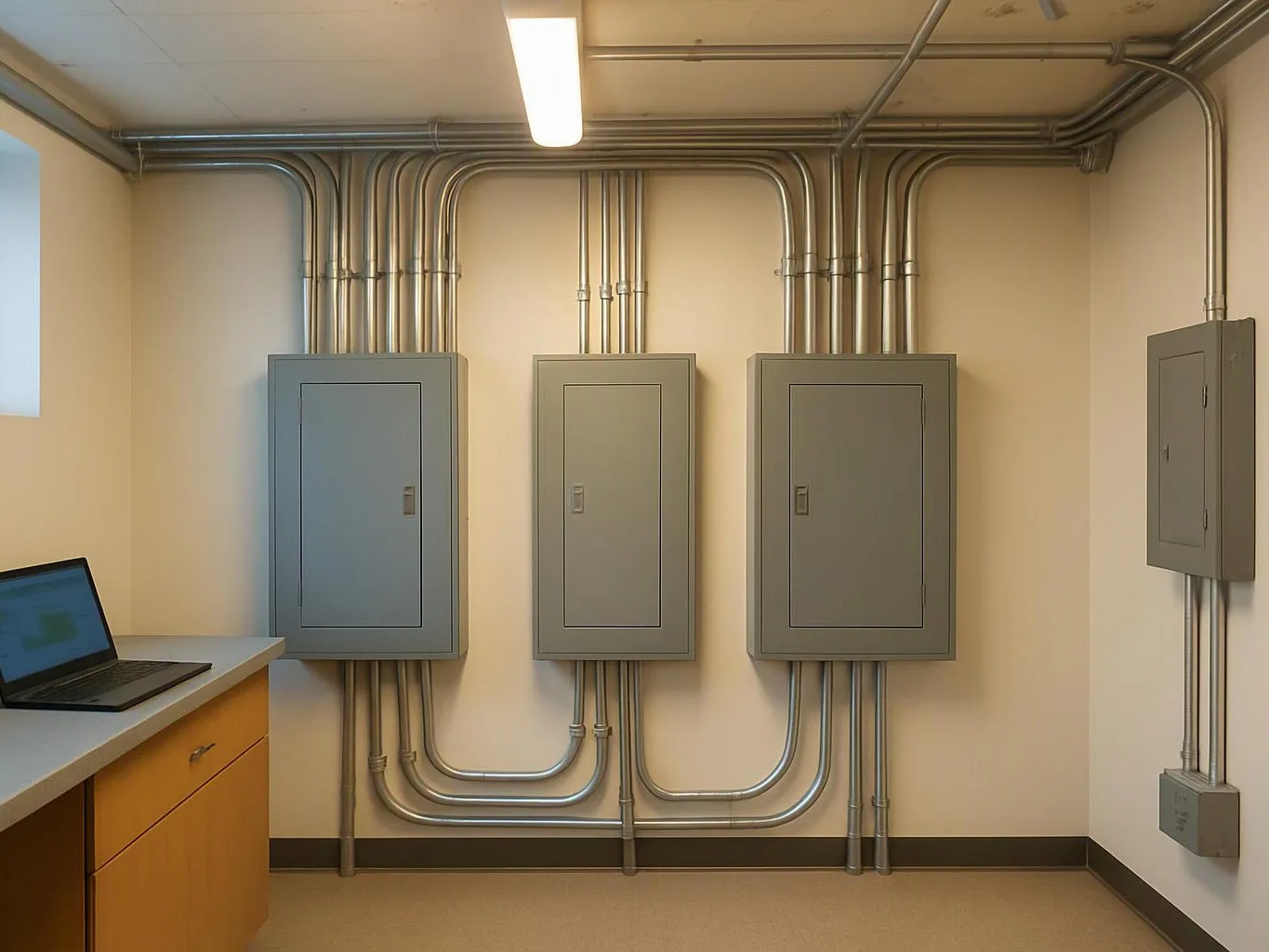
Generator installation links backup power equipment with selected property circuits. The work can include a site review, load calculation, transfer equipment, panel connection, grounding, wiring, and testing. The generator size must match the electrical demand it serves. A small system may support selected circuits, while a larger system may support more of the property. We review what you need powered before recommending a setup. Cost rises when the generator sits far from the electrical panel, the wiring path is difficult, or the existing service needs changes. Fuel connections, transfer equipment, trenching, permits, and panel work can also affect the quote. We provide free estimates and offer financing or payment plans. We don't recommend paying for capacity you won't use. A clear load review helps focus the budget on essential circuits, such as refrigeration, heating controls, sump equipment, or medical devices.
Generator Installation is an electrical service that connects backup power equipment to a property's circuits.
A few details help us plan the generator connection around your property and power needs.
We identify the circuits that matter during an outage and inspect the electrical panel, service entrance, grounding, and proposed generator location.
We compare the planned circuits with the generator's available capacity. This step guides equipment selection and helps avoid unnecessary capacity.
We select the transfer equipment and map the wiring path between the generator, panel, and chosen circuits.
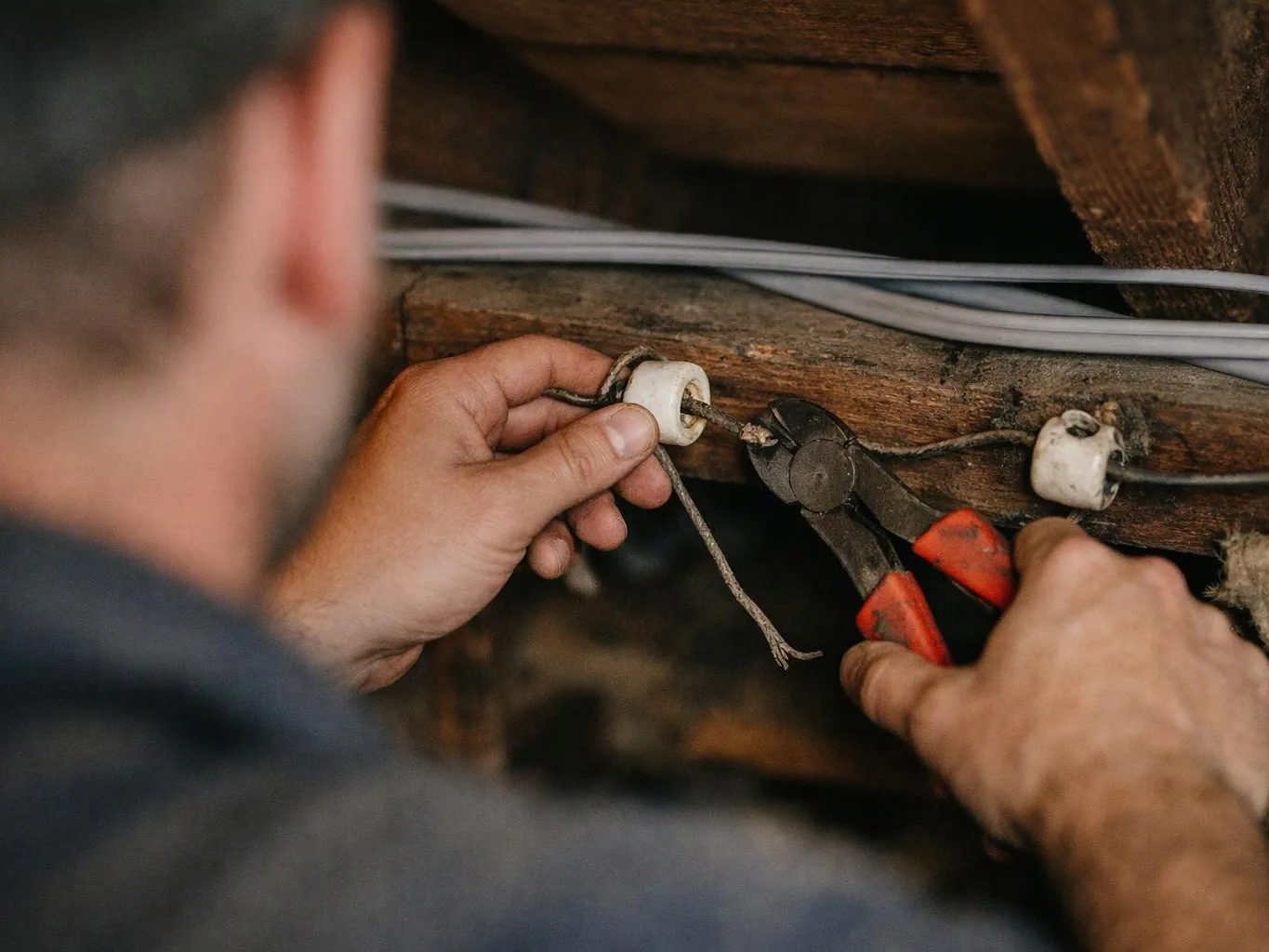
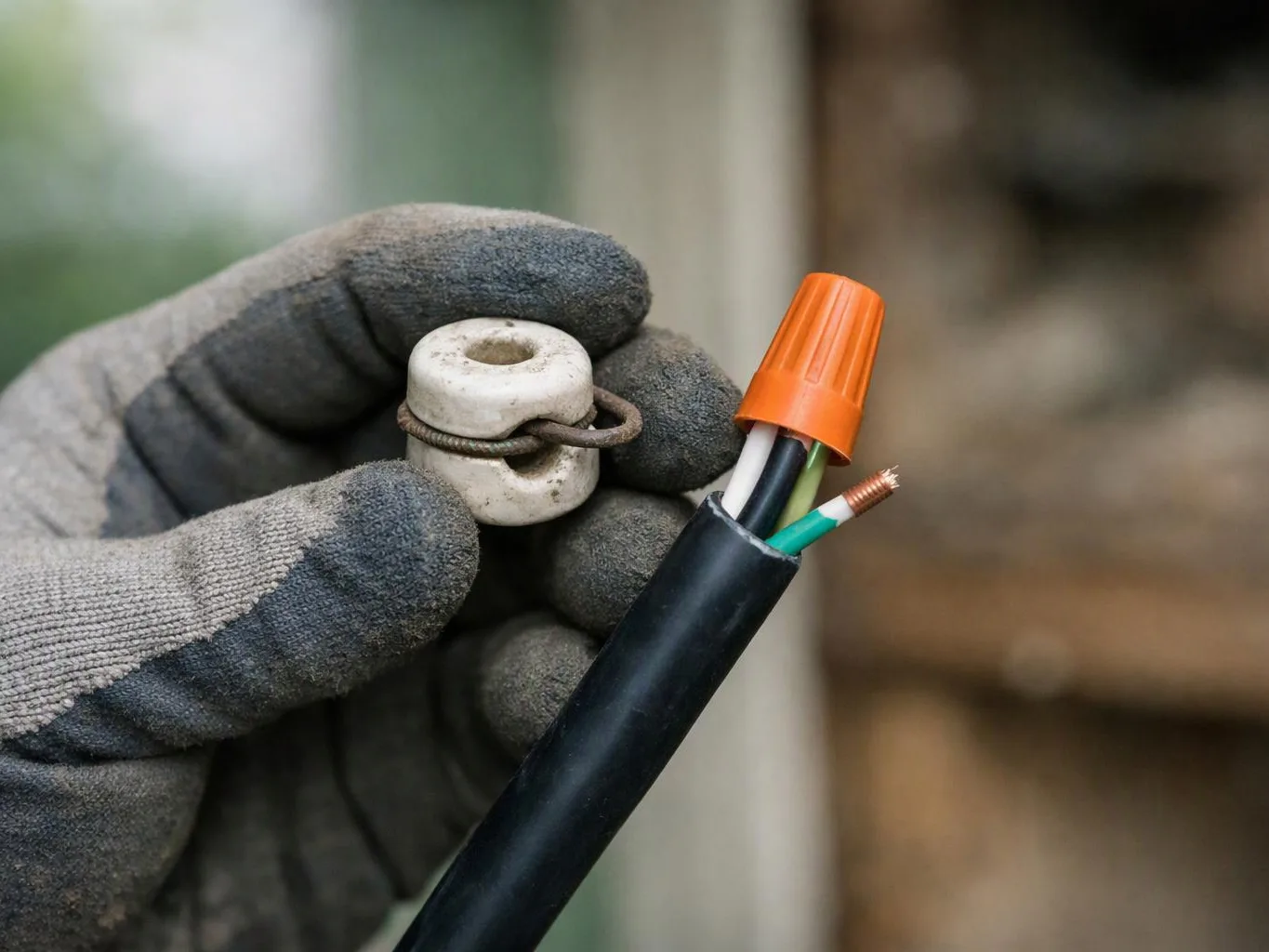
Our electricians connect the transfer equipment, generator conductors, grounding, and panel circuits according to the approved work plan.
We test the transfer sequence, circuit power, grounding, and system response. We explain the finished setup before the work is complete.
We inspect the generator, panel, transfer equipment, and selected circuits before recommending the installation plan.
We test transfer operation, grounding, circuit power, and system response before handing over the connected backup setup.
We trace faults in existing generator connections before proposing changes to wiring, controls, or panel circuits.
Tell us about your property and backup power needs, and urgent requests get priority scheduling.
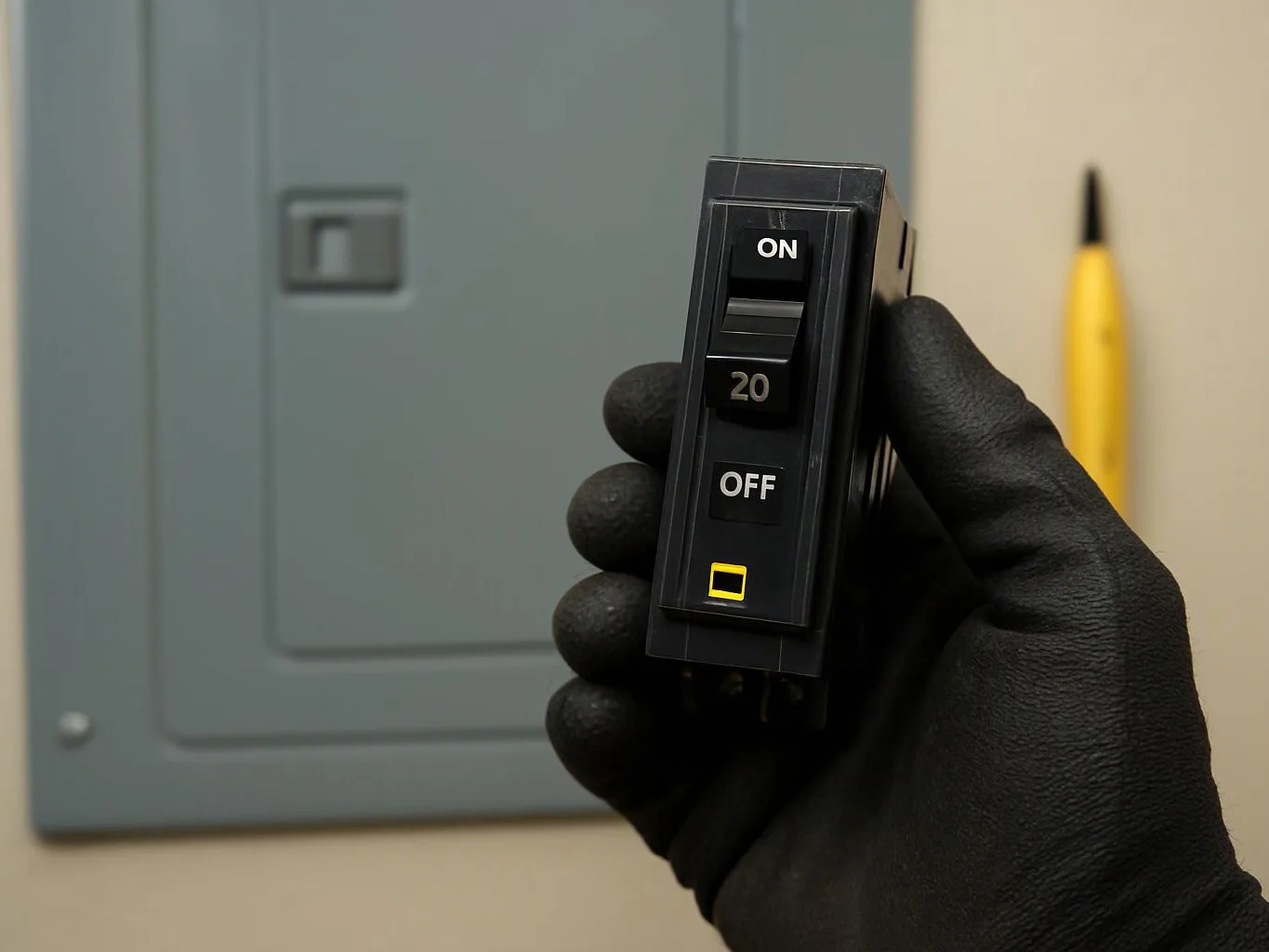
A homeowner may want refrigeration, heating controls, and sump equipment to keep running during an outage. The main decision is whether selected circuits or a larger portion of the property needs backup power. We review the load, panel, generator location, and transfer equipment before preparing a quote.
A generator can run while the house remains without power if the transfer switch or panel connection has a fault. We trace the connection, inspect the wiring, and test the circuits that should receive backup power. Share the generator details and the affected circuits when requesting service.
A business may need backup power for refrigeration, security equipment, network gear, or other key loads. The installation must match the electrical demand and the building's panel setup. We review the needed circuits and access conditions, then explain which equipment and wiring the quote includes.