
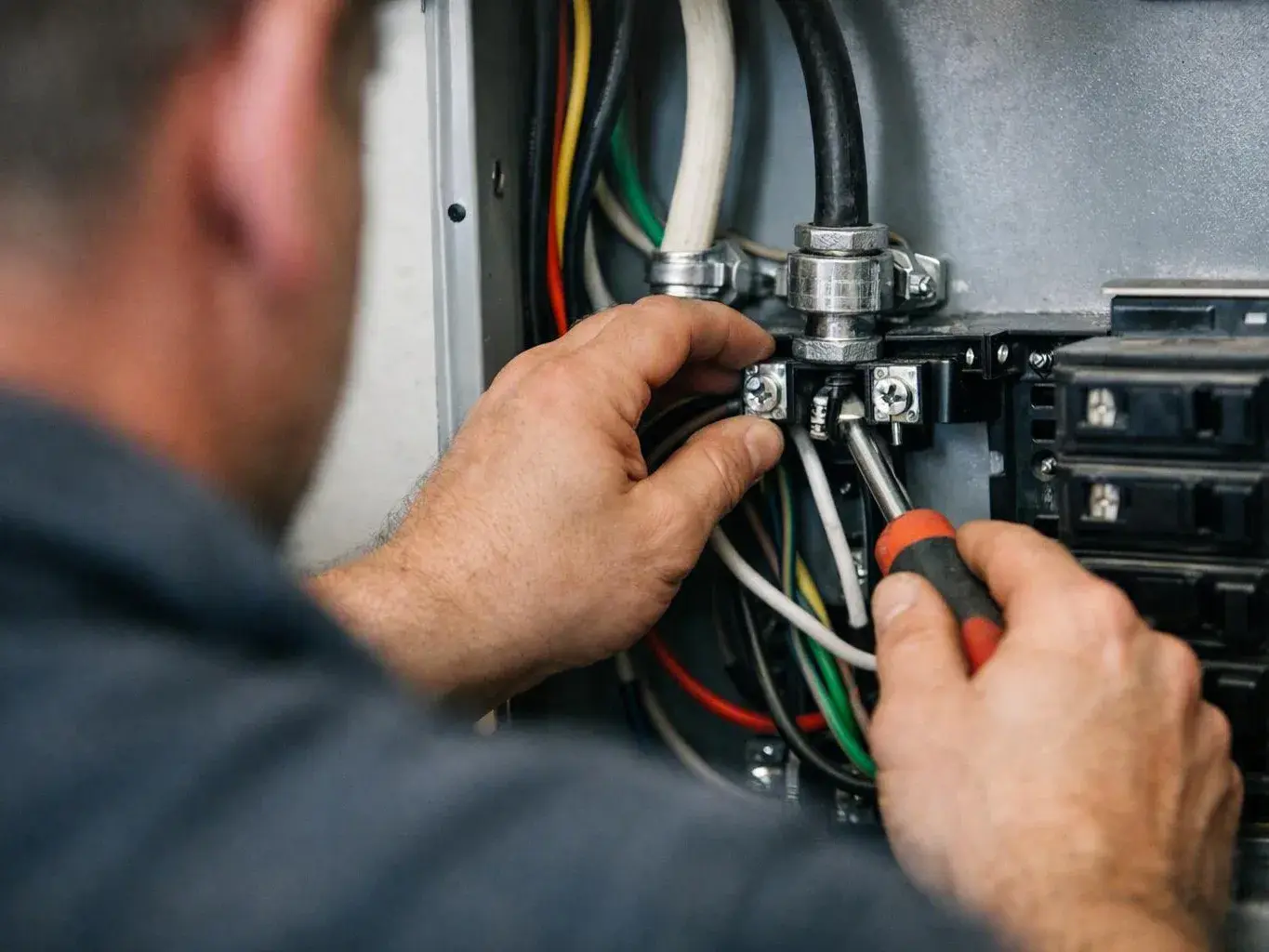
Bonding and GFCI Survey
We start with bonding points, GFCI devices, and the full pool circuit path. That step finds shock risks early and shows where code corrections are needed.
Pool wiring needs careful bonding, GFCI protection, and code checks. Warm, wet summers and old housing stock can raise the stakes.
Safer pool use around water and metal parts
Better protection for pumps, heaters, and lights
Cleaner fault tracing for urgent pool outages
Useful for older Pittsburgh homes with dated panels
Helps after storms and heavy summer moisture
Supports pool upgrades without guesswork
Pool Electrical Wiring is an electrical service that powers pool equipment safely.
According to Pool & Hot Tub Alliance (2017), the United States had approximately 10.7 million swimming pools, representing a substantial installed base requiring pool electrical wiring, pump circuits, bonding, and ongoing electrical maintenance.
Source: Pool & Hot Tub Alliance·Year: 2017
Data from Pool & Hot Tub Alliance (2017) shows that about 10.4 million of the approximately 10.7 million U.S. swimming pools were residential pools, making residential pool construction and service the principal addressable market for pool electrical work.
Source: Pool & Hot Tub Alliance·Year: 2017
Between 2013 and 2015, 11 people were electrocuted in swimming pools or spas in the United States, as reported by Electrical Safety Foundation International (2015), highlighting the safety importance of correctly installed pool bonding, grounding, and protected circuits.
Source: Electrical Safety Foundation International·Year: 2015

Pool Electrical Wiring has to protect people, equipment, and water at the same time. That means bonding, grounding, GFCI protection, and clean circuit routing all matter. In Pittsburgh, older homes and mixed housing stock can hide weak panels or worn feeder runs. That matters more for pool circuits, because damp weather and seasonal use can expose faults fast. We also look at the load path, not just the visible wire. For urgent faults, a 24 Hour Electrician can trace the problem, test the pool circuit, and cut risk before damage grows.
We start with bonding points, GFCI devices, and the full pool circuit path. That step finds shock risks early and shows where code corrections are needed.
We check the panel, feeder size, and connected pool gear before new work begins. This helps prevent nuisance trips and weak-start problems.
We trace the circuit from source to equipment and isolate the break, loose splice, or failed part. That keeps the fix focused and avoids repeat outages.
We map the work to NEC pool rules and the site’s needs. In Pittsburgh, that matters on older homes where prior updates may not match current load.
We test operation, confirm protection devices, and record what changed. That gives you a clear base line for future service or upgrades.
Electrician Pittsburgh holds every Pool Electrical Wiring engagement to the same standard — from first inquiry through completed work. Here is what guides our process.
Every Pool Electrical Wiring case is reviewed against our own checks before sign-off, so you receive exactly what was agreed.
Clear documentation at every stage — what we reviewed, what we found, and what happens next.
Dedicated communication throughout the process — from your first inquiry to completed Pool Electrical Wiring.
A little prep helps us move faster when we look at pool wiring.
Pool Electrical Wiring scope depends on bonding, GFCI protection, feeder size, and the pool equipment already on site.
Pool Electrical Wiring in Pittsburgh, PA depends on scope, local demand signals, and how Electrician Pittsburgh sequences the work.
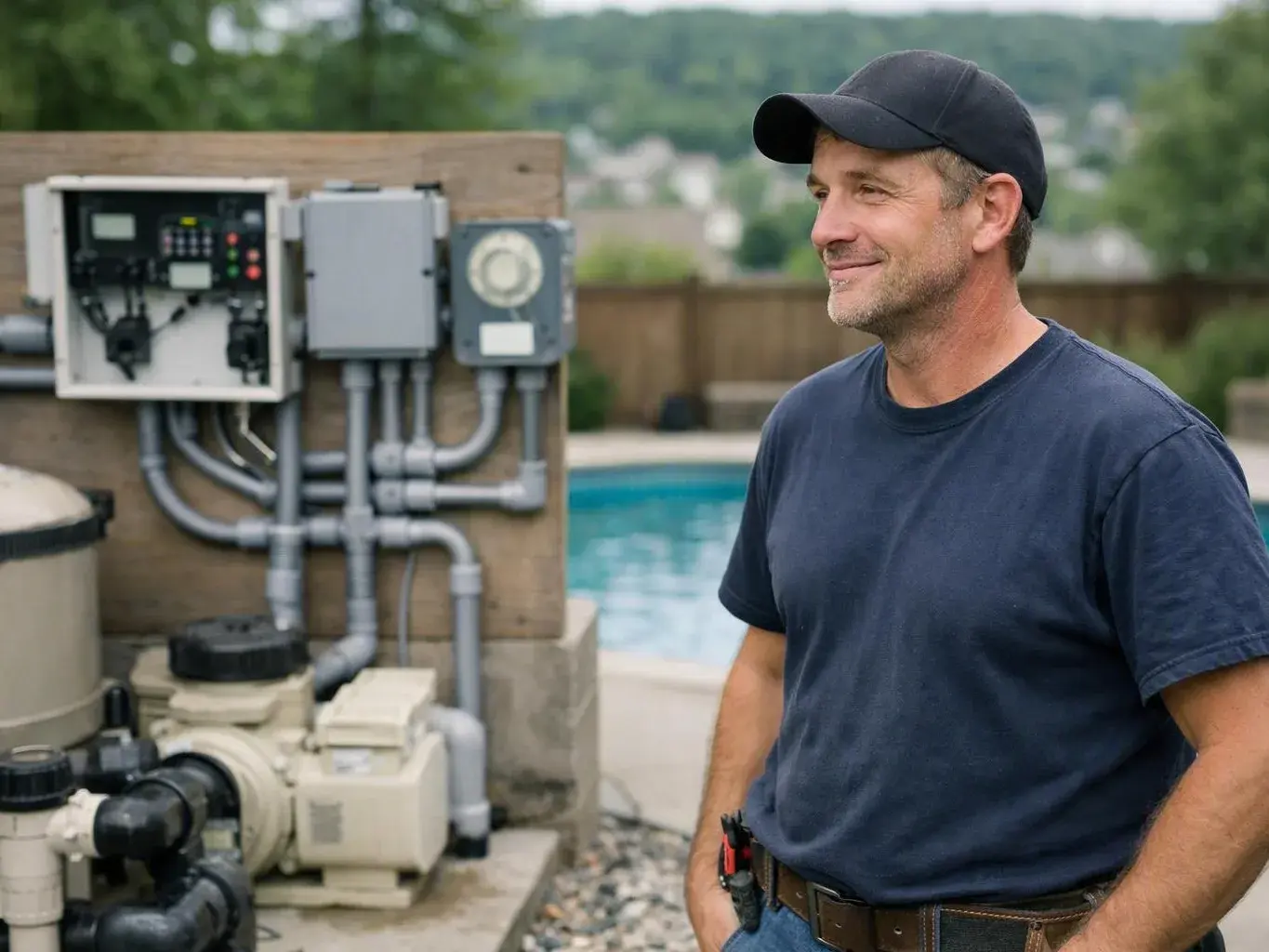
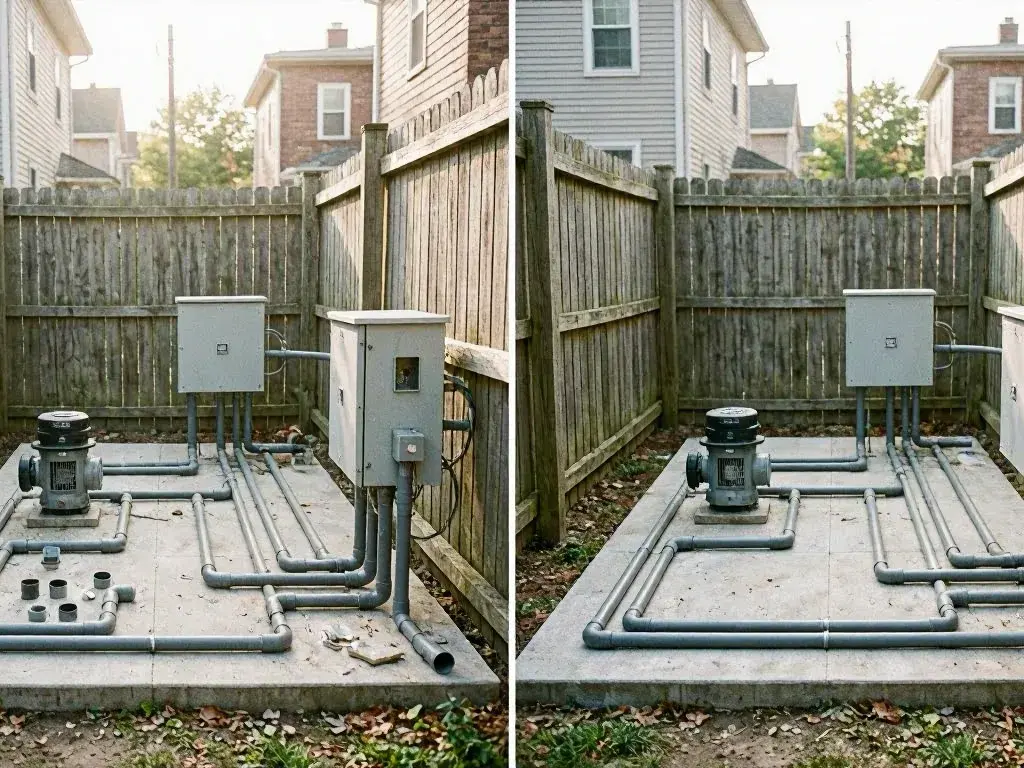
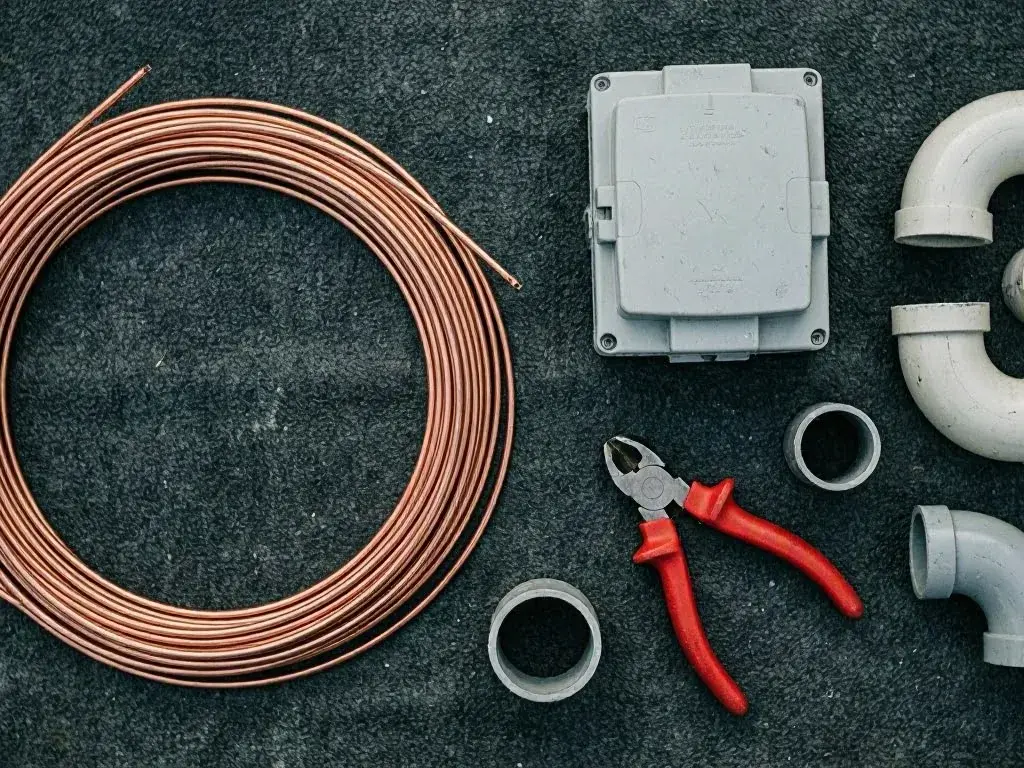
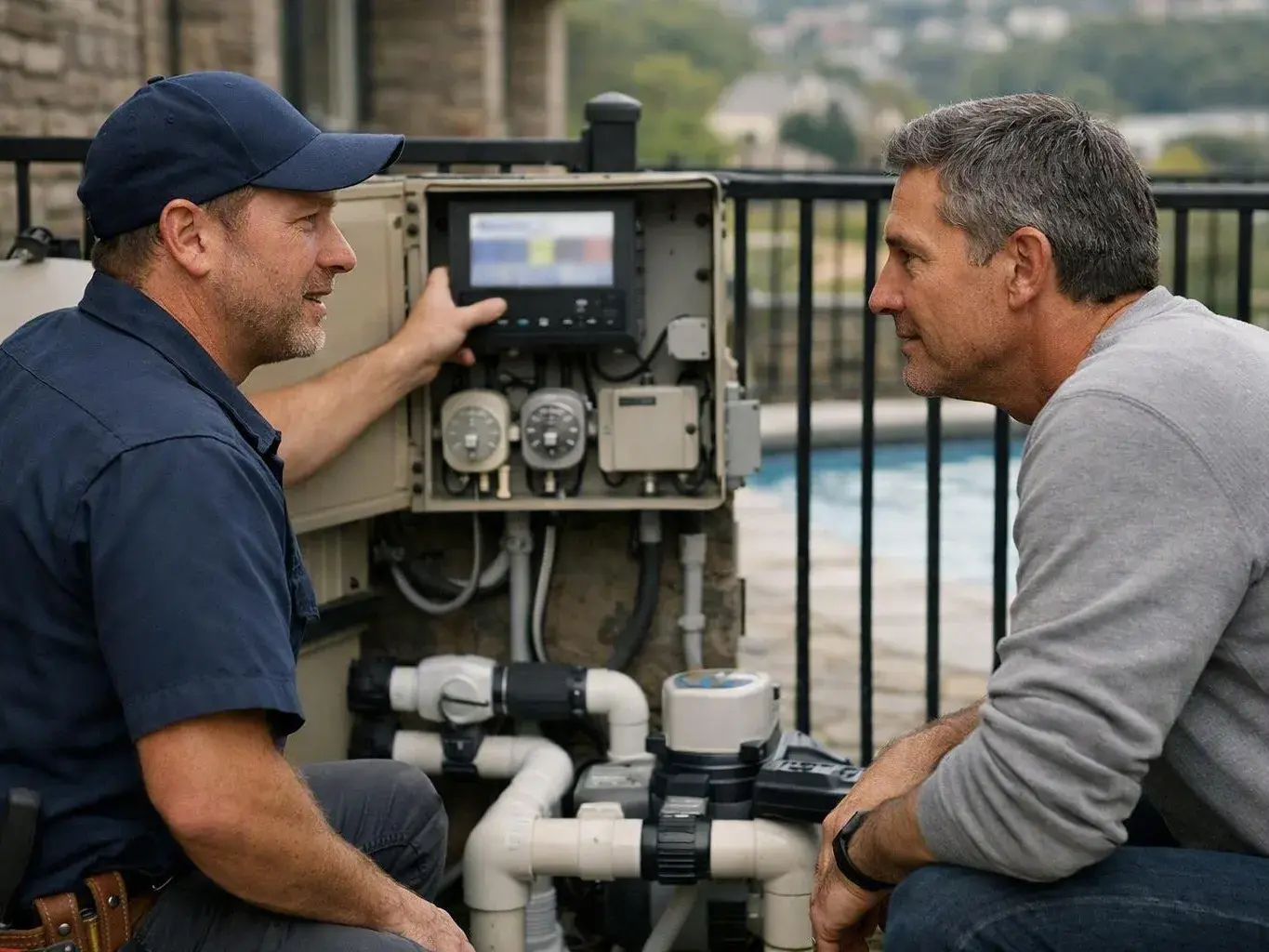
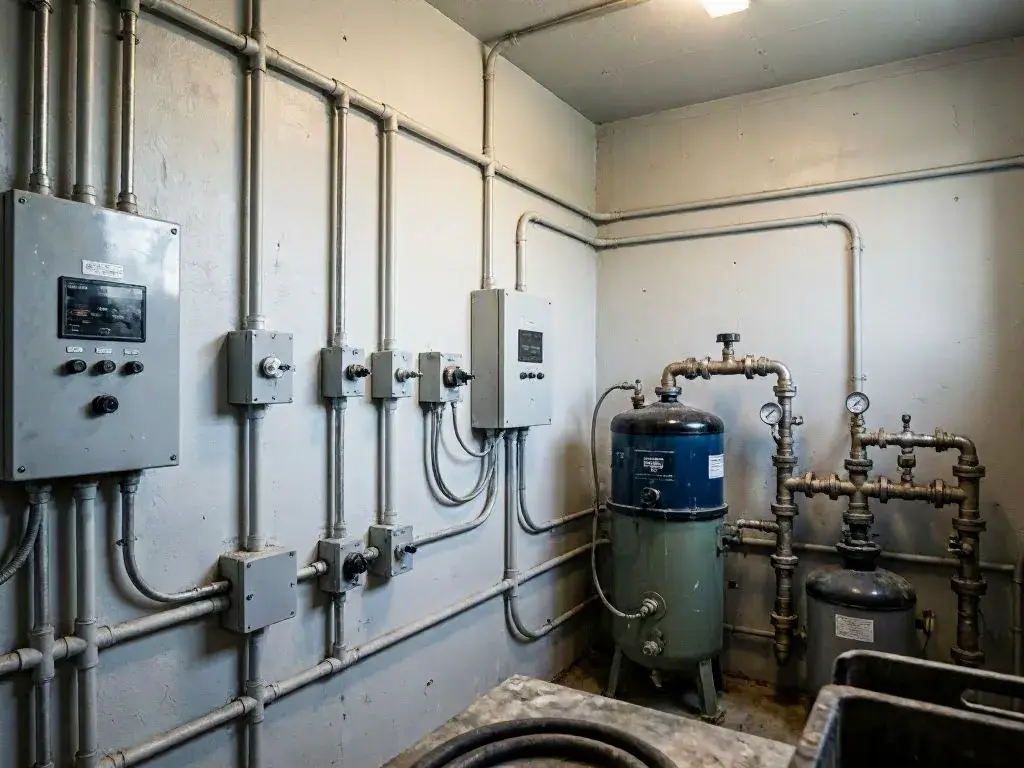
Is your pool circuit tripping, flickering, or failing to start? Request a quote for Pool Electrical Wiring and get the problem checked before it grows.
Call Electrician Pittsburgh today to discuss an electrical concern, planned upgrade, inspection, or code correction.
Pittsburgh, PA
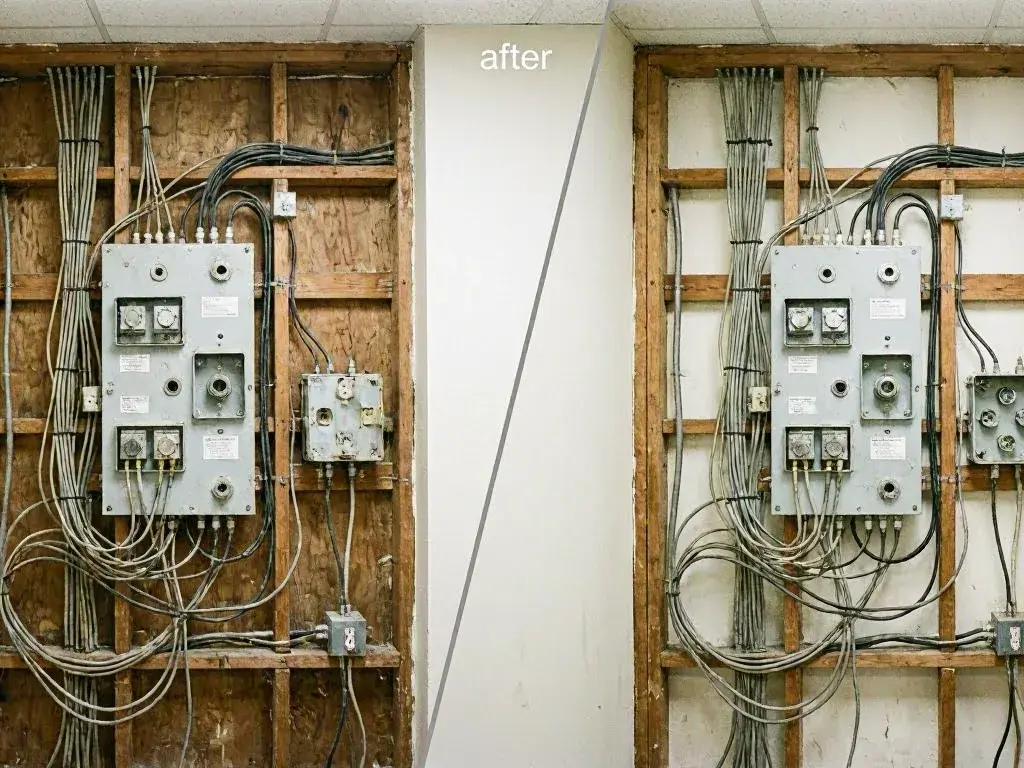
A pool opening deadline can turn into a safety issue fast when the pump won’t start or the GFCI keeps tripping. In Pittsburgh, PA, we’d first check bonding, the feeder, and the panel path before any parts get swapped. That tells us whether the issue is moisture, a weak connection, or a load problem that needs code-based correction.
A strange trip pattern can leave you guessing, especially when the breaker resets and fails again later. In Pittsburgh, PA, older wiring and mixed updates often change the testing plan, so we’d trace the circuit and test the protection devices in order.
A recurring pump outage or flickering pool light usually means the root cause was missed the first time. In Pittsburgh, PA, we’d check for loose bonding, damaged outdoor wiring, and a panel issue that temporary fixes can’t solve.