
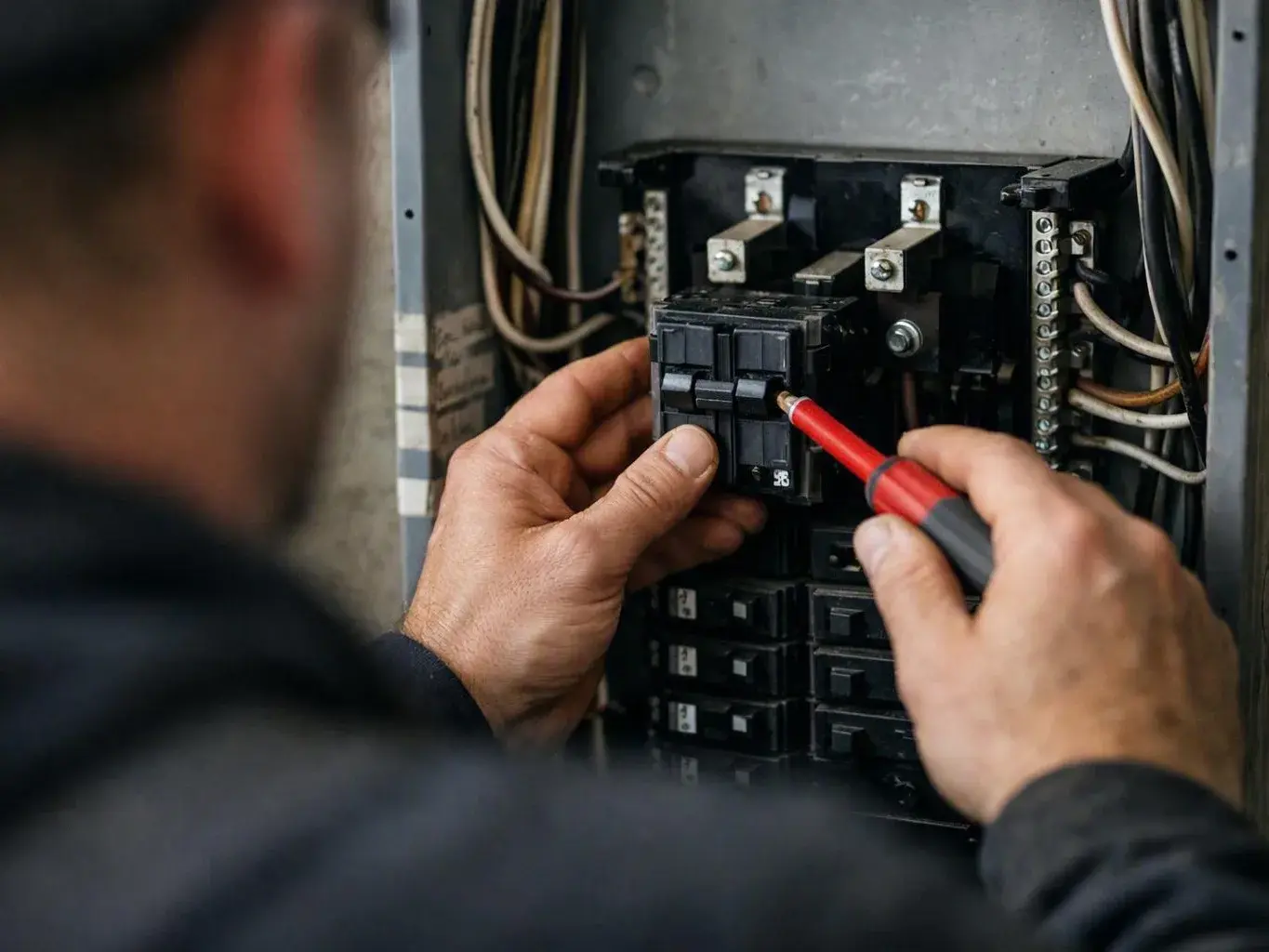
Load and Panel Review
We check the panel schedule, breaker space, and connected load. That shows whether the new circuit can fit cleanly and safely.
Cold winters and older rowhouses can push wiring past safe limits. We set up dedicated 220-volt runs for heavy loads that need steady power.
Cuts nuisance breaker trips during heavy startup loads.
Gives dryers, ranges, and heat pumps steady power.
Helps older Pittsburgh homes handle modern appliance demand.
Fits tight panel layouts found in many city rowhouses.
Supports code-conscious work where permit review is needed.
Keeps the circuit sized for the actual load.
220-Volt Circuit Installation is an electrical service that adds a dedicated higher-voltage circuit for heavy loads.
According to International Energy Agency (2024), electric-car sales in the United States increased 10% year over year to 1.6 million vehicles, expanding demand for residential Level 2 charging and associated 240-volt circuit work.
Source: International Energy Agency·Year: 2024
Electric cars represented approximately 10% of total car sales in the United States in 2024, indicating continued electrical-load and charging-infrastructure demand, as reported by International Energy Agency (2024).
Source: International Energy Agency·Year: 2024

Our 220-Volt Circuit Installation services are available throughout Pittsburgh. 220-Volt Circuit Installation keeps heavy appliances on a safe, separate circuit. That helps stop trips, heat buildup, and weak starts. Older brick homes in the Hill District, South Side, and similar blocks often have tighter panels and older wiring. We check the panel, wire path, breaker size, and the load before any run goes in. A lot of rushed work skips load planning and just adds a line. We don't do that. We use NEC-based checks, which helps the circuit fit the appliance instead of forcing the appliance to fit the panel.
We check the panel schedule, breaker space, and connected load. That shows whether the new circuit can fit cleanly and safely.
We map the wire route, box location, and breaker type before work starts. That keeps the run short, direct, and easier to service later.
We size the breaker and conductor to the appliance draw and code needs. That helps prevent heat, trips, and undersized wiring.
We pull the wire, set the breaker, and land the connection at the equipment point. That gives the appliance its own dedicated feed.
We test the circuit under load and label the panel for clear future service. That makes the install easier to find and safer to use.
Electrician Pittsburgh holds every 220-Volt Circuit Installation engagement to the same standard — from first inquiry through completed work. Here is what guides our process.
Every 220-Volt Circuit Installation case is reviewed against our own checks before sign-off, so you receive exactly what was agreed.
Clear documentation at every stage — what we reviewed, what we found, and what happens next.
Dedicated communication throughout the process — from your first inquiry to completed 220-Volt Circuit Installation.
A few details help us plan the circuit cleanly.
A 220-volt circuit is needed when an appliance draws more power than a standard outlet can safely carry.
DIY work on a 220-volt circuit can leave the breaker, wire, and box mismatched.
A pro install is safer because the circuit gets sized, tested, and labeled as a unit.
220-Volt Circuit Installation in Pittsburgh, PA depends on scope, local demand signals, and how Electrician Pittsburgh sequences the work.
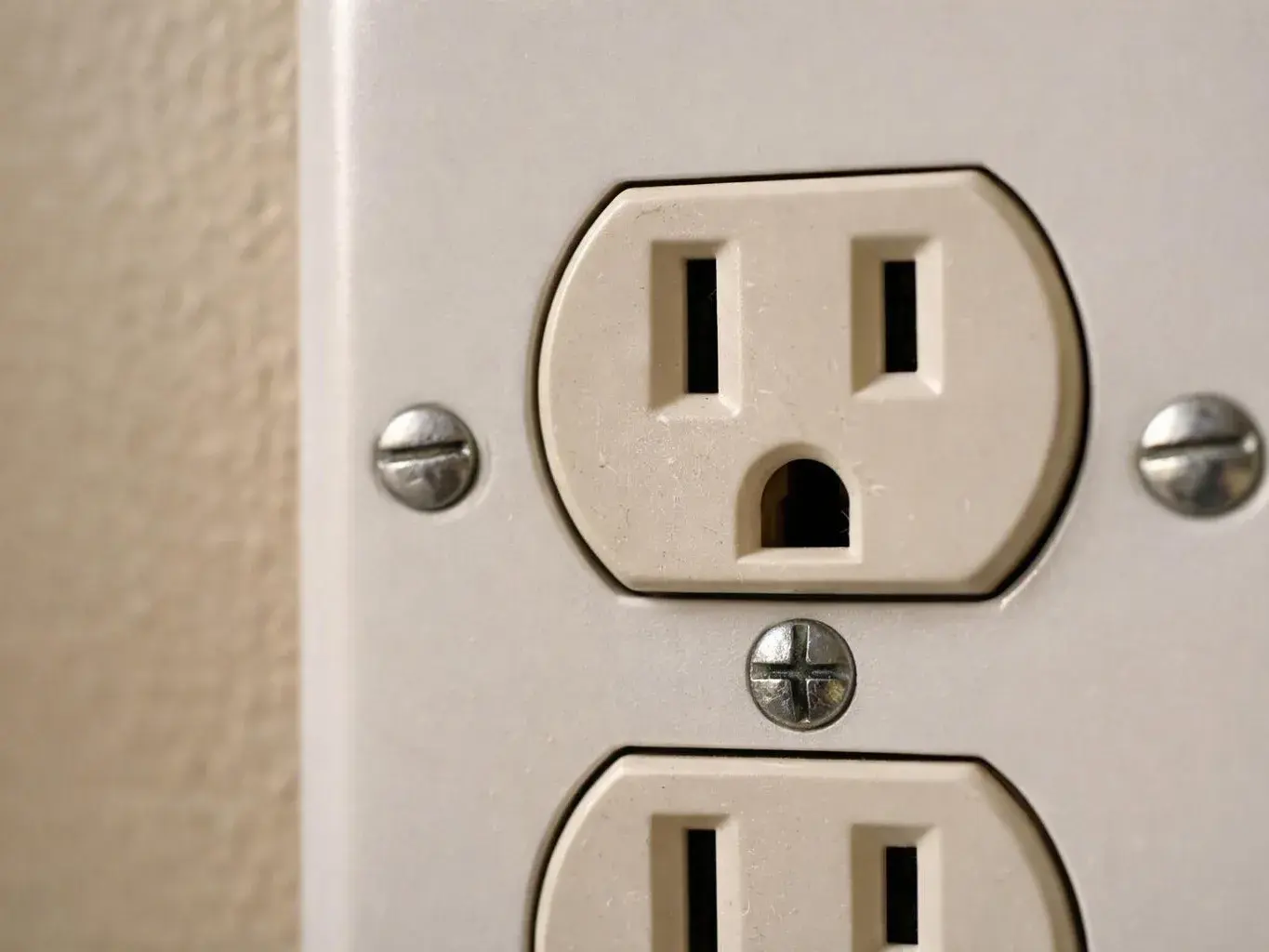
A dedicated circuit gives your heavy appliance the power it needs in older homes, tight panels, and winter load spikes.
Call Electrician Pittsburgh today to discuss an electrical concern, planned upgrade, inspection, or code correction.
Pittsburgh, PA
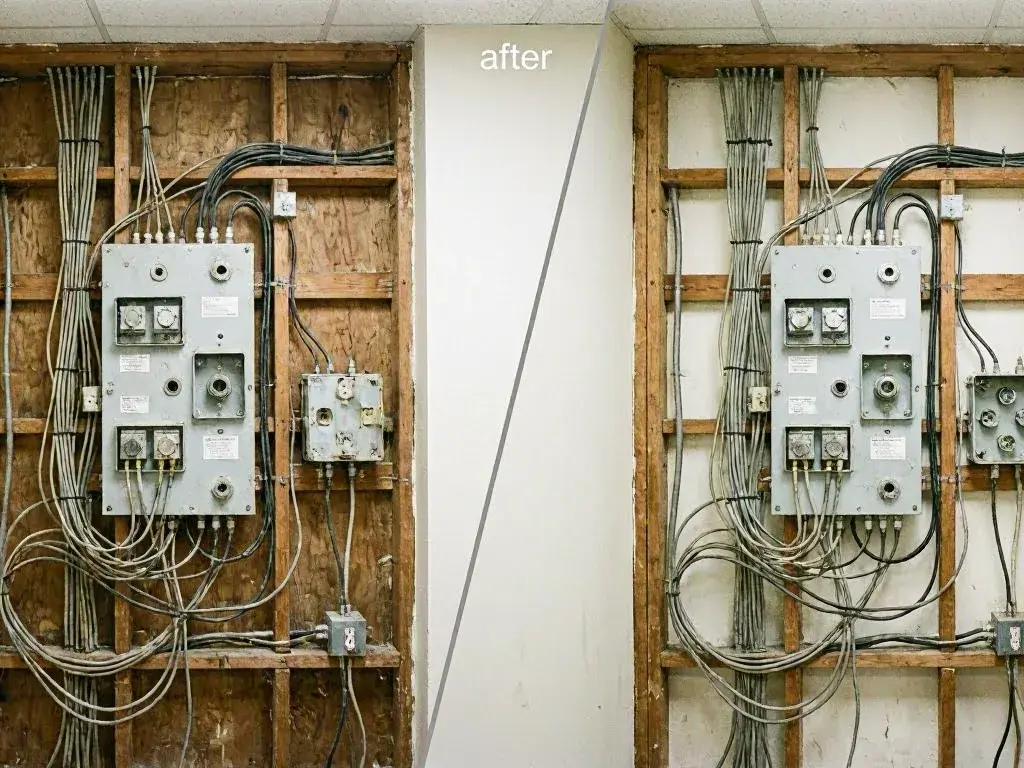
A homeowner in Pittsburgh, PA needs a new heat pump circuit before colder weather settles in. The current panel has little room, and the old line keeps tripping when the unit starts. We'd check load, breaker space, and wire route first, then map the circuit so the equipment can run without stress.
A family in Pittsburgh, PA has a dryer that shuts off mid-cycle, and the problem started after a laundry room update. The symptoms point to a bad match between the appliance load and the circuit path. We'd inspect the panel, test the outlet run, and explain whether a dedicated 220-volt circuit is the right fix.
A shop owner in Pittsburgh, PA keeps losing power to a machine after quick repairs from different crews. The issue keeps returning, which usually means the circuit was patched instead of sized right. We'd compare the load, panel layout, and wire route, then set a plan that should hold up better over time.