
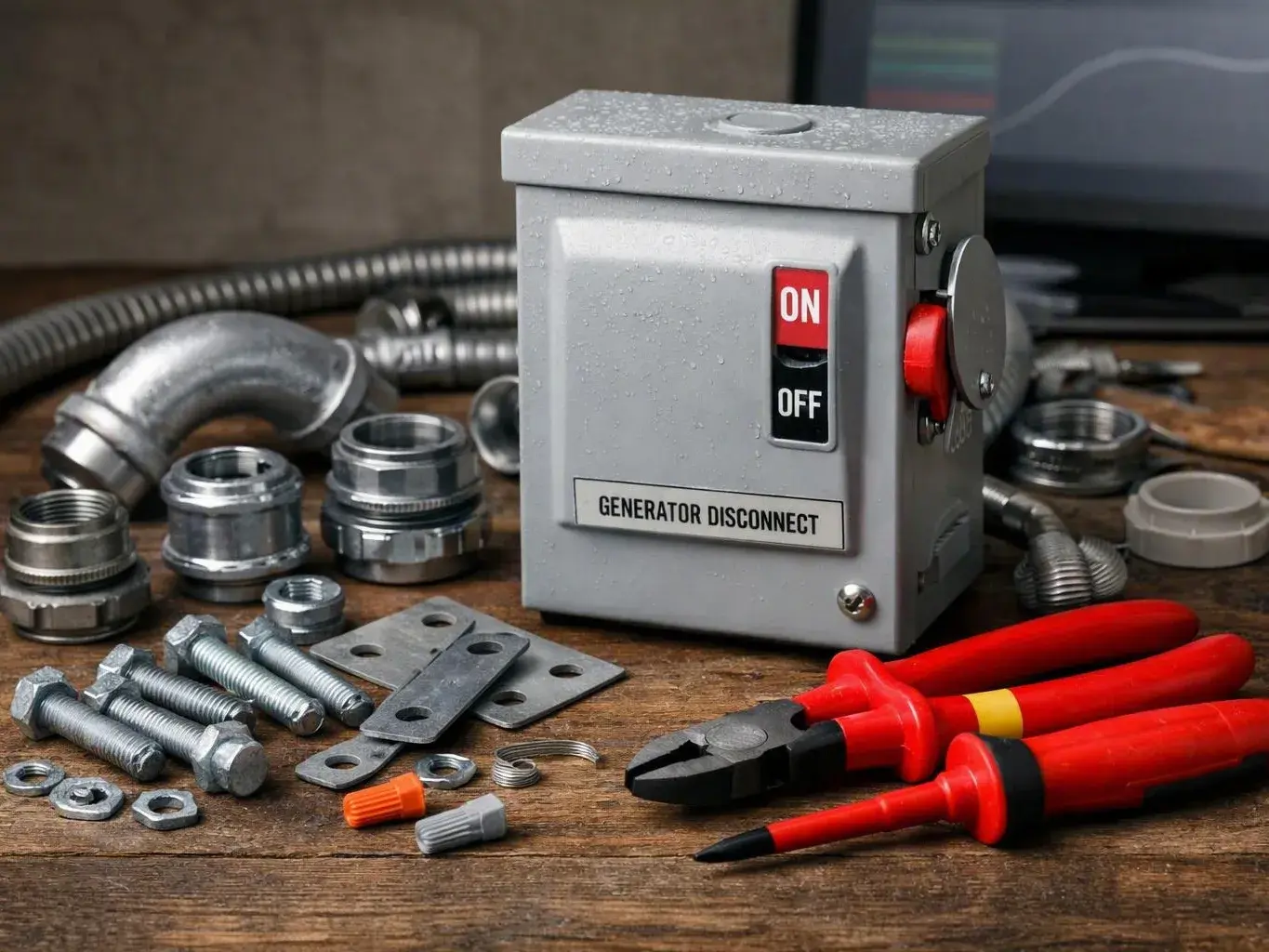
Load Calculation Review
We map the backed-up circuits and total demand before any gear is sized. That keeps the generator from being too small or wastefully large.
Backup power matters more in homes and shops that can't afford long outages. Pittsburgh's wet winters and stormy seasons make standby power a smart fit.
Keeps essential circuits on during outages
Reduces risk from improper backup setup
Fits older Pittsburgh homes with load checks
Supports safe transfer switch operation
Helps businesses avoid downtime in storm season
Works with code-aware wiring and panel planning
Standby Generator Installation is an electrical service that provides automatic backup power during outages.
According to U.S. Energy Information Administration (2022), U.S. electricity customers experienced an average of 5.5 hours of electric-power interruptions in 2022, including interruptions associated with major event days, and outage exposure is a primary demand driver for residential standby generators.
Source: U.S. Energy Information Administration·Year: 2022
Data from U.S. Energy Information Administration (2022) shows that U.S. electricity customers experienced an average of 1.4 power interruptions in 2022, including major event days.
Source: U.S. Energy Information Administration·Year: 2022
The median annual wage for U.S. electricians was $62,350 in May 2024, as reported by U.S. Bureau of Labor Statistics (2024), and licensed electrician labor is a principal cost component of code-compliant standby-generator electrical interconnection and transfer-switch installation.
Source: U.S. Bureau of Labor Statistics·Year: 2024

Standby Generator Installation gives a home or business automatic backup power when utility service drops. It matters most where outages can shut down heat, sump pumps, or critical work. Pittsburgh's older housing stock and mixed-use buildings often need a panel check first. That step keeps the generator size honest and avoids waste on gear that can't carry the load. We also use load calculations and transfer switch planning, so the setup matches the property. On Mount Washington, access and roofline layouts can change how crews stage the work, while downtown sites may need tighter planning around service space.
We map the backed-up circuits and total demand before any gear is sized. That keeps the generator from being too small or wastefully large.
We place the switch and plan the tie-in path to match the panel and service layout. This step prevents messy changeovers and keeps utility backfeed out of the system.
We line up the permit path and code details before install day. That helps the job move faster and cuts avoidable rework.
We mount the unit, run the wiring, and connect the automatic transfer equipment. The result is a permanent backup system that can start on its own.
We test the changeover, confirm the backed-up loads, and check the run sequence. That final pass shows whether the system is ready for an outage.
Electrician Pittsburgh holds every Standby Generator Installation engagement to the same standard — from first inquiry through completed work. Here is what guides our process.
Every Standby Generator Installation case is reviewed against our own checks before sign-off, so you receive exactly what was agreed.
Clear documentation at every stage — what we reviewed, what we found, and what happens next.
Dedicated communication throughout the process — from your first inquiry to completed Standby Generator Installation.
A short prep list helps the install move without delays.
The timeline depends on load sizing, permit steps, transfer switch work, and final testing.
Winter outages push demand higher, and wet seasons can expose weak sump pump or heat circuits before they fail.
We can trace wiring, check the transfer switch, and look for load issues that keep the system from starting right.
Those steps keep the backup system matched to the panel, the backed-up circuits, and NFPA 70 rules.
That keeps each site's transfer switch, backed-up circuits, and service plan aligned across different buildings.
If heat, sump pumps, coolers, or work gear can't stay down, a fixed system beats a portable unit.
Standby Generator Installation in Pittsburgh, PA depends on scope, local demand signals, and how Electrician Pittsburgh sequences the work.
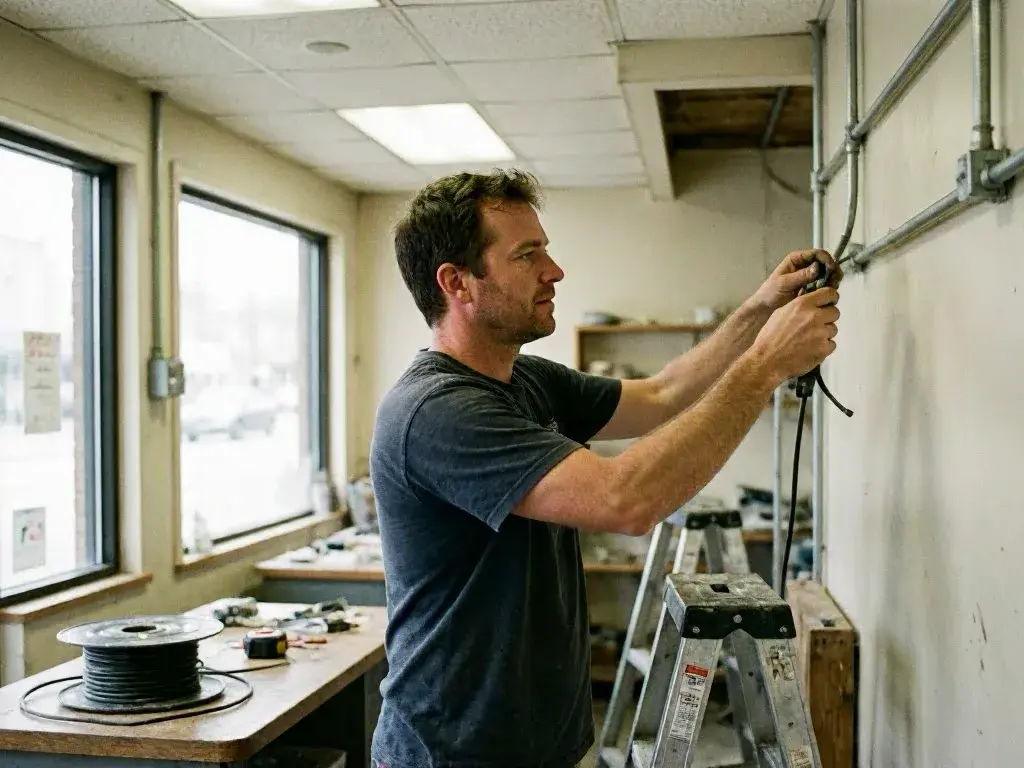
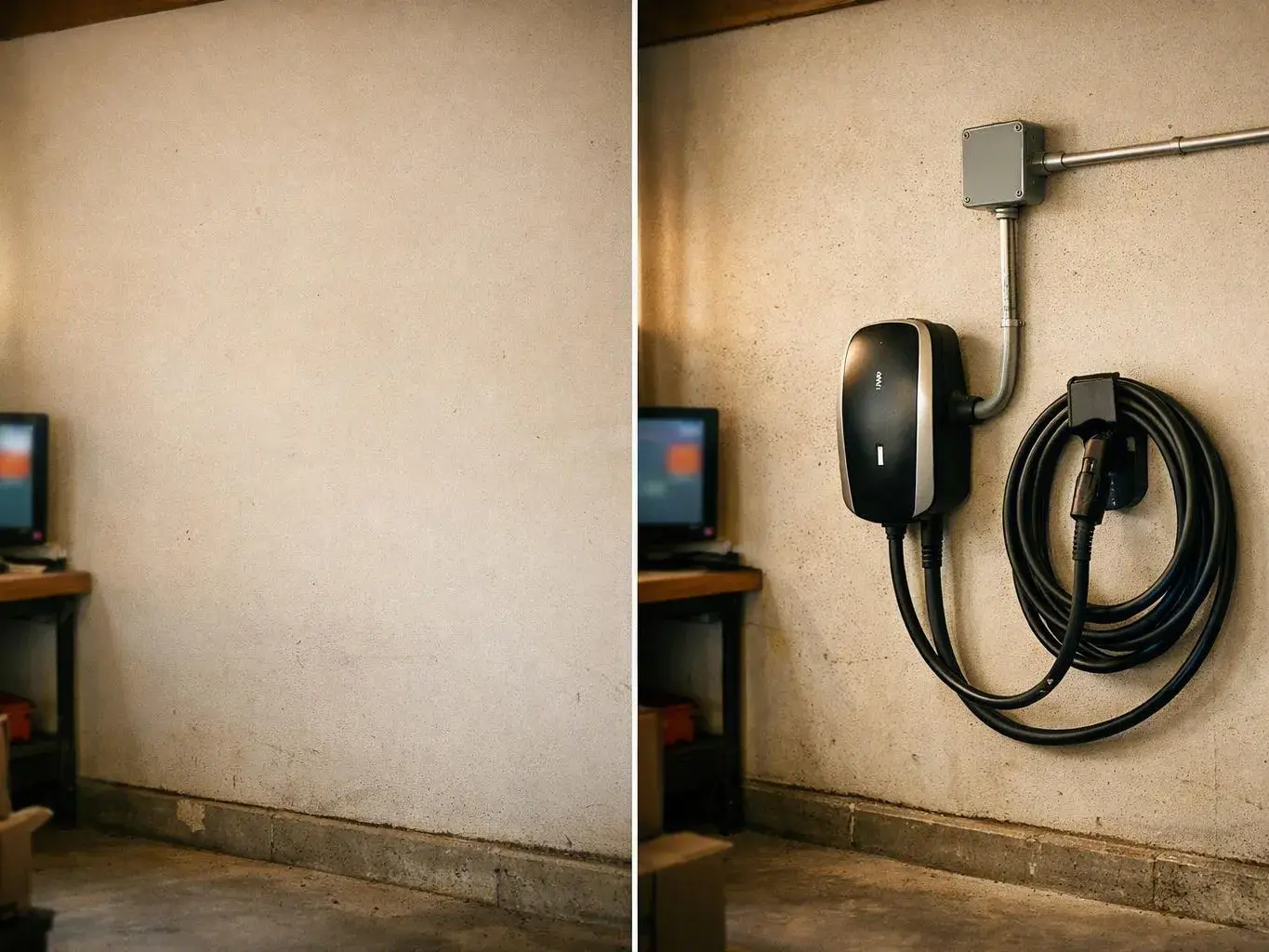
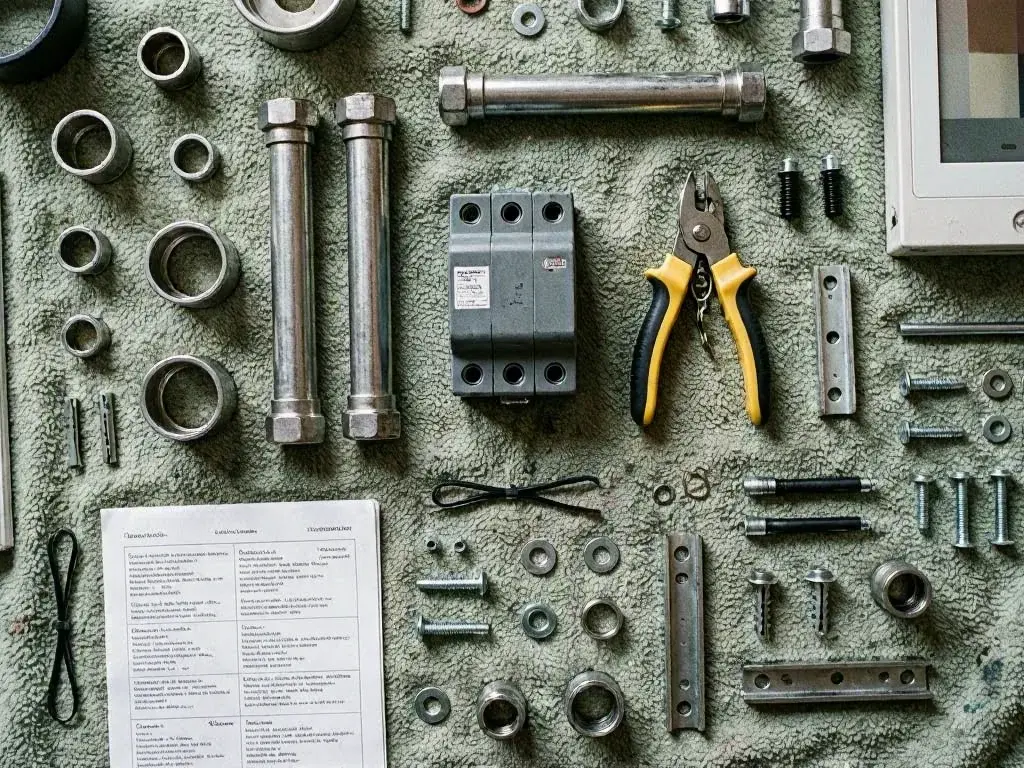
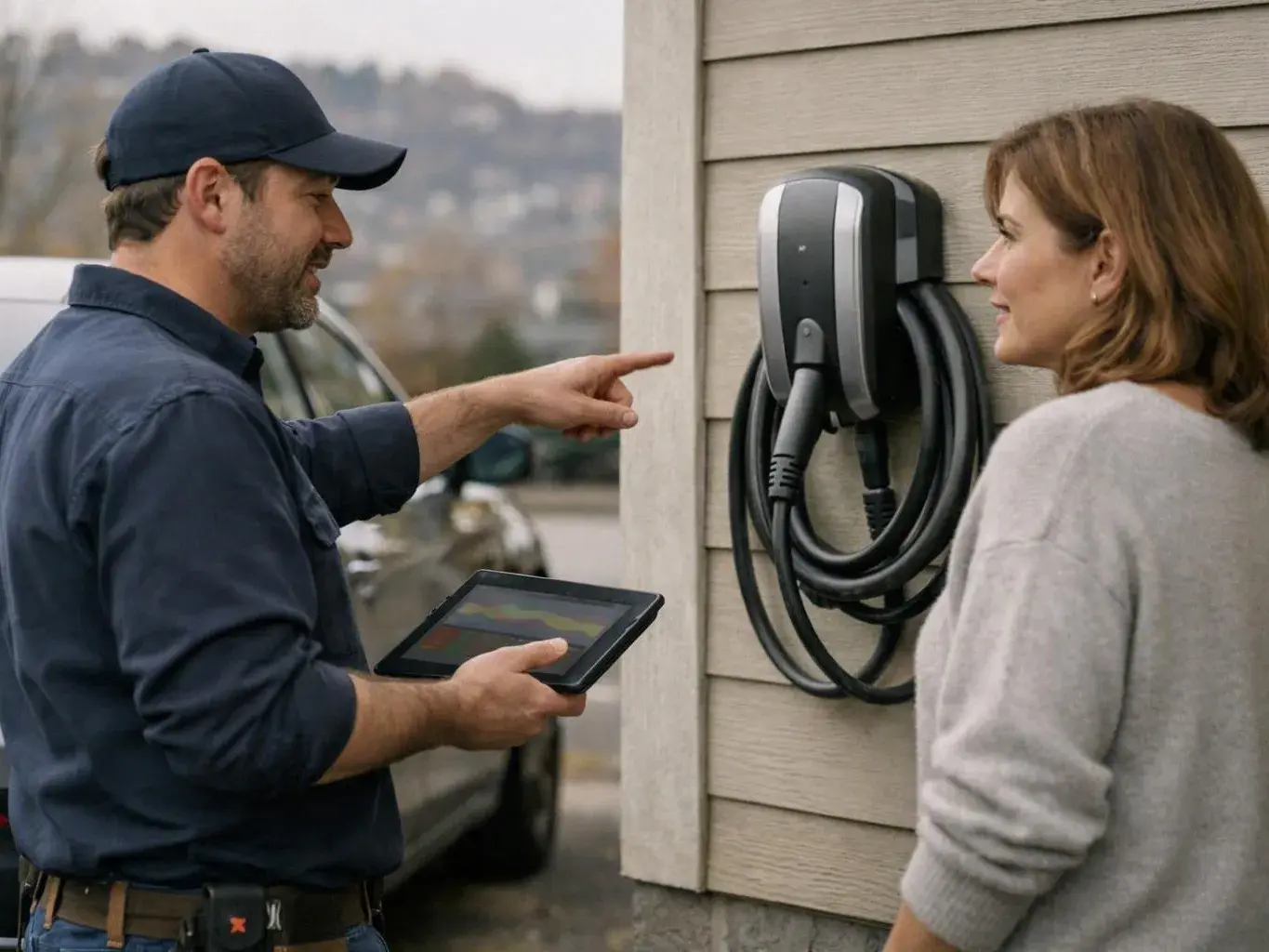
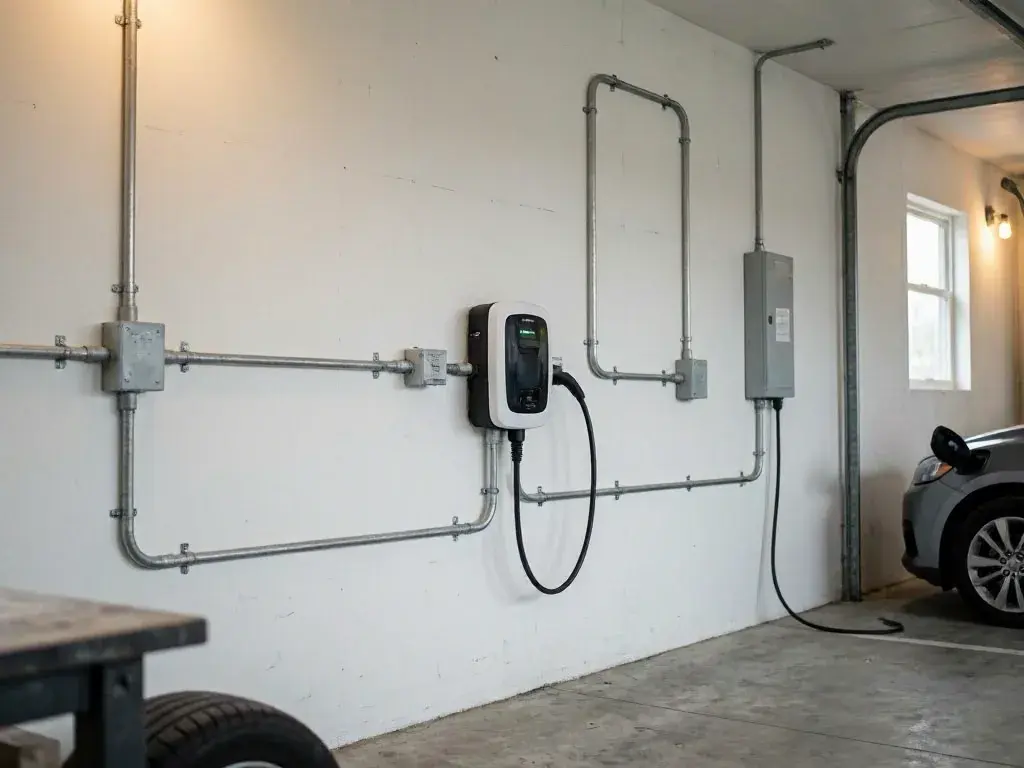
A properly sized standby system keeps key circuits on during outages in Pittsburgh's storm-prone seasons. It gives you automatic changeover, not a stopgap fix.
Call Electrician Pittsburgh today to discuss an electrical concern, planned upgrade, inspection, or code correction.
Pittsburgh, PA

After a storm knocked out heat and the sump pump, the owner needed backup power that would start on its own. In Pittsburgh, PA, we would check the panel, confirm the backed-up circuits, and size the generator for the real load, not a guess. That keeps the install focused on the equipment that matters most during a long outage.
A portable unit may work for a night, but the same outage problem returns each season. In Pittsburgh, PA, we would look at the transfer switch path, load balance, and wiring age before recommending a standby setup that stops the cycle.
A homeowner on the city's hill streets may know backup power is needed, but not how to begin. In Pittsburgh, PA, we would start with access, panel space, and backed-up circuit planning, then build the install around those limits so the job stays safe and practical.