What signs indicate a damaged electrical service entrance?
Burn marks indicate that heat has affected a service part or connection. Flickering lights, buzzing equipment, water intrusion, and loose conductors can support that concern. We inspect the service mast, meter area, entrance conductors, and main panel before setting the repair scope. Keep away from damaged equipment and request an assessment.
Which part of the property decides the repair scope?
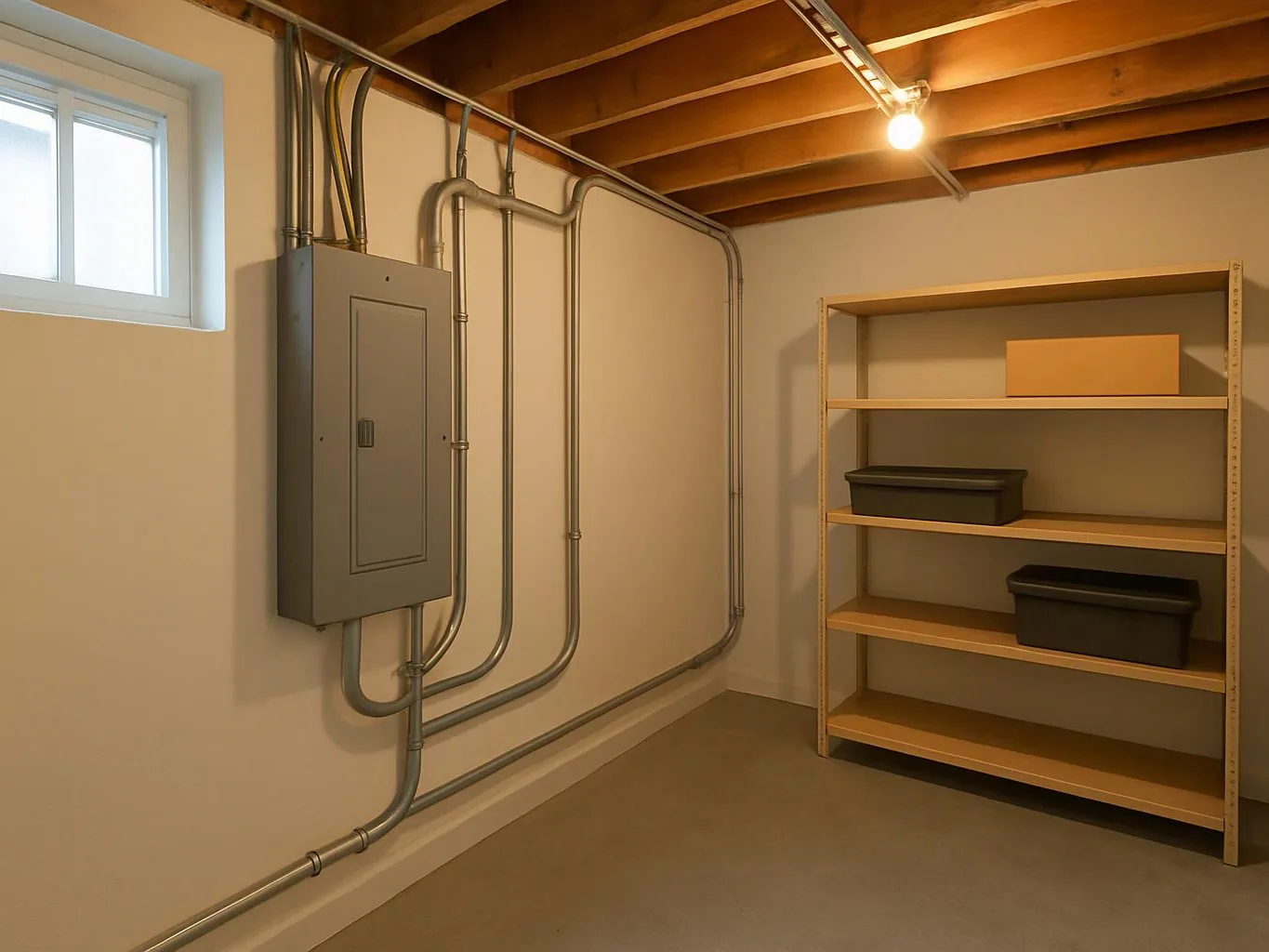
The damaged service component decides the repair scope. The inspection may focus on the service mast, weatherhead, meter connection, entrance conductors, grounding path, or main panel. Access and the spread of heat or moisture also matter. The assessment separates a focused repair from a larger service entrance upgrade.
Which material changes how long the repair takes?
The condition and type of entrance conductor can change the work involved. Damaged insulation, corroded connections, or conductors affected by heat need closer checks before repair. We identify the material and connection condition during inspection. The resulting scope determines the work needed, not the warning sign alone.
How does a service entrance repair visit move from the first call to the last step?
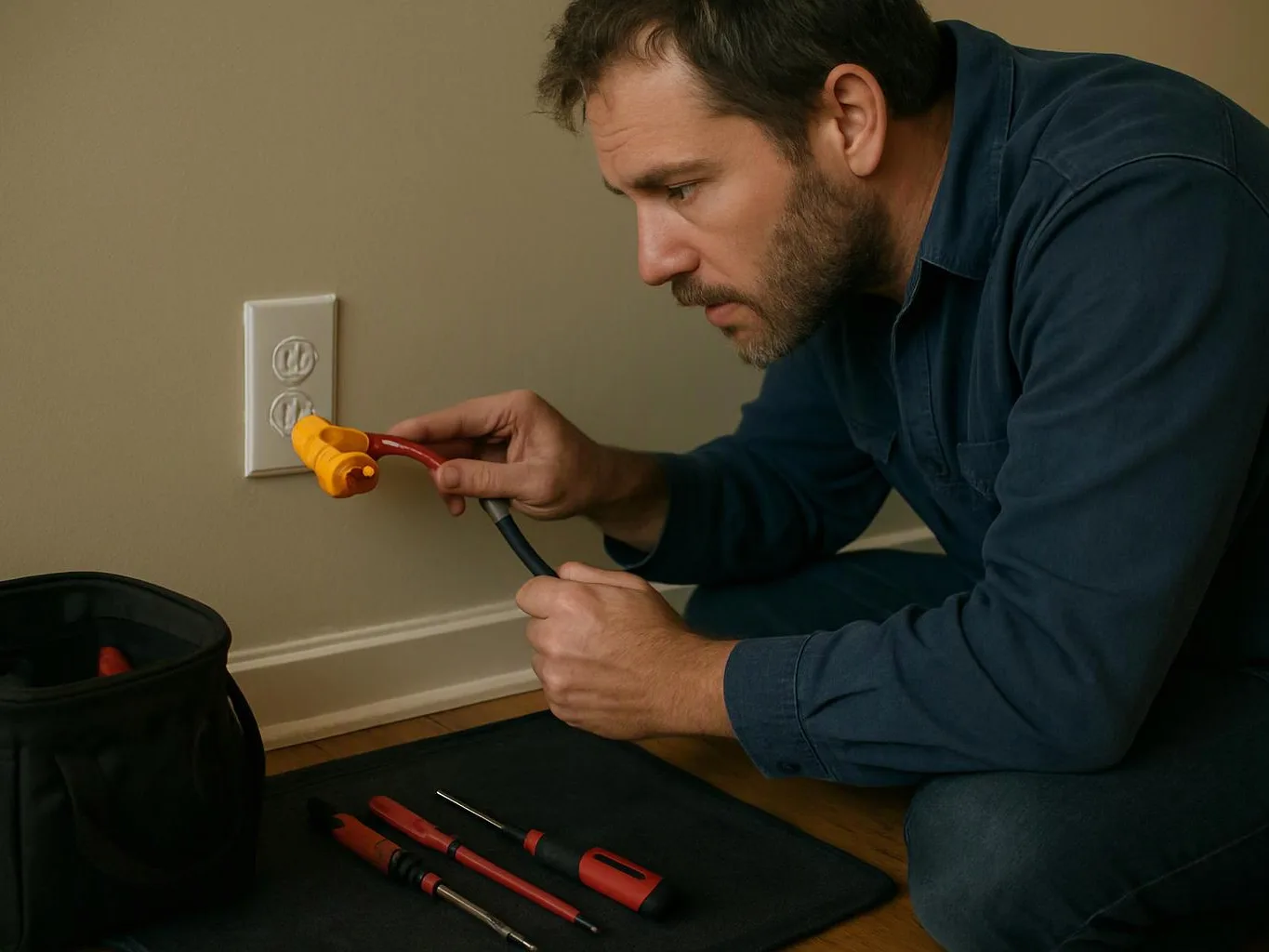
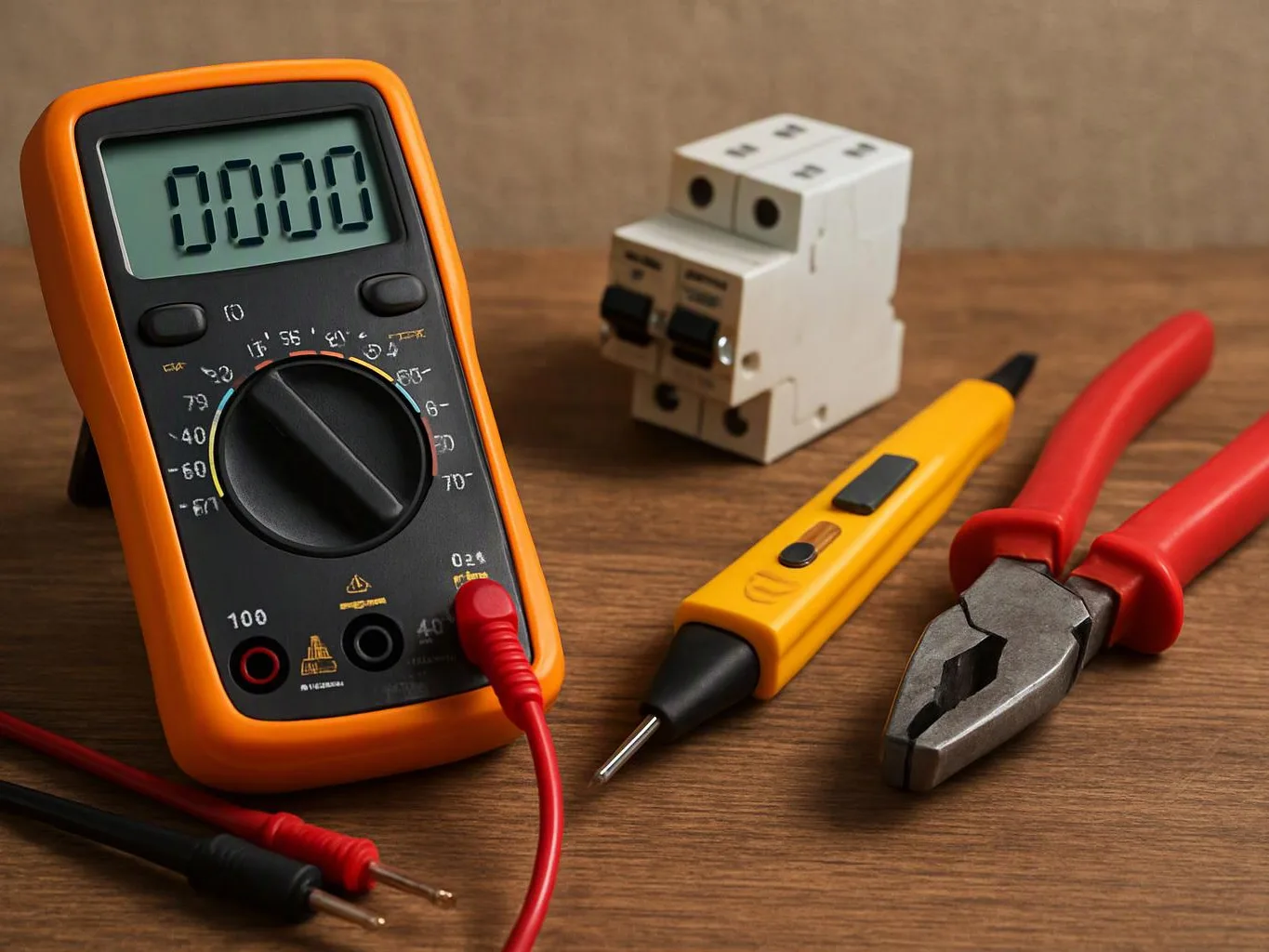
The visit moves from symptom review to inspection, fault isolation, repair planning, and testing. We first discuss the warning signs and property access. Then we inspect the service path, explain the repair scope, isolate unsafe equipment, and test the completed connections. Utility coordination may be needed when the service connection requires it.
Why does water intrusion matter near the service entrance?
Water intrusion matters because moisture can affect insulation, connections, and metal service parts. We inspect the weatherhead, mast, meter area, and nearby panel for entry paths and damage. The repair may need to address both the damaged electrical part and the point where water entered.
When should I stop resetting a tripped breaker?
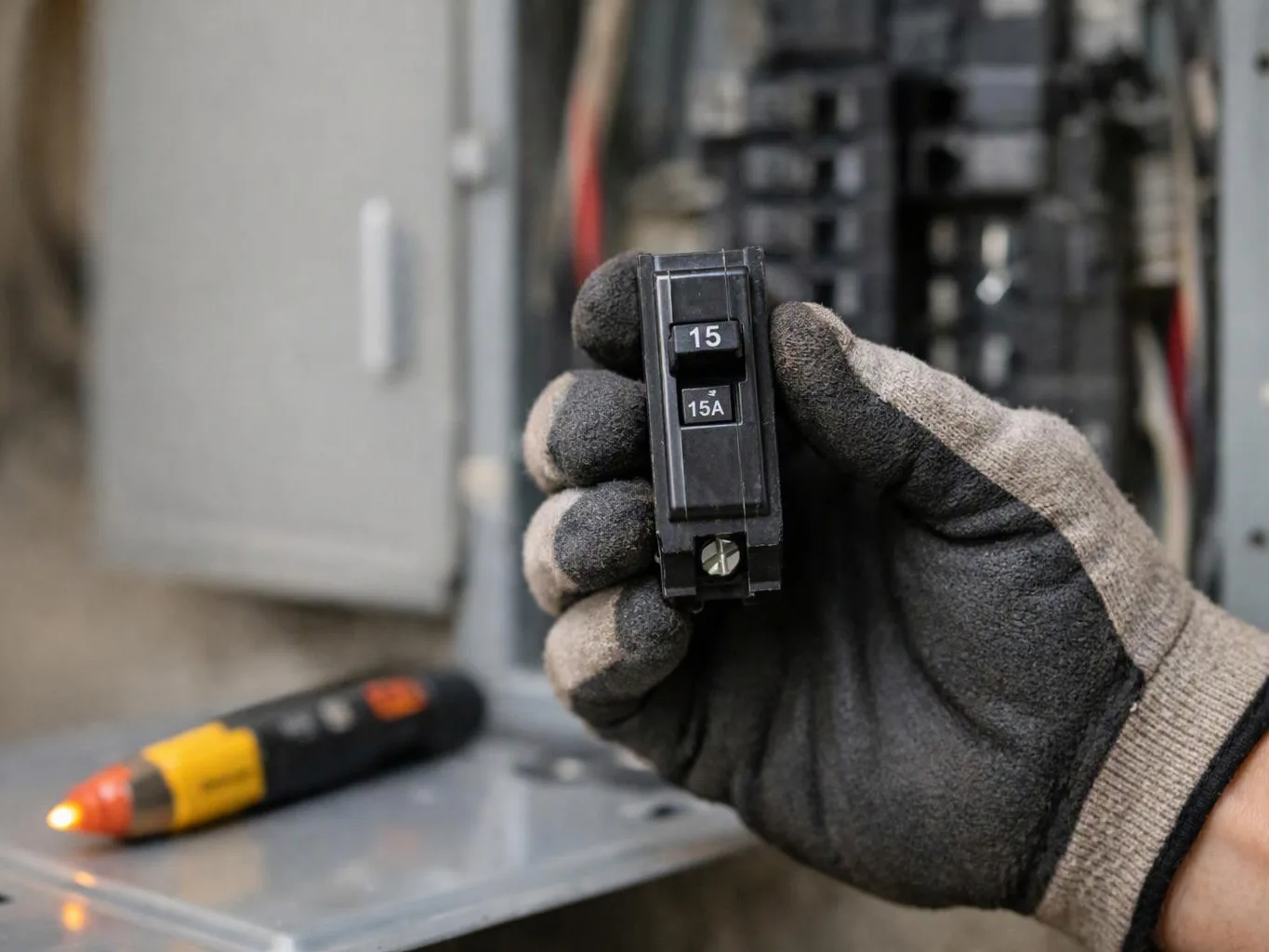
Stop resetting a breaker when it trips again, smells hot, sparks, or shows visible damage. Repeated resets can keep a fault energized and worsen heat at a weak connection. We can inspect the service entrance and connected equipment to identify whether the fault is at the service, panel, or branch circuit.
What should I share before requesting an assessment in Wilkinsburg?
A description of the warning sign, its location, and any loss of power helps us prepare for the assessment. Photos from a safe distance can show the meter area, service mast, or panel without exposing anyone to danger. Do not remove covers or touch loose conductors before we inspect the equipment.