Emergency Electrical Troubleshooting Mistakes That Can Make the Problem Worse
Emergency electrical troubleshooting mistakes include resetting a tripped breaker repeatedly, touching damaged wiring, bypassing protective devices, and testing energized parts; Electrician Pittsburgh identifies the hazard, makes the area safe, and troubleshoots the underlying fault.
Get a Free Estimate
Why Emergency Electrical Troubleshooting Mistakes Make Faults Worse
Emergency electrical troubleshooting mistakes make faults worse by adding heat, energizing damaged circuits, defeating protection, or hiding the original cause. An electrical fault can turn into an electrical hazard when a person keeps applying power without locating the problem.
Electrician Pittsburgh secures the area before we begin troubleshooting. Our team examines the symptoms, identifies the affected circuit, and works toward the underlying fault instead of treating only the visible symptom.
Which Troubleshooting Mistakes Should You Avoid?
Electrical safety requires you to avoid actions that can energize damaged wiring or defeat protection. A circuit breaker, electrical panel, and wiring fault can look simple from the outside while hiding a serious problem.
We recommend stopping when the cause is not clear. Our crew can perform Electrical Troubleshooting after the affected area is isolated and safe to examine.
Resetting a Tripped Breaker Repeatedly
A tripped breaker is a warning that an overload, short circuit, or arc fault may be present. Repeated resetting keeps sending current into a condition that the protective device is trying to stop.
The cost of this mistake can include added heat, damaged equipment, and more difficult fault isolation. We identify what caused the circuit breaker to trip, test the affected branch circuit safely, and correct the underlying problem before restoring service.
Touching Exposed or Damaged Wiring
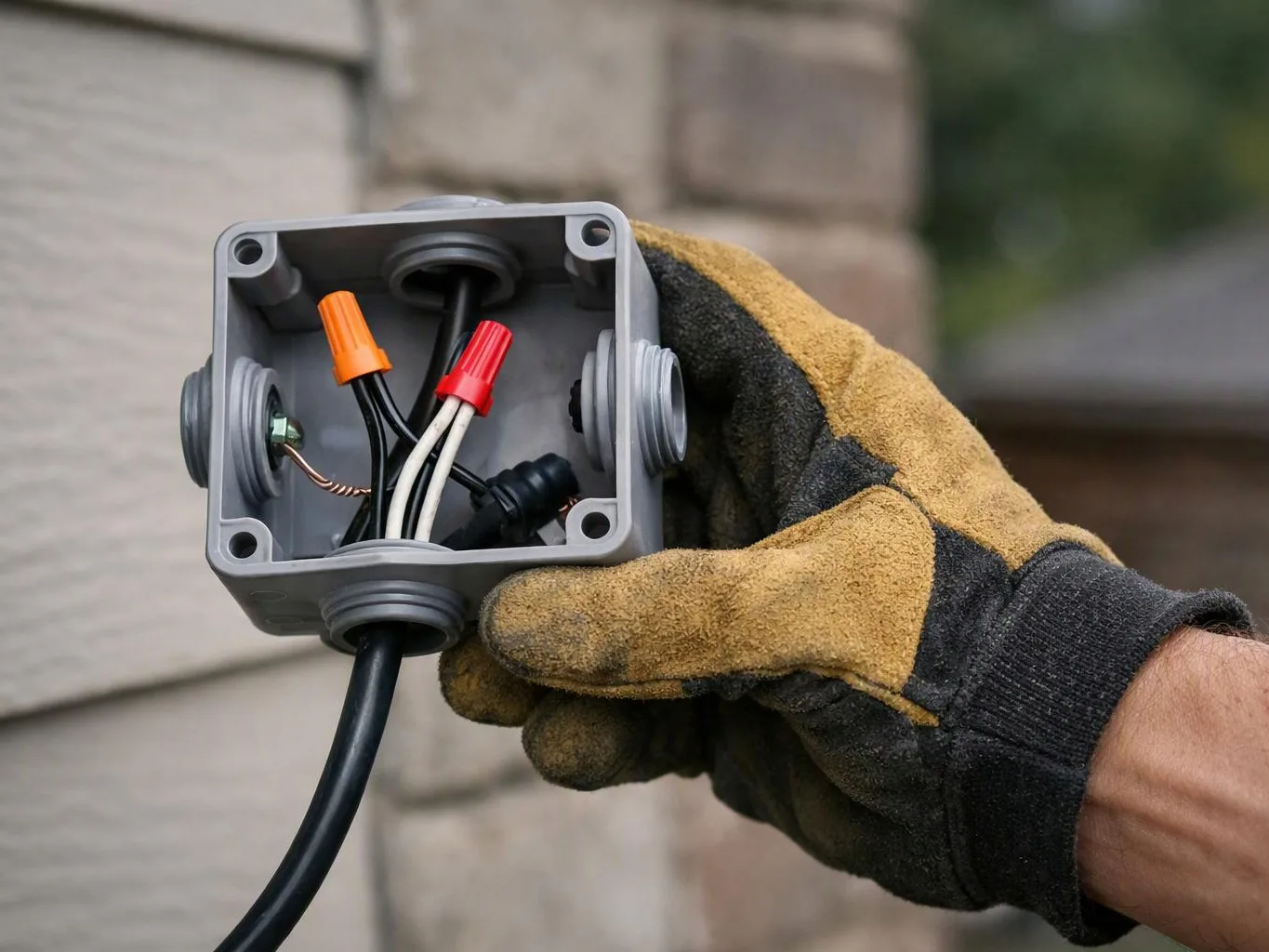
Exposed wiring can contain an energized conductor even when nearby devices appear inactive. Damaged insulation raises the risk of electric shock, arcing, and contact with other conductive parts.
Handling the wiring can increase the repair scope by causing further damage or disturbing evidence of the fault. We keep people clear, de-energize the affected circuit when possible, and inspect the conductor and insulation before planning an electrical repair.
Testing an Energized Circuit Without the Right Procedure
Testing an energized circuit without safe electrical testing procedures can expose you to shock or an arc flash. A voltage tester or multimeter also gives misleading results when the instrument, leads, settings, or test points are wrong.
The cost of an unsafe test can include personal injury and damage to the meter or circuit. We use suitable test equipment, follow a controlled process, and wear the personal protective equipment required for the condition.
Bypassing a Breaker, Fuse, or Ground-Fault Device
Bypassing a fuse, ground-fault circuit interrupter, or arc-fault circuit interrupter removes protection that limits dangerous current. Overcurrent protection and fault protection serve different purposes, so defeating either device can hide a serious defect.
The added cost can include electrical damage, fire risk, and repairs to equipment that should have been disconnected. We determine why the protective device operated and restore protection as part of the repair.
Using the Wrong Replacement Fuse or Breaker
A replacement fuse or circuit breaker must match the electrical panel and the circuit design. Using the wrong rating can allow wiring to overheat before overcurrent protection operates.
The cost of a mismatched device can include damaged wiring and a larger panel repair. We verify the circuit breaker rating, inspect the panel, and replace protection with a suitable device.
Working on Wet Electrical Equipment
Water intrusion makes a wet outlet or other electrical equipment unsafe to touch or test. Water can create paths for current and increase the risk of electric shock, corrosion, and equipment failure.
The cost of working on wet equipment can include damage that spreads beyond the original outlet. We keep the area clear, isolate power when it can be done safely, and assess water-damaged electrical equipment before repair.
Ignoring Burning Odors, Heat, or Buzzing
A burning smell, warm outlet, or buzzing noise can indicate overheating, electrical arcing, or a loose connection. These warning signs can appear before an electrical fire develops.
Ignoring the signs can increase damage to the outlet, conductor, insulation, or electrical panel. We shut down the affected area when safe, trace the source, and repair the connection or damaged component.
Opening Devices or Panels Without Identifying the Circuit
Opening an electrical panel or device without circuit identification can expose you to energized parts. A disconnect may not control every circuit in the area, and labels may not match the actual wiring.
The cost of this mistake can include shock, accidental damage, and a longer diagnostic process. We identify the circuit, use a controlled lockout approach when needed, and confirm the condition before opening equipment.
What Can You Safely Check Before Electrical Troubleshooting Begins?
Emergency response starts with moving away from smoke, sparks, or exposed electrical parts. You can report visible warning signs without opening electrical equipment.
Do not open the electrical panel to investigate a power outage or tripped breaker when smoke, heat, or water is present. We can take over when safe isolation requires equipment or testing beyond a visual check.
When Should You Call Electrician Pittsburgh?
Emergency Electrician Service is appropriate when the fault may involve fire, shock, or damaged service equipment. Call us when you cannot safely isolate the problem or when a protective device keeps operating.
Electrician Pittsburgh identifies the hazard and makes the area safe before we continue with testing. This approach reduces electric shock risk and electrical fire risk while preserving useful information about the fault.
How We Trace an Emergency Electrical Fault
Fault isolation lets us separate the affected equipment or branch circuit from the rest of the electrical system. We use the symptoms and inspection findings to guide each safe test.
Our team does not rely on a breaker reset as a diagnosis. Electrical Troubleshooting continues until the cause is clear enough to support a safe repair plan.
What Does an Electrical Safety Inspection Check After a Troubleshooting Mistake?
An Electrical Safety Inspection checks whether a troubleshooting mistake caused heat damage, loose connections, wiring damage, failed protection, or another unsafe condition. The inspection covers the electrical panel, branch circuit, grounding, bonding, outlet, and visible wiring condition.
We compare the observed damage with the symptoms that led to the emergency. Our inspection findings help us decide whether the issue is limited to one device or affects more of the electrical system.
How We Explain the Repair and Estimate
We explain the diagnosed fault, the repair scope, the parts and access involved, and the work included in the estimate. Free Estimates Available.
Our team connects the recommended repair to the inspection findings so you can understand why the work is needed. The final scope can depend on the fault location, damaged components, circuit access, and whether protective devices or wiring also require attention.
We provide clear next steps for the electrical repair and explain what must remain disconnected until the work is complete.
Contact Electrician Pittsburgh for help with an unsafe electrical fault or emergency troubleshooting concern.
Questions About Emergency Electrical Troubleshooting Mistakes
Should I keep resetting a breaker that trips?
No, you should stop resetting a breaker that trips and contact Electrician Pittsburgh when the cause is not clear. Repeated trips can point to an overload, short circuit, arc fault, or damaged equipment.
Is a buzzing outlet an electrical emergency?
Yes, a buzzing outlet can indicate arcing, overheating, or a loose connection and should not be ignored. Keep clear of the outlet and contact us if the sound continues or the outlet feels warm.
What should I do if an outlet gets hot?
You should stop using a hot outlet, keep away from smoke or sparks, and disconnect the appliance only when the plug and area are safe to reach. We can inspect the outlet, wiring, connected load, and protective device.
Can a tripped breaker indicate a short circuit?
Yes, a tripped breaker can indicate a short circuit, but an overload, arc fault, or damaged appliance can cause similar symptoms. We test safely to identify the actual fault.
Should I use a multimeter to troubleshoot a home electrical problem?
No, you should not use a multimeter on an unknown energized circuit without the right procedure, equipment, and protective measures. We perform controlled circuit testing after making the area safe.